

Mastering the Hog Roaster: Tips for the Perfect Outdoor Feast

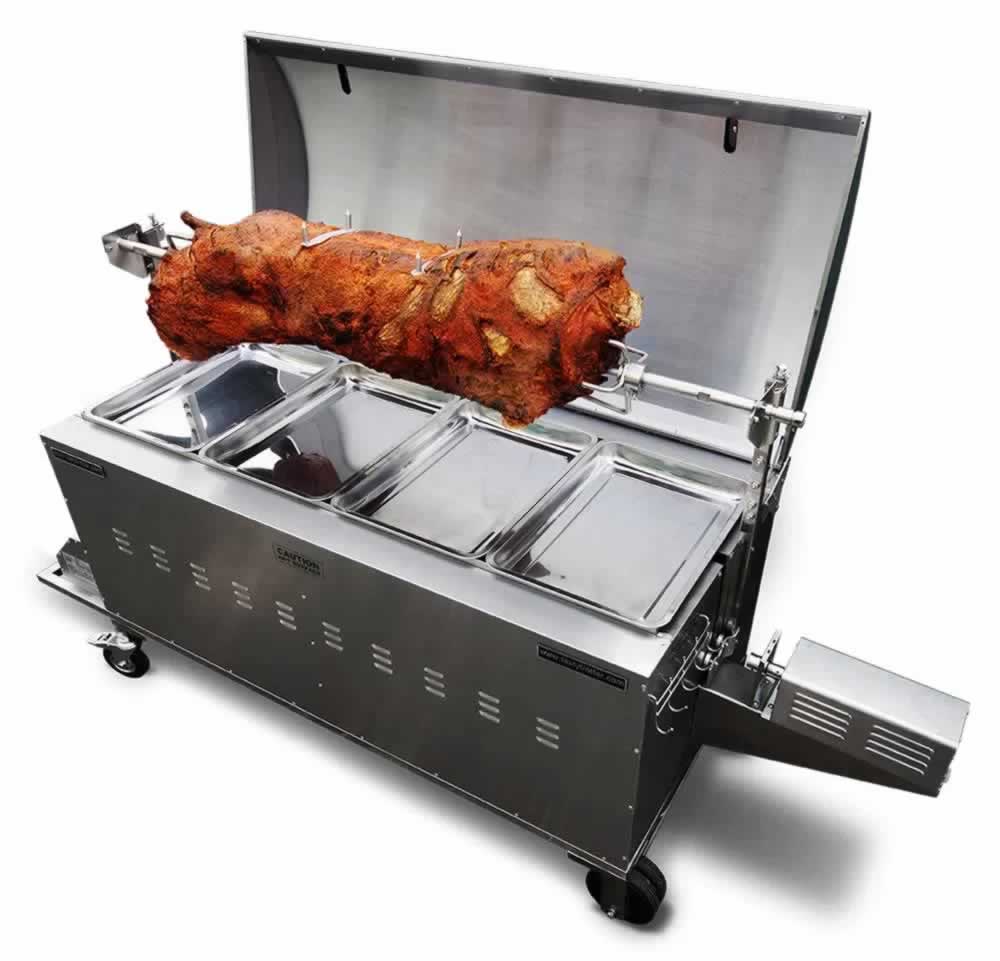
Planning an outdoor feast centred around a hog roaster can be a fantastic way to entertain. It’s a bit of an event in itself, really. Getting that perfect crispy skin and tender meat, though, isn’t always straightforward. Many people run into the same old problems, whether it’s their first time or they’ve done it a few times before. This guide is here to help you avoid those common pitfalls, ensuring your hog roast is a memorable success.
Key Takeaways
-
Pick a hog roaster that fits the size of your pig and is set up on a stable, level surface.
-
Allow the pig to reach room temperature before roasting and season it well.
-
Master the ‘low and slow’ heat method, adding coals gradually for even cooking.
-
Use a reliable thermometer to check the meat’s internal temperature for safety and doneness.
-
Always let the hog rest for at least 20-30 minutes after cooking before you start carving.
Choosing Your Hog Roaster And Pig
Getting the right gear and the best pig is step one for a top-notch hog roast. It sets the stage for everything that follows, so don’t rush it.
Selecting The Right Hog Roaster Size
Your roaster needs to fit the pig. Too small, and it’s a struggle. Too big, and you’re wasting space and heat. Think about the size of the pigs you’ll usually be roasting. For smaller events, a compact model might do. For larger gatherings, you’ll need something more substantial. Models like the PR42 are good for smaller pigs, while the PR72 can handle a much larger beast. Always check the maximum weight and length the machine can take.
-
Match roaster size to pig weight.
-
Consider your typical event size.
-
Ensure the spit rod is long and strong enough.
Picking The Perfect Pig For Roasting
Not all pigs are created equal for roasting. You want a good balance of meat and fat. A pig that’s too lean will dry out quickly. A bit of fat means more flavour and moisture. Look for a fresh, good-quality pig from a trusted source. Ask your butcher for advice. A pig around 50-60kg is a good starting point for many machines.
A well-marbled pig cooks better. Fat renders down, keeping the meat moist and adding flavour. Don’t be afraid of a bit of fat; it’s your friend here.
Essential Prep Work For Your Pig
Before it hits the spit, your pig needs a bit of attention. This makes a big difference to the final taste and texture. Get this right, and you’re halfway there.
-
Bring to room temperature: Take the pig out of the fridge at least an hour, maybe two, before cooking. Cold meat cooks unevenly.
-
Season generously: Don’t be shy with salt and pepper. Rub it all over, inside and out. You can add other herbs and spices too.
-
Score the skin: If you want crackling, score the skin carefully. This helps the heat get through and makes it crisp up nicely. Don’t cut into the meat itself.
Remember, preparation is key. A little effort here saves a lot of trouble later.
Mastering The Heat For Your Hog Roast
Understanding Low And Slow Roasting
Gentle heat is your best friend for a perfect hog roast. Rushing the process with high temperatures leads to burnt skin and undercooked meat. The ‘low and slow’ method means cooking at a consistent, moderate temperature for an extended period. This allows the tough connective tissues in the pig to break down, resulting in tender, succulent meat. For mobile caterers, this consistent heat management is key to predictable cooking times and happy clients.
Managing Your Coals For Even Heat
Achieving even heat is about coal management. Don’t pile all your coals on at the start. Instead, build a steady base and add more coals gradually as needed throughout the cooking process. This prevents hot spots and ensures the pig cooks uniformly.
-
Start with a moderate amount of charcoal.
-
Add small batches of fresh coals every hour or so.
-
Spread coals evenly around the base of the roaster.
A common mistake is adding too many coals at once, causing a sudden temperature spike. This can scorch the skin before the inside is cooked.
Adjusting Spit Height For Perfect Cooking
Most hog roasters allow you to adjust the height of the spit. This is a vital control for managing heat. If the skin is browning too quickly, raise the spit further from the coals. If it’s not crisping up, lower it.
|
Situation |
Action to Take |
|---|---|
|
Skin browning fast |
Raise the spit |
|
Skin not crisping |
Lower the spit |
|
Meat cooking slow |
Lower the spit slightly |
Regularly check the pig’s progress and make small adjustments to the spit height. This hands-on approach is what separates a good roast from a great one.
Timing Is Everything For Your Hog Roast
Allowing Meat To Reach Room Temperature
Don’t put a cold pig straight onto the spit. Take it out of the fridge at least an hour before you plan to cook. This helps it cook more evenly. Cold meat takes longer to heat through, meaning the outside could be overcooked by the time the inside is ready. For mobile caterers, this means less stress and a better-quality product for your clients.
Realistic Roasting Times For A Whole Pig
Roasting a whole pig isn‘t a quick job. Expect it to take between 6 to 8 hours, depending on the size of the pig and the heat of your roaster. Smaller pigs might be closer to 5 hours, while larger ones could take 9 or more. Always use a meat thermometer to check the thickest part of the meat – it should reach 71°C for food safety. Don’t rely on guesswork; a thermometer is your best friend here.
|
Pig Weight (kg) |
Approximate Roasting Time (Hours) |
|---|---|
|
30-40 |
5-6 |
|
40-50 |
6-7 |
|
50-60 |
7-8 |
|
60+ |
8+ |
The Crucial Resting Period Before Carving
Once cooked, don’t carve straight away. Let the pig rest for at least 20-30 minutes. This allows the juices to redistribute throughout the meat, making it much more tender and moist. Carving too soon means all those lovely juices will run out, leaving you with drier pork. For events, this short wait means you can finalise side dishes and ensure everything is ready for serving at its best.
Essential Tools For Hog Roasting Success
Getting the right gear makes all the difference. Don’t skimp on these basics.
Reliable Thermometers For Food Safety
A good thermometer is non-negotiable. It’s your best mate for both safety and taste. No guessing allowed.
-
Probe Thermometer: Stick this into the thickest part of the meat. Aim for 71°C (160°F) for safe eating. Check a few spots.
-
Infrared Thermometer: Quick checks on the surface temperature of the pig or the heat of the coals. Handy for quick adjustments.
-
Digital vs. Dial: Digital is usually quicker and more accurate. Keep spares, just in case.
Always calibrate your thermometer before you start. A dodgy reading can lead to undercooked pork or a dry roast.
Heat-Resistant Gloves And Sturdy Utensils
Protect yourself. You’re dealing with serious heat.
-
Gloves: Long, heavy-duty, heat-resistant gloves are a must. Get ones that go up your forearm.
-
Tongs: Strong, long-handled tongs for moving coals or adjusting the pig. Don’t use flimsy ones.
-
Carving Fork & Knife: A sturdy carving fork to hold the pig steady and a sharp knife for clean cuts.
-
Spit Rod & Clamps: Make sure your spit rod is strong enough for the pig’s weight and the clamps are secure. Loose meat is a disaster.
The Importance Of A Drip Tray
This bit often gets overlooked, but it’s vital.
A drip tray catches all the fat that renders off the pig. This stops fat dripping directly onto the coals. Why is that good? It prevents flare-ups, which can scorch your crackling and make the meat taste burnt. It also makes cleaning up a lot easier afterwards. Position it carefully under the pig before you start cooking.
Safety First When Using A Hog Roaster
Keeping Children And Pets At A Safe Distance
-
Designate a clear safety zone around the roaster. This stops little ones and curious pets from getting too close to the heat and moving parts.
-
Supervise children at all times. Explain the dangers of the hot machine and the fire.
-
Keep pets on a lead if they are near the event area. They can be unpredictable.
Essential Fire Safety Equipment
-
Have a fire extinguisher handy. Make sure it’s suitable for grease fires (Class B).
-
Keep a bucket of sand or water nearby. This is for smaller flare-ups or to douse stray embers.
-
Check your fuel source. If using gas, ensure all connections are secure and leak-free before lighting.
Ensuring A Stable Base For Your Roaster
-
Always set up on level ground. Uneven surfaces can cause the roaster to tip, especially when loaded with a pig.
-
Avoid soft or muddy areas. These can shift under the weight of the roaster and pig.
-
Check the roaster’s stability before lighting. Give it a gentle nudge to make sure it’s solid.
A stable setup and readily available safety gear mean you can focus on the cooking, not worry about accidents. It’s about being prepared so you can relax and enjoy the feast you’ve worked hard to create.
Keeping Your Hog Roast On Track
Regular Checks During The Roasting Process
Don’t just set it and forget it. Keep an eye on things. Consistent monitoring is key to a successful hog roast. Mobile caterers need to be efficient, so make checks part of your routine. Look for even turning. Is the meat wobbling? Are any bolts loose? A steady rotation means even cooking. This prevents hot spots and burnt bits. It also means your motor isn’t straining. A quick visual check every 30 minutes is usually enough. It saves you from bigger problems later.
Basting For Flavour And Moisture
Basting adds that extra bit of flavour and stops the meat drying out. It’s simple but makes a big difference. Use the juices that collect in your drip tray. You can add herbs or spices to this liquid too. Baste every 45 minutes to an hour. This is especially important for leaner cuts. It keeps the pork moist and tasty. For mobile caterers, this is a chance to add your signature touch. A good baste means happy customers.
Adapting To Weather Conditions
Outdoor events mean unpredictable weather. Wind can affect your heat. Rain can cool things down fast. If it’s windy, you might need to shield the roaster. Use a windbreak if possible. If it gets too hot, you might need to add coals more slowly. If it’s cold or wet, you’ll need more fuel to maintain temperature. Keep extra coals or gas handy. Being prepared for the elements means your roast stays on schedule. It stops you from having to rush the cook. This is vital for maintaining quality and food safety.
Ready to Roast?
So there you have it. Mastering the hog roast might seem like a big undertaking at first, but with a bit of planning and by keeping these common mistakes in mind, you’re well on your way to hosting a truly memorable outdoor feast. Remember, patience is key, and a little attention to detail goes a long way. Don’t be afraid to get stuck in, and most importantly, enjoy the process and the delicious results with your friends and family. Happy roasting!
Frequently Asked Questions
How can I stop the meat from burning?
The best way to avoid burning your roast is to cook it slowly over a gentle heat. Don’t pile all your coals on at the very beginning; instead, add more coals as needed throughout the cooking time to keep the heat steady. This ‘low and slow’ method is key to a perfect roast.
How do I know when the pig is fully cooked?
The most reliable way to check if your hog roast is ready is by using a meat thermometer. Insert it into the thickest part of the meat, avoiding any bones. It should register a safe temperature of 71°C (160°F) for juicy and safe-to-eat pork.
Can someone new to hog roasting manage it?
Absolutely! Even if you’ve never roasted a whole pig before, you can achieve great results by following these tips and always putting safety first. Take your time, keep a close eye on the roast, and don’t be afraid to ask for help if you need it.
My pork ended up dry. Why might that be?
Dry meat can happen for a few reasons. You might have cooked it too quickly, chosen a pig with not enough fat, or perhaps you carved into it too soon after it finished cooking. Allowing the meat to rest properly is very important.
Is it a good idea to marinate the pig?
Marinating can add extra flavour and moisture to your roast, but it’s not strictly necessary for safety. If you choose to marinate, be careful not to use too much sugar, as it can burn easily over the heat.
Do I need special types of wood or charcoal?
Standard charcoal works perfectly well for most hog roasts. If you want to add a bit more flavour, you can try adding small amounts of wood like apple or oak towards the end of the cooking. Just be sure to avoid woods that produce a lot of resin.