

What size generator do I need?
Add the kit you will run on your van, trailer or stall and the calculator works out your running watts, the biggest start-up surge and a sensible generator size with headroom. It then shows the LPG, petrol and battery options we stock at that size, with live prices.
- 1Add your appliances
- 2Read your size
- 3Pick a generator that fits
Start from a typical setup, then adjust:
Cooking (electric)
- Electric fryer, single tank (3 kW)3,000 W running
- Electric fryer, twin tank (2 x 3 kW)6,000 W running
- Electric griddle (3 kW)3,000 W running
- Contact grill / panini press2,000 W running
- Induction hob, single zone3,000 W running
- Electric pizza oven, single deck3,000 W running
- Crepe maker, single plate3,000 W running
- Waffle maker1,500 W running
- Commercial toaster (4 slice)2,200 W running
- Commercial microwave (1,000 W output)1,500 W running
- Hot dog roller grill1,000 W running
- Popcorn machine1,400 W running
- Candy floss machine1,000 W running
- Gas fryer, griddle or oven (ignition and fan only)30 W running
Keeping food hot
- Bain marie (wet well)1,200 W running
- Hot cupboard1,500 W running
- Heat lamp / food warmer500 W running
- Soup kettle (10 litre)400 W running
Hot and cold drinks
- Espresso machine, 1 group2,000 W running · +300 W to start
- Espresso machine, 2 group3,000 W running · +300 W to start
- Coffee grinder400 W running · +800 W to start
- Water boiler / urn (20 litre)3,000 W running
- Kettle (3 kW)3,000 W running
- Blender / smoothie maker1,000 W running · +1,000 W to start
- Slush machine (2 bowl)800 W running · +1,600 W to start
Fridges, freezers and ice cream
- Under-counter fridge150 W running · +300 W to start
- Upright fridge, single door300 W running · +600 W to start
- Under-counter freezer200 W running · +400 W to start
- Chest freezer150 W running · +300 W to start
- Drinks display chiller300 W running · +600 W to start
- Soft-serve ice cream machine (countertop)1,500 W running · +2,500 W to start
- Ice maker400 W running · +800 W to start
Lights, till and everything else
- LED lights (per 50 W)50 W running
- Card machine (charging)10 W running
- Till / EPOS tablet60 W running
- Phone or tablet charger20 W running
- Speaker / music100 W running
- Extraction or canopy fan250 W running · +500 W to start
- Water pump (230 V)300 W running · +600 W to start
- Hand-wash water heater (under-sink)2,000 W running
- Fan heater (2 kW)2,000 W running
Your own items
Not listed? Add your own
Figures are typical for UK catering kit. Your own appliance's data plate is the final word: volts x amps = watts (230 V x 13 A = 2,990 W).
Typical generator sizes at a glance
| Setup | Running | Start-up peak | Suggested generator |
|---|---|---|---|
| Coffee cart (1-group espresso, grinder, fridge, lights, card machine) | 2,610 W | 3,410 W | 3,500 W |
| Burger van cooking on gas (bain marie, fridge, freezer, fan, lights) | 1,940 W | 2,440 W | 2,500 W |
| Trailer with one 3 kW electric fryer | 4,710 W | 5,210 W | 5,900 W |
| Chip van with a twin-tank electric fryer | 7,710 W | 8,210 W | 9,700 W |
| Market stall with lights and a card machine | 130 W | 130 W | 200 W |
| Ice cream van (soft-serve machine, chest freezer) | 1,760 W | 4,260 W | 4,300 W |
| Crepe and waffle stall | 4,760 W | 5,060 W | 6,000 W |
| Event bar with two chillers and an ice maker | 1,370 W | 2,170 W | 2,200 W |
Typical figures for guidance only; use the calculator for your own kit.
Generators that fit
Add your kit above to see matching generators, or browse by running power:
Noise figures are the makers' own, measured at 7 metres. Generators without a stated 7 m figure are left out while a noise filter is on. Some makers measure at ¼ load, which reads quieter than a busy generator; those figures are marked “at ¼ load”. Power stations have no engine; their makers quote about 30 dB without a distance, so they are shown but not filtered.
LPG and dual-fuel (petrol or LPG)
Petrol
Portable power stations (battery, silent)
Runtime = battery Wh ÷ your running watts, roughly. Best for lights, tills, card machines and small fridges.
Running on battery? Our power station calculator works out the watt-hours you need for your fridge, lights, till and laptop, and how long each unit lasts.
Diesel
That is more than any single generator we stock. Split the load across two generators, move the biggest electric items (fryers, griddles, urns) to gas, or talk to us on 01923 559 077 about a larger set.
Browse the full ranges: LPG generators · dual-fuel · inverter · portable power stations · all generators
Generators we stock for mobile catering
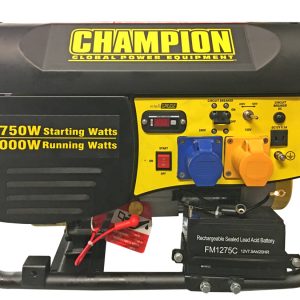
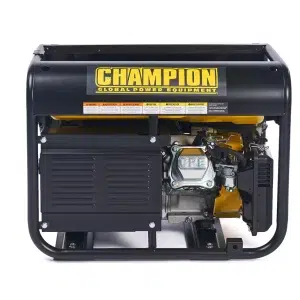


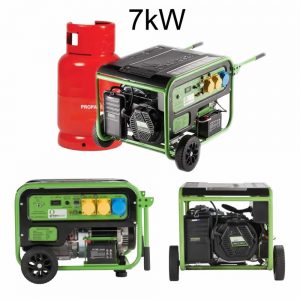
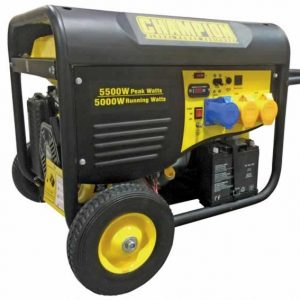
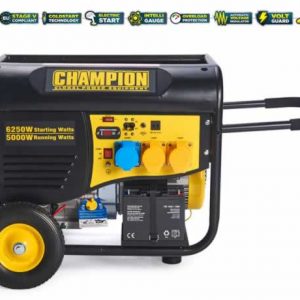
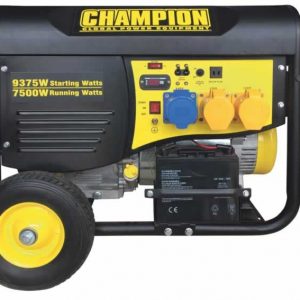
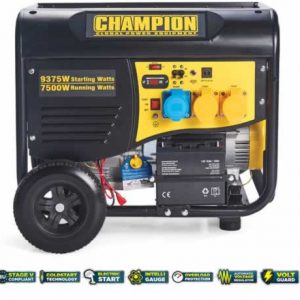
Champion 8000 Watt Petrol Generator Remote Start CPG9000E2
£1,099.99 inc VAT · free delivery over £200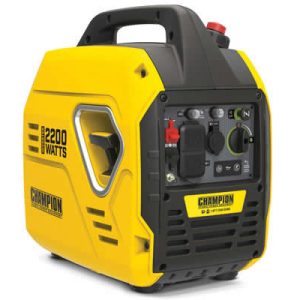
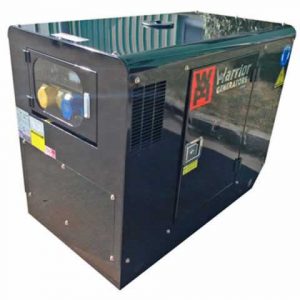
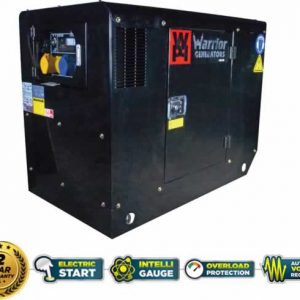
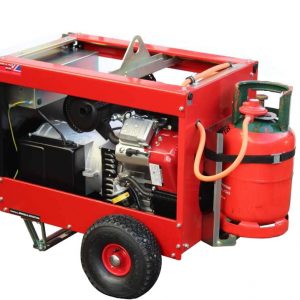
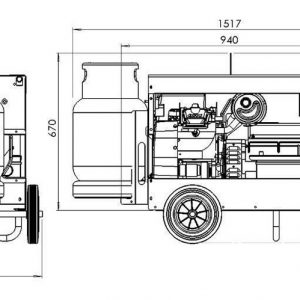
LPG Generator 12.5kVA GCE12000VL Electric Start Vanguard
£2,758.00 inc VAT · free delivery over £200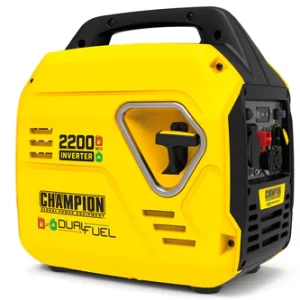
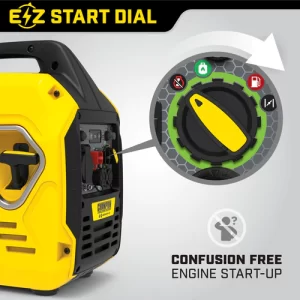
Champion 92001I-DF 2200 Watt Dual Fuel Inverter Generator
Original price was: £529.99.£499.99Current price is: £499.99. inc VAT · free delivery over £200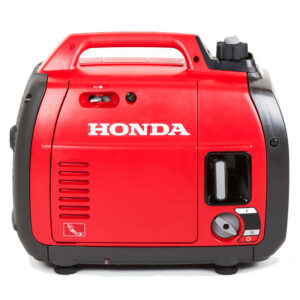
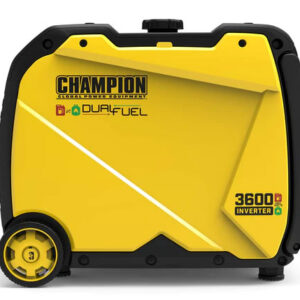
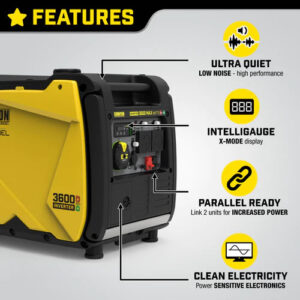
LPG Dual Fuel Inverter Generator 3600 Watt 500988-DF-UK
£999.99 inc VAT · free delivery over £200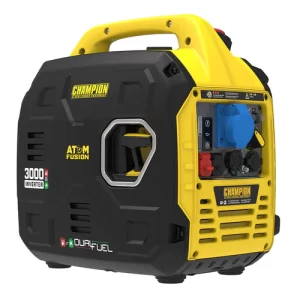
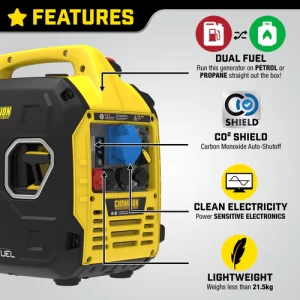
LPG Dual Fuel Inverter Generator 3000 Watt 93001l-DF-UK
£749.99 inc VAT · free delivery over £200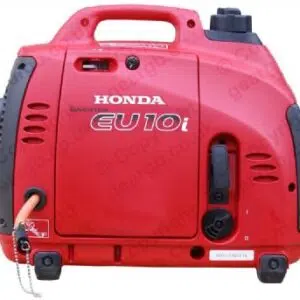
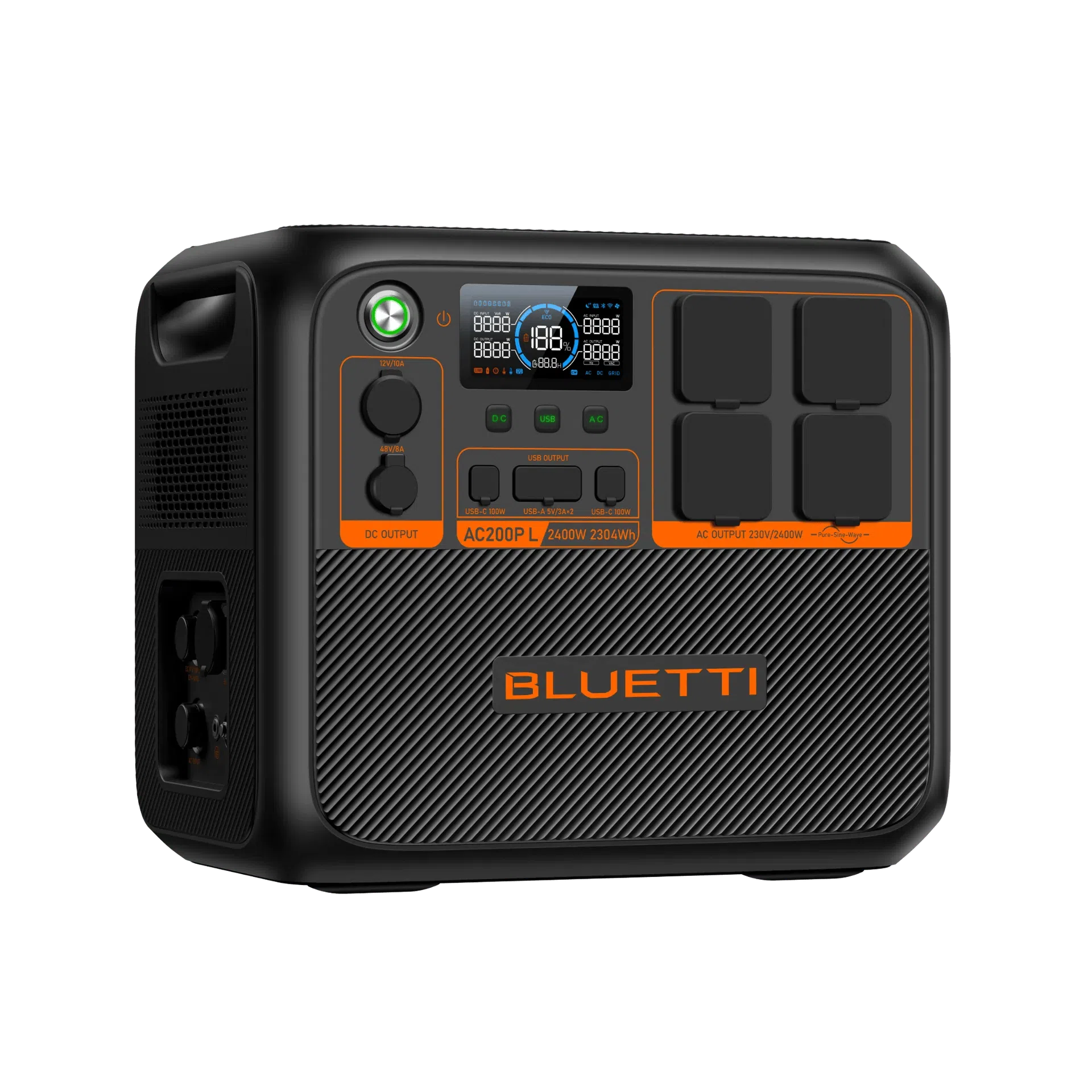
BLUETTI AC200PL Portable Power Station 2400W Fast Charge 1.5Hr
£1,449.00 inc VAT · free delivery over £200

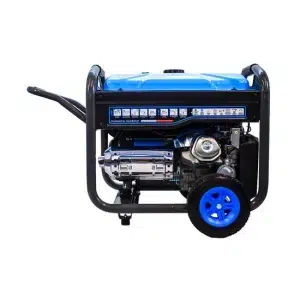
Gorilla Power GP6500DF Dual‑Fuel Generator 6.5kW Petrol/LPG
£895.00 inc VAT · free delivery over £200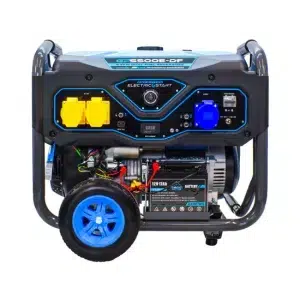
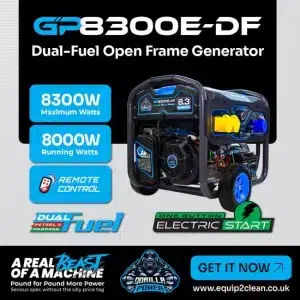
Gorilla Power GP8300E-DF Dual‑Fuel Generator 8.3kW Petrol/LPG
£1,035.00 inc VAT · free delivery over £200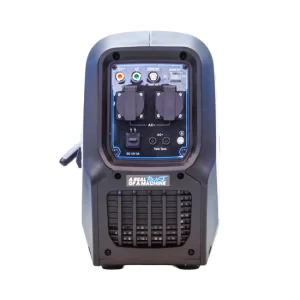
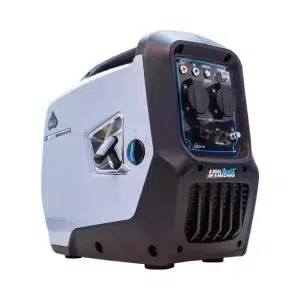
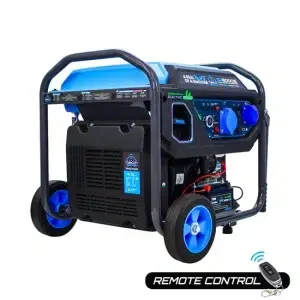
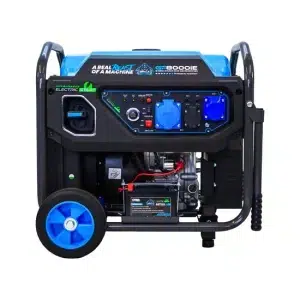
Gorilla Power GP8000iE High Performance Generator 8000W Petrol
£1,299.00 inc VAT · free delivery over £200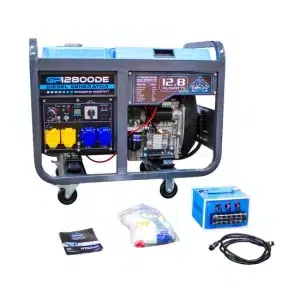
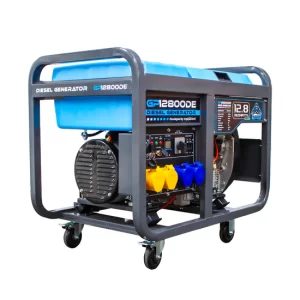
Gorilla Power GP12800DE High Performance Generator 12000W Diesel
£2,995.00 inc VAT · free delivery over £200


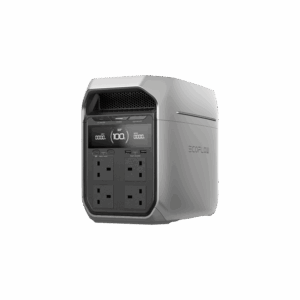
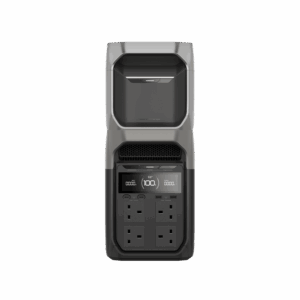
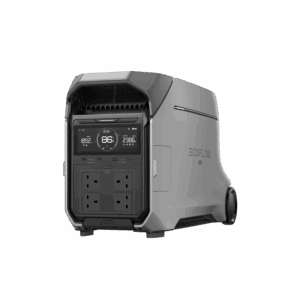
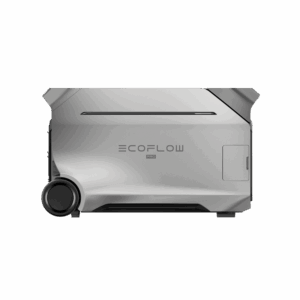
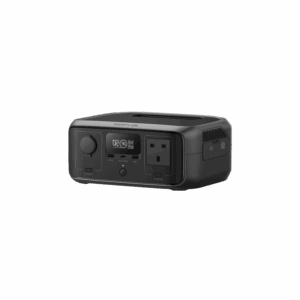
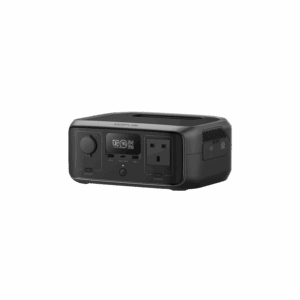
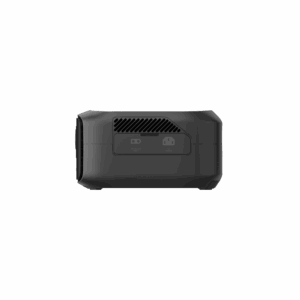


BLUETTI Premium 100 V2 Portable Power Station | 1,800W 1,024Wh
£570.00 inc VAT · free delivery over £200

LPG/Petrol Generator GB4000HL 3.75kVA Honda GX200 Dual Fuel
£889.00 inc VAT · free delivery over £200
LPG/Petrol Generator GB5000HL 5kVA Honda GX270 Dual Fuel
£1,353.00 inc VAT · free delivery over £200
LPG/Petrol Generator GB8000HL 7.5kVA Honda GX390 Dual Fuel
£1,604.00 inc VAT · free delivery over £200

LPG Generator 12.5kVA GB12000HL AS Auto-Start Honda GX690
£4,421.00 inc VAT · free delivery over £200

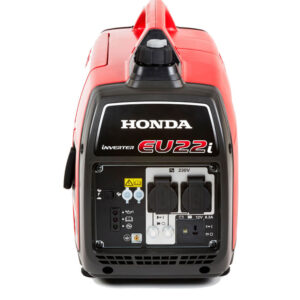
LPG Dual Fuel Honda EU22i 2.2kw Inverter Generator (Door Mount Kit)
£1,419.00 inc VAT · free delivery over £200

How to size a generator for catering
Running watts vs starting watts
Running watts are what an appliance draws once it is going. Starting watts are the short extra burst a motor needs to get moving. Add up all your running watts, then add only the single biggest starting surge, because appliances rarely all start in the same second. That gives your start-up peak.
Then leave about 25% headroom on the running figure. A generator run flat out all day runs hot, uses more fuel and trips when a fridge kicks in.
Why fridges and compressors surge
Fridges, freezers, ice cream and slush machines, ice makers, pumps and fans use induction motors. Starting one takes two to three times its running power for a second or two, every time the thermostat switches the compressor back on. A 150 W fridge can briefly pull 450 W. That is why a list of small items can still trip an undersized generator.
Gas appliances need very little power
A gas griddle, fryer, oven or hob only needs electricity for its ignition spark, controls or a fan, usually under 50 W. Heating with electricity is what uses the watts: one 3 kW fryer draws as much as a hundred LED lights. Cooking on gas and keeping electrics for fridges, lights and the till is the simplest way to get by with a smaller, quieter generator.
Inverter, AVR or open-frame?
| Type | Best for |
|---|---|
| Inverter | Card machines, tills, tablets, coffee machines and anything with a circuit board. Clean power, quiet, economical at part load. |
| Open-frame with AVR | Heavier loads like fryers, urns and hot cupboards. AVR keeps the voltage steady; still fine for most electronics. |
| Portable power station | Silent, fume-free power for lights, card machines and small fridges. Limited by battery size. |
LPG, petrol or battery?
LPG runs clean, stores without going stale and can share the gas supply your cooking already uses. On dual-fuel models expect around 10% less output on LPG than on petrol; the LPG figure is the one shown in our product captions where the spec gives it. Petrol inverters are the lightest to carry. Power stations suit small, quiet loads and indoor markets where engines are not allowed.
Generator and LPG safety
Run a generator outdoors only, well away from serving hatches, doors and vents, never inside the unit; keep LPG cylinders upright and in a ventilated space, and fit a CO alarm in the van.
Please read: this calculator is a guide
- Results are estimates based on typical wattages and the details you enter. Real appliances, start-up surges, temperature, altitude, generator condition and fuel type all vary; dual-fuel generators give less power on LPG than on petrol.
- Always check the data plate or manufacturer’s specification of your appliances and of the generator you choose.
- This is not a substitute for advice from a qualified electrician. Gas appliances and LPG supplies must be installed and connected safely by a Gas Safe registered engineer.
- Product figures come from manufacturers’ published specifications and can change. Check the product page before ordering.
- Not sure? Call 01923 559 077 or use the chat and we’ll check your list before you buy.
The calculator is provided as a free guide. MobCater cannot accept responsibility for decisions based only on its estimates. This does not affect your statutory rights.
Frequently asked questions
What size generator do I need for a food truck?
A food truck that cooks on gas and runs a couple of fridges, a bain marie, LED lights and a card machine usually needs 2 to 3 kW of running power. Add a 3 kW electric fryer or griddle and you need around 5 to 6 kW. A twin-tank electric fryer draws 6 kW on its own, so an all-electric chip van typically needs a 10 to 12 kW generator. Add your own kit to the calculator above for an exact figure.
Can a 2kW generator run a coffee machine?
Only a very small one. A one-group commercial espresso machine typically draws around 2 kW while its boiler heats, and a 2 kW generator usually delivers only about 1.7 to 1.8 kW continuously. Add a grinder, which surges when it starts, plus a fridge and a card machine, and a coffee cart needs about 3.5 kW. Plan on 4 to 5 kW for a two-group machine. Check the data plate on your own machine.
What is the difference between running watts and starting watts?
Running watts are the steady power an appliance uses once it is going. Starting watts are the extra burst a motor or compressor needs for a second or two as it starts, often two to three times its running figure. Size a generator so its running rating covers all your running watts with about 25% to spare, and its maximum covers your running total plus the single biggest starting surge.
Do LPG generators give less power than petrol?
On dual-fuel generators, usually a little. The LPG rating is typically about 10% lower: our 3,000 W dual-fuel inverter gives 2,800 W running on petrol and 2,520 W on LPG. Dedicated LPG generators are rated on gas, so the figure on the spec is what you get. LPG burns cleaner than petrol, does not go stale in storage and is often the same gas that already runs your griddle or fryer.
How long will a gas bottle run an LPG generator?
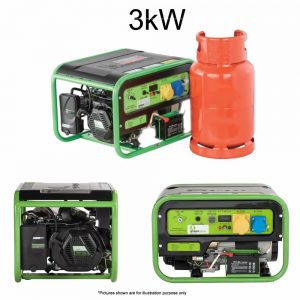
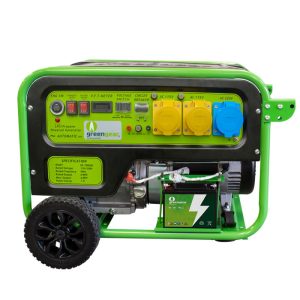
Gas use rises with load. A 3 kW Greengear LPG generator runs for about 15 hours on a 9 kg cylinder at half load. A 5.2 kW GearGB GB8000HL uses roughly 1.8 kg of LPG an hour at full output, so a 19 kg cylinder lasts about 10 hours. Many caterers fit two cylinders with an automatic changeover valve, so the generator switches to the full bottle when the first one runs out.
Can I run a card machine or till from a generator?
Yes, as long as the power is clean. Card machines, tills and tablets draw only 10 to 60 W, but their chargers do not like the voltage swings that basic generators can produce. Use an inverter generator or one with automatic voltage regulation (AVR). A portable power station is the quiet alternative: a 245 Wh EcoFlow RIVER 3 can charge a card machine and a phone for around seven hours.