

The Ultimate Guide to Choosing a Portable Sink No Plumbing UK for Your Events

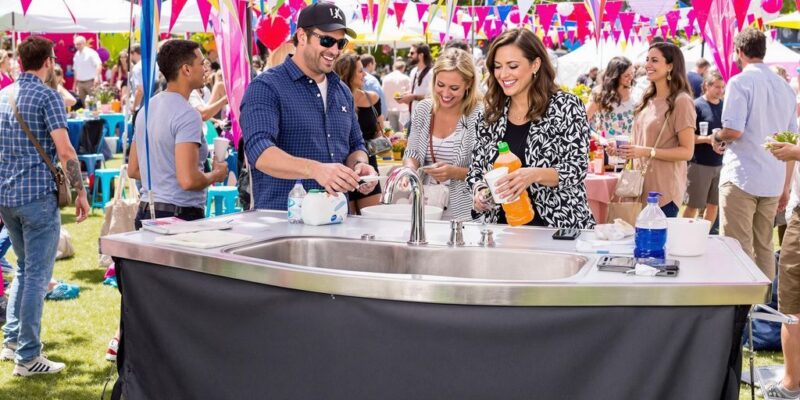
Running a mobile catering operation in the UK without mains water means you need a portable sink that works entirely off its own supply — no plumbing connection, no drainage hookup, just fill the tank, plug it in or pump it manually, and you have a fully functional wash station wherever you pitch up. Whether you’re trading from a converted van at a weekend market or running a catering tent at a private event, a self-contained portable sink is what stands between you and a failed food hygiene inspection.
The term “portable sink no plumbing” covers a range of units from basic gravity-fed basins costing under £50 to fully self-contained mobile wash stations with electric pumps, water heaters, and integrated waste tanks costing £300-800. What you need depends on whether you’re equipping a food preparation area (where regulations are stricter) or providing customer or public handwashing at an event, and whether you need hot water or ambient temperature is acceptable for your use case.
Types of Portable Sink Without Plumbing
The simplest portable sink is a gravity-fed unit: a container of clean water mounted above a basin with a push-tap or spigot, draining into a waste bucket below. These need no power, no pump, and no plumbing — just fill the top tank and empty the waste container periodically. They’re lightweight, cheap, and adequate for basic handwashing at market stalls or as a secondary wash point in a larger setup. The main limitation is water pressure — gravity feed produces a gentle trickle rather than a proper flow, which makes them less effective for washing equipment or scrubbing hands thoroughly.
Electric pump portable sinks use a 12V or 240V pump to deliver water from an internal tank through a standard tap, giving you proper water pressure comparable to a domestic sink. These are the preferred choice for mobile catering because they meet environmental health expectations for running water at adequate pressure. Most units include a 20-40 litre fresh water tank, a matching waste tank, and a basin with a conventional mixer tap. The pump activates automatically when you open the tap, giving a natural feel that’s functionally identical to a plumbed-in sink.
At the top end, fully self-contained mobile sink units integrate a water heater (either electric or propane-fired), a pump, fresh and waste tanks, and sometimes a soap dispenser and paper towel holder into a single wheeled unit. These are designed for professional catering operations, event hire companies, and any situation where you need a complete wash station that can be positioned anywhere and operational within minutes. If the unit includes a propane water heater, it must be included on your CP44 gas safety certificate when used in a mobile catering context.
Legal Requirements for Mobile Catering in the UK
UK food hygiene regulations under Regulation (EC) 852/2004 (retained in UK law post-Brexit) require every food business to provide adequate facilities for washing food, equipment, and hands. For mobile caterers without mains water, this means at minimum two separate sinks: one dedicated handwash basin used exclusively for hand washing (with soap and paper towels), and one sink for washing food and equipment. A single portable sink cannot legally serve both purposes in a food preparation environment.
The water supply must be potable (safe to drink) and available in sufficient quantity for the duration of your trading session. Environmental health officers will check that your fresh water tank is filled from a potable source and that your waste water is contained in a sealed tank — never discharged onto the ground. If your portable sink provides hot water via a propane heater, this appliance must be covered by your CP44 gas safety certificate alongside your cooking equipment.
For non-food events — such as providing public handwashing at an outdoor gathering, festival, or corporate function — the regulatory requirements are less prescriptive, but the Health and Safety at Work Act still requires adequate welfare facilities. A portable sink with clean running water, soap, and drying facilities meets this requirement without any plumbing infrastructure.
Water Capacity and Tank Sizing
Sizing your portable sink’s water tank correctly prevents the two worst scenarios: running dry mid-service (which means you must stop trading until you refill) or carrying so much water that the unit becomes impractical to move. Water weighs 1kg per litre, so a 40-litre fresh tank adds 40kg before you account for the waste tank and the unit itself.
For a dedicated handwash station in a mobile catering van, a 10-20 litre fresh tank is typically sufficient for a single operator over a 4-5 hour session. Each handwash uses 200-300ml, giving you 30-100 washes depending on tank size. For a food and equipment washing sink, you need significantly more water — a 30-40 litre tank is the practical minimum for washing utensils, chopping boards, and prep surfaces through a busy service. Always carry at least one spare container of potable water for refills, especially during summer events where hand washing frequency increases.
Waste tank capacity must match or exceed your fresh water capacity. A 20-litre fresh tank paired with a 15-litre waste tank means you’ll need to empty waste before your fresh water runs out — an inconvenience during service that often leads to waste water being dumped improperly. Match your tank sizes and you eliminate this problem.
Hot Water Options
Environmental health officers expect warm water for handwashing in mobile catering settings. While no specific temperature is mandated, water needs to be warm enough to effectively remove grease and food residue — typically around 35-45°C. For a portable sink with no plumbing, you have three main options for delivering warm water.
Pre-heating is the simplest: fill your fresh water tank with pre-warmed water from a kettle or urn before service. This costs nothing extra and works well for sessions under 3 hours, but the water gradually cools. Insulating your tank with a neoprene wrap or similar material extends the warm period significantly. A 12V or 240V electric inline heater is the second option — these compact units heat water as it flows through, drawing 100-300W depending on the model. They’re reliable and add minimal complexity, but need either a leisure battery or mains hook-up. The third option is a propane instant water heater, which delivers consistently hot water regardless of session length and doesn’t depend on electrical power, but adds a gas appliance to your CP44 certificate and increases propane consumption.
Choosing the Right Unit for Your Setup
For a solo mobile caterer working from a van at markets and events, the most practical setup is two portable sinks: a compact 10-litre gravity-fed or foot-pump handwash unit dedicated to hand washing, and a larger 30-litre electric pump sink for food and equipment washing. This meets all regulatory requirements, fits within the space constraints of a standard catering van, and gives you enough water capacity for a full trading session without multiple refills.
For event hire and temporary catering setups — festival food stalls, wedding catering, corporate events — wheeled self-contained units with 40+ litre tanks and integrated heaters are the better choice. They can be positioned anywhere on site, moved between locations between events, and provide a professional appearance that matches the quality expectations of higher-end clients. Look for units with lockable castors (so they don’t roll during use), a splashback behind the basin, and an easily accessible waste drain valve for quick emptying between sessions.
For public handwashing stations at events (not food preparation), a simple gravity-fed multi-station unit with a large top tank and several taps is the most cost-effective solution. These can serve dozens of people per hour with minimal supervision — just ensure they’re stocked with soap and paper towels and the waste container is emptied regularly.
Maintenance and Hygiene
Clean your portable sink thoroughly after every use. Drain both fresh and waste tanks completely, then wipe the basin, taps, and all surfaces with food-safe sanitiser. Rinse the fresh water tank with clean water to prevent bacterial growth — standing water left in a tank between events becomes a breeding ground for legionella and other waterborne bacteria, especially in warm weather. If the unit won’t be used for more than 48 hours, drain it completely and leave the tank open to air dry.
Check pump seals, hose connections, and tap washers monthly for leaks or deterioration. A leaking waste connection means contaminated water pooling under or around your unit — a hygiene hazard that inspectors will flag immediately. Descale taps and heating elements quarterly if you’re operating in a hard water area. Store the unit clean, dry, and with tanks empty between events. Before each use, fill the fresh tank from a known potable water source and run the pump for 10-15 seconds to flush any residual stale water from the lines before making the sink available for use.
Frequently Asked Questions
Do I need a portable sink for a mobile catering van in the UK? Yes. UK food hygiene regulations require at least two sinks in any food preparation environment: one dedicated handwash basin and one for food and equipment washing. If your van doesn’t have plumbed-in sinks, portable self-contained sinks that provide running water from their own tanks are the standard solution for meeting this requirement.
What size portable sink do I need for outdoor catering? For handwashing, a 10-20 litre tank is sufficient for a single operator over a 4-5 hour session. For food and equipment washing, a 30-40 litre tank is the practical minimum. Always carry spare potable water for refills, and ensure your waste tank capacity matches or exceeds your fresh water tank.
Does a portable sink need hot water for food hygiene compliance? Environmental health officers expect warm water for handwashing — typically 35-45°C. While no specific minimum temperature is legally mandated, cold water alone doesn’t effectively remove grease. Options include pre-heating water before service, a 12V inline electric heater, or a propane instant water heater (which must be included on your CP44 gas safety certificate).
Can I use a portable sink at an outdoor event without any permits? For public handwashing at non-food events, you generally don’t need specific permits for the sink itself, though the event may require overall health and safety compliance. For food service, you must be registered as a food business with your local authority and meet all food hygiene requirements including adequate washing facilities — your portable sink is part of meeting those requirements.
How do I keep water fresh in a portable sink between events? Never leave water standing in the tank between events. Drain both fresh and waste tanks completely after each use, rinse the fresh tank with clean water, and leave it open to air dry. Before each event, fill from a potable water source and flush the lines for 10-15 seconds before use. In warm weather, standing water can develop harmful bacteria within 24-48 hours.
What’s the difference between a portable sink and a handwash unit? A handwash unit is a specific type of portable sink designed exclusively for hand washing — it’s typically smaller (10-20 litres), with a compact basin and often a foot pump or knee-operated tap to allow hands-free operation. A portable sink is a broader term covering any self-contained wash station, including larger units suitable for food and equipment washing. For mobile catering compliance, you need both: a dedicated handwash unit and a separate sink for food and equipment.


