
Discover the Perfect Hog Roaster for Your Next Outdoor Feast


Planning an outdoor feast that will impress your guests? A hog roaster might just be the centrepiece you need. Whether you’re hosting a large event or a backyard get-together, the right hog roaster can make all the difference. This guide will help you pick the perfect machine and get you started on roasting like a pro. Get ready for a truly memorable meal.
Key Takeaways
-
When selecting a hog roaster, consider the different styles available, the specific features that will make roasting easier, and the capacity needed for your event size.
-
Proper preparation of the pig, achieving perfectly crispy skin, and understanding roasting techniques and timings are vital for a successful hog roast.
-
Charcoal is a popular fuel choice for hog roasters, offering a distinct flavour, and managing fuel is important for longer cooking times.
-
Regular cleaning and maintenance of your hog roaster, particularly the motor, will help to ensure its longevity and consistent performance.
-
A hog roaster is incredibly versatile, suitable for large events and gatherings, and can also be used for roasting other meats and exploring different cooking styles.
Choosing Your Ideal Hog Roaster
.jpg)
Selecting the right hog roaster is key for any outdoor event, especially for mobile caterers. It needs to be reliable, efficient, and capable of handling the job.
Understanding Different Hog Roaster Styles
There are several ways to roast a whole pig, from traditional methods like burying it to modern motorised spits. For professional use, motorised rotisseries over charcoal are popular. They offer even cooking and a fantastic smoky flavour. Some machines even hold the pig in a basket or use a cage, making preparation simpler. For caterers, a unit that’s easy to transport and set up is a must. Think about whether you need a portable patio model or a trailer-mounted unit for larger events. A trailer offers more mobility than a pit in the ground, which is a big plus for mobile catering.
Key Features for Effortless Roasting
Look for features that make your life easier. An automatic, motorised spit is a game-changer; it means no constant turning and ensures even cooking. Easy-access trays for collecting fat simplify cleaning. Adjustable spit heights are also useful, catering to different meats and cooking styles. Durability is paramount – you need a machine that can withstand frequent use and high temperatures. Stainless steel frames offer strength and longevity. Low maintenance is also a bonus, with removable spit poles and drip trays making cleaning quick and simple.
Size Matters: Selecting the Right Capacity
Capacity is vital. For a typical event, a pig weighing between 45-90 lbs live weight is often ideal. A good rule of thumb is to plan for about 2 lbs of live weight per person. For example, a 45 lb pig can feed around 20 people. Smaller pigs might cook too quickly and dry out, while larger ones (over 90 lbs) need longer cooking times and more attention to roast evenly. Consider the age of the pig too; younger, milk-fed piglets tend to yield more tender and juicy meat. Older pigs can be tougher and their skin might not crisp up as well.
Choosing the right size means less waste and happier customers. It’s about balancing crowd size with cooking efficiency.
Mastering the Art of Hog Roasting
Preparing Your Pig for the Spit
Getting the pig ready is half the battle. Proper preparation means a better roast and less hassle on the day. For a whole pig, keep the sides intact. Only slit the belly for cleaning. Tuck the rear legs under the belly, pointing them towards the head. This keeps everything neat and tidy on the spit. For mobile caterers, this neatness translates to easier transport and setup. Remember, a well-prepared animal cooks more evenly.
Achieving Crispy Skin Perfection
Crispy skin is the hallmark of a great hog roast. Start with moderate heat and gradually increase it. Pricking the skin all over helps the fat render out, leading to a crispier finish. Generous salting also draws out moisture, which is key. Some chefs even pour hot, salted water over the skin just before grilling to tighten it up. Protect the ears and tail with foil as they burn quickly. A final blast of heat near the coals puffs up the skin beautifully – just don’t let it burn!
Essential Roasting Techniques and Timings
Cooking times vary, but a good rule of thumb for a pig is 4-6 hours, and for lamb, 3-5 hours. Start with the spit about 20-24 inches from the coals. Using hardwoods like oak or beech provides a steady heat. Ensure your spit motor is robust enough to handle the weight of the animal. For mobile catering, consistent heat management is vital. This means having enough fuel ready and knowing how to manage the fire throughout the cook. Resting the meat for 10-15 minutes before carving is a must for juicy results. For pigs, carve the legs and shoulders first, then the ribs and neck. Lamb is best sliced from the legs and ribs, with shoulders divided. Serving with classic sides like fresh onions and potato salad for pork, or spring onions and cucumber salad for lamb, completes the feast.
Fuelling Your Hog Roaster
The Benefits of Charcoal Roasting
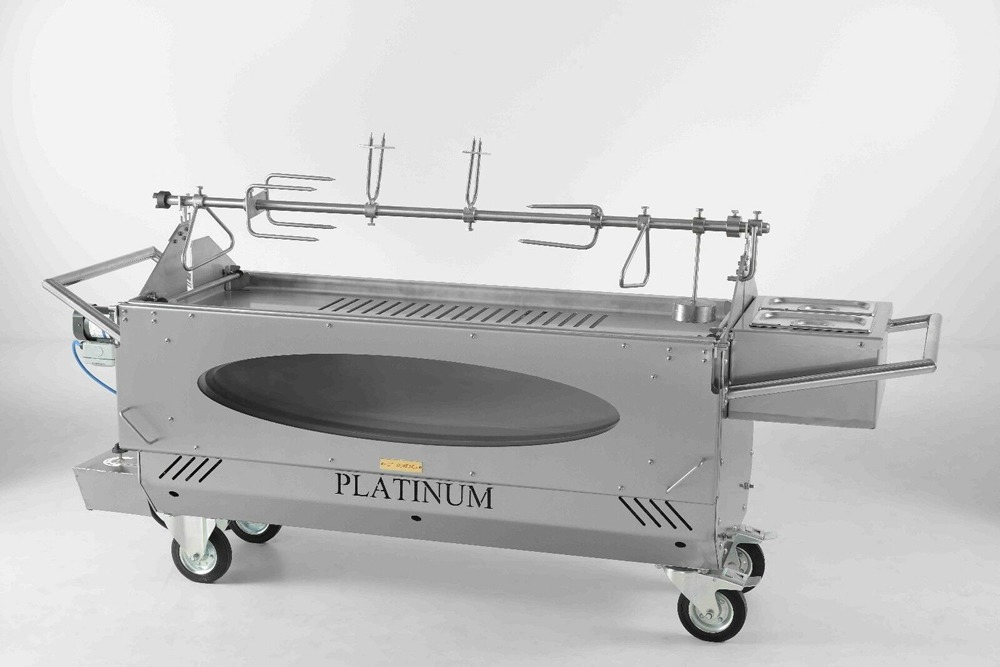
Charcoal offers a classic flavour that electric or gas just can’t match. It gives that authentic smoky taste that guests expect from a hog roast. For mobile caterers, charcoal is often the most practical and cost-effective fuel. It’s readily available, easy to transport, and doesn’t rely on a constant power supply, making it ideal for outdoor events and locations.
-
Superior Flavour: Imparts a rich, smoky depth to the meat.
-
Portability: No need for gas bottles or mains power.
-
Cost-Effective: Generally cheaper than gas for long cooks.
-
Authenticity: Delivers the traditional hog roast experience.
Managing Fuel for All-Night Cooks
Cooking a whole hog takes time, often many hours. Keeping the fire going consistently is key to a perfectly cooked, tender result. For long cooks, you need a fuel strategy.
-
Charcoal Type: Lumpwood charcoal burns hotter and faster, while briquettes offer a more consistent, longer burn. For an all-night cook, briquettes are usually the better choice.
-
Fuel Loading: Don’t overload the firebox at the start. Add charcoal gradually throughout the cook. A good method is to add a fresh batch of coals to one side of the firebox every hour or so, allowing them to ash over before spreading them. This maintains a steady temperature without creating flare-ups.
-
Temperature Control: Learn your roaster’s hot spots. Adjusting the distance between the coals and the meat, or the vents on your roaster, helps manage heat. Some professional units have adjustable spit heights for this reason.
For extended cooking, aim to keep a bed of glowing embers rather than large, flaming logs. This provides a more stable and controllable heat source, preventing the meat from cooking too quickly or unevenly. Always have extra fuel ready to hand, but add it in stages.
Example Fuel Management:
For a 10-hour cook on a 100kg pig:
|
Time (Hours) |
Charcoal Added (kg) |
Notes |
|---|---|---|
|
0-2 |
5 |
Initial heat-up and pig placement |
|
2-8 |
1.5 (every 2 hours) |
Gradual addition to maintain temperature |
|
8-10 |
1 (at hour 8) |
Top-up for final cooking phase |
This is a rough guide; actual amounts depend on roaster efficiency, ambient temperature, and wind conditions. Always have more fuel than you think you’ll need. Safety first: keep water or a fire extinguisher nearby, and never leave a lit roaster unattended.
Maintaining Your Hog Roaster
Keeping your hog roaster in top condition means it’ll be ready for any event and last for years. For mobile caterers, reliability is key. A well-maintained machine means fewer breakdowns and happier clients.
Simple Cleaning for Longevity
After each use, a good clean is vital. This stops grease and food bits from building up, which can affect flavour and even cause issues later on. It’s not a massive job, but doing it right makes a big difference.
-
Remove Ash: Once cool, tip out all the ash and old charcoal. A stiff brush helps clear any residue.
-
Clean Drip Tray: This catches all the fat. Remove it and wash it thoroughly with hot, soapy water. A clean tray prevents flare-ups and makes the next cook cleaner.
-
Wipe Down: Use a damp cloth to wipe down the exterior and interior surfaces. For stubborn bits, a mild degreaser can work wonders.
-
Check Grates: Ensure all cooking grates are free from debris. A quick scrub with a wire brush usually does the trick.
Regular cleaning isn’t just about looks; it’s about performance and safety. It stops rust and keeps everything working smoothly, which is a lifesaver when you’re on a tight schedule at a busy event.
Ensuring Motor Durability
If your roaster has a motor for the spit, keeping it in good shape is important. A reliable motor means even cooking, no matter how long the roast takes. Check the motor’s manual for specific care instructions, but generally:
-
Keep it Dry: Protect the motor unit from rain and excessive moisture. Cover it when not in use.
-
Lubrication: Some motors may require occasional lubrication. Check the manufacturer’s advice. Use only the recommended type of lubricant.
-
Inspect Cables: Ensure power cables are not frayed or damaged. Replace any worn cables immediately for safety.
-
Listen for Issues: Pay attention to any unusual noises. Grinding or squealing could mean the motor needs attention or is nearing the end of its life. Early detection can save you from a costly repair mid-service.
A well-maintained motor ensures consistent rotation, leading to perfectly cooked meat every time. For caterers, this means predictable results and satisfied customers. Don’t forget to check the spit itself for any bends or damage, as this can put extra strain on the motor. You can find cleaning a roaster guides online that offer more detailed steps for specific models.
The Hog Roaster for Every Occasion
Perfect for Large Gatherings and Events
Got a big event coming up? A hog roaster is your secret weapon. Think weddings, festivals, or big birthday bashes. It’s the centrepiece that gets everyone talking. Mobile caterers, take note: this is how you impress.
-
Handles crowds with ease. Serve up to 100 guests from one pig.
-
Creates a real buzz. The sight and smell draw people in.
-
Efficient serving. Easy access for dishing out portions.
This machine turns any event into a memorable feast. For mobile caterers, it’s a game-changer. It’s not just about cooking; it’s about the show.
Remember to factor in pig size versus guest numbers. A good rule of thumb is 1lb of pig per person. This accounts for bone and shrinkage during cooking.
Bringing the Feast to Your Backyard
Don’t think hog roasters are just for huge events. They’re brilliant for family get-togethers too. Imagine a Sunday roast with a difference, or a summer garden party that everyone talks about for weeks. It’s simpler than you think.
-
Easy setup. Most models are designed for quick assembly.
-
Portable options. Take the feast wherever you go.
-
Versatile cooking. Roasts more than just pork – try lamb or chickens.
Consider a model like a Propane Roaster for consistent heat and even cooking, perfect for home use. It’s about making your outdoor cooking special, without the fuss of traditional methods. Get ready for some serious compliments.
Beyond the Pig: Versatile Roasting Options
Roasting Lamb and Other Meats
While the whole hog is a showstopper, your roaster isn’t limited to pork. Lamb is another fantastic option for spit-roasting. A young lamb, around 30-40 lbs, cooks beautifully and offers a distinct flavour. Remember, lamb skin doesn’t crisp quite like pork, so focus on tender, flavourful meat. Season it lightly to let its natural taste shine through. For mobile caterers, offering a spit-roasted lamb alongside pork can broaden your appeal significantly.
Your hog roaster can handle more than just whole animals. Think large cuts like pork shoulders, beef joints, or even whole chickens. These can be secured to the spit or cooked in a basket attachment, providing flexibility for different event sizes and customer preferences. This versatility means your investment works harder for you, opening up new menu possibilities.
Exploring Different Roasting Styles
Beyond the classic whole pig, consider how different preparations suit your roaster. A butterflied pig, for instance, cooks more evenly and allows the skin to crisp up nicely. For lamb, a simple trussing is often all that’s needed. Some roasters offer basket attachments, perfect for smaller items or even vegetables, adding another layer of versatility. This adaptability is key for mobile caterers looking to offer a diverse menu. Remember to always check your roaster’s weight limits, especially when cooking larger items or multiple smaller ones. A well-maintained motor is vital for consistent spit roasting and safety.
-
Lamb: Aim for younger animals (under 40 lbs) for tenderness.
-
Large Cuts: Pork shoulder, beef joints, or even whole turkeys work well.
-
Basket Roasting: Ideal for smaller meats, poultry, or vegetables.
Safety first: Always ensure your spit motor is rated for the weight of the meat. Securely fasten all food items to prevent accidents during rotation. Proper fuel management is also key for consistent cooking temperatures, especially for longer cooks.
Ready to Roast?
So, there you have it. Choosing the right hog roaster might seem like a big decision, but with a bit of thought about what you’re cooking and how often, you’ll find the perfect fit. Whether you’re after a simple setup for the garden or something more robust for bigger events, there’s a machine out there that’ll make your outdoor feast a real showstopper. Don’t forget to think about the size of the animal you’ll be roasting and how much space you have. With the right gear, you’ll be well on your way to serving up some seriously delicious, slow-cooked pork that’ll have everyone talking. Happy roasting!
Frequently Asked Questions
What size hog roaster do I need?
The size of hog roaster you require depends on the number of guests you plan to serve. A general guideline is to allow about 1 pound of live animal weight per person. For smaller gatherings, a more compact model might suffice, while larger events will necessitate a bigger unit. It’s always wise to consider a slightly larger capacity than you think you might need to ensure you have enough food for everyone.
What is the best fuel to use for a hog roaster?
Charcoal is a popular choice for hog roasting as it imparts a wonderful smoky flavour to the meat and provides consistent heat. Lumpwood charcoal is often recommended for its clean burn and intense heat. While some roasters can also use gas, charcoal is favoured for its authentic taste and aroma, making it ideal for outdoor feasts.
How long does it take to roast a whole hog?
The cooking time can vary significantly based on the size of the hog and the temperature of your roaster. As a rough guide, you can expect it to take approximately 1 to 1.5 hours per 10 pounds of meat. For example, a 60-pound hog might take around 6 to 9 hours to cook thoroughly. It’s essential to monitor the internal temperature to ensure it’s safely cooked.
How do I achieve crispy skin on a hog roast?
To get that desirable crispy skin, known as crackling, start by pricking the skin all over with a sharp knife or fork. Generously salt the skin before and during cooking, as salt helps draw out moisture. You may also find that finishing the roast closer to the heat source for the last part of the cooking time helps to puff up and crisp the skin beautifully. Be careful not to burn it!
Can I roast other meats besides a whole hog?
Absolutely. Hog roasters are very versatile. They are excellent for roasting other large cuts of meat like whole lamb, large chickens, turkeys, or even joints of beef. The rotating spit ensures even cooking for any substantial meat you wish to prepare, making your roaster a valuable asset for various outdoor events.
What maintenance is required for a hog roaster?
After each use, it is important to clean your hog roaster thoroughly. This typically involves removing and cleaning the drip trays, spit, and any other removable parts. Brushing off ash and debris from the main body is also recommended. Regular cleaning prevents rust and grease build-up, ensuring your roaster lasts for many years and continues to perform well.