

Discover Your Next Venture: A Premier Fish and Chip Van for Sale


Thinking about starting your own business? Maybe you love cooking and want to be your own boss. Well, have you ever considered a fish and chip van for sale? It’s a classic for a reason, and with the right setup, you could be serving up deliciousness on wheels. This guide is here to help you figure out if this mobile chippy life is for you.
Key Takeaways
-
Getting a mobile fish and chip van for sale can be a great way to start your own food business.
-
You’ll need to think about the equipment that makes a good chippy van work, like fryers and fridges.
-
Knowing the rules for mobile food sellers in the UK is important.
-
Finding good spots to park your van and making customers happy will help your business grow.
-
Don’t forget about keeping your van in good shape and looking after the money side of things.
Your Dream Fish And Chip Van Awaits
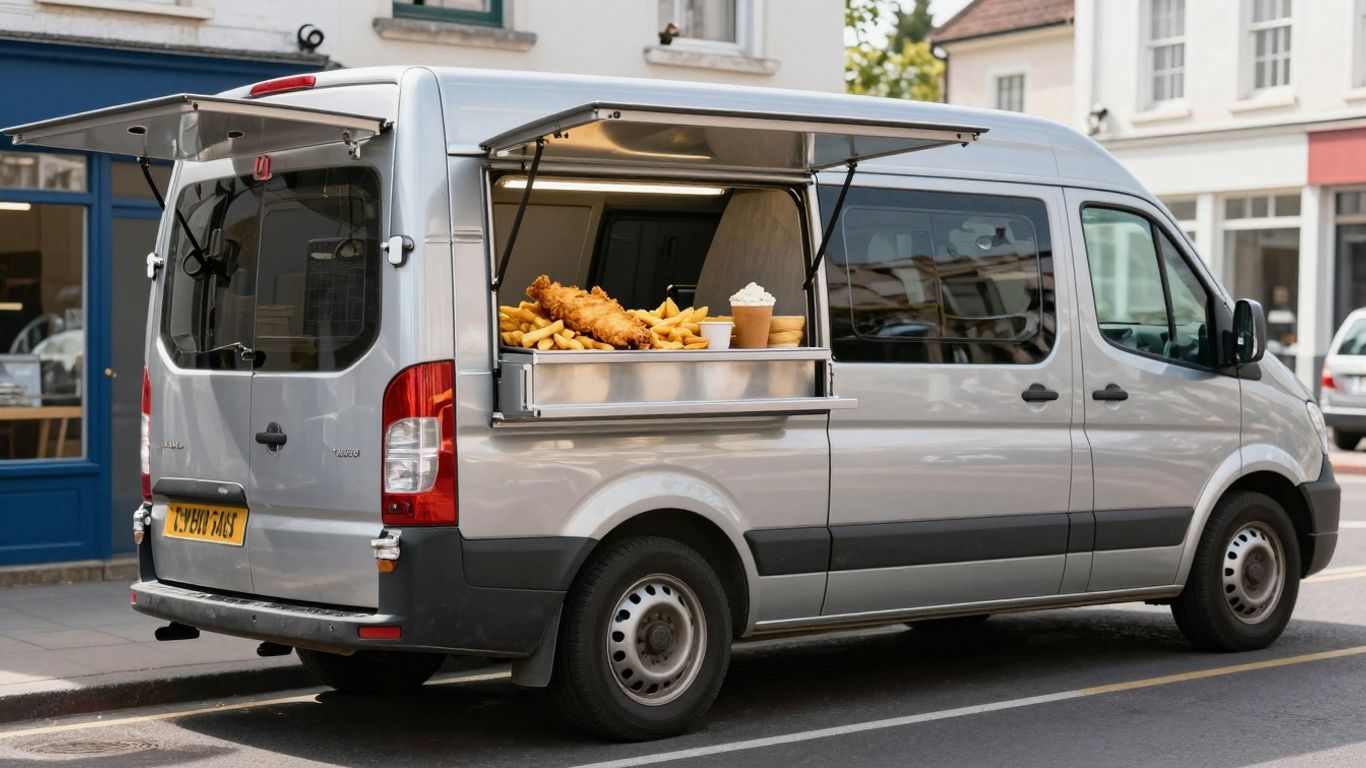
Discovering The Perfect Mobile Chip Shop
Fancy ditching the office for the open road? A fish and chip van could be your ticket. It’s more than just a business; it’s a lifestyle. Imagine serving up crispy, golden chips and perfectly battered fish to happy customers, wherever you go. This is your chance to be your own boss and bring a taste of Britain to new places.
What To Look For In A Quality Fish And Chip Van
Buying a van is a big step. You want something reliable, well-equipped, and that looks the part. Think about:
-
The Build: Is it sturdy? Has it been well-maintained? Check for rust or damage.
-
The Kitchen Layout: Is there enough space to work comfortably? Can you move around easily when it gets busy?
-
The Equipment: Are the fryers in good condition? Is the refrigeration up to scratch? You don’t want breakdowns.
-
The Power Source: Does it have a generator or hook-up? Is it powerful enough for all your kit?
A good van is your shop front and your kitchen. It needs to be practical for cooking and appealing to customers. Don’t rush the decision; a solid van is worth the investment.
Making Your Fish And Chip Van Stand Out
In a busy market, you need to catch the eye. What makes your van special?
-
Unique Branding: A memorable name and logo. Think about colours that pop.
-
A Signature Dish: Maybe a special sauce, a unique batter, or a local twist.
-
Customer Service: Friendly faces and quick service go a long way. Make people feel welcome.
-
Presentation: A clean, tidy van looks professional. Even a bit of character, like a fun theme, can make a difference. Think about how you serve the food too – maybe a nod to the old days with newspaper-style wrappers (but food-safe ones, of course!).
Essential Equipment For Your Mobile Chippy
Right then, let’s talk about kitting out your fish and chip van. Getting the right gear is half the battle, and it makes a massive difference to how smoothly you work and, more importantly, how good your food tastes.
Fryers And Cooking Apparatus
This is the heart of your operation. You’ll need a good quality fryer, probably gas-powered for efficiency on the go. Look for something robust that can handle a constant demand. A twin-basket fryer is a solid choice for busy periods. Think about the size – too small and you’ll be constantly frying, too big and you’ll waste gas. Safety first, always! Make sure it’s got good insulation and a reliable thermostat. You don’t want any nasty accidents.
Refrigeration And Storage Solutions
Keeping your fish, chips, and other ingredients fresh is non-negotiable. You’ll need a decent fridge, maybe even a separate freezer for peas or pre-portioned fish. Under-counter units can save space. Consider how you’ll store your potatoes too – they need to be kept dry. Proper storage stops waste and keeps your food safe to eat. It’s all about good organisation in a small space.
Powering Your Fish And Chip Van
Your van needs juice! Most mobile chippies run on LPG gas for the fryers and a generator for lights, tills, and any other electrics. Make sure your generator is powerful enough for everything you plan to run. It’s worth investing in a quiet model if you’re parking up in residential areas. Always have a backup plan in case your main power source fails. You don’t want to be left in the dark (or without hot chips!). Check out options for mobile kitchen equipment to get a better idea of what’s out there.
Navigating The Road To Success
Understanding UK Regulations For Mobile Caterers
Getting your head around the rules is key. Don’t skip this bit. It stops headaches later.
-
Food Hygiene Rating: Aim for a top score. It builds trust.
-
Health & Safety: Know the basics. Fire safety, gas safety – they matter.
-
Local Council Rules: Each area has its own quirks. Check with them.
Finding Prime Locations For Your Van
Location, location, location. It’s not just about footfall, but the right footfall.
-
Busy High Streets: Obvious, but often good. Check for existing competition.
-
Industrial Estates: Lunchtime rush can be huge. Workers need good food.
-
Events & Markets: Festivals, car boot sales, local fairs. Great for a buzz.
-
Private Hire: Parties, weddings, corporate events. Good money in these.
Think about where your ideal customer hangs out.
Building A Loyal Customer Base
Happy customers come back. Simple as that.
-
Quality Food: Always. Fresh, hot, tasty. No shortcuts.
-
Friendly Service: A smile goes a long way. Remember names.
-
Consistency: People like knowing what to expect. Stick to your standards.
Keep your menu clear and easy to read. People are often in a hurry.
-
Loyalty Schemes: A simple stamp card can work wonders. Buy 9, get the 10th free.
-
Social Media: Post your location daily. Share specials. Engage with followers.
The Financials Of A Fish And Chip Van Business
Right then, let’s talk brass tacks. Getting your fish and chip van up and running means looking at the money side of things. It’s not just about the van itself, but all the bits and bobs that keep it rolling.
Startup Costs And Investment
First up, the van. This is your biggest ticket item. You’ve got new, used, or even a custom build. Then there’s the kitchen kit: fryers, fridges, prep tables. Don’t forget the initial stock – potatoes, fish, batter mix, oil. Plus, you’ll need things like a generator, gas bottles, and maybe even a till system. Think about your branding too – signs, uniforms. It all adds up.
Here’s a rough idea of what you might need to budget for:
|
Item |
Estimated Cost (£) |
Notes |
|---|---|---|
|
Used Fish & Chip Van |
15,000 – 40,000 |
Condition and spec dependent |
|
New Fryers (x2) |
3,000 – 8,000 |
Gas or electric |
|
Refrigeration |
1,000 – 3,000 |
Fridges, freezers |
|
Generator |
500 – 2,000 |
Reliable power source |
|
Initial Stock |
500 – 1,500 |
Fish, potatoes, oil, packaging |
|
Permits & Licenses |
200 – 1,000 |
Varies by council |
|
Branding & Signage |
300 – 1,000 |
Logo, van wrap, menus |
|
Total Estimated |
20,500 – 56,500 |
This is a guide, actual costs vary |
Don’t forget contingency cash for unexpected expenses. It’s always wise to have a bit extra put aside for those ‘just in case’ moments. You might also want to explore profitable food business ideas for inspiration on other ventures.
Pricing Your Menu For Profit
This is where you make your money. You need to price your fish and chips so you’re making a decent profit, but customers still feel they’re getting a good deal. Look at what other vans are charging, but also factor in your own costs – ingredients, fuel, labour. A good rule of thumb is to aim for a food cost percentage of around 25-35%. That means if your food costs £3 to make, you should sell it for £10-£12.
-
Calculate your costs: Know exactly what each portion costs you to make.
-
Research competitors: See what the going rate is in your area.
-
Consider your target market: Are you aiming for a budget-friendly crowd or a premium experience?
-
Don’t be afraid to charge what you’re worth: Quality ingredients and good service command a fair price.
Remember, people expect good value from a chippy. It’s about finding that sweet spot between affordability and profitability. A simple cash-only policy, like some long-standing businesses, can cut down on card fees, but might put some customers off.
Securing Funding For Your Venture
So, you’ve got the figures, but how do you get the cash? You might have savings, but if not, there are options. Banks offer business loans, though they’ll want to see a solid business plan. Look into government-backed schemes for small businesses. Sometimes, friends or family might be willing to invest. You could even consider crowdfunding if you have a unique angle.
-
Business Plan: This is your roadmap. It needs to show your projections, market research, and how you’ll repay any loans.
-
Personal Savings: Using your own money shows commitment.
-
Bank Loans: Traditional route, requires a strong application.
-
Government Grants/Schemes: Check what’s available for new businesses.
-
Investors: Friends, family, or angel investors.
Getting the finances sorted is a big step, but with careful planning, you can make your fish and chip van dream a reality.
Maintaining Your Fish And Chip Van
Keeping your van shipshape is key. A clean, well-run van means happy customers and fewer breakdowns. It’s not just about looking good; it’s about keeping things running smoothly and safely.
Regular Maintenance Checks
Don’t wait for something to go wrong. Regular checks save you hassle and money in the long run. Think of it like servicing your car – it just needs doing.
-
Engine & Tyres: Check oil, water, and tyre pressure weekly. A flat tyre or engine trouble stops you in your tracks.
-
Gas & Electrics: Get gas systems and electricals checked by a pro every year. Safety first, always.
-
Fryers & Equipment: Clean fryers daily. Check seals on fridges and freezers. A quick look at the generator too.
Ensuring Food Safety Standards
This is non-negotiable. Customers trust you with their food. Keeping things clean protects them and your business.
-
Cleaning Schedule: Stick to a daily, weekly, and monthly cleaning plan. Wipe down surfaces after every rush.
-
Temperature Checks: Keep a log of fridge and freezer temperatures. Cook food to the right heat and keep it hot.
-
Hand Washing: Make sure there’s always hot water and soap. Staff should wash hands often.
Proper food hygiene isn’t just a rule; it’s how you build trust. Customers notice a clean van and good practices. It shows you care about what you serve.
Keeping Your Van Looking Its Best
First impressions count. A shiny van attracts customers. A grubby one? Not so much.
-
Exterior Wash: Give the outside a good wash regularly. Remove any dirt or grime.
-
Interior Tidy: Keep the inside organised. No clutter means a more efficient workspace.
-
Signage: Make sure your signs are clean and easy to read. Update any faded graphics.
Beyond The Classics: Expanding Your Menu
Adding Popular Sides and Extras
Don’t just stick to the fish and chips. Think about what else people love with their chippy tea. Sides are a great way to boost your takings.
-
Mushy peas: A classic for a reason. Easy to make, cheap to buy.
-
Curry sauce: Another must-have. Offer a mild and a hot version.
-
Gravy: Proper chippy gravy is a winner.
-
Pickled onions/eggs: Cheap, cheerful, and popular.
-
Bread rolls: Simple, but people often want something to mop up the sauce.
Consider offering a ‘meal deal’ with a main and a couple of sides. It’s a good way to get customers to buy more.
Catering to Different Dietary Needs
More people are watching what they eat. Having options for them means more customers.
-
Gluten-free batter: This is a big one. Use a separate fryer if you can, or at least fry it first. This can really set you apart.
-
Vegetarian options: Beyond just chips, think veggie burgers or halloumi fries.
-
Vegan options: Plant-based fish alternatives are getting better. Vegan sausages are also a good shout.
Always label clearly. If you’re unsure about cross-contamination, it’s best not to offer it. Food safety first.
Seasonal Specials to Entice Customers
Keep things fresh and exciting. Seasonal specials bring people back.
-
Summer: Think lighter options. Maybe grilled fish or a fish salad.
-
Autumn: Hearty pies or warming stews could work.
-
Winter: Special fish like cod or haddock are always popular. Maybe a festive pie?
-
Spring: Lighter fish, perhaps with new potatoes.
Running specials means you can test out new ideas without a huge commitment. If something’s a hit, you can add it to your main menu.
Think about local events too. A special ‘village fete’ burger or a ‘summer festival’ fish box can grab attention. It shows you’re part of the community.
Ready to Fry?
So, there you have it. A proper fish and chip van could be your ticket to a cracking new business. It’s not just about the food, though that’s a big part of it, is it? It’s about the buzz, the people, and building something you can be proud of. If you’ve got a passion for good grub and a bit of get-up-and-go, then looking into one of these vans might just be the best move you make. Give it some thought – your next adventure could be just a phone call away.
Frequently Asked Questions
How much does a fish and chip van usually cost?
Prices can really vary, mate! You could be looking at anywhere from £5,000 for a basic, older model, right up to £50,000 or more for a brand-new, top-of-the-line van kitted out with all the fancy gear. It all depends on what you need and how much you’ve got to splash out.
What sort of equipment do I absolutely need?
You’ll definitely need a good fryer, a fridge to keep your fish and peas fresh, and a way to power everything up, like a generator. Don’t forget storage for your potatoes and bits and bobs, and maybe a warming cabinet to keep your chips toasty.
Are there any special rules I need to follow?
Yeah, there are a few. You’ll need to sort out food hygiene certificates, make sure your van meets safety standards, and get the right permits to park up and sell. It’s best to check with your local council and the Food Standards Agency to make sure you’re covered.
Where’s the best place to park my van?
Think busy! Places like local markets, industrial estates during lunchtimes, outside popular pubs on weekends, or even near schools after the bell rings can be goldmines. You want to be where the hungry punters are!
Can I just sell fish and chips, or should I offer more?
While fish and chips are the main event, having a few extras like mushy peas, curry sauce, gravy, or even some battered sausages can really boost your sales. It gives people more choice and might tempt them to spend a bit more.
How do I make my van stand out from the crowd?
Presentation is key! Make your van look smart and inviting. Having a catchy name, a clear menu, and maybe even a friendly mascot can help. And of course, serving up the tastiest fish and chips around is the best way to get people talking!