

Choosing the Right Bain Marie Pot: A Comprehensive Guide for UK Kitchens


For any UK kitchen that needs to keep food warm and ready to serve, a bain marie pot is a pretty standard bit of kit. But picking the right one can feel a bit overwhelming with all the options out there. This guide is here to help you figure out what really matters when you’re choosing a bain marie pot, making sure you get something that works well for your menu, your kitchen, and your customers. We’ll look at what makes a good pot, how the sizes work, and what to think about for busy UK kitchens.
Key Takeaways
-
Dedicated bain marie pots are built for even heating and durability, which is a big deal in busy UK kitchens where food needs to be kept at the right temperature without burning.
-
Stainless steel is generally the best material for these pots because it’s tough, easy to clean, and doesn’t react with different foods, keeping flavours pure.
-
Understanding Gastronorm (GN) sizing is helpful as it means pots will fit standard equipment, giving you flexibility for different foods and menu items.
-
Think about how easy the pots are to handle, especially during busy service times, and make sure they fit your existing bain marie unit properly.
-
When buying, check for sturdy construction like reinforced rims and handles, as investing in quality now means the pots will last longer and perform better.
Understanding Your Bain Marie Pot Needs
Why Dedicated Bain Marie Pots Matter
Look, we all know kitchens get busy. Especially in the UK, where service can be non-stop. Using the right kit makes a massive difference. Dedicated bain marie pots aren’t just fancy containers; they’re built for a job. They ensure food stays at the right temperature, safely and consistently. This means fewer complaints about lukewarm mash or cold gravy. For mobile caterers, this consistency is gold. It builds trust with your customers, no matter where you’re set up. Unlike regular pots, these are designed for even heat transfer, stopping hot spots that can scorch food. Plus, they’re made to be cleaned quickly, which is a lifesaver when you’re packing up after a big event.
Matching Pots to Your Menu and Service Style
Think about what you actually cook. Are you serving delicate sauces, hearty soups, or a mix of sides? Your menu dictates the pots you need. For sauces and gravies, shallower pots work well. They give you easy access for portioning. If you’re doing stews or curries, you’ll want deeper ones to hold more volume. A good rule of thumb is to have a mix. This flexibility means you can adapt your bain marie setup to whatever you’re serving. For example, a wedding caterer might need several small pots for different sauces, while a burger van might only need one or two larger pots for toppings.
Here’s a quick guide:
-
Sauces, Gravies, Garnishes: Shallow pots (e.g., 1/6 or 1/4 size)
-
Soups, Sides, Stews: Medium to deep pots (e.g., 1/2 or full GN size)
-
Bulk Items: Deepest pots (e.g., full GN size, 4-litre capacity pots like this 4-liter stainless steel bain-marie pot are a good start)
The Importance of Standardised Kitchen Workflow
Having the right pots helps keep things running smoothly. When all your pots are the same size and shape (like Gastronorm sizes), swapping them out is quick and easy. This is a big deal during busy service. Staff don’t waste time fumbling with ill-fitting containers. It also cuts down on the risk of cross-contamination because you’re not using random pots from different suppliers. A standardised setup means everyone knows where things go, making prep and service faster and less stressful. It’s about making the kitchen work for you, not against you.
Key Features Of A Quality Bain Marie Pot
Material Matters: Stainless Steel Advantages
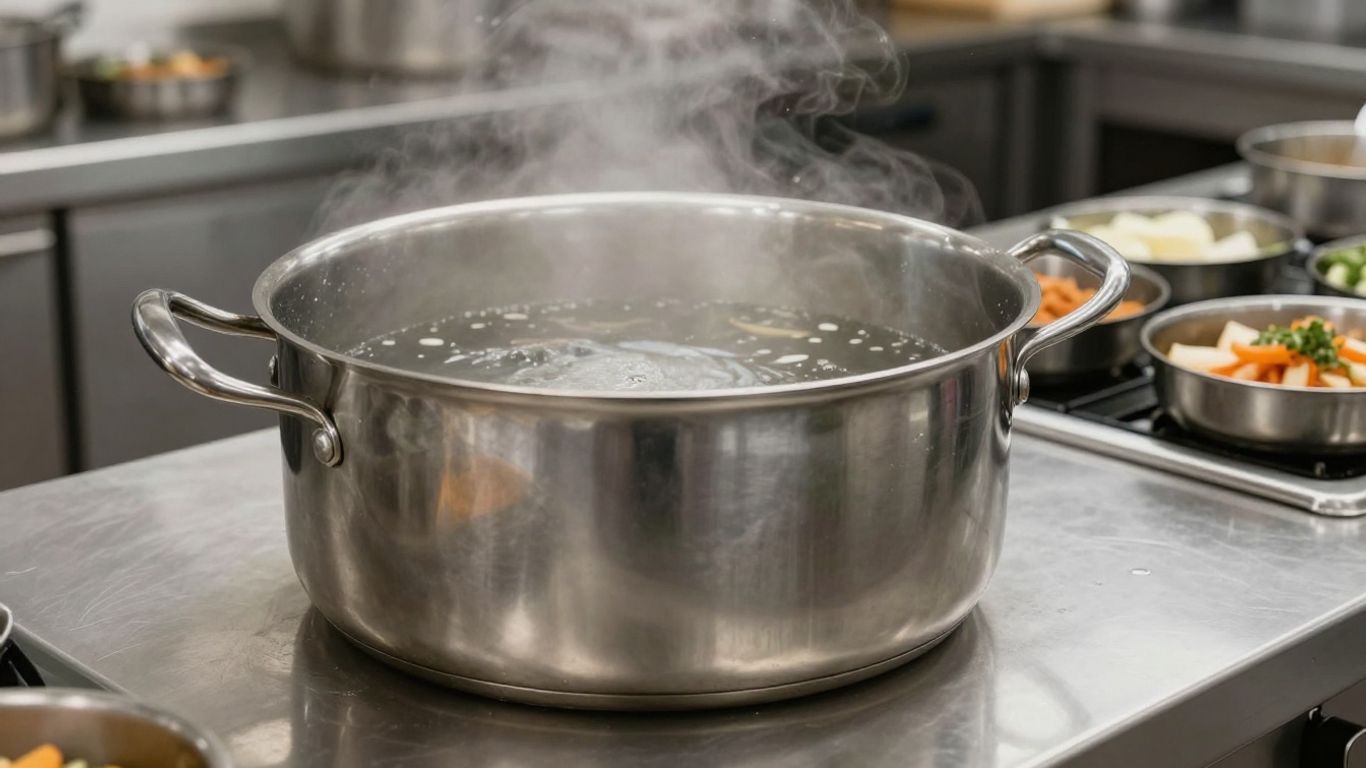
For busy kitchens, stainless steel is the go-to material. It’s tough, won’t rust easily, and doesn’t react with food. This means your sauces and stews stay tasting like they should, without any metallic tang. Plus, it heats up evenly, stopping hot spots that can scorch your food. Think of it as a reliable workhorse that keeps your dishes perfect.
Durability and Design for Busy Kitchens
When you’re in the thick of service, you need pots that can take a beating. Look for pots with thick bases and strong, welded handles. Reinforced rims add extra strength, stopping dents and bends from everyday knocks. These features mean your pots last longer, saving you money in the long run. Staff can easily grab and swap them out, even when things get hectic.
Ease Of Cleaning And Hygiene Standards
Keeping things clean is non-negotiable. Stainless steel is a doddle to wipe down. Smooth surfaces mean no food gets stuck in awkward corners. This is vital for meeting hygiene rules and getting pots ready for the next service quickly. A quick wash and they’re good to go, minimising downtime.
-
Smooth interior: Food residue wipes away easily.
-
No sharp edges: Safer for staff handling.
-
Dishwasher safe (check manufacturer): Speeds up cleaning.
Choosing pots that are simple to clean isn’t just about saving time; it’s about maintaining food safety. A clean pot prevents cross-contamination and keeps your customers happy and healthy. It’s a small detail that makes a big difference to your operation’s reputation.
Navigating Bain Marie Pot Sizes And Formats
Understanding Gastronorm (GN) Sizing
Most professional kitchens in the UK use Gastronorm (GN) sizing. This is a standard system that makes pots interchangeable between different pieces of equipment. Think of it like Lego for kitchens. A 1/1 GN pot is the full size, and smaller pots are fractions of that – like 1/2, 1/3, 1/4, or 1/6. This standardisation means you can easily mix and match pots from different suppliers and fit them into your bain marie unit. It simplifies ordering and ensures your pots will fit, no matter what.
Choosing Between Shallow And Deep Pots
The depth of your bain marie pot matters. Shallow pots are great for things like sauces, gravies, or individual garnishes. They heat up quickly and are easy to stir and serve from. Deep pots are better suited for bulkier items like soups, stews, curries, or mashed potatoes. They hold more food, meaning less refilling during busy periods. Consider your menu – if you serve a lot of different sauces, you’ll need more shallow pots. If soups and stews are your mainstays, go for deeper options.
Here’s a quick guide:
-
Shallow Pots (around 65mm deep): Ideal for sauces, chutneys, relishes, small sides, and garnishes.
-
Medium Pots (around 100mm deep): Good for most side dishes, beans, or smaller batches of soup.
-
Deep Pots (around 150mm or more deep): Best for large quantities of soup, stew, chilli, or mashed potato.
Optimising Your Pot Selection For Different Foods
Think about what you’ll be holding. Delicate items like hollandaise sauce need gentle, consistent heat, so a shallow pot that heats evenly is best. Hearty stews benefit from deeper pots to keep a larger volume warm. For mobile catering, being able to quickly swap pots is key. If you’re serving a buffet, you might use a mix of sizes to display different dishes effectively. Always check the dimensions to make sure they fit your bain marie wells. A pot that’s too big won’t fit, and one that’s too small might not heat properly.
When selecting pots, always measure your bain marie wells. Standard GN sizes are a good guide, but slight variations can occur between manufacturers. It’s better to be sure your pots will fit before you buy.
Practical Considerations For UK Kitchens
Durability For High-Volume Service
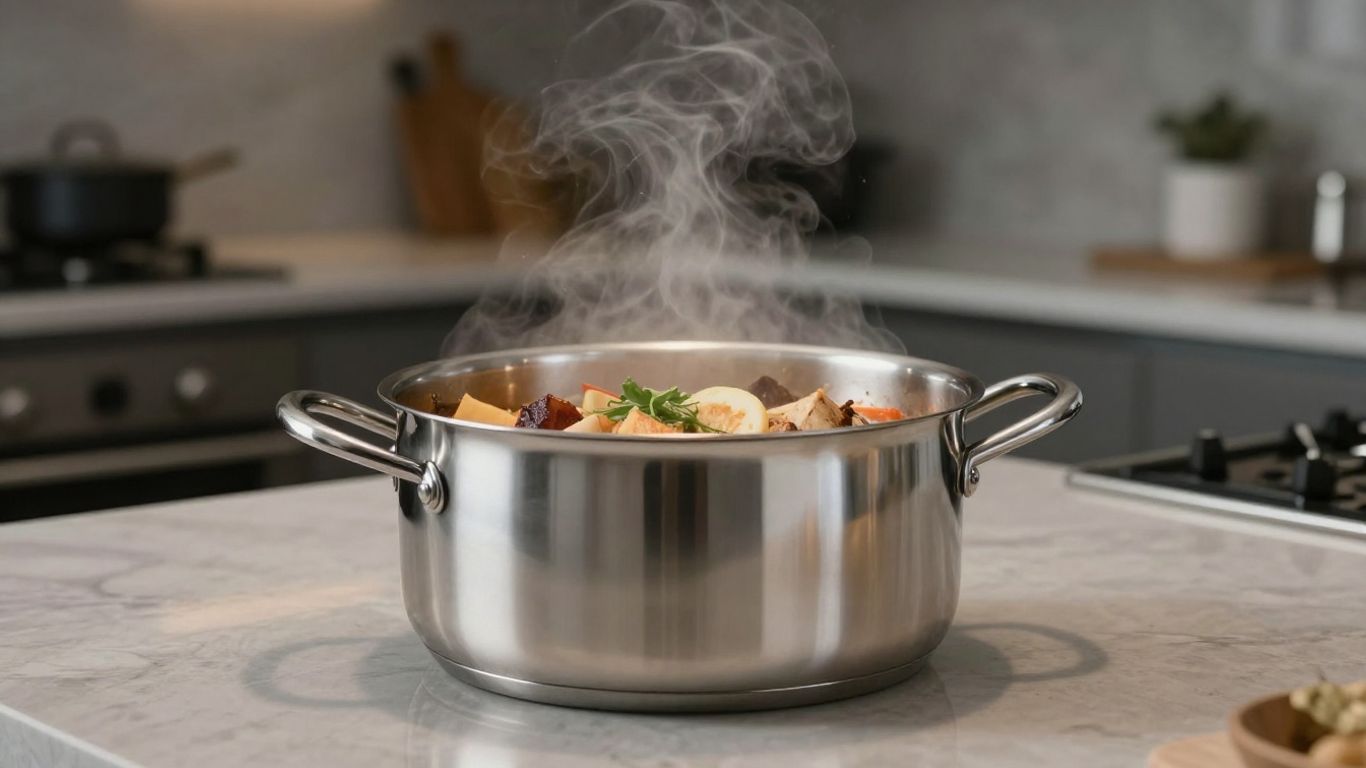
When you’re running a busy food business, especially in the UK, your equipment needs to keep up. Bain marie pots are no exception. Look for pots made from sturdy materials, like good quality stainless steel. These need to withstand constant use, frequent washing, and the heat of a commercial kitchen without warping or degrading. Think about how many times a pot might be moved, filled, and emptied in a single shift. A pot that’s built tough will last longer and save you money in the long run. It’s about avoiding those annoying moments when a pot cracks or a handle breaks during a rush.
Ease Of Handling And Swapping Pots
Picture this: it’s the middle of service, and you need to quickly swap out a pot of soup for a fresh batch. If the pots are heavy, awkward to grip, or don’t fit smoothly into the bain marie unit, it slows everything down. For mobile caterers, this is even more important. You’re often working in tight spaces and need to be efficient. Pots with well-designed, sturdy handles make a big difference. They should be easy to grab, even with oven mitts on, and feel secure. Also, consider the weight of the pot itself when empty. Lighter, well-balanced pots mean less strain on your staff and quicker changes.
Compatibility With Your Existing Bain Marie Unit
This might sound obvious, but it’s a common pitfall. Not all bain marie pots are created equal, and they need to fit your specific unit. In the UK, many professional kitchens use Gastronorm (GN) sizes. This standardisation is a lifesaver. It means a 1/1 GN pot from one brand should fit into a 1/1 GN slot in your bain marie. Always double-check the dimensions of your bain marie slots and compare them with the pot sizes you’re considering. Getting this wrong means pots won’t sit properly, heat won’t transfer efficiently, and you might even damage your equipment. It’s worth measuring your existing slots or checking the manufacturer’s specs for your bain marie unit before you buy any new pots.
Always check the exact dimensions of your bain marie slots. While GN sizing is standard, slight variations can occur, especially with older or non-standard units. A snug fit is key for optimal performance and safety.
Making The Right Bain Marie Pot Choice
Choosing the correct bain marie pots is a small detail that makes a big difference in your kitchen. It’s about getting food out to customers at the right temperature, every single time. Think about your menu and how you serve. Do you do a lot of soups and stews, or more delicate sauces and sides? This will guide you.
Assessing Your Menu’s Holding Requirements
First, take a good look at what you serve most. If you’re constantly holding large batches of soup, you’ll need deeper pots. For sauces, gravies, or individual portions of sides, shallower pots work better. It’s about matching the pot size to the food volume and how quickly it’s used. This stops food from drying out or needing constant topping up.
-
Soups & Stews: Opt for deep pots (e.g., 4-inch or deeper GN 1/1 or 1/2 sizes).
-
Sauces & Sides: Shallow pots (e.g., 2-inch or 4-inch GN 1/1, 1/2, 1/3, or 1/4 sizes) are ideal.
-
Garnishes & Small Items: Smaller fractional pots (1/6 or 1/9 GN) are perfect for keeping these ready.
Considering Reinforced Rims and Handles
Busy kitchens mean pots are handled a lot. Look for pots with strong, reinforced rims. These stop the pots from bending out of shape, especially when they’re full and hot. Good handles are also a must. They should be sturdy and easy to grip, even with oven gloves on. This makes swapping pots during busy service much safer and quicker. It also helps when it comes to cleaning.
Safety First: Always use appropriate heat-resistant gloves when removing pots from a bain marie unit. The steam and hot water can cause serious burns.
Investing In Long-Term Value and Performance
When buying, don’t just go for the cheapest option. Think about how long the pots will last. Good quality stainless steel pots are a solid investment. They resist corrosion, don’t react with food, and are easy to keep clean. While they might cost a bit more upfront, they’ll save you money in the long run by not needing frequent replacement. Look for pots that are built for commercial use, meaning they can handle the daily grind of a busy kitchen. For example, many professional kitchens prefer stainless steel saucepans for their durability and ease of cleaning.
|
Pot Size (GN) |
Typical Depth |
Best For |
|---|---|---|
|
1/1 |
4″ – 6″ |
Soups, large sides |
|
1/2 |
4″ – 6″ |
Soups, stews, bulk sides |
|
1/3 |
4″ – 6″ |
Sauces, smaller sides |
|
1/4 |
4″ |
Sauces, garnishes |
|
1/6 |
4″ |
Sauces, individual portions |
Where To Source Your Bain Marie Pots In The UK
Finding the right bain marie pots is straightforward with a good UK supplier. Look for companies that specialise in catering equipment. They’ll have a range of sizes and materials to fit your needs.
Reputable UK Catering Equipment Suppliers
Many businesses across the UK supply these pots. Think about:
-
Specialist Catering Suppliers: These shops know their gear. They often have a wide selection from different brands.
-
Online Retailers: Convenient for browsing and comparing prices. Check reviews for reliability.
-
Restaurant Supply Stores: If you have one nearby, you can see the pots in person.
Always check if the supplier offers pots compatible with standard Gastronorm (GN) sizing. This makes mixing and matching much easier.
Understanding Delivery And Support Options
When buying, consider how quickly you need the pots and what happens if there’s an issue.
-
Delivery Times: For busy kitchens, fast delivery is key. Some suppliers offer next-day service on popular items.
-
Returns Policy: What if the pots aren’t quite right? A clear returns policy is a must.
-
Customer Service: Can you easily get help if you have questions or problems?
Safety First: Always ensure your chosen supplier provides pots made from food-grade stainless steel. This is vital for hygiene and prevents any unwanted reactions with your food. Look for sturdy handles that are securely attached.
Exploring Sets Versus Individual Pots
Deciding whether to buy a set or individual pots depends on your current setup and menu.
-
Sets: Often cost-effective and provide a good starting range of sizes. Ideal if you’re setting up a new station or need to replace several pots.
-
Individual Pots: Perfect for topping up your existing collection or if you only need specific sizes for particular dishes. This gives you more flexibility.
For example, if you mainly serve soups and sauces, you might buy a few deep pots and several smaller ones. A set might give you more than you need, or not enough of the sizes you use most.
Wrapping Up Your Bain Marie Pot Choice
So, there you have it. Choosing the right bain marie pots might seem like a small detail in the grand scheme of running a busy UK kitchen, but it really does make a difference. Getting the sizes right means your staff can work quicker, keep food at the perfect temperature, and cut down on waste. Whether you’re a new street food vendor or a well-established restaurant, investing in good quality, purpose-built pots from a reliable UK supplier is a smart move. It’s about making your daily service run that little bit smoother, safer, and more efficient. Happy cooking!
Frequently Asked Questions
Why should I use special pots for my bain marie instead of regular saucepans?
Dedicated bain marie pots are built differently. They’re made to spread heat evenly, so your food stays warm without getting burnt in spots. They’re also tough enough for busy kitchens and easy to clean, which is super important for keeping things hygienic and making your job easier.
What does ‘Gastronorm’ or ‘GN’ sizing mean for bain marie pots?
Gastronorm, or GN, is a standard size system used across Europe for kitchen equipment like bain marie pots. Think of it like a set of building blocks. Using GN-sized pots means they’ll fit perfectly into standard bain marie units, making it simple to swap them out and arrange your food exactly how you need it.
Are stainless steel bain marie pots the best choice?
Yes, stainless steel is a top pick for bain marie pots. It doesn’t rust easily, it’s very simple to clean, and it won’t change the taste of your food. Plus, it’s strong and can handle the heat and bumps of a busy kitchen for a long time.
How do I know what size bain marie pots I need?
It really depends on what you’re cooking! For things like sauces or small sides, shallower pots work well. If you’re keeping soups or stews warm, you’ll need deeper ones. It’s a good idea to have a mix of sizes to handle different dishes and how much you need to serve.
What makes a bain marie pot durable for a busy UK kitchen?
Look for pots with strong, reinforced rims and sturdy handles. These parts get used a lot when swapping pots in and out. A thicker base also helps with even heating and makes the pot last longer, even with constant use during busy meal times.
Where can I buy good quality bain marie pots in the UK?
You can find them at reputable UK suppliers that specialise in catering equipment. Many offer good delivery services across the UK. It’s often worth checking if they sell sets, as this can sometimes be more cost-effective than buying individual pots.