

Your Ultimate Guide to Starting a Food Truck Business in the UK


Thinking about starting a food truck business in the UK? It’s a pretty exciting prospect, right? Lots of people are doing it, and for good reason – it can be a great way to get into the food world without the massive costs of a full restaurant. But, like anything, it’s not just about having a cool van and some tasty food. There’s a fair bit to get your head around, from making sure your grub is safe to finding the best spots to sell it. This guide is here to break it all down for you, nice and simple.
Key Takeaways
- Nailing your food truck concept is key; figure out what makes you different and what people in your area actually want to eat.
- Don’t skip the legal stuff! Registering your business and getting food hygiene sorted is non-negotiable for starting a food truck business in the UK.
- Your truck is your shopfront. Decide if buying new, used, or even renting is the best first step for you.
- Getting the right equipment and making sure your van is set up safely and legally is a big part of the puzzle.
- Finding busy, legal spots to park up and then letting everyone know you’re there through smart marketing will make a huge difference.
Crafting Your Unique Food Truck Concept
Right, let’s get down to the nitty-gritty of what makes your food truck special. This isn’t just about slinging burgers; it’s about creating an experience people will remember and crave.
Identifying Market Gaps and Trends
First off, have a good look around. What’s everyone else doing? What’s missing? You don’t want to be just another van selling the same old thing. Think about what people are actually looking for but can’t easily find. Maybe it’s a specific type of cuisine, or perhaps a healthier option. Checking out local markets and festivals is a great way to see what’s popular and what’s not getting much attention. Social media is your friend here too – see what food bloggers and other trucks are talking about.
- Scout local events: See what’s selling well and what’s not.
- Social media watch: Follow trends and see what gets people excited.
- Talk to potential customers: Ask them what they’d love to see.
Don’t just follow the crowd. Find a gap and fill it, or do something common, but do it way better.
Choosing Your Niche and Signature Dishes
What do you love to cook? What’s your absolute best dish? Your food truck should be a reflection of your passion, but it needs that special something to stand out. Focus on what you do brilliantly. Is it amazing pies, spicy curries, or perhaps incredible vegan cakes? That’s your niche. Then, think about what makes it unique. Can you add a special ingredient, a fusion of flavours, or a cool way of serving it? Keep the menu tight – a few brilliant dishes are better than a huge, confusing list. For example, if you love pies, maybe your twist is using local, seasonal ingredients and offering some adventurous fillings alongside the classics.
Your menu is your shop window; make it count.
Understanding Your Target Customers
Who are you cooking for? Knowing your audience is key. Are they office workers looking for a quick lunch, families at a weekend market, or festival-goers wanting something tasty? Figure out their age, where they live, and what they can afford. Surveys and looking at reviews for other food trucks can give you a good idea of what people like and dislike. Testing your concept with pop-ups or at smaller events is a smart move before you commit to buying a truck. It’s all about making sure there’s demand for what you plan to offer. You might even find inspiration for wedding catering from popular wedding food trucks.
- Demographics: Age, income, location.
- Demand: Use surveys and social media.
- Preferences: See what people like about existing trucks.
Navigating Legalities and Food Safety
Right, let’s get this straight. You can’t just start selling food without sorting out the official bits. It’s not as complicated as it sounds, promise.
Registering Your Food Business
First up, you need to tell your local council you’re trading. Do this at least 28 days before you plan to open. It’s free, but missing the deadline can cause a headache. You register the place where you store or prep food – this might be your home kitchen if it’s up to scratch, or a commercial kitchen you rent.
Essential Food Hygiene Training
Anyone handling food needs to know the score. A Level 2 Food Safety & Hygiene for Catering certificate is the standard. It proves you know how to keep food safe and stop people getting poorly. Keep your certificate handy; inspectors and event organisers will want to see it.
Understanding Allergen Information
This is a biggie. Customers have a right to know what’s in their food, especially common allergens like nuts, dairy, or gluten. You need to know your ingredients inside out and have a clear way to tell people. A simple list for each dish works well. Don’t forget to mention ‘may contain’ risks too.
Keeping food safe isn’t just about avoiding fines; it’s about building trust. Good hygiene means repeat customers.
Securing Your Food Truck Vehicle
Right then, let’s talk about the actual truck. This is your shop on wheels, so getting it right is a big deal. It’s probably the biggest expense you’ll have, so you want to make sure it fits your needs and your budget.
Buying New Versus Used Trucks
This is a big decision. New trucks are great – they’re built to spec, often come with warranties, and look the part. But, they cost a pretty penny. Used trucks can be a real bargain, but you need to be careful. Always get a mechanic to check it over before you buy. Look for rust, check the engine, and make sure any existing kitchen kit is sound.
| Option | Pros | Cons |
|---|---|---|
| New Truck | No hidden issues, warranty, modern | High upfront cost, depreciation |
| Used Truck | Lower purchase price, character | Potential for repairs, older tech |
Considering Renting Your First Truck
If buying outright feels like too much of a leap, renting is a smart way to start. It lets you test the waters, see if the food truck life is for you, and get a feel for what works without a massive financial commitment. You can often find rental companies that specialise in food trucks, sometimes even with basic fit-outs already done.
- Low initial cost: Get started without a huge loan.
- Flexibility: Try different truck sizes or styles.
- Less maintenance worry: Often covered by the rental company.
Customisation and Branding Your Vehicle
Once you’ve got your truck, it’s time to make it yours. Your truck’s look is the first thing customers see. A good wrap or paint job makes you stand out. Think about your brand – what colours, logo, and style represent your food? This is your mobile billboard, so make it count.
- Get a professional design: It makes a big difference.
- Reflect your food: Does it look like a taco truck or a gourmet burger van?
- Be memorable: You want people to spot you easily.
Your truck’s exterior is your first impression. Make it clean, professional, and eye-catching. It should hint at the delicious food you’re serving before anyone even orders.
Don’t forget the inside too. The layout needs to be practical for cooking and serving quickly. Think about workflow. Where will the prep area be? Where does the till go? Good planning here saves you time and hassle when you’re busy.
Essential Equipment and Vehicle Fit-Out
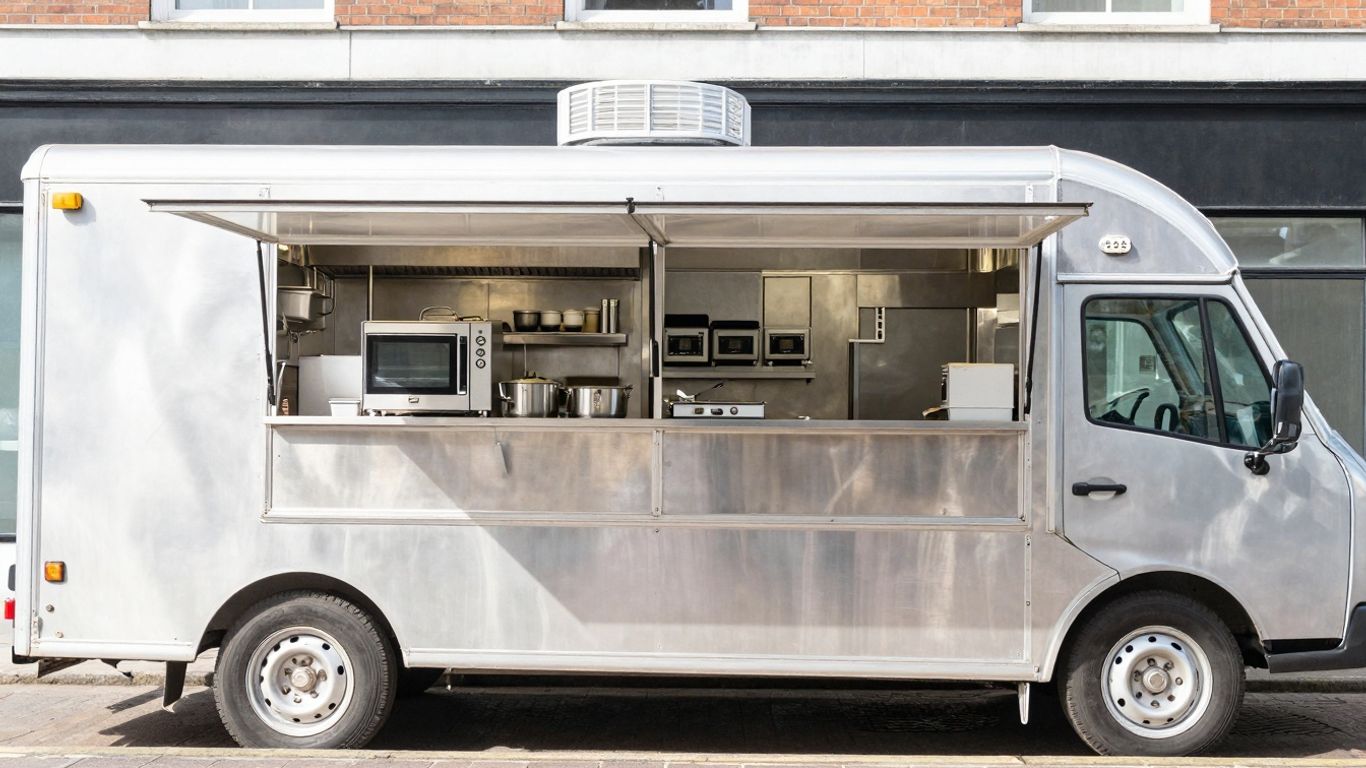
Key Cooking and Refrigeration Equipment
Right, let’s get your kitchen sorted. This is where the food magic happens, so it needs to be practical and safe. Get this wrong, and you’ll be tripping over yourself.
Think about your menu first. What do you really need to make your signature dishes? Don’t go mad buying everything at once. Start with the basics and add more as you get busier.
- Grills/Griddles: For those perfect burgers or toasted sarnies.
- Fryers: If chips, doughnuts, or anything else fried is your thing.
- Refrigeration: Fridges and freezers. Commercial-grade ones are best – they can take a beating.
- Prep Surfaces: Stainless steel is your best mate here. Easy to clean, tough.
- Sinks: You’ll need at least a three-compartment sink for washing, rinsing, and sanitising. Plus, a separate sink just for hand washing. Check your local council rules on this, they’re strict.
- Storage: Shelving and containers for all your dry bits and bobs.
Ensuring Safe Water and Power Supply
This bit is super important for safety and passing inspections. You can’t just plug anything in.
- Power: Most trucks run off a generator or hook up to the mains. Make sure all your wiring is safe and meets UK standards. If you’re not sure, get an electrician to check it over.
- Water: You need a clean water tank and a waste water tank. How big they need to be depends on how long you’ll be trading before you need to refill or empty them. Again, your local council will have specific rules.
- Gas Safety: If you’re using gas, it must be fitted by a qualified professional. You’ll need a Gas Safe certificate. Get it checked regularly.
Don’t forget about gas safety. If you’re using LPG, it needs to be installed by a qualified person and you’ll need a certificate. Regular checks are a must to keep everyone safe and avoid fines.
Compliance with UK Regulations
Getting your truck kitted out isn’t just about making it look good or work well. It has to meet UK rules. This covers everything from the equipment you use to how it’s all installed.
- Food Hygiene: Your setup needs to be easy to clean. Think smooth surfaces, no hidden nooks for germs.
- Ventilation: Proper extraction is vital, especially if you’re doing a lot of frying or grilling. It keeps the air clean and safe.
- Fire Safety: You’ll need fire extinguishers and blankets. Make sure they’re the right type and easily accessible.
- Electrical Safety: All wiring needs to be safe and properly installed. Get it checked by a qualified electrician.
- Water Systems: Your sinks and tanks need to meet specific standards for cleanliness and waste disposal.
Always check with your local council’s environmental health department. They’ll tell you exactly what they expect for your specific setup.
Finding Your Perfect Trading Locations
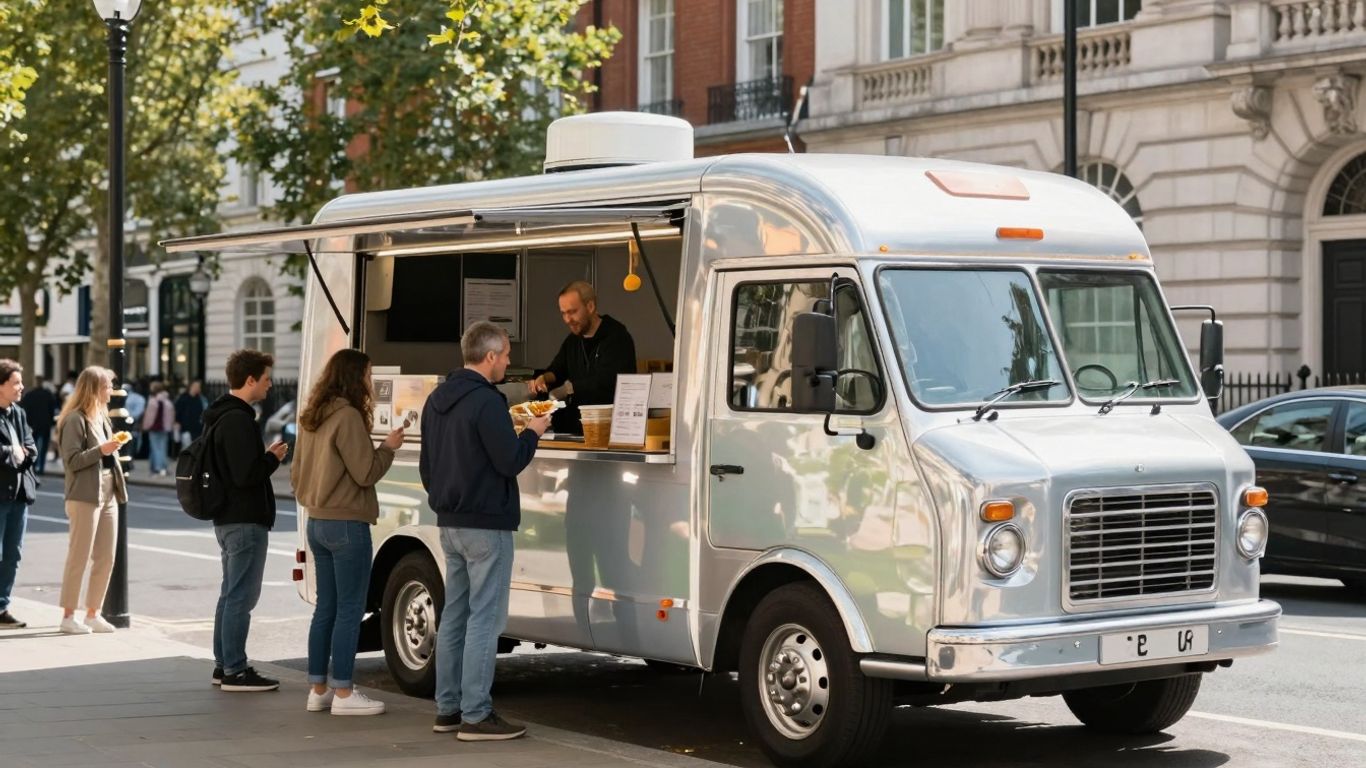
Right then, where are you going to sell your grub? This is a biggie. Get it wrong, and you’ll be serving the pigeons. Get it right, and you’ll have queues out the door. Your pitch is your shop window, so make it count.
Scouting Busy Markets and Events
Think of markets and events as your testing ground. It’s where you’ll learn what works and what doesn’t, without breaking the bank. Start local. Community fairs, farmers’ markets, even school fetes can be a good shout. They’re often cheaper to get a pitch at and the organisers are usually more helpful when you’re just starting out.
- Food festivals: See what’s popular and who’s already there.
- Brewery taprooms: Many are looking for food options for their punters.
- Street food hubs: These are becoming more common and offer a ready-made crowd.
Keep a log of every event. How many people turned up? What was the weather like? How much did you sell? This info is gold dust for deciding where to go next.
Understanding Local Permissions and Rules
This bit can be a headache, but you’ve got to get it sorted. Different councils have different rules, and you need to know where you can and can’t trade.
- Street Trading Licence: You’ll usually need this from the local council if you want to trade on public streets. Each council has its own forms, fees, and allowed spots.
- Markets & Events: Organised markets or events often need you to apply for a stall or pitch separately. They might ask for your hygiene rating, insurance, menu, and photos.
- Private Land: Trading on private land (like brewery yards or car parks) usually needs written permission from the landowner. Some councils might also want a consent licence if it’s near a road.
Always keep digital copies of all your documents handy – registration, certificates, insurance, gas/electric tests. Event organisers ask for them all the time.
Don’t forget the ‘invisible’ bits. Fire extinguishers, first-aid kits, proper waste disposal, and cleaning supplies are non-negotiable. They’re checked by inspectors and event organisers, and they’re vital for keeping everyone safe.
Strategic Placement for Maximum Footfall
Footfall is your best mate. You want to be where the people are, especially when they’re hungry. Think about when your target customers are out and about.
- Lunchtime in business districts: Office workers need feeding. Just make sure you’ve got the speed to serve them quickly.
- Evenings near bars or entertainment venues: People are often looking for a bite before or after a night out.
- Parks on sunny days: Families and day-trippers are prime targets, but check park rules first.
Marketing Your Food Truck Business
Right, you’ve got your amazing food, your shiny truck, and you’re ready to roll. But how do people actually find you? Getting the word out is key. It’s not just about turning up; it’s about people seeking you out.
Leveraging Social Media for Buzz
Think of your social media as your mobile billboard. Instagram and TikTok are your best mates here. Post cracking photos of your food – make it look irresistible. Share your daily location, any specials, and behind-the-scenes stuff. Your customers are your best advertisers, so get them sharing. Encourage them to tag you in their photos. A quick shout-out or a small discount can go a long way.
- Post daily updates: Let people know where you are and what you’re serving.
- Use high-quality photos: Make your food look as good as it tastes.
- Run polls and Q&As: Get your followers involved and ask them what they want to see.
- Share customer photos: User-generated content is gold!
Building Customer Loyalty
Repeat business is the lifeblood of any food truck. You want people coming back again and again. Loyalty cards are a classic for a reason – buy five, get one free is a winner. Think about ‘meal deals’ too, or a ‘dish of the week’ to keep things interesting and encourage people to try something new.
- Loyalty cards: Simple and effective for encouraging repeat visits.
- Exclusive offers: Give your regulars a special discount or early access to new menu items.
- Personalised service: Remember names and orders – it makes a big difference.
Building relationships with your customers is just as important as the food itself. A friendly face and a familiar order can turn a one-off visitor into a lifelong fan.
Collaborating with Local Influencers
Got a killer dish? Think about reaching out to local food bloggers or influencers. A good review from them can get loads of people through your door. It’s like word-of-mouth, but amplified. Offer them a free meal in exchange for an honest review. Be prepared with your story – why you started, what makes your food special. This is part of the UK food truck industry’s growth, with more focus on digital visibility. Local newspapers or community websites might also be interested in a new local business. A press release about your launch or a unique event you’re doing can get you some free publicity.
- Identify local foodies: Find bloggers or Instagrammers with a genuine following in your area.
- Offer a tasting: Invite them to try your signature dishes.
- Be transparent: Ask for honest feedback and reviews.
- Partner with other businesses: Team up with local breweries or shops for joint events.
Ready to Hit the Road?
So, we’ve gone through quite a bit, haven’t we? From dreaming up your brilliant food idea to sorting out all the paperwork and getting your van ready, it’s a lot to take in. But honestly, seeing your own food truck out there, serving up tasty food to happy customers? That’s got to be worth it. It won’t always be easy, mind you. There’ll be days when the weather’s a bit rubbish, or you’re stuck in traffic, or a piece of equipment decides to give up the ghost. But with a solid plan, a bit of determination, and a real love for good food, you’ve got a good chance of making this work. So, take what you’ve learned here, do your homework, and get ready to roll. Your food truck adventure is waiting!
Frequently Asked Questions
How much dosh do I need to kick off a food truck business?
Starting a food truck is definitely cheaper than opening a full-on restaurant, but it’s not exactly cheap! You’ll likely need a few thousand pounds for a decent used truck, plus extra for all the gear, permits, and making your van look snazzy. Think of it as an investment, and the more you plan ahead, the fewer nasty surprises you’ll get.
Do I need to be a super-chef to run a food truck?
Not at all! You don’t have to be a fancy chef with loads of awards. The most important thing is having a brilliant food idea that people actually want to eat, and being able to make it taste great every single time. If you’re passionate about food and good at looking after customers, you’re already halfway there. You can always hire a chef if cooking isn’t your main talent.
Where can I actually park my food truck to sell food?
Finding the right spot is super important! You’ll want to look for busy places like markets, popular events, or even office parks during lunchtime. Basically, go where the hungry people are! Just make sure you check out the local rules and get permission before you start serving up your tasty treats.
What’s the deal with all the food safety rules in the UK?
Food safety is a really big deal here. You’ve got to register your business with the local council, get proper food hygiene training (usually a Level 2 course), and have a clear plan for keeping everything clean and safe. Plus, you absolutely must know about allergens – customers have a right to know what’s in their food!
Should I buy a new truck or a second-hand one?
It’s a bit of a balancing act. A brand-new truck is lovely and can be built exactly how you want it, but it costs a pretty penny. A used truck is cheaper to buy initially, but you might need to spend more on repairs or upgrades down the line. Renting is also an option if you want to try things out before committing to buying. You’ll need to look at your budget and what you really need.
How do I get people to know about my food truck?
You’ve got to shout about it! Social media is your best friend for this – post amazing photos of your food, tell everyone where you’ll be, and get people excited. Going to local events, teaming up with food bloggers, or even just having a simple loyalty card can make a big difference. Make your truck look great and give people a reason to come back for more!