

Understanding the Street Trading Licence Price: A UK Guide


Thinking about setting up shop on the street in the UK? It’s a great way to get your business off the ground, but before you start dreaming of bustling crowds and sales, there’s a bit of paperwork to sort out. One of the main things you’ll need to get your head around is the street trading licence price. It’s not just a simple fee; there are lots of things that can affect how much you end up paying, and it’s good to know what you’re getting into. Let’s break it down.
Key Takeaways
-
The street trading licence price can vary a lot depending on where you want to trade and what you’re selling. Councils set their own fees, so always check with the local authority first.
-
There are different fees for traders operating on their own versus those working for someone else. Employees often pay a lower application fee.
-
Don’t forget about potential extra costs like advertising your application if you’re trading from a fixed spot, or fees for specific equipment checks.
-
You might not need a full street trading licence if you have a Pedlar’s Certificate or if you’re trading on private land, but always confirm this with the council.
-
Trading without the right licence or breaking the rules can lead to hefty fines, so it’s really important to understand and follow all the conditions.
Understanding Street Trading Licence Costs
Right then, let’s talk brass tacks – the cost of your street trading licence. It’s not a one-size-fits-all situation, and councils up and down the UK have their own price tags. Knowing what you’re getting into financially is key before you even start thinking about applying.
What Influences The Street Trading Licence Price?
The price you’ll pay really depends on a few things. Location is a big one; trading in a busy city centre spot will usually cost more than a quieter suburban street. Some councils also charge differently based on whether you’re a mobile trader or have a fixed pitch. The duration you want the licence for also plays a part – a short-term licence for a specific event will be cheaper than an annual one. Always check with the specific council where you plan to trade for their exact pricing structure.
Typical Application Fees Explained
Application fees are pretty standard, but they can vary. For example, some councils charge a flat fee for the application itself, which covers the admin side of things. This fee is usually non-refundable, so make sure you’ve got all your ducks in a row before you pay. You might also find separate fees for employees or assistants if you’re running a team.
Here’s a rough idea of what you might encounter:
-
Application Fee: This covers the processing of your application. It can range from around £50 to £300, depending on the council.
-
Licence Fee: This is the main cost for the licence itself. It can be a daily, weekly, monthly, or annual charge. For instance, some city centre pitches can cost thousands per year, while a less busy area might be a few hundred. Birmingham City Council, for example, has annual City Centre Licences priced at £7,911, with licences outside the city centre costing £3,380. Occasional trading for 21-30 days can be £1,575.
-
Employee/Assistant Fee: If you have staff working under your licence, there might be a smaller fee per person.
Remember, these fees are just for the licence itself. You’ll likely have other costs to consider for your business, like insurance, equipment, and stock.
Additional Costs To Consider
Don’t forget there are other bits and bobs that add to the overall cost. You’ll need to think about:
-
Insurance: Public liability insurance is a must. It protects you if someone gets hurt or their property is damaged because of your trading activities.
-
Equipment: This includes your stall, vehicle, cooking equipment, and anything else you need to operate. Make sure it all meets food safety standards.
-
Pitch Fees: Sometimes, the licence fee covers the pitch, but in other cases, you might have to pay a separate fee to the landowner if you’re not on council-owned land.
-
Vehicle Costs: If you’re trading from a vehicle, factor in fuel, maintenance, and parking.
-
Health and Safety: Costs associated with ensuring your setup is safe for you and your customers.
Navigating The Application Process
So, you’re ready to get your street trading licence sorted? It might seem a bit daunting, but breaking it down makes it much simpler. Let’s get you through it.
Who Needs A Street Trading Licence?
Basically, if you’re selling anything on the street for people to eat right away, you’ll need a licence. This applies whether you’re selling hot pies, cold drinks, or even just a quick snack. It’s all about making sure things are safe and orderly for everyone. You can check the relevant licensing fees for this application to get an idea of costs.
How To Apply For Your Licence
Applying is usually done through your local council. You can often apply online, by post, or sometimes even over the phone if you need a hand. Make sure you’ve got all your paperwork ready before you start. It’s best to get this sorted well in advance of when you want to start trading.
Here’s a general idea of the steps:
-
Find the right form: Councils usually have specific forms for new traders and for employees assisting someone else.
-
Gather your documents: This is key. You’ll need things like passport photos and potentially a food safety certificate for your vehicle or stall.
-
Submit and pay: Send off your completed form and the required fee. Applications won’t be processed until the fee is paid.
-
Wait for approval: The council will review your application, often consulting with other departments like the police or environmental health.
What Information Is Required?
Councils need a few things to process your application. Be prepared to provide:
-
Personal Details: Your name, address, and contact information.
-
Trading Details: Where you plan to trade and what you’ll be selling.
-
Vehicle/Stall Information: If you’re using a vehicle or a specific stall, details about it might be needed, especially if you’re selling food.
-
Passport Photos: Usually two recent colour photos for your ID badge.
-
Food Safety Certificate: If you’re selling food, a certificate showing your mobile premises meet hygiene standards is often a must.
It’s really important to be honest and accurate with all the information you provide. Mistakes or missing details can cause delays or even lead to your application being rejected. Double-check everything before you hit submit!
Remember, you can’t legally trade until your licence is approved and issued. So, get those forms in early!
Key Licence Conditions And Obligations
Understanding Licence Restrictions
So, you’ve got your street trading licence – brilliant! But it’s not quite a free-for-all. Your licence comes with a set of rules, and it’s your job to know them inside out. Think of them as the boundaries that keep things running smoothly for everyone.
-
Trading Location: Stick to the pitch specified on your licence. Don’t just decide to set up shop down the road because it looks busier. Councils are pretty strict about this.
-
Trading Hours: You’ll have set times when you’re allowed to trade. Trading outside these hours can land you in hot water.
-
Type of Goods: Some licences might restrict what you can sell. If you’re licensed to sell hot dogs, don’t start flogging novelty socks unless your licence allows it.
-
Vehicle/Stall Requirements: Your trading unit needs to meet certain standards, especially if you’re selling food. We’ll cover this more later, but your licence will likely reference these.
Always check the specific conditions attached to your licence – they can vary between councils.
Keeping Your Licence Details Up To Date
Life happens, and things change. If your details change, you need to tell the council. It’s a simple step that avoids big headaches later.
-
Change of Address: If you move house, let them know.
-
Change of Vehicle: If you get a new van or stall, you’ll probably need to update the licence with its details.
-
Change of Business Structure: If you go from a sole trader to a limited company, for example.
You usually have one month to report any changes in writing. Get it in early to stay compliant.
Surrendering Your Licence When Necessary
Sometimes, you might decide street trading isn’t for you anymore, or perhaps your circumstances change so you no longer need the licence. In this case, you should hand it back.
-
Stop Trading: Once you decide to stop, you need to formally surrender the licence.
-
Inform the Council: Write to the council explaining you’re no longer trading and wish to surrender your licence.
-
Return the Licence: Send the physical licence document back to them.
It might seem like a small thing, but officially surrendering your licence means you won’t be liable for any future fees or obligations related to it. Plus, it keeps the council’s records tidy.
This is important because if you just stop trading but don’t tell them, they might assume you’re still active and could potentially issue fines or penalties if you’re not following the rules.
When A Licence Might Not Be Required
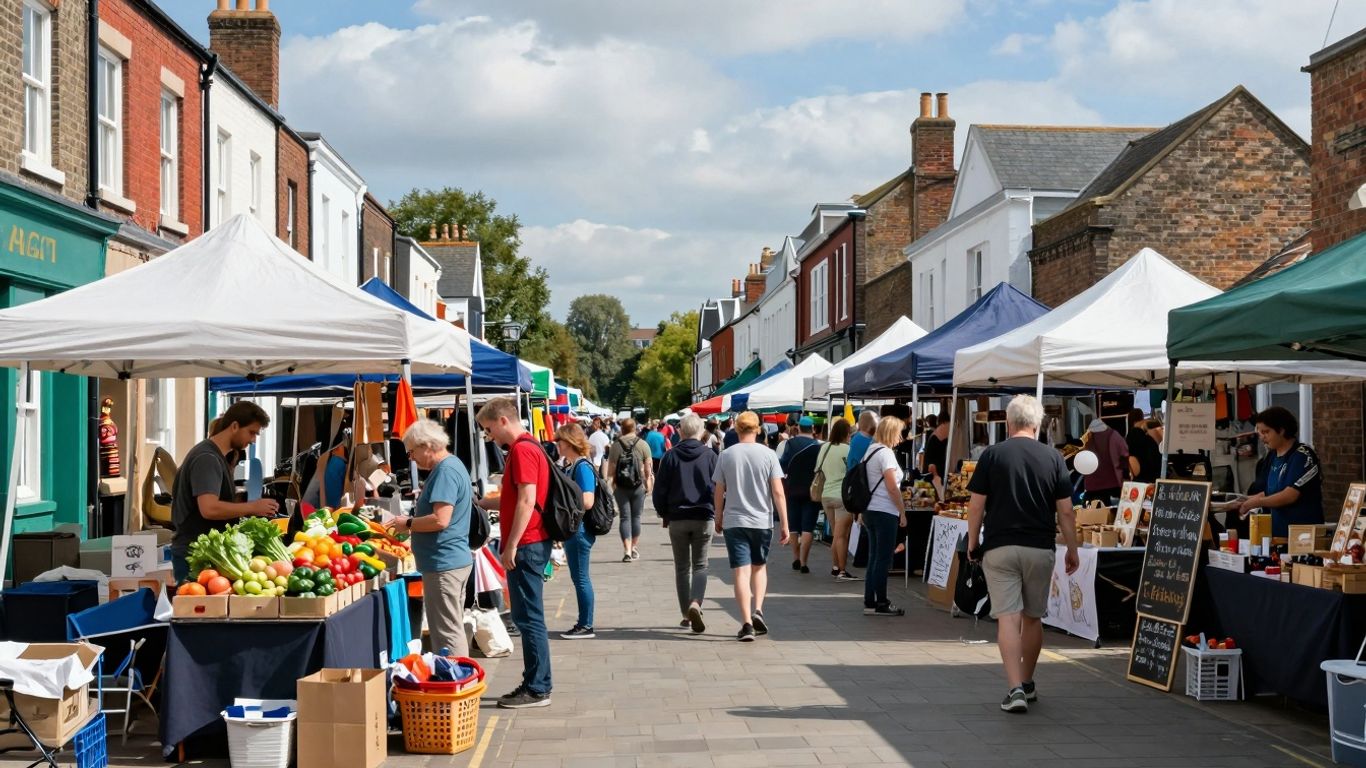
Right then, let’s talk about when you might not need a full-blown street trading licence. It’s not always a one-size-fits-all situation, and knowing the exceptions can save you a lot of hassle and cash.
Exploring Exemptions For Traders
Sometimes, you can trade without a specific street trading licence. This usually depends on what you’re selling and where you’re selling it. For instance, selling newspapers on their own is often exempt. Also, if you’re selling milk from a registered dairy, that might be okay too. It’s always best to check with your local council, though, as rules can vary.
-
Newspapers and periodicals only: If it’s just papers, you might be in the clear.
-
Milk sales: From registered dairies, often exempt.
-
Charitable collections: With the right permits, these are usually fine.
Pedlar’s Certificates And Other Permissions
Got a Pedlar’s Certificate? That could be your ticket to trading without a street trading licence. These certificates are issued by the police and allow you to sell door-to-door or in public places. They’re generally for people who travel around and don’t have a fixed spot. Make sure your certificate is up-to-date and covers your intended trading activities. You can find out more about local regulations for business licenses.
Trading On Private Land Considerations
This is a big one. If you’re trading on private land, you usually don’t need a street trading licence from the council. However, you absolutely will need permission from the landowner. Think of it this way: the council licenses trading on public land, but private land is a different ballgame. Always get written permission from the owner before you set up shop. This avoids any disputes later on.
Always confirm with your local council. What’s exempt in one area might need a licence in another. Better safe than sorry!
Remember, even if you’re exempt from a street trading licence, you still need to follow general laws, like food safety if you’re selling food, and health and safety rules. Don’t get caught out by assuming an exemption covers everything.
Consequences Of Non-Compliance
Right, let’s talk about what happens if you don’t play by the rules. It’s not just a slap on the wrist; there can be some serious downsides to not having the right licence or sticking to the conditions. Think of it like this: the council has these rules to keep things safe and fair for everyone, and ignoring them can cause real problems.
Penalties For Trading Without A Licence
If you’re caught trading without the proper street trading licence, you’re looking at trouble. The most common penalty is a hefty fine. We’re talking potentially hundreds, even thousands, of pounds. It really depends on the council and how serious the offence is. Plus, the council can seize your equipment and stock. Imagine all your hard work and supplies just being taken away – it’s a nightmare scenario.
-
Significant fines: Councils can issue fixed penalty notices or take you to court.
-
Seizure of goods: Your stall, equipment, and any products can be confiscated.
-
Prosecution: In serious cases, you could end up with a criminal record.
Don’t risk it; always make sure your licence is sorted before you even think about trading.
Consequences Of Breaching Licence Conditions
Even if you have a licence, you’ve got to stick to the conditions that come with it. These aren’t just suggestions; they’re legal requirements. Breaching them can lead to:
-
Warnings: You might get a formal warning first.
-
Fines: Just like trading without a licence, breaking conditions can lead to fines.
-
Licence suspension: Your licence could be temporarily taken away, meaning you can’t trade.
-
Licence revocation: In the worst cases, your licence can be cancelled completely. This means you’d have to reapply from scratch, and it might be harder to get approved next time.
For example, if your licence says you can only trade between 9 am and 5 pm, and you’re still there at 7 pm, that’s a breach. Or if you’re supposed to keep your pitch clean and tidy, and it’s a mess, that’s another problem. These conditions are often about public safety, noise, and keeping the area pleasant for residents and other businesses.
It’s easy to think of licence conditions as just paperwork, but they’re there for a reason. They help make sure your business doesn’t negatively impact the local community or create safety hazards. Following them is just part of being a responsible trader.
The Importance Of Adhering To Rules
Sticking to the rules isn’t just about avoiding penalties; it’s about building a good reputation. When you trade responsibly, you’re seen as a professional. This can lead to:
-
Repeat customers: People like buying from traders they trust.
-
Good relationships with the council: Being compliant makes future applications smoother.
-
Positive community relations: You become a welcome part of the local scene, not a nuisance.
Think about it: would you rather buy from someone who’s clearly organised and following the rules, or someone who looks like they’re cutting corners? It makes a difference. Plus, many conditions relate directly to your own safety and the safety of your customers, like food hygiene or ensuring your stall is stable.
Ensuring Your Trading Pitch Is Suitable

Right then, let’s talk about where you’re going to set up shop. It’s not just about finding a spot with footfall; you’ve got to make sure it’s safe and won’t cause a headache for anyone else. Your pitch needs to be practical, safe, and legal.
Assessing Road Safety Impact
This is a big one. Where you park your van or set up your stall can seriously affect traffic and people walking. Councils will look at accident records for the area. If there have been lots of crashes, they might say no. You also need to make sure your setup doesn’t block pavements or roads, or make it dangerous for anyone trying to cross the street. Think about visibility too – don’t set up on a blind corner where drivers can’t see you or pedestrians.
-
Check for existing accident hotspots.
-
Don’t block pedestrian or vehicle access.
-
Ensure clear sightlines for drivers and walkers.
-
Make sure your customers can park safely nearby if needed.
Avoiding Amenity Issues
Nobody likes a nuisance. Your trading activity shouldn’t create too much noise, smell, or fumes that bother local residents or businesses. If you’re selling hot food, for example, you’ll need to manage your extraction and waste properly. Also, check if there are already plenty of similar businesses nearby. Councils often don’t want too much competition right on top of each other, especially if it impacts existing shops. You might need to get consent from Surrey County Council Highways if you’re trading on a public road.
Councils want street trading to be a positive addition to an area, not a problem. Think about your neighbours and the local environment.
Ensuring Access and Visibility
Your pitch needs to be easy for customers to find and get to. It shouldn’t obstruct entrances to buildings or other businesses. If you’re trading from a vehicle, make sure it’s not so big or badly positioned that it blocks views for drivers at junctions or near crossings. It’s all about making sure your presence is safe and doesn’t create hazards. Remember, you’ll need to get your street trading consent in areas like Peterborough.
-
Keep building entrances clear.
-
Don’t block pavements or cycle lanes.
-
Ensure your unit is visible from a distance.
-
Consider how customers will queue without blocking pathways.
Vehicle And Equipment Compliance
Meeting Food Safety Standards
Got a food truck or van? You’ll need to tick a lot of boxes to keep things legal and safe. Your vehicle must meet strict food hygiene rules. This isn’t just about passing a test; it’s about making sure your customers don’t get ill. Think about how you store food, keep surfaces clean, and manage waste. Local councils often have specific forms, like a ‘Certificate of Compliance’, that you’ll need to fill out. It proves your setup is up to scratch. Get this wrong, and you won’t get your licence.
Health And Safety Requirements
Beyond food, there’s general health and safety. This covers everything from fire safety to making sure your equipment is safe to use. Are your gas canisters stored properly? Is your electrical equipment PAT tested? You need to think about your staff too – do they have the right training? It’s all about preventing accidents. Councils will want to see you’ve thought this through.
Ensuring Your Trading Unit Is Fit For Purpose
Your stall, cart, or van is your shop. It needs to be sturdy, secure, and suitable for what you’re selling. If you’re selling hot food, it needs to withstand the heat and be easy to clean. If you’re selling fragile items, it needs to protect them. It also needs to be safe for customers to approach. Think about stability, especially in windy conditions. A wobbly stall is a no-go.
-
Check your vehicle/unit: Does it meet all relevant laws? (e.g., Food Safety Act, Health and Safety at Work Act).
-
Get certified: If you handle food, you’ll likely need a food hygiene certificate for your unit.
-
Regular checks: Keep up with maintenance and safety checks. Don’t wait for something to break.
Your trading unit isn’t just a place to sell; it’s part of your business’s safety and reputation. Make sure it’s up to the job and keeps everyone safe.
So, What’s the Takeaway?
Right then, getting a street trading licence in the UK might seem a bit of a maze at first, especially when you’re looking at the costs. Remember, the price can really change depending on where you’re setting up shop and whether you’re going it alone or working for someone else. It’s not just a simple fee; there can be other bits and bobs to factor in, like advertising costs if you’re in a fixed spot. The main thing is to get in touch with your local council nice and early. They’re the ones who’ll have the exact figures and tell you exactly what you need to do. Don’t forget to check out all the rules and conditions too, because getting fined or having your licence pulled is definitely not the way to start your street food adventure. Good luck out there!
Frequently Asked Questions
So, how much does a street trading licence actually cost?
Right then, the price can really swing depending on where you’re trying to trade in the UK. Councils set their own fees, so it’s not a one-size-fits-all situation. You might be looking at a few hundred quid for the application itself, but always check with the specific council you’re dealing with. Sometimes there are extra bits to pay for, like advertising your application if you’re trading from a fixed spot.
Do I really need a licence if I’m just selling a few bits from my van?
Generally speaking, if you’re selling anything or offering services from a vehicle, stall, or kiosk in a public street, then yes, you’ll most likely need a street trading licence. It’s all about making sure things are safe and not causing a nuisance. There are a few exceptions, like if you’ve got a pedlar’s certificate or you’re trading on private land, but it’s best to get the official word from your local council.
What if I forget to tell them about a change to my business?
You’ve got to keep your licence details up-to-date. If something changes, like your address or how your business is set up, you need to let the council know in writing, usually within a month. Ignoring this could lead to trouble, so it’s always better to be upfront and tell them what’s going on.
Can I just trade anywhere if I’ve got the licence?
Not quite! Your licence will probably have specific conditions about where and when you can trade. It’s not a free pass to set up shop anywhere you fancy. You need to make sure your chosen spot is safe, doesn’t block anyone, and isn’t causing a massive racket or smell. Councils are pretty keen on keeping things orderly.
What happens if I get caught trading without a licence?
Honestly, it’s not worth the risk. If you’re caught street trading without the proper licence, you could be slapped with a hefty fine, potentially up to £1,000. Plus, if you have a licence but don’t stick to the rules, that can also land you in hot water, with fines or even your licence being taken away.
Are there any situations where I *don’t* need a street trading licence?
Yeah, there are a few cases where you might be in the clear. For example, if you’re selling only newspapers, or if you’re a market trader at a proper licensed market. Having a pedlar’s certificate also means you might not need a separate street trading licence for certain activities. And if you’re trading on your own private land, that’s usually a different ballgame altogether. Always best to double-check with the council though!