

Your Guide to How to Start a Coffee Business in the UK


Opening your own coffee shop in the UK is a pretty exciting idea. Coffee culture here is huge, and there’s definitely room for passionate people to make their mark. But let’s be real, it’s not just about brewing a good cup. There’s a whole heap of stuff you need to sort out before you can even think about serving your first latte. This guide is here to break down how to start a coffee business, covering all the bits and bobs you need to consider, from the legal side of things to making sure your coffee is top-notch.
Key Takeaways
-
Get to know the UK coffee market – understand what people like and what’s trending.
-
Sort out the legal bits: choose your business structure, register your place, and get the right licenses.
-
Figure out your unique coffee shop idea – what makes you special?
-
Work out your finances and find the money you need to get started.
-
Plan your equipment, suppliers, and how you’ll actually run the place day-to-day.
Understanding The Coffee Market Landscape
Right then, let’s get a handle on the coffee scene in the UK. It’s a busy market, but that means opportunity if you know where to look. Think of it like this: people love their coffee, and they’re spending good money on it. So, how do you fit in?
Assessing Market Value And Growth Trends
The UK coffee market is worth a fair bit – we’re talking billions. And it’s not shrinking; it’s actually growing steadily. More and more coffee shops are popping up, both big chains and little independent places. This means there’s demand, but also more competition. You need to know the numbers to see where you can make your mark.
Identifying Key Customer Habits And Preferences
People in the UK are drinking coffee more often. Many adults visit a coffee shop at least once a week, with a good chunk going several times. What do they want? Well, it’s a mix. Some are watching their pennies and want good value. Others, especially the younger crowd, are after something a bit special – think fancy single-origin beans and places that look good on Instagram. Knowing who you’re serving is half the battle.
Spotting Current Trends In Coffee Consumption
What’s hot right now? People are keen on coffee that’s sourced ethically. They also like trying new things, like different brewing methods or unique flavour profiles. For mobile caterers, this is great news. You can offer a rotating ‘guest’ coffee or focus on a couple of really interesting options that stand out from the usual.
Don’t just copy what everyone else is doing. Find your own angle. What makes your coffee special? Is it the beans, the way you make it, or the vibe you create? That’s what will get people talking and coming back.
Here’s a quick look at what’s happening:
-
Market Size: Billions of pounds and growing.
-
Growth Rate: Around 4% year on year.
-
Number of Outlets: Over 20,000 and counting.
-
Customer Frequency: Most adults visit weekly, many more.
Think about your own habits. When do you grab a coffee? What do you look for? Your customers are probably not too different.
Navigating The Legalities Of Starting Up
Right then, let’s get down to the nitty-gritty. Before you can even think about latte art, you’ve got some official bits to sort out. It’s not the most exciting part, but getting it right means you can focus on the coffee, not the paperwork.
Choosing The Right Business Structure
First up, how do you want to run your show? You’ve got a few main options:
-
Sole Trader: Easiest to set up. It’s just you, your business, and your personal finances are all mixed. Good for starting small, but you’re personally on the hook if things go wrong.
-
Partnership: If you’re going in with a mate. You share the work and the profits, but also the risks.
-
Limited Company: This is often the best bet for a coffee shop. You register it with Companies House. It means the business is a separate legal thing from you. If the business owes money, it’s the company’s debt, not yours. It also looks more professional when you’re dealing with landlords or banks.
Registering Your Premises With Local Authorities
This is a big one. You must tell your local council you’re opening a food business. Do this at least 28 days before you open your doors. Environmental Health Officers (EHOs) will want to check your place is up to scratch on hygiene. Get this wrong, and you won’t be serving a single cup.
Understanding Necessary Licenses And Permits
Depending on what you plan to do, you might need more than just the basic registration:
-
Premises Licence: If you’re planning to serve hot food or drinks after 11 pm, or alcohol at any time, you’ll need this.
-
Personal Licence: If you’re selling alcohol, someone in charge needs a personal licence.
-
Pavement Licence: Want tables and chairs outside? You’ll likely need this from your local council.
-
Music Licence: Playing music, even in the background? You’ll need a licence from PPL PRS.
Ensuring Health And Safety Compliance
This is non-negotiable. You need to make sure your coffee shop is a safe place for everyone. This covers:
-
Food Safety: Proper storage, preparation, and serving of food and drinks. Keep things clean!
-
Fire Safety: Have working smoke alarms, clear fire exits, and know your fire procedures.
-
General Workplace Safety: Making sure your staff have a safe environment to work in. Think about trip hazards, safe use of equipment, and first aid.
Getting these legal bits sorted early on saves a massive headache later. It’s all about being prepared and showing you’re a serious business. Don’t cut corners here; it’s the foundation of your whole operation.
Crafting Your Unique Coffee Concept
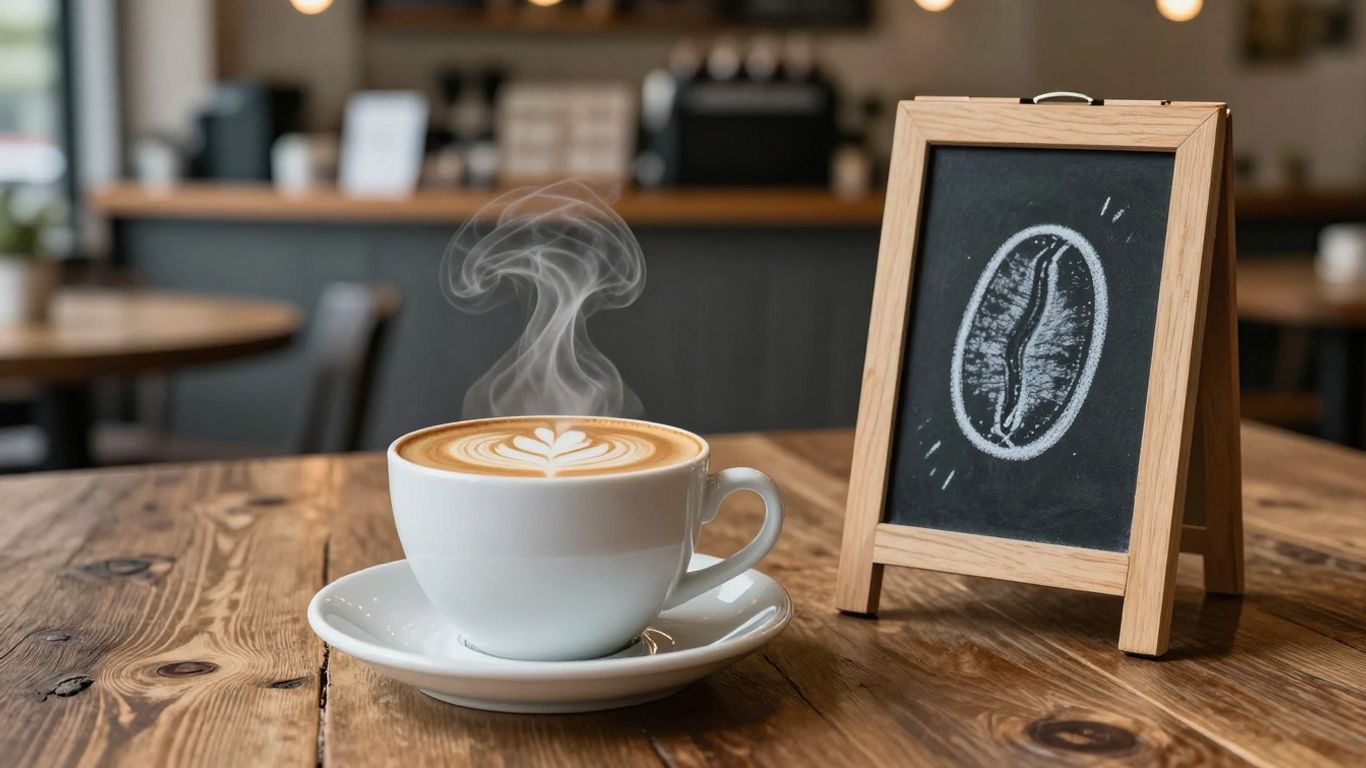
Right then, let’s get down to the nitty-gritty. What’s your coffee shop actually about? This is where you figure out what makes you stand out from the crowd. It’s not just about slinging coffee; it’s about creating an experience.
Defining Your Brand Identity And Aesthetic
Think about the vibe you want. Are you going for cosy and rustic, sleek and modern, or something totally quirky? Your look and feel should match the kind of customers you want to attract. This includes everything from your logo and shop decor to the music you play. Your brand is what people remember.
-
Modern & Minimalist: Clean lines, neutral colours, maybe some cool art. Think quiet focus.
-
Cosy & Traditional: Warm woods, comfy seating, maybe a fireplace. Think relaxed chats.
-
Quirky & Eclectic: Bright colours, unusual furniture, a bit of a ‘happening’ place. Think vibrant energy.
Your shop’s look and feel should be consistent everywhere, from your signage to your social media posts. It all adds up to the customer’s impression.
Developing Your Signature Drink And Food Offerings
What’s your star attraction? It could be a killer espresso blend, a unique seasonal latte, or even a specific type of pastry. Don’t try to be everything to everyone. Focus on doing a few things really well. Consider what your local customers might like. For example, if you’re near offices, quick grab-and-go options are key. If you’re in a residential area, maybe more relaxed brunch items work better. Check out what makes a coffee shop unique to get ideas.
|
Drink Type |
Classic Options |
Signature Twists |
|---|---|---|
|
Espresso Drinks |
Latte, Cappuccino |
Lavender Honey Latte, Chilli Mocha |
|
Cold Brew |
Plain |
Nitro Cold Brew with Vanilla Cream, Fruity Cold Brew |
|
Pastries |
Croissant |
Vegan Brownies, Gluten-Free Scones |
Aligning Your Concept With Local Demand
This is super important. You might love super-strong, single-origin coffee, but if your neighbourhood is full of people who just want a standard milky coffee on their way to work, you’ll struggle. Do a bit of digging. What are people already buying? What’s missing? Talk to potential customers. A mobile coffee cart is great for testing different locations and seeing what sells best before you commit to a permanent spot.
-
Observe: What are other local cafes doing? What’s busy?
-
Ask: Chat with people in the area. What do they want?
-
Test: If you’re mobile, try different spots and see the response.
Remember, your concept needs to make sense for your location and your wallet. It’s about creating something people want and will keep coming back for.
Securing The Necessary Funding
Right, let’s talk money. Starting a coffee business isn’t cheap, but don’t let that put you off. There are ways to get the cash you need.
Estimating Startup Costs And Budgeting
First up, you need to know what you’re aiming for. How much will this whole venture actually cost? Get a notepad and pen, or open a spreadsheet. List everything. Think about the big stuff like your espresso machine and rent, but don’t forget the little bits too – cups, milk, cleaning supplies, maybe even a fancy sign.
Here’s a rough idea of what you might need to budget for:
-
Equipment: Espresso machine, grinders, fridge, till system.
-
Stock: Coffee beans, milk, syrups, pastries, snacks.
-
Premises: Rent deposit, initial decoration, furniture.
-
Legal & Admin: Licenses, insurance, business registration.
-
Marketing: Website, social media ads, flyers.
-
Contingency: Always have a buffer for unexpected costs. Aim for at least 10-15% extra.
Knowing your numbers is key to getting funding.
Exploring Loan Options And Business Credit
If your savings won’t stretch, loans are a common route. Banks offer business loans, but they can be a bit formal. You’ll need a solid business plan to show them.
-
Bank Loans: Traditional, but can take time to approve. You’ll need to prove you can pay it back.
-
Alternative Lenders: Companies like Square offer loans that might be quicker to get. They often take a small percentage of your daily sales, which can be easier to manage than fixed monthly payments.
-
Business Credit: This is like a credit card for your business. You can borrow up to a certain limit, pay it back, and then borrow again. It’s flexible if you’re not sure exactly how much you’ll need.
Always read the fine print on any loan. Understand the interest rates, repayment terms, and any hidden fees before you sign anything. It’s your money, so be smart about borrowing it.
Considering Crowdfunding As A Funding Source
This is where you ask lots of people for small amounts of money. Think of it as getting your community to invest in your dream.
-
Platforms: Websites like Kickstarter or Indiegogo are popular. You set up a page explaining your business and what you need the money for.
-
Rewards: You usually offer something back to people who donate. This could be a free coffee, a discount, or even your own branded merchandise.
-
Marketing: You’ll need to promote your crowdfunding campaign heavily to get people to notice it. It’s a lot of work, but it can build buzz for your business before you even open.
Crowdfunding can be a great way to test the waters and see if people are excited about your coffee shop idea. Plus, you get a ready-made customer base who are already invested in your success.
Essential Equipment And Supplies
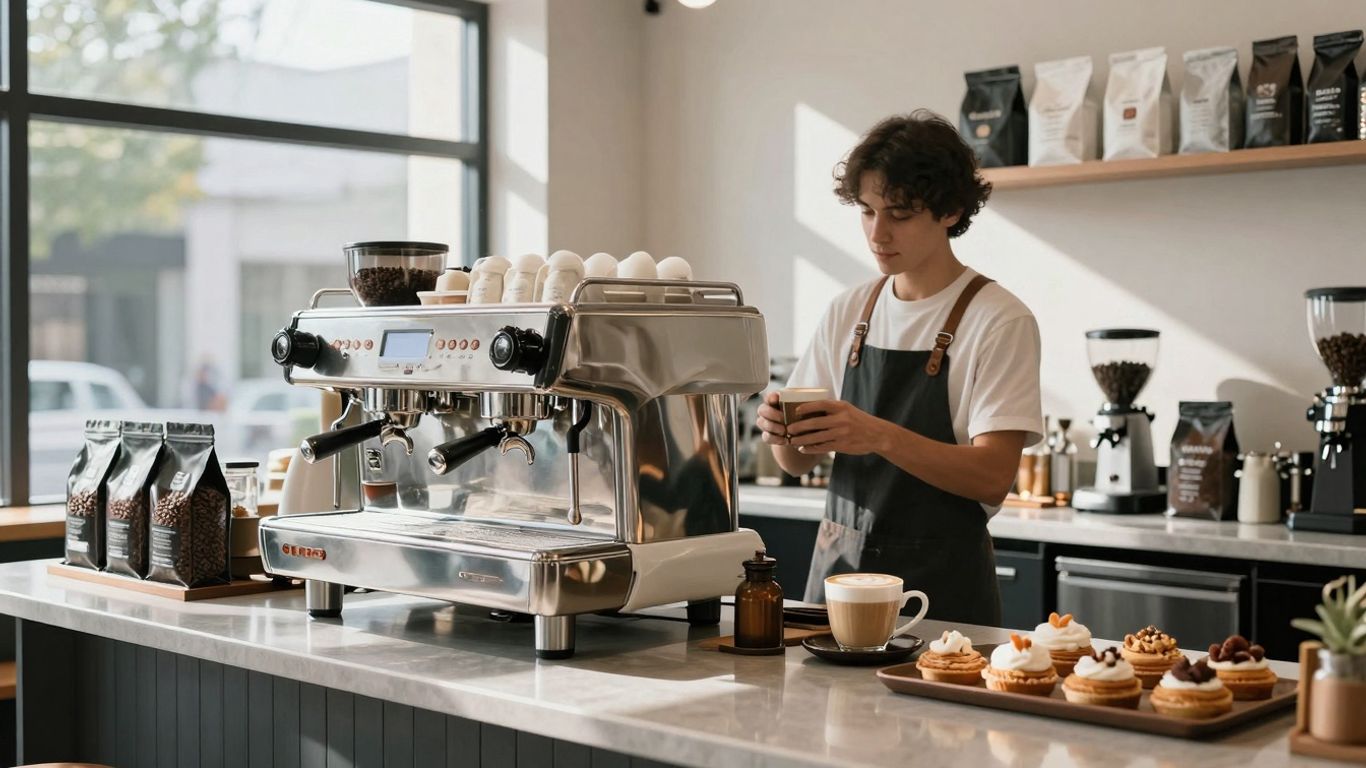
Getting the right kit is a big part of making your coffee business work. It’s not just about having things; it’s about having the right things that help you make great coffee and keep customers happy.
Selecting The Right Espresso Machine
This is the heart of your operation. You need a machine that can handle your expected volume without breaking a sweat. Think about size – does it fit your space? Power – can it keep up during busy spells? And importantly, reliability. A breakdown means lost sales and grumpy customers. Look for machines that are easy to clean and maintain. For mobile caterers, a compact, robust machine is key. Some suppliers offer leasing options, which can be a good way to get a top-quality machine without a huge upfront cost. Check out coffee machine accessories to see what else you might need.
Sourcing Quality Coffee Beans And Ingredients
Your coffee is your star product. Find a good supplier who knows their beans. Talk to them about flavour profiles and what works well for espresso. Don’t forget milk – and alternatives! Having oat, soy, or almond milk is pretty standard now. Syrups, sugars, and any other flavourings should also be sourced from reliable places. Consistency is everything here; you want customers to get the same great taste every time.
Choosing Appropriate Serving And Packaging Materials
How you serve your coffee matters. For dine-in, nice mugs and saucers make a difference. For takeaway, good quality cups are a must. They need to be sturdy, keep drinks hot, and not leak. Think about lids, sleeves, and even stirrers. If you’re doing a lot of takeaway, especially for mobile catering, durable and eco-friendly packaging is a smart move. It shows you care about the planet and your brand image. Don’t forget things like napkins and sugar sachets – the little details count.
Establishing Your Presence And Operations
Right, so you’ve got your concept and your funding sorted. Now, let’s talk about actually getting your coffee shop out there and running smoothly. This is where the rubber meets the road, so to speak.
Finding The Ideal Location For Your Shop
Location, location, location. It’s a cliché for a reason. You need a spot that people can actually find and get to. Think about foot traffic – are there lots of people walking by during the day? Is it easy to get to by public transport or car? Don’t just go for the busiest street; sometimes a slightly quieter spot with a loyal local following can be gold.
-
Check out the local area: Who lives and works nearby? What are their habits?
-
Look at the competition: Is it a good thing or a bad thing? Maybe you can offer something they don’t.
-
Consider the space: Is it big enough for your equipment and seating? Does it need a lot of work?
Your shop’s location is a massive part of your brand. It needs to feel right for the kind of coffee experience you want to create.
Implementing Effective Payment Systems
Making it easy for people to pay is a no-brainer. You don’t want customers fumbling for cash or getting frustrated with a slow card machine. Modern systems are pretty slick these days.
-
Card readers: Get a reliable one that accepts contactless payments. Most people use cards or their phones now.
-
Till system (POS): This does more than just take money. It can track sales, manage stock, and even help with staff rotas. Look for one that’s easy to use.
-
Online ordering/payment: If you plan to offer this, make sure it’s integrated well.
Make sure your payment system is secure and that you understand the fees involved. It’s worth shopping around for the best deal.
Building A Reliable Supplier Network
Your suppliers are your lifeline. You need people you can trust to deliver quality ingredients on time, every time. This is where you build those important business relationships.
-
Coffee Beans: Find a roaster that matches your quality standards and ethical sourcing. Talk to them about their beans and what works best for your concept.
-
Milk & Other Ingredients: Reliable dairy suppliers are key. Don’t forget things like sugar, syrups, and any food items you’re selling.
-
Packaging: Cups, lids, bags – make sure they’re good quality and ideally eco-friendly. Your branding on these is important too.
Having a solid network means fewer headaches and more time to focus on making great coffee and looking after your customers.
Marketing Your Coffee Business Effectively
Getting people through the door and keeping them coming back is key. It’s not just about great coffee; it’s about making your spot a place people want to be.
Developing A Strong Brand And Online Presence
First impressions count. Your brand is what people think of when they hear your name. Is it cosy and relaxed, or modern and fast-paced? Make sure your look and feel match what you offer.
-
Visuals: Use good photos on social media. Show off your best drinks, your space, and your team. Think Instagrammable!
-
Online Listings: Get your business on Google Maps. Make sure your opening hours and address are spot on. People search for coffee shops nearby all the time.
-
Social Media: Post regularly. Share daily specials, behind-the-scenes peeks, or even fun facts about coffee. Engage with comments and messages.
Strategies For Attracting Your First Customers
Getting those first few customers can feel like a mountain to climb. But there are simple ways to get noticed.
-
Soft Opening: Have a quiet opening before the big launch. Invite local businesses or people you know. It’s a good way to test things and get early buzz.
-
Local Links: Team up with other local shops. Maybe a nearby bookshop offers a discount if customers show your coffee receipt, and vice versa. This helps support local establishments.
-
Launch Offers: A special deal for your first week can draw people in. Think a free pastry with a coffee or a discount on your signature drink.
Encouraging Repeat Business And Loyalty
It’s cheaper to keep a customer than to find a new one. Make people feel valued so they choose you every time.
-
Loyalty Cards: The classic stamp card still works. Buy nine coffees, get the tenth free. Or go digital with an app.
-
Know Your Regulars: Greet people by name. Remember their usual order. Small touches make a big difference.
-
Special Events: Host things like live music, poetry nights, or even coffee tasting sessions. This makes your shop a community hub, not just a place to grab a drink.
Building a strong online presence and connecting with your local community are the bedrock of attracting and keeping customers. Don’t underestimate the power of a well-managed Google Business Profile and genuine engagement on social media.
|
Offer Type |
Example |
|---|---|
|
Loyalty Program |
Buy 9, Get 1 Free |
|
Daily Special |
Half-price cold brew on Fridays |
|
Community Event |
Local artist exhibition |
|
Cross-Promotion |
Discount with neighbouring business receipt |
Building Your Team And Managing Operations
Right, so you’ve got your coffee sorted, your shop’s looking sharp, and customers are starting to trickle in. Now comes the real work: keeping it all running smoothly. This means getting the right people on board and having a solid plan for the day-to-day.
Recruiting And Training Dedicated Staff
Finding good staff is a big deal. You want people who are keen, reliable, and can handle a busy rush without getting flustered. It’s not just about making coffee; it’s about making customers feel welcome. Look for a positive attitude and a willingness to learn – that’s often more important than loads of experience.
-
Job Descriptions: Be clear about what you need. Do you need someone who can open up, or just cover the afternoon rush?
-
Interviews: Ask questions that show how they handle pressure. “What would you do if the milk machine broke during the morning rush?”
-
Training: Don’t skimp on this. Make sure everyone knows how to make every drink perfectly, how to use the till, and how to deal with customer queries. A good supplier can sometimes help with barista training.
Implementing Efficient Inventory Management
Running out of milk or, worse, coffee beans, is a disaster. You need a system to keep track of what you’ve got and when you need more.
-
Daily Checks: Quick look at milk, pastries, cups, lids. What’s low?
-
Weekly Stocktake: Proper count of everything. Beans, syrups, cleaning supplies, everything.
-
Ordering: Set a regular day for ordering. Know your suppliers’ lead times so you don’t get caught out.
Keeping a simple logbook can be a lifesaver. Jot down what you used, what you sold, and any issues. It helps you spot patterns and avoid surprises.
Utilising Tools For Business Management
There’s a lot to juggle. Using the right tools can make your life much easier. Think about:
-
Point of Sale (POS) System: More than just a till. Good ones track sales, manage inventory, and can even help with customer loyalty schemes.
-
Scheduling Software: If you have a few staff, this stops double bookings and makes sure you’re covered.
-
Accounting Software: Keep your finances in order from day one. It makes tax time a lot less painful.
Getting these bits right means you can focus on what you do best: making great coffee and looking after your customers.
So, Ready to Brew Up a Business?
Right then, we’ve covered quite a bit, haven’t we? From figuring out your unique vibe to making sure all the paperwork is sorted and you’ve got the right kit. It might seem like a lot, and honestly, there will be days when it feels like it. But remember why you started this – that love for good coffee and creating a place people want to be. Keep that at the front of your mind, stay organised, and don’t be afraid to ask for help or learn as you go. The UK coffee scene is buzzing, and with a bit of grit and a lot of passion, your own coffee shop could be the next big thing. Good luck, and here’s to your first perfect cup served!
Frequently Asked Questions
So, how much dosh do I actually need to open a coffee shop?
Right, buckle up! The cost can swing quite a bit. For a tiny takeaway spot, you might be looking at around £20,000. But if you’re dreaming of a bigger place with comfy seats and all the fancy coffee gear, it could easily zoom past £100,000. It really depends on the size, where you set it up, and the kit you buy.
Is opening a coffee shop a good money-spinner?
Coffee is super popular in the UK, which is brilliant! But, profits can be a bit tight these days because things like wages and the cost of supplies have gone up. Generally, you’re looking at making about 8% profit, which is decent, but it means you’ve got to be smart with your money and keep those customers coming back.
What’s the easiest way to get paid?
You’ll want a good payment system, usually called a Point of Sale (POS) system. Make sure it can take cards, contactless payments (like Apple Pay or Google Pay), and cash too. Some systems can even link up with online ordering, so you can manage everything in one place. Makes life a lot simpler!
Do I really need to register my shop?
Yep, absolutely. You’ve got to tell your local council about your food business at least 28 days before you open. They’ll want to check that everything’s up to scratch with hygiene. Plus, you’ll need to sort out your business structure with HMRC and maybe Companies House, especially if you’re setting up as a limited company.
What kind of coffee machine should I get?
This is a big one! Don’t just grab the flashiest or most expensive machine. Think about your space – how much room do you have? And importantly, can it handle the number of coffees you’ll be making during busy spells? It needs to be the right fit for your specific business.
Where should I even start with my coffee shop idea?
It all kicks off with your concept! What makes your shop special? Is it the super cosy vibe, the amazing artisan coffee, or maybe delicious homemade cakes? Think about what you love, what your customers will want, and how you can make it stand out from the crowd. Your unique selling point is key!