

Your Essential Guide to Successfully Set Up a Market Stall


So, you’re thinking about setting up a market stall? Brilliant! It’s a fantastic way to get your business off the ground, test out your ideas, and connect with customers face-to-face. Whether you’re selling handmade crafts, delicious food, or something totally unique, getting your pitch just right is key. This guide will walk you through how to set up a market stall successfully, from the initial planning to making your stall look amazing and drawing in the crowds. Let’s get you ready to trade!
Key Takeaways
-
Figure out what makes your product special and why people should buy from you.
-
Check out different markets and locations to find the best spot for your stall.
-
Make sure you’ve got all the paperwork sorted, like licences and insurance, before you start.
-
Design your stall to look inviting and make your products easy for people to see and buy.
-
Get the word out about your stall using social media and by being friendly with your customers.
Getting Started With Your Market Stall
Understanding What Market Trading Entails
So, you’re thinking about selling at a market? Brilliant! It’s a fantastic way to get your business off the ground, test the waters, or just earn a bit of extra cash doing something you love. Basically, market trading means setting up a temporary shop, usually a stall or a small stand, in a public place like a street, a town square, or a dedicated market. You’ll be selling your products directly to shoppers who are often looking for something a bit different, unique, or locally made. It’s a hands-on way to learn about retail, customer service, and what people actually want to buy. Think of it as a mini-shop that you pack up at the end of the day.
-
It’s a great way to test new products. If you’ve got an idea, a market is the perfect place to see if people like it without a huge upfront investment.
-
You get direct feedback. Chatting with customers tells you loads about what’s working and what’s not.
-
It’s flexible. You can choose which markets to attend, fitting it around your life.
Remember, each market has its own rules. Always check their trading requirements, fees, and what they expect from sellers before you sign up. Some markets might favour local producers, for example.
Identifying Your Unique Selling Proposition
What makes your stall stand out from the rest? That’s your Unique Selling Proposition (USP). In a busy market, you’ve only got seconds to grab someone’s attention. Your USP is what makes you memorable and why people choose you over the stall next door. It could be your amazing homemade cakes, your super-fast coffee service, or even your friendly chat. Think about what you do best and what makes your product or service special.
-
What problem do you solve? Are you offering the quickest lunch in town, or the most eco-friendly cleaning products?
-
What makes your product different? Is it the ingredients, the design, the origin, or the way it’s made?
-
What’s your story? People connect with passion. Why did you start this business?
Your USP is your hook; make it clear and compelling. For example, a mobile caterer might focus on ‘Authentic Neapolitan Pizza, cooked in 90 seconds from our wood-fired oven’.
Researching Potential Markets And Locations
Choosing the right market is key to success. Don’t just pick the nearest one; do your homework! Think about who shops at each market and if they’re likely to be interested in what you’re selling. A farmer’s market might be great for fresh produce, while a craft market is better for handmade goods. Consider the day of the week, the time of year, and the general vibe of the place. Also, check out the competition – are there already loads of similar stalls?
Here’s a quick checklist:
-
Target Audience: Does the market attract your ideal customer?
-
Footfall: How many people usually visit the market?
-
Location: Is it easy to get to for both you and your customers?
-
Cost: What are the pitch fees, and do they fit your budget?
-
Opening Hours: Do they suit your business and your customers?
Look at local council websites, search online for ‘markets near me’, and even visit potential markets as a shopper to get a feel for them. A well-chosen location can make all the difference to your sales.
Essential Preparations Before Market Day
Right then, market day is looming! Don’t just turn up and hope for the best. A bit of planning goes a long way. Let’s get you sorted.
Securing Your Market Pitch And Necessary Licences
First things first, you need a spot. Markets have rules, and you’ll need permission to trade. Check with the market organiser about available pitches. Some are first-come, first-served, others you book in advance.
-
Confirm pitch size and cost. Does it fit your stall? Is it within budget?
-
Ask about power and facilities. Do you need a generator? Is there running water?
-
Check for specific market rules. Some ban certain items or require specific setups.
Licences are a bit trickier. If you’re selling food, you’ll definitely need food hygiene certificates and possibly a licence from your local council. For other goods, it’s usually less strict, but it’s always worth a quick look on your local council’s website. Don’t get caught out by paperwork.
Understanding Legal Requirements And Insurance
This sounds a bit heavy, but it’s important. Public liability insurance is your best mate. It protects you if someone gets hurt or their property gets damaged because of your stall. Most markets will ask for proof of this before you can trade. It might seem like an extra cost, but it’s cheaper than a big payout if something goes wrong.
Always check the market’s terms and conditions. They’ll tell you exactly what insurance they expect you to have. Some might even include it in your pitch fee, but don’t assume!
Planning Your Stock And Pricing Strategy
Got your products? Great. Now, how much do you need? It’s a balancing act. Too little, and you’ll disappoint customers. Too much, and you’re lugging it all home.
-
Look at past sales. If you’ve traded before, what sold well?
-
Consider the market type. Is it a craft fair or a food market? What do people expect?
-
Factor in the weather. Hot weather might mean more demand for drinks, less for heavy jumpers.
Pricing is key. Make sure your prices cover your costs (materials, your time, pitch fees) and leave you a profit. Look at what similar stalls are charging. You don’t want to be the cheapest or the most expensive without a good reason. Clear pricing makes it easy for customers to buy.
Don’t forget packaging! Have sturdy bags or boxes ready for customers’ purchases. If you sell food, make sure it’s packaged safely and hygienically. Think about branded stickers or simple labels – it all adds to the professional look.
Designing An Appealing Stall Display
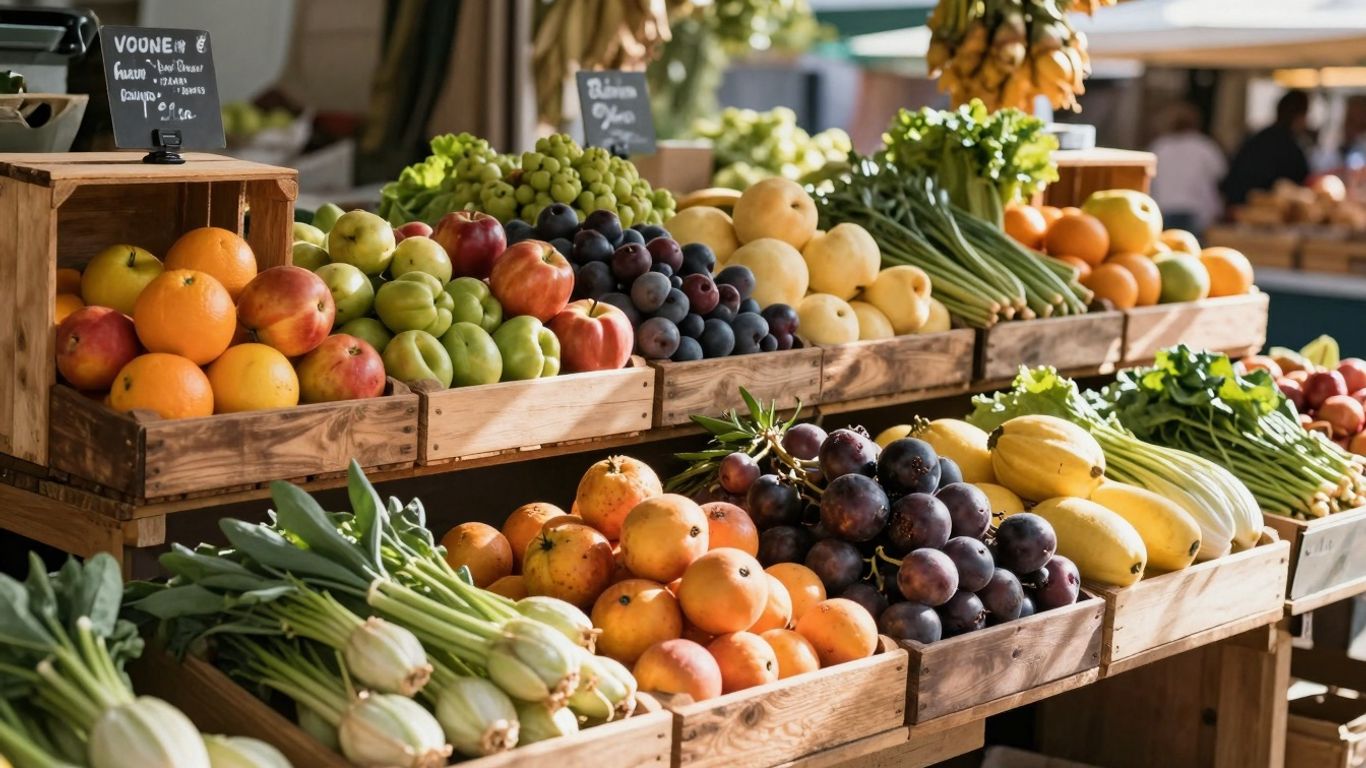
Right then, let’s make your stall look the part. It’s not just about what you sell, but how you show it off. A good display pulls people in, making them curious and wanting to see more. Think of it as your shop window, but on a busy street.
Creating A Visually Engaging Stall Frontage
First impressions count, don’t they? You’ve got seconds to grab attention. Make your stall front welcoming and clear. Use a nice sign with your business name – easy to read from a distance. Think about colours that pop but also match your brand. If you’re selling hot food, a bit of steam or a sizzle can be a great visual draw. For crafts, maybe a bit of your work on display outside the main area.
-
Clear Signage: Your business name should be big and bold.
-
Brand Colours: Use them consistently on your stall.
-
Welcoming Entrance: Make it easy for people to step up.
Utilising Height And Layers For Product Display
Don’t just plonk everything flat on the table. That’s a bit boring, isn’t it? Use boxes, crates, or even old books to create different levels. This makes your products more visible and interesting. Put your bestsellers at eye level, maybe in the middle where people naturally look first. Think about using baskets or tiered stands. It breaks up the flatness and makes it easier for customers to see everything you have. It’s all about making your products look desirable.
Don’t be afraid to get creative with your display. Look around your home for items that could work – old crates, nice jars, even painted tins can add character. The goal is to make your products stand out, not blend into a jumble.
Ensuring Your Stall Reflects Your Brand Identity
Your stall should tell a story about your business. If you sell rustic bread, use wooden crates and hessian. If you’re selling fancy cakes, maybe use a nice tablecloth and some elegant stands. Keep it consistent. This helps customers remember you and understand what you’re about. It’s not just about selling one item; it’s about selling your whole brand. Think about the little things, like the packaging you use or even the music you play (if allowed!). It all adds up to the customer’s experience. You can find some great ideas for market stall setup online to get you started.
Attracting Customers To Your Stall
Right, so you’ve got your stall looking spick and span, but how do you get people to actually stop and buy? It’s all about making them curious and showing them why your stuff is brilliant.
Knowing Your Target Audience And Their Needs
Think about who you’re trying to sell to. Are they busy parents grabbing lunch, or maybe students looking for a bargain? Knowing this helps you tailor what you say and show. If you sell fancy cakes, don’t just stand there looking bored; have a little sign saying ‘Try our award-winning Victoria Sponge!’ or ‘Freshly baked today!’. It gives people a reason to pause.
Offering Samples To Entice Potential Buyers
This is a classic for a reason. A little taster can work wonders. If you’re selling chutneys, offer a cracker with a dollop. For baked goods, a tiny brownie bite is hard to resist. It makes people feel welcome and gives them a direct experience of your product. A free sample is often the first step to a sale.
Standing Out From The Competition
Markets can get busy, and you don’t want to blend in. Look at what other stalls are doing. Are they all selling similar things? How can you be different? Maybe it’s your bright colours, a quirky sign, or a special offer. Don’t be afraid to chat with your neighbours too; they might have some cracking ideas.
Here’s a quick check:
-
Greeting: Smile and say hello to everyone who glances your way.
-
Curiosity: Use signs that ask questions or make bold claims (‘Best coffee in the market? You decide!’).
-
Interaction: Ask simple questions like ‘Have you tried our new flavour?’ to start a chat.
Remember, people are often drawn to a stall that looks busy and inviting. If you can, get a friend to pop by early on to create a bit of buzz. It’s a simple trick, but it works!
Managing Your Market Stall Operations
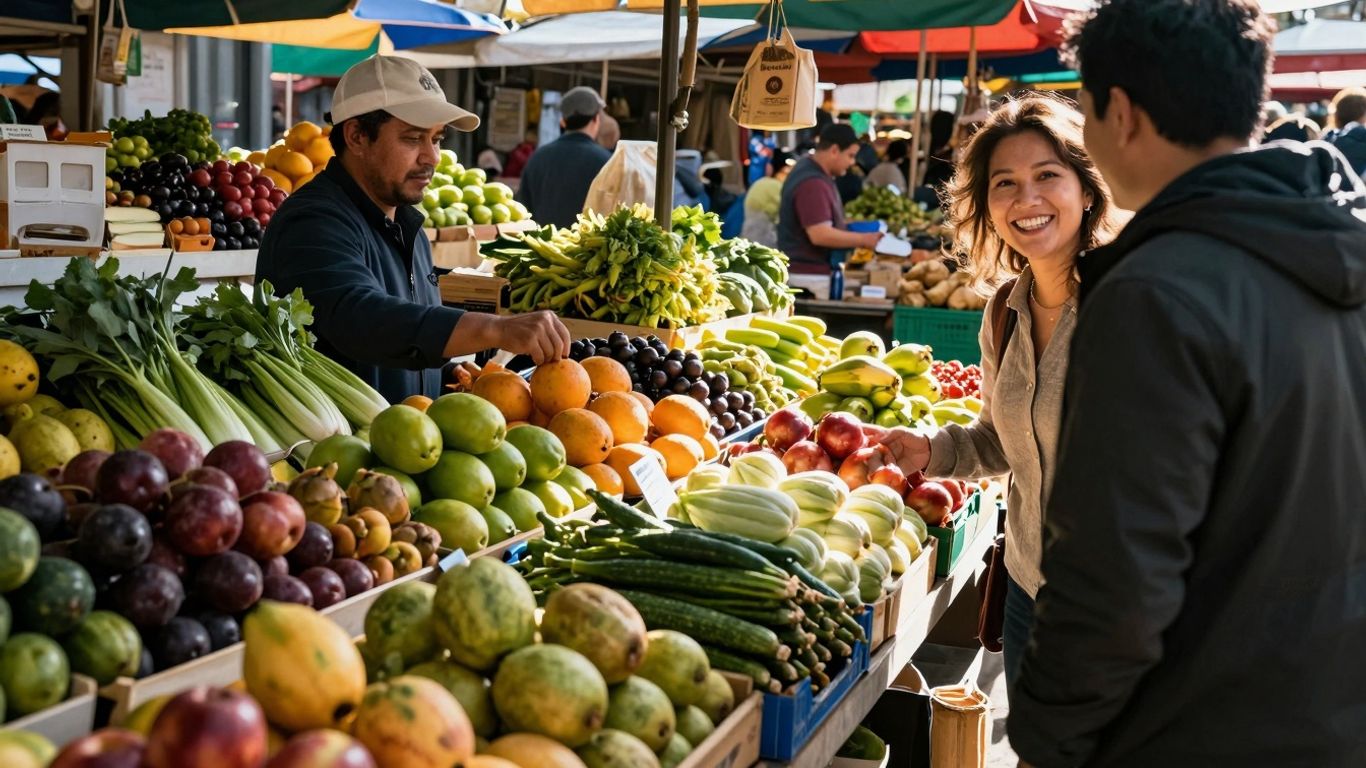
Right then, you’ve got your stall looking spiffy and customers are starting to notice. Now, let’s talk about keeping things running smoothly on market day. It’s all about being organised and ready for anything.
Handling Payments And Stock Effectively
Making it easy for people to pay is a biggie. Most folks these days prefer not to carry cash, so having a card reader is a must. Something like a Square Reader is handy and lets people tap their cards or phones. Don’t forget to keep an eye on your stock levels too. Running out of your bestsellers is a real bummer.
-
Offer multiple payment options: Cash, card, contactless – give customers choices.
-
Keep a running tally of what’s selling well.
-
Know your stock count before you start each day.
Developing Key Skills For Success
Being a market trader isn’t just about selling stuff; it’s about connecting with people. Chatting with customers, being friendly, and remembering faces goes a long way. It builds loyalty and gets people talking about your stall. Good customer service is key to making people come back.
-
Listen to what customers are saying. They often give you the best ideas.
-
Be approachable and ready to answer questions.
-
Handle any issues calmly and politely.
Being prepared for anything is half the battle. A bit of planning goes a long way to making your market day stress-free and profitable. Think about how you can make the customer’s experience as pleasant as possible, from the moment they see your stall to the moment they pay.
Preparing An Emergency Kit For Unexpected Issues
Markets can be unpredictable. You might need a bit of tape, some scissors, or even paracetamol for a headache. Having a small kit with essentials means you can sort out little problems quickly without them turning into big ones. It’s the little things that make a difference when you’re out trading.
-
Sellotape and string
-
Scissors and safety pins
-
Basic first-aid items (plasters, pain relief)
-
Hand sanitiser and wipes
-
A spare phone charger
Don’t forget to check out how to excel at running a market stall for more tips on making your market trading a success.
Promoting Your Market Stall Business
Leveraging Social Media For Wider Reach
Got a cracking product? Tell the world! Social media is your free megaphone. Post regularly on platforms like Instagram, Facebook, and even TikTok. Show off your best sellers, behind-the-scenes prep, and happy customers (with their permission, of course!). Use local hashtags to get found. A quick post with your location on market morning can bring in early birds.
-
Instagram: Perfect for food pics and short videos. Use Stories for daily updates.
-
Facebook: Create events for market days. Engage with local community groups.
-
TikTok: Show your food being made, quick tips, or funny market moments.
Think about running a small online offer, like ‘mention this post for 10% off’. It gets people talking and visiting.
Building Customer Relationships And Loyalty
Markets are all about people. Chat with everyone who stops by, even if they don’t buy. Remember names and faces. Offer a loyalty card – buy five coffees, get one free. It’s simple but effective.
-
Talk: Ask customers what they like and what else they’d buy.
-
Listen: Take on board feedback about your food or service.
-
Remember: A friendly word goes a long way. “Nice to see you again!”
Building a regular customer base is gold. These are the people who will come back week after week, rain or shine. They become your best advertisers.
Considering Future Growth Opportunities
Once you’re a market pro, think bigger. Could you supply local cafes? Offer catering for small events? Maybe even look at a second market pitch?
-
Track Sales: See what sells best and when. This helps you plan.
-
Ask for Feedback: What else do people want to see from you?
-
Network: Chat with other traders. You never know where opportunities lie.
Don’t be afraid to try new things. A new menu item, a different market day, or even a special offer can open up new avenues for your business.
So, What’s Next?
Right then, you’ve made it through the guide! Setting up a market stall might seem like a lot at first, but honestly, it’s all about taking it one step at a time. You’ve got the lowdown on everything from picking your spot to making your stall look the part and keeping things legal. Remember, practice makes perfect, and every market day is a chance to learn and get better. Don’t be afraid to chat with other traders, get feedback from your customers, and most importantly, enjoy the buzz of it all. Go on, give it a go – you might just surprise yourself!
Frequently Asked Questions
How do I pick the best market to sell at?
Have a good look around! See which markets are busy and where people seem to be buying things. Think about who you want to sell to – are they likely to hang out at a fancy farmers’ market or a bustling street market? It’s also a good idea to check out the market’s rules and see if your products fit their vibe. Don’t be afraid to chat with other stallholders to get their inside scoop too.
What sort of things do I need to bring to my market stall?
You’ll need the basics like your products, of course! But also think about a nice display – maybe some shelves or boxes to make your items look good. You’ll definitely need a way to take payments, like a card reader or a cash box. And don’t forget things like change, bags for customers, and maybe even a small toolkit for any last-minute fixes. A comfy chair and a bottle of water are also lifesavers!
How can I make my market stall look more attractive?
Think about making it eye-catching! Use different heights to show off your products, maybe with some crates or stands. Bright colours or a cool sign can really grab attention. Make sure your stall shows what your business is all about – if you sell handmade soaps, make it look natural and clean. It’s all about making people stop and say, ‘Ooh, what’s that?’
Do I really need insurance for my market stall?
Yep, it’s a really good idea! Even if you’re super careful, accidents can happen, especially when things get busy. Public liability insurance can protect you if someone gets hurt or their belongings get damaged because of your stall. Most markets will ask for it anyway, so it’s best to sort it out before you start selling.
How do I get customers to notice me when there are so many other stalls?
You’ve got to stand out! Have a clear, attractive display and make sure your prices are sensible. Offering little tasters of your product can be a great way to get people interested. Also, be friendly and chatty – a smile goes a long way! And don’t forget to tell people online where you’ll be, so they can come and find you.
What legal stuff do I need to sort out before I start selling?
You’ll likely need to get a licence from your local council to trade. If you’re selling food, there are extra rules about hygiene and registration you need to follow. It’s also wise to register as self-employed with HMRC. Don’t worry, most markets will tell you exactly what you need, but it’s always good to be prepared.