

Your Essential Guide to Successfully Set Up a Market Stall


Thinking about setting up a market stall in the UK? It can be a brilliant way to get your business off the ground, or even just a fun side hustle. Loads of big names started out this way, so it’s definitely not a silly idea. But where do you even begin? From figuring out what to sell to making sure you’re legally covered, it can feel like a lot. Don’t worry, though – we’ve got you covered with the lowdown on how to set up a market stall.
Key Takeaways
-
Know your product inside out and make sure there’s a demand for it before you commit.
-
Finding the right market and pitch is super important for getting seen and making sales.
-
Make sure you’ve got all your legal ducks in a row – business registration, licences, and any food safety rules.
-
Your stall needs to look good and work well, so think about your display and what equipment you’ll need.
-
Getting people to your stall and keeping them coming back is all about good service and smart marketing.
Planning Your Market Stall Venture
Understanding The Appeal Of Market Trading
Fancy ditching the usual grind? Market trading offers a cracking way to get your business off the ground. Think lower costs than a shop, direct chats with your customers, and a chance to test your ideas fast. It’s a flexible path, whether you want a side hustle or to go full-time. Loads of big names started small, right on a market stall. It’s a proven route to building something of your own.
Assessing The Profitability Of Your Idea
Absolutely, market trading can be profitable. Many traders make a good living, and some even hit six figures by expanding. Profitability hinges on a few things: your product, your pitch, and how you sell. You need a decent profit margin – aim for at least double what it costs you to make or buy your product. This covers your stall fees, travel, and your time. Repeat business is gold, so think about products people will buy again and again.
A good rule of thumb is to aim for a profit margin of at least 50%.
Determining If Market Trading Is Right For You
It’s not for everyone, but if you like talking to people, are happy to work weekends, and can handle a bit of graft, then yes! You need to be organised and ready to adapt. It’s a hands-on way to learn about business. You get instant feedback, which is brilliant for tweaking your products or service. If you’re keen to get started without massive upfront costs, market trading is a solid option. You can even use it to test the waters before committing to a permanent shop.
-
Do you enjoy talking to customers?
-
Are you happy working outdoors in various weather?
-
Can you handle the physical work of setting up and packing down?
-
Are you organised and able to manage your own time?
Setting up a market stall is more than just selling stuff; it’s about building a connection. You’re the face of your business, and that personal touch is what makes people come back. It’s a dynamic environment where you learn fast and can pivot quickly based on what your customers want.
Choosing What To Sell
Right then, what are you actually going to flog? This is a biggie. Get it wrong, and you’ll be staring at your stock all day. Get it right, and you’ll be counting the cash.
Identifying Your Profitable Product
First things first, what’s going to make you money? Have a good look around at other markets. What’s busy? What are people actually buying? Chat to other traders if you can; they’re usually happy to share what’s shifting. Think about products that people will come back for. Things you can eat, drink, or use up, like candles or soap, are brilliant for repeat business. While big-ticket items are great, you need a steady stream of customers. Also, consider if your product is seasonal. Christmas decorations are ace in December, but not so much in July. Aim for things that sell all year round.
-
Scout the markets: See what’s popular and what people are buying.
-
Check online: Use Google Trends or look at bestsellers on eBay and Etsy.
-
Test run: Try selling a few bits online or at a smaller event first to get feedback.
Profitability is key. Aim for a decent profit margin – at least double what it costs you to make or buy your product. This needs to cover your stall fees, travel, and your time.
Assessing Competition For Your Niche
Got a cracking idea? Brilliant. Now, are there ten other people doing the exact same thing? If you’re selling, say, handmade soaps, and the market already has three soap sellers, you need to stand out. What makes yours different? Is it the ingredients? The packaging? The scent? Find your angle. Don’t just be another stall; be the stall. You’re not just selling a product; you’re selling an experience. Make sure your product fits the market vibe and the people who shop there. A fancy artisan cheese might do great at a farmers’ market, but maybe not so much at a general car boot sale. You can find some great handmade project ideas to boost your sales here.
Ensuring Your Product Fits The Market Vibe
Think about who shops at the market you’re considering. Are they looking for bargains, or are they after something unique and high-quality? If you’re selling gourmet dog treats, a busy farmers’ market is probably a better bet than a general car boot sale. Consider the overall atmosphere. A stall selling quirky, handmade jewellery might fit perfectly at an artisan market, but perhaps not at a traditional street market focused on everyday essentials. Your product needs to feel at home where you’re selling it.
Here’s a quick guide to pricing:
|
Item Type |
Sales Volume |
Profit Margin |
Notes |
|---|---|---|---|
|
Cheaper Items |
High |
Lower |
Attracts more people, but less profit per item. |
|
Mid-Range Goods |
Medium |
Medium |
Good balance of affordability and profit. |
|
Higher-End Goods |
Low |
Higher |
Sells less but draws attention to the stall. |
Remember, your earnings depend on what you sell, where you sell it, and how often you’re there. Some traders make a full-time income, but it takes work and smart choices.
Finding The Perfect Pitch
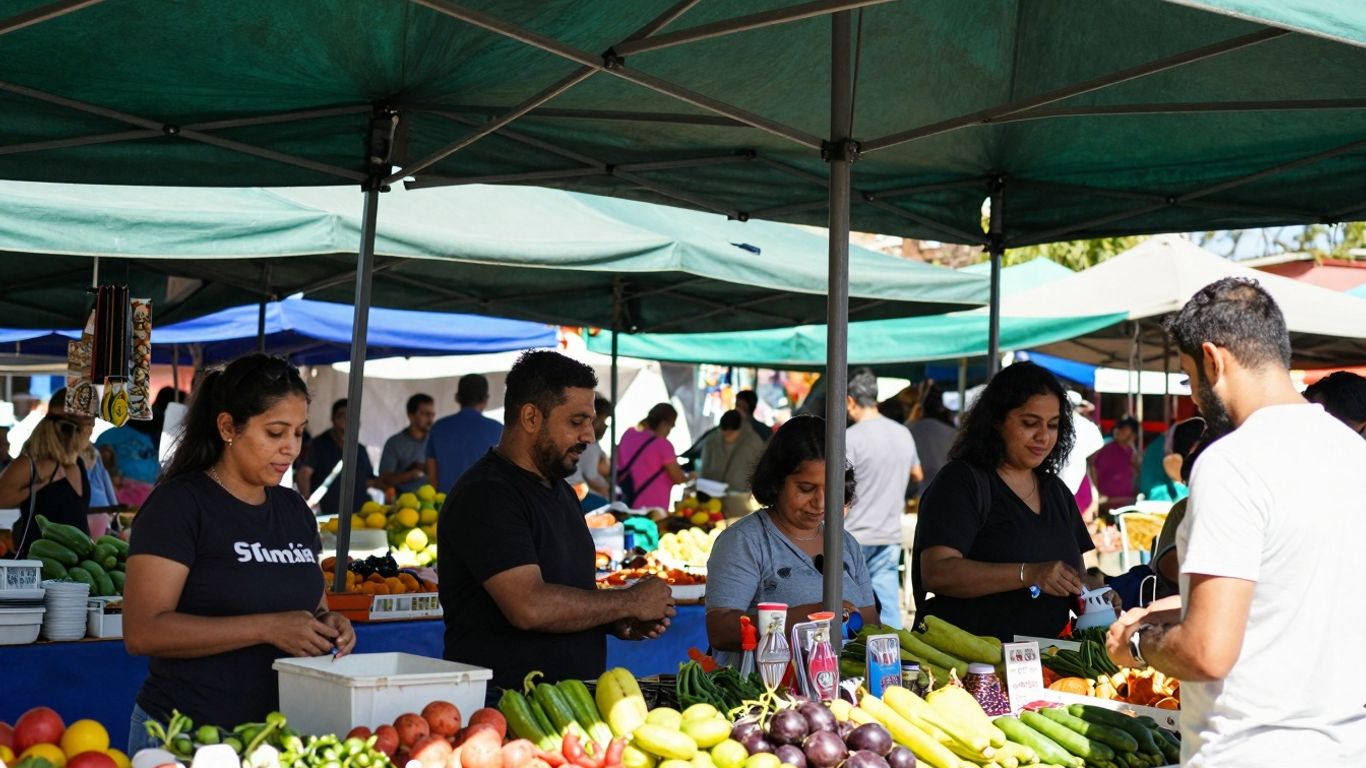
Right then, let’s talk about where you’re actually going to set up shop. Choosing the right spot is a big deal. It’s not just about finding a patch of pavement; it’s about putting yourself in front of the right people. A cracking location can make or break your day, so let’s get this sorted.
Exploring Different Types Of Markets
Not all markets are created equal, and knowing the difference helps you pick the best one for your goods. Think about who you want to sell to and what you’re selling.
-
Traditional Street Markets: Good for everyday items and food. Lots of regular shoppers, but can be busy and competitive. Think fruit and veg, or a solid burger van.
-
Farmers’ and Artisan Markets: More about quality and local produce. Great for fancy cakes, handmade pies, or speciality coffee. The crowd here often has more cash and is looking for something special.
-
Pop-Up & Event Markets: Think festivals, one-off fairs, or seasonal events. Brilliant for a quick boost, especially if the event matches your goods. You might pay a bit more, but the right event can be a goldmine.
What To Look For In A Market Location
Even within a good market, some spots are better than others. You want to be seen and easily accessible. The best pitches often get snapped up quickly, so do your homework and apply early.
Here’s what to check:
-
Footfall: Is it on a main path? Near an entrance? Where do people naturally walk?
-
Visibility: Can people see your stall from a distance? Is it blocked by other stalls or structures?
-
Competition: Are you right next to someone selling the exact same thing? Maybe a bit of distance is better.
-
Facilities: Do you need power? Water? A place to dump rubbish? Check if the pitch offers these.
-
Shelter: Is it exposed to the wind and rain? A bit of cover is a lifesaver on a bad day.
Securing Your Market Stall Pitch
Once you’ve got an idea of where you want to be, it’s time to make it happen. This usually involves a bit of paperwork and a chat with the market organisers.
-
Research & Contact: Find out who runs the market. Check their website or give them a call.
-
Application: Most markets have an application form. Be ready to tell them about your business, what you sell, and maybe send photos of your stall.
-
Fees & Terms: Understand the costs. Is it a daily fee, a weekly charge, or a percentage of your sales? Make sure you know exactly what’s included.
-
Confirmation: Get everything in writing. Your pitch booking, the fees, the dates, and any rules you need to follow.
Don’t leave securing your pitch to chance. A prime spot can make a huge difference to your sales, so be organised and apply well in advance.
Legal Requirements For Setting Up A Market Stall
Right then, let’s get down to the nitty-gritty. Trading legally means you can focus on selling, not worrying about fines. It’s not as scary as it sounds, promise.
Registering Your Business As A Sole Trader
Most market traders start as sole traders. It’s the simplest way to get going. You’re essentially your own boss, and the business is just you. You need to tell HMRC you’re trading. This is how you pay tax on your earnings. Keep good records: Jot down all your income and every penny you spend on the business. This makes tax time much easier. File your tax return: Once a year, you’ll send a tax return to HMRC. If your turnover reaches the VAT registration threshold of £85,000 in any 12-month period, you must register for VAT.
Understanding Market Licences And Permits
This is a big one. You’ll almost certainly need a licence or permit to trade. Who issues them? Your local council or the market organiser themselves. Check the market’s rules first, as some have their own application process. You might need photos of your stall. Then, contact your local council. Search their website for ‘market trading licence’ or ‘street trading permit’. Expect to show ID, proof of address, and details of what you’re selling. You’ll also need Public Liability Insurance. There’s usually a charge, which varies. Some markets are super casual – you just turn up and pay a daily fee. But for most, you need to apply in advance. Trading without the right paperwork can lead to hefty fines or even being banned. You can find details on registering your business if you haven’t already.
Essential Food Safety Regulations
If you’re selling food or drinks, then yes, you absolutely do! You’ll need to make sure you’re following strict food safety rules to keep everyone healthy. At least one person handling food needs a Level 2 Food Hygiene Certificate, which you can usually get online pretty easily. Plus, you’ll need to register your food business with your local council at least 28 days before you start trading. This means safe storage, handling, and cooking. Think about things like temperature control and preventing cross-contamination. Allergen info is key: If you sell pre-packaged food, you need to list all ingredients and allergens clearly. Even for unpackaged food, be ready to answer customer questions about what’s in it. Trading without proper food safety measures can lead to serious trouble, including fines and even closure. Get this right from the start.
Don’t forget insurance! Public Liability Insurance is a must for most markets, covering you if someone gets hurt at your stall. If you sell food, Product Liability Insurance is also wise. If you ever hire staff, Employers’ Liability Insurance is a legal must.
Essential Equipment For Your Market Stall
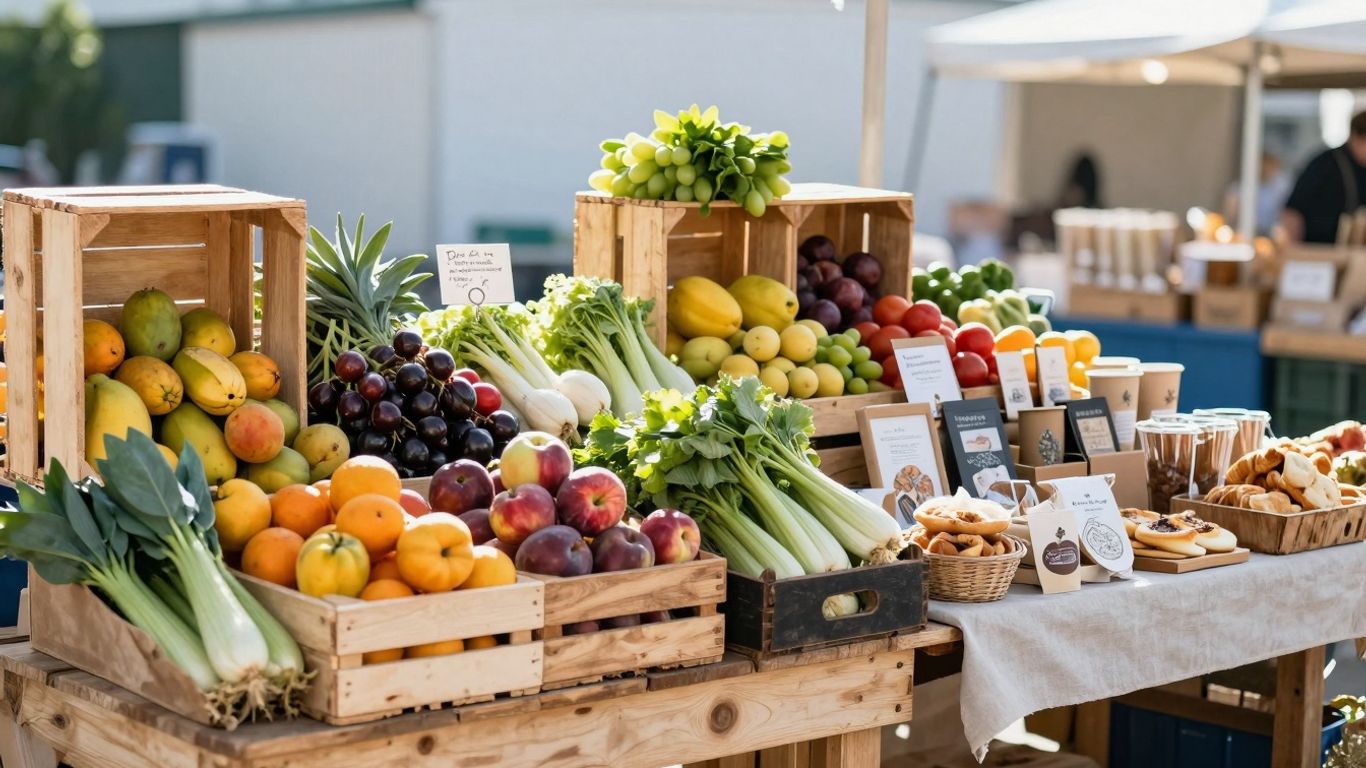
Right, let’s talk gear. Getting the right kit makes a massive difference to your day. It’s not just about looking the part; it’s about working smart and keeping things safe.
Choosing Between Pop-Up Gazebos And Fixed Stalls
Most traders go for either a pop-up gazebo or a fixed stall. If you’re moving around, a gazebo is your best bet. They’re quick to put up and take down, and you can brand them up nicely. Some markets have fixed spots, which means less daily hassle but less flexibility.
-
Pop-Up Gazebos: Great for flexibility. Look for strong aluminium frames, like hexagonal legs, and durable, waterproof covers. Make sure it’s easy to transport. Brands like Gala Shade are popular for a reason – they’re built tough.
-
Fixed Stalls: If you’ve got a regular spot, these are sturdy. They often come with built-in shelving or canopies. Less setup, but you’re tied to that location.
Essential Display And Storage Solutions
Your stall’s look should instantly tell people what you’re about. Getting it all together needs a plan. Think about what you need before you even get to the market.
-
Branding Consistency: Use your logo and brand colours on everything – your tablecloths, your signs, even your packaging if you can.
-
Tablecloths & Covers: A clean, well-fitting tablecloth makes a huge difference. It hides messy table legs and gives a polished look.
-
Vertical Space: Use shelves or crates to stack items. This makes your stall look fuller and more interesting, and it saves precious table space.
-
Secure Everything: Make sure your signs are firmly attached and your gazebo is weighted down. Safety first!
A cluttered stall can make customers feel overwhelmed. Keep it simple, organised, and easy to browse. This shows you’re professional and respect their time.
Ensuring Your Equipment Is Safe And Secure
First impressions are massive. If people can’t see you, they can’t buy from you. Make sure your stall shouts ‘look at me!’ from a distance.
-
Weighting Down: Always secure your gazebo. Wind can be a real danger. Use proper weights or stakes.
-
Secure Displays: Make sure shelves and display units are stable. Nothing worse than your products tumbling down.
-
Test Tech: If you’re using any screens or payment devices, test them beforehand. Nothing worse than a frozen screen or a card machine that won’t connect.
-
Food Safety: If you’re selling food, temperature control is key. Use insulated boxes or fridges to keep food safe. Check your fridge temperatures regularly.
Designing An Appealing Market Stall Display
Right, let’s make your stall a magnet for customers. It’s not just about what you sell, but how you present it. Think of your stall as your shop window – it needs to grab attention and tell a story.
Prioritising Functionality Over Clutter
First things first: keep it tidy. A messy stall looks unprofessional and makes it hard for people to see what you’re offering. Think about flow. Can people easily walk up, see your goods, and buy without bumping into things? Leave space. A bit of breathing room makes a big difference.
-
Clear Pathways: Make it obvious where customers should go. No one likes feeling boxed in.
-
Eye-Level Placement: Put your best sellers or most attractive items where people can easily see them. Top shelves or the front of tables are prime spots.
-
Vertical Space: Use shelves or crates to stack items. This makes your stall look fuller and more interesting, and it saves precious table space.
A cluttered stall can make customers feel overwhelmed. Keep it simple, organised, and easy to browse. This shows you’re professional and respect their time.
Creating An Inviting Atmosphere
This is where you set the mood. Lighting and colour play a huge part. What vibe are you going for? Bright and energetic for daytime treats, or warm and cosy for evening comfort food?
-
Lighting: Use battery-powered LEDs to highlight key products or your signage. Fairy lights can add a lovely touch in the evening. Avoid harsh, single overhead lights if possible.
-
Colour Scheme: Stick to your brand colours. If you sell coffee, think warm browns and creams. For ice cream, bright, fun colours work well.
-
Branding: Use your logo and brand colours on everything – your tablecloths, your signs, even your packaging if you can.
Using Eye-Catching Signage And Displays
First impressions are massive. If people can’t see you, they can’t buy from you. Make sure your stall shouts ‘look at me!’ from a distance.
-
Big, bold signs: Your stall name and what you sell should be clear from 20 paces. Use contrasting colours.
-
Promotions front and centre: Got a deal? Make it unmissable. A-frame boards or a simple blackboard work wonders for daily specials.
-
Showcase your best: Don’t hide your products. Arrange them so people can see the quality and variety. Think about height and colour.
Your stall’s look should instantly tell people what you’re about. A well-branded gazebo can really help with brand recognition across the market.
Your stall is your shop window. If it’s messy or hard to read, people will just walk on by. Keep it tidy, bright, and informative.
Driving Footfall To Your Market Stall
So, your stall looks the part. Now, how do we get people to actually stop and buy? It’s all about making your stall a magnet. Think of it as a performance – you want an audience!
Making Your Stall Stand Out From The Crowd
First impressions are massive. If people can’t see you, they can’t buy from you. Make sure your stall shouts ‘look at me!’ from a distance. Your stall’s look should instantly tell people what you’re about. Branding consistency is key – use your logo and brand colours on everything, from your tablecloths to your signs. A clean, well-fitting tablecloth hides messy table legs and gives a polished look. And please, secure everything! Make sure your signs are firmly attached and your gazebo is weighted down. Safety first!
-
Big, bold signs: Your stall name and what you sell should be clear from 20 paces. Use contrasting colours.
-
Promotions front and centre: Got a deal? Make it unmissable. A-frame boards or a simple blackboard work wonders for daily specials.
-
Showcase your best: Don’t hide your products. Arrange them so people can see the quality and variety. Think about height and colour.
Your stall is your shop window. If it’s messy or hard to read, people will just walk on by. Keep it tidy, bright, and informative.
Offering Incentives To Visit
Give people a reason to choose your stall over the one next door. A little nudge can go a long way. Limited-time offers create urgency – think “Today only!” or “This weekend only!”. Free samples are brilliant if you sell food or drink; it’s the best way to sell. Loyalty perks, like a simple stamp card or a “buy 5, get 1 free” offer, encourage repeat visits. Remember, getting someone to buy from you once is good, but getting them to come back is where the real magic happens. Hand out business cards with your social media handles and maybe a website. A simple QR code can make it super easy for people to follow you online instantly. Check out market stall tips for more ideas.
Leveraging Your Online Presence
Don’t hide behind your table! Be visible, be friendly, and be ready to chat. People buy from people they like. Greet everyone with a simple “hello” or “morning”. Be approachable – stand at the front of your stall, make eye contact. Have a quick pitch ready: know what makes your product special and be ready to say it in a sentence or two. Don’t overwhelm them, just pique their interest. Keep them in the loop by collecting email addresses (with permission!) to let people know about new products or special offers. A quick email blast can bring people back to your stall.
So, Ready to Get Trading?
Right then, setting up a market stall might seem like a lot at first, with all the paperwork, licences, and figuring out your pitch. But honestly, it’s totally doable. We’ve walked through the main bits, from getting your business sorted with HMRC to making sure your stall looks the part and keeps customers happy. Remember, it’s all about being prepared, knowing your stuff, and just getting stuck in. Markets are brilliant places to start a business, meet loads of people, and really see if your idea flies. Don’t be afraid to ask questions, learn as you go, and most importantly, have a good time doing it. Good luck out there!
Frequently Asked Questions
Do I really need a licence to sell at a market?
Yep, pretty much! Most UK markets need you to have a licence or a trading permit before you can set up shop. You’ll usually get this from the local council or the market organisers themselves. It’s super important to sort this out, otherwise, you could face fines or even get banned from trading in the future. Always check with the market organisers or your local council well in advance.
How much money can I actually make?
It really varies, but loads of market traders make a good living from it! Your earnings depend on what you’re selling, where you’re trading, and how often you’re there. Some traders even make a full-time income. Things like having a popular spot, selling stuff people want, and getting customers to come back can make a big difference to your profits.
What’s the best thing to sell?
That’s the million-dollar question! You need to pick something that sells well at markets, has a decent profit margin (meaning you make enough money after costs), and ideally, something people will want to buy again. Have a look around at busy stalls, see what catches your eye, and think about what makes your product a bit special or different from what’s already out there.
Do I need special training if I’m selling food?
Absolutely! If you’re selling food, you’ll need to register as a food business with your local council at least 28 days before you start. Plus, at least one person handling the food needs a Level 2 Food Hygiene Certificate. You can usually do these online pretty easily. It’s all about keeping your customers safe, so it’s really important to get this right.
How do I make my stall stand out from the others?
First impressions count big time! Make sure your stall looks inviting and tells people what you’re selling straight away. Use bright, clear signs with your business name and what you offer. Arrange your products nicely so they’re easy to see. Think about using your brand colours and maybe even some simple decorations to create a welcoming vibe. A tidy, attractive stall really draws people in.
What’s the most important thing to remember when setting up?
Honestly, it’s about being prepared and organised. Know what you’re selling inside out, make sure you’ve got all your legal bits sorted (like licences and registration), and have all your equipment ready to go. Don’t forget insurance, too! A well-planned setup means you can focus on selling and chatting with customers, rather than worrying about last-minute problems.