

Your Essential Guide to Starting a Food Van Business in the UK


Thinking about starting a food van business in the UK? It’s a pretty cool idea, right? Imagine whipping up tasty treats and serving them up from your own mobile kitchen. It sounds like a dream, and it totally can be, but like most things that are worth doing, there’s a bit involved. We’ve put together this guide to help you get to grips with everything you need to know to get your food van venture rolling.
Key Takeaways
-
Before diving in, really think about the good and bad points of running a food van. It’s cheaper than a restaurant, but you’ll be working in a smaller space and probably long hours.
-
When picking your van, consider what food you want to make and how much equipment you’ll need. There are loads of options, but make sure the vehicle is in good shape.
-
You can’t just park up and start selling anywhere. You’ll need to sort out the right licences and permissions from your local council for where you plan to trade.
-
Food safety is super important. You need to register your business, get food hygiene certificates, and have plans like HACCP and risk assessments ready.
-
A solid business plan is a must, especially if you need money to get started. Don’t forget to tell everyone about your business online and offline to get customers through your serving hatch.
Planning Your Food Van Venture
Choosing Your Unique Food Concept
Right, first things first. What are you actually going to sell? This is your hook, your reason for people to queue up. Think about what you love to cook, but also, what’s missing from your local area. Is there a gap for amazing vegan street food? Or maybe cracking gourmet grilled cheese? Don’t just copy what everyone else is doing. Find your niche and own it.
-
Passion Project: What food makes you happy?
-
Market Gap: What’s not readily available?
-
Profitability: Can you make decent money from it?
Consider cuisines that are a bit different too. Think Ethiopian, Filipino, or Malaysian. If you’re genuinely excited about it, that passion will shine through.
Crafting a Solid Business Plan
This sounds boring, but it’s your roadmap. It stops you wandering aimlessly. It’s also what banks or investors want to see if you need cash.
-
Your Concept: What you’re selling and why it’s special.
-
Target Market: Who are you selling to?
-
Menu & Pricing: What’s on offer and how much will it cost?
-
Marketing: How will people find you?
-
Financials: How much will it cost to start, and how much do you expect to make?
Be realistic. Don’t promise the moon. A solid plan shows you’ve thought it through.
A business plan isn’t just for getting loans. It’s your personal guide to making smart decisions, especially when things get tough in the first year.
Understanding the Pros and Cons
Every business has ups and downs. Food vans are no different.
Pros:
-
Lower Startup Costs: Compared to a brick-and-mortar restaurant.
-
Flexibility: You can move to where the customers are.
-
Direct Customer Contact: Build relationships and get instant feedback.
-
Lower Overheads: No huge rent bills.
Cons:
-
Vehicle Reliability: Breakdowns mean no income.
-
Weather Dependent: Rain or snow can kill your trade.
-
Competition: The market can get crowded.
-
Regulations: Licences and permits can be a headache.
-
Long Hours: It’s hard work, often with unsociable hours.
Navigating Food Van Regulations
Right, let’s get down to the nitty-gritty. You’ve got the truck, you’ve got the food idea, but what paperwork do you actually need? It can feel like a maze, but getting these sorted means you can trade without worry.
Essential Food Business Registration
First things first, you need to tell your local council you’re in business. You must register your food business at least 28 days before you start trading. This is a legal requirement and it’s free. It lets the council know you’re operating and allows them to help you. They’ll likely send an environmental health officer to check your van out.
Securing Street Trading Licences and Consents
This is a big one. You can’t just park up anywhere and start selling. Different areas have different rules.
-
Licensed Streets: You’ll need a full Street Trading Licence. These are usually busy spots, and it can be competitive to get one.
-
Consent Streets: You’ll need Street Trading Consent. This is often a simpler process, but you still need permission.
-
Prohibited Streets: Trading is banned here. Think main roads or busy junctions – basically, anywhere unsafe or impractical.
Always check with your local council. They’ll tell you exactly what you need for the areas you want to trade in. The cost can vary a lot, so factor this into your budget.
Trading on private land, like at a festival or a private event, usually has different rules. The event organiser often has a blanket licence, but always double-check their specific requirements for food vendors.
Driving Licence Requirements for Your Van
Can you actually drive the van? A standard UK driving licence (Category B) usually covers vehicles up to 3.5 tonnes. If your fully kitted-out food truck is heavier, you’ll need a Category C1 licence. It’s a simple check that avoids big problems later. Make sure you know your van’s weight and what licence you need before you hit the road.
Equipping Your Mobile Kitchen
Selecting the Right Vehicle for Your Needs
Your food van is your business on wheels. Get this wrong, and it’s a recipe for disaster. Think about what you’re cooking and how much kit you need. A tiny van won’t cut it if you’re planning a full fry-up menu.
-
Sketch your ideal kitchen layout. What equipment is a must-have? Griddle? Fryer? Fridge? Sink? Prep space? Don’t forget storage for stock and packaging.
-
Consider your menu. A coffee van needs less kit than a burger joint. Match the vehicle size to your cooking needs.
-
Think about the vibe. A retro van might suit artisan bakes, while a modern van works for street food.
The vehicle needs to be practical, not just pretty. Check its service history and get a mechanic to give it a once-over, especially if it’s second-hand. Rust is a big no-no.
Essential Cooking and Safety Equipment
This is where the magic happens. You need gear that’s tough, reliable, and fits your space. Safety first, always.
-
Cooking Gear: Griddles, fryers, ovens, hobs, microwaves, toasters. Whatever your menu demands.
-
Prep & Storage: Fridges, freezers, prep tables, shelving. Keep things cool and organised.
-
Serving: A good serving hatch is key. Think about how customers will see your amazing food.
-
Safety Kit: Fire extinguishers, first-aid kit, non-slip flooring, good ventilation. This is non-negotiable.
Don’t forget smaller bits like pots, pans, utensils, and serving dishes. It all adds up!
Ensuring Gas Safety Compliance
If you’re using gas for cooking, this is super important. Get it wrong, and you’re risking serious trouble.
-
Get a Gas Safety Certificate. This needs to be done by a qualified engineer every year.
-
Use proper fittings and hoses. No dodgy DIY jobs here.
-
Ventilation is key. Make sure your van is well-ventilated to prevent gas build-up.
Always keep your gas bottles secure and upright. Check connections regularly for leaks using soapy water – if you see bubbles, you’ve got a leak.
Think about where your gas bottles will be stored. They need to be in a secure, well-ventilated area, separate from the cooking space if possible.
Mastering Food Safety Standards
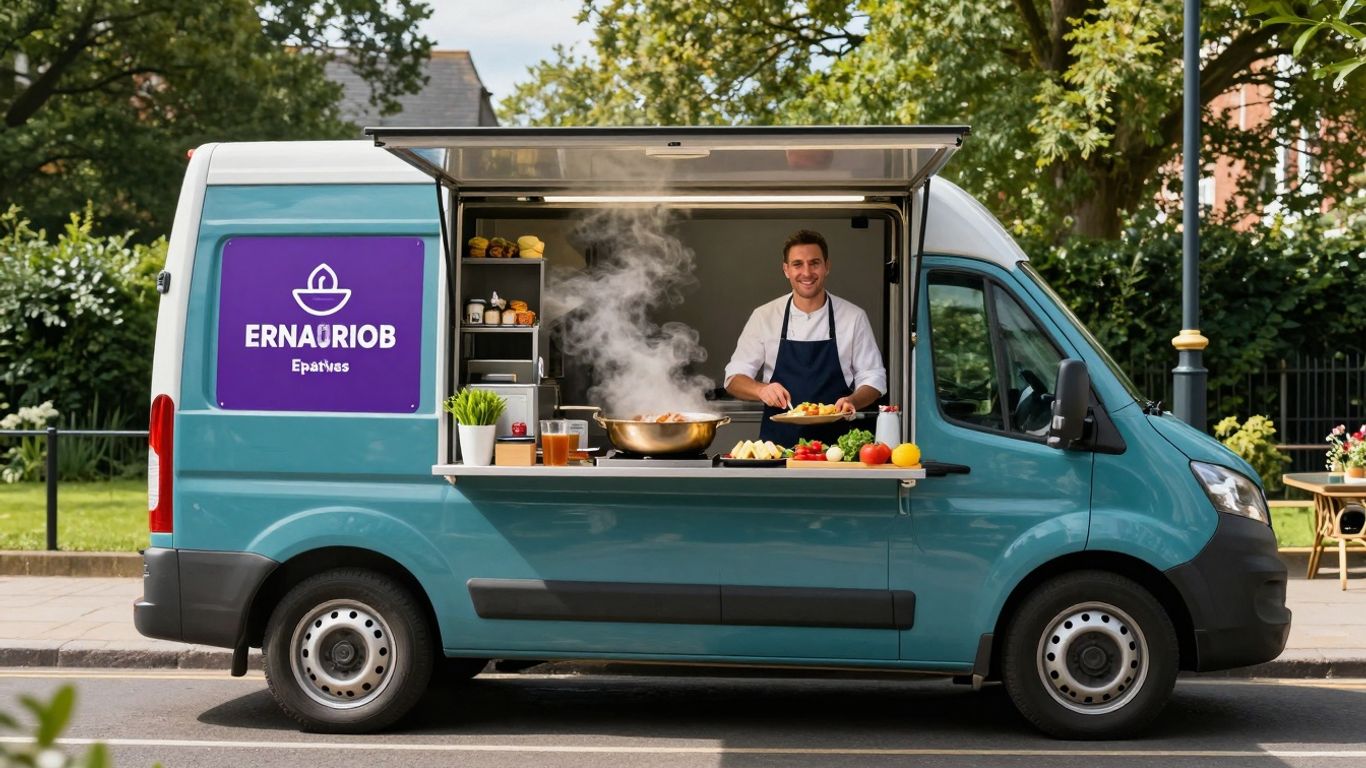
Right, let’s get down to the nitty-gritty of keeping your customers safe and your business out of trouble. This isn’t just about ticking boxes; it’s about building trust and making sure everyone stays healthy.
Implementing HACCP and Risk Assessments
Think of HACCP (Hazard Analysis and Critical Control Points) as your food safety game plan. It’s all about spotting where things could go wrong with your food – from delivery to serving – and putting steps in place to stop it. A good HACCP plan shows you’re serious about safety.
Risk assessments go hand-in-hand with this. You’ll need to ask: What could go wrong? How likely is it? What can we do about it? This covers everything from food poisoning risks to fire safety in your van. Having these plans ready is a legal must and will impress inspectors.
Preparing for Food Hygiene Inspections
Your local council will inspect your van, usually within six months of you starting to trade. They’ll give you a food hygiene rating from 0 to 5. This rating is public, so it really matters for your reputation. A good rating means customers will trust you more.
Here’s what they’ll be looking for:
-
Cleanliness: Is your van spotless? Are surfaces wiped down regularly?
-
Temperature Control: Is your food kept at the right temperatures, both hot and cold?
-
Cross-Contamination: Are raw and cooked foods kept separate? Are you using different chopping boards?
-
Staff Hygiene: Are you and your staff washing hands properly and wearing clean clothes?
-
Pest Control: Are there any signs of pests?
A clean van and good practices are your best defence against a low score.
Keeping your truck clean and your equipment in good working order isn’t just about passing inspections. It’s about building trust with your customers. They want to know the food they’re buying is prepared with care and attention to safety. A clean truck and well-maintained gear speak volumes.
Meeting Food Premises Approval Standards
This covers a few key areas to make sure your mobile kitchen is up to scratch. You’ll need:
-
Food Hygiene Training: Everyone handling food needs a basic food hygiene certificate. A Level 2 course is usually the minimum. It covers the basics like handwashing, temperature control, and preventing contamination. You can often do these online quite cheaply.
-
Gas Safety Certificate: If you use gas, you must have your appliances checked annually by a Gas Safe registered engineer. They’ll give you a certificate. This is vital for safety and often needed for insurance.
-
PAT Testing: All your electrical equipment (fridges, microwaves, till, etc.) needs to be tested regularly to make sure it’s safe. This is called Portable Appliance Testing (PAT).
Getting these sorted shows you’re a professional and, more importantly, that you care about serving safe food. It’s the foundation of a successful food van business.
Getting Your Food Van Business Noticed
Right, so you’ve got your van, your food’s amazing, and you’re ready to roll. But how do you get people to actually find you and stop for a bite? It’s all about getting your name out there. Think of your van as a moving billboard, but you need to give it a voice too.
Developing a Strong Online Presence
This is your digital shop window. People search online for food, so you need to be visible. A good website and active social media are non-negotiable.
-
Website: Keep it simple, clear, and mobile-friendly. Pop your menu, contact details, and a calendar of where you’ll be trading on there. It’s your central hub for all info.
-
Social Media: Instagram, Facebook, and TikTok are your best mates. Post mouth-watering photos of your food – make people hungry! Share your daily location updates, run the odd competition, and show off your personality. It’s how you build a following and keep regulars in the loop.
-
Online Listings: Get yourself on local directories and food truck finder apps. More eyes on your business means more potential customers.
People want to know where you are and what you’re selling before they even leave the house. Make it easy for them to find you online.
Utilising Traditional Marketing Methods
Don’t ditch the old ways just yet. They still work, especially for local buzz.
-
Eye-Catching Van Design: Your van is your biggest advert. Make it look good, make it memorable. It should shout about your food concept.
-
Flyers & Business Cards: Hand them out at your pitch or leave them with complementary local businesses. Simple, but effective.
-
Local Partnerships: Team up with nearby pubs, breweries, or shops. Cross-promotion can bring in new faces.
-
Local Events: Get involved in festivals, markets, and community gatherings. It’s prime time to be seen and serve.
Building a Loyal Customer Base
Getting customers is one thing, getting them to come back is another. It’s about more than just good food.
-
Amazing Food & Service: This is the bedrock. Consistently great food and friendly service will keep people coming back.
-
Encourage Reviews: Happy customers are your best advertisers. Ask them to leave reviews online. Good feedback is gold.
-
Loyalty Schemes: A simple ‘buy 9, get 1 free’ card can make a big difference and reward your regulars.
-
Engage with Feedback: Listen to what people say, both good and bad. It helps you improve and shows you care.
Financials and Earning Potential
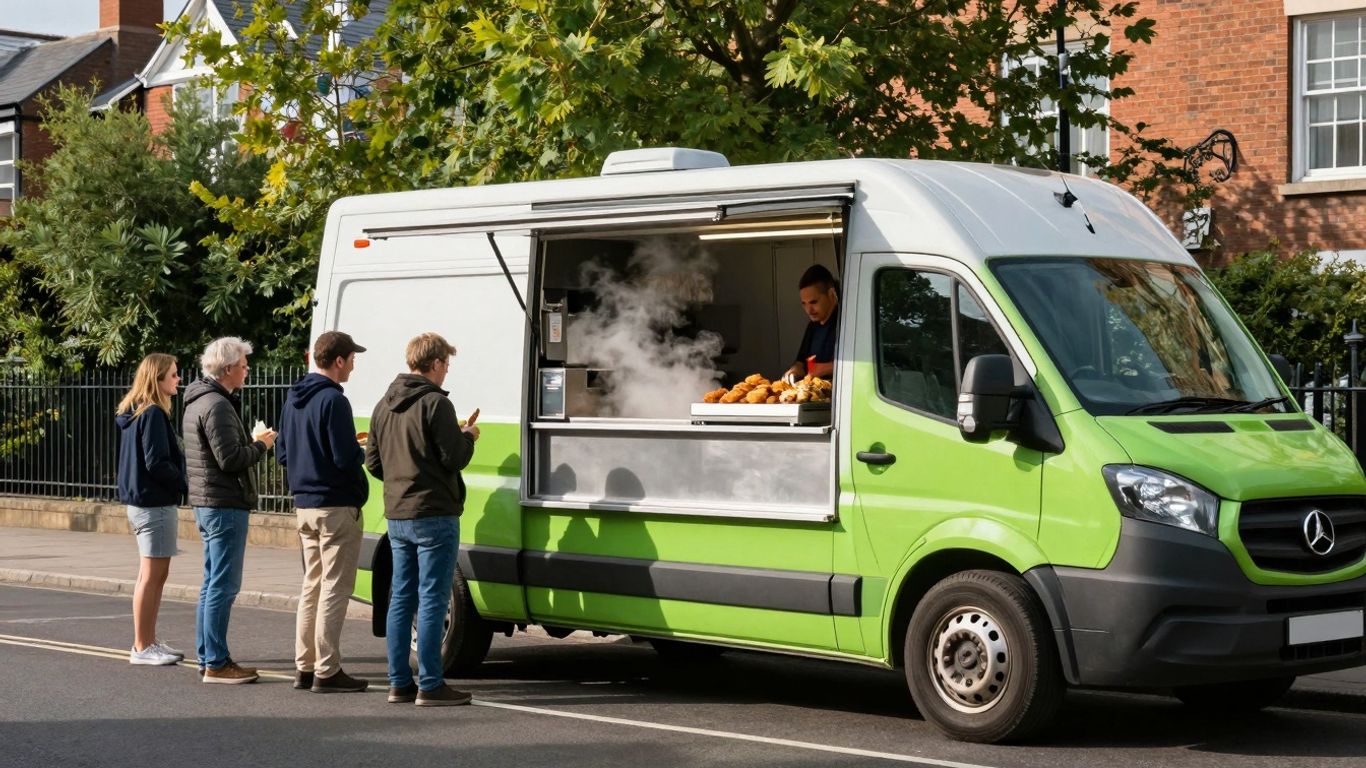
Right then, let’s talk brass tacks. How do you make money from a food van? It’s not just about slinging burgers; it’s about smart money management.
Estimating Startup Costs
Getting your van on the road means a few initial outlays. Don’t get caught out by hidden costs. Your biggest expense will likely be the van itself, but don’t forget the extras.
Here’s a rough idea of what you might need to budget for:
|
Cost Category |
Estimated Range (£) |
|---|---|
|
Food Truck Purchase |
5,000 – 50,000+ |
|
Kitchen Equipment |
2,000 – 15,000+ |
|
Licences & Permits |
500 – 2,000 |
|
Insurance |
500 – 1,500 |
|
Initial Stock & Packaging |
500 – 2,000 |
|
Marketing & Branding |
200 – 1,000 |
|
Contingency (10-15%) |
Varies |
Remember, these are just guides. A second-hand van might save you cash upfront, but keep a bit aside for potential repairs.
Understanding Turnover and Profitability
So, how much can you actually earn? A well-run food van in the UK can turn over around £100,000 a year. Profit margins typically sit between 25% and 35%. But this isn’t guaranteed. Location, how busy you are, and even the weather play a big part.
-
Location, Location, Location: Good pitches mean more customers.
-
Menu Magic: What you sell and how you price it matters.
-
Efficiency: Keeping waste down and speed up.
-
Marketing: Getting the word out so people find you.
Don’t expect to be rich overnight. Building a customer base and securing good spots takes time and effort. Be realistic with your financial goals, especially in the first few years.
Securing Funding for Your Business
Need a bit of help to get started? Your business plan is key here. It shows lenders or investors exactly where their money is going.
-
The Van: The main event.
-
Equipment: Your cooking kit.
-
Licences & Insurance: The legal bits.
-
Stock: Your first ingredients and packaging.
-
Working Capital: Money to keep things running.
Be clear about how much you need and what it’s for. Showing you’ve thought it all through builds trust.
So, Ready to Hit the Road?
Right then, buying a food truck in the UK is a big step, no doubt about it. We’ve covered a fair bit, from figuring out what sort of grub you’ll be slinging to making sure all your paperwork is in order. Remember, it’s not just about the van itself, but also about knowing your local rules, keeping your gear safe, and getting the word out there. It might seem like a lot, but take it one step at a time. With a bit of planning and a lot of passion for your food, you could be well on your way to running a successful mobile munchies business. Good luck out there!
Frequently Asked Questions
Is running a food van a good idea in the UK?
Loads of folks are getting into the food van scene in the UK, and yeah, it can be a pretty sweet gig! It costs way less to get started than a proper restaurant, and you get to move around and meet loads of different customers. Just be ready for some hard graft, especially with the weather and long hours sometimes. It’s all about finding your spot and serving up something awesome!
How much cash can a food van actually make?
It really depends on what you’re selling, where you’re selling it, and how hard you hustle! Some food vans in the UK are pulling in serious money, like hundreds of thousands a year. But remember, there are costs involved, and you’ll need a solid plan to make it work. Think of it like this: the more effort and smarts you put in, the more you’re likely to earn.
What kind of vehicle is best for a food van?
You’ve got options! Classic Airstreams give you loads of space, while retro VW campers look super cool for simpler food. More modern vans like Citroen Relays are bigger and better for more cooking gear. Even old horse boxes can be turned into something special! The main thing is to figure out what cooking equipment you need and how much space you’ll need for it all.
Do I need special licences to sell food from a van?
Yep, you definitely do! You’ll need to register your food business with your local council, which is usually free. Then, you’ll need to sort out street trading licences or consents depending on where you want to park up and sell. It’s best to have a chat with your local council to see exactly what you need for your area.
What about food safety rules?
Food safety is super important! You’ll need to get a food hygiene certificate and have plans like HACCP (that’s Hazard Analysis and Critical Control Point) and risk assessments in place. Your local council will inspect your van to make sure everything’s up to scratch, so it’s wise to get these sorted before you even start selling.
How do I get my food van noticed?
Getting the word out is key! Make sure you have a strong online presence – think social media like Instagram and Facebook, where you can share your location and menu. Don’t forget good old-fashioned methods too, like flyers or local ads. Building a loyal customer base comes from serving great food and giving top-notch service!