

Discover Your Dream Business: Top Used Food Vans for Sale Across the UK


Thinking about starting a street food business or just want to switch up your current setup? There are loads of used food vans for sale all over the UK, and picking the right one can make a big difference. Whether you’re after something classic like a Citroen HY Van or you want to try out a quirky Shepherds Hut, there’s something for every taste and budget. Here’s a quick look at some of the top options you’ll spot on the market right now.
Key Takeaways
-
There’s a huge variety of used food vans for sale in the UK, from classic vans to custom trailers.
-
Each van style has its own vibe – some are perfect for coffee, others better for burgers or street food.
-
Always check the van’s condition, equipment, and make sure it meets UK food safety and LPG rules.
-
Conversions like horse boxes and H Vans are popular for weddings and events because they stand out.
-
Think about where you’ll trade and what food you want to serve before picking your van – it’ll help you choose the right fit.
1. Citroen HY Van
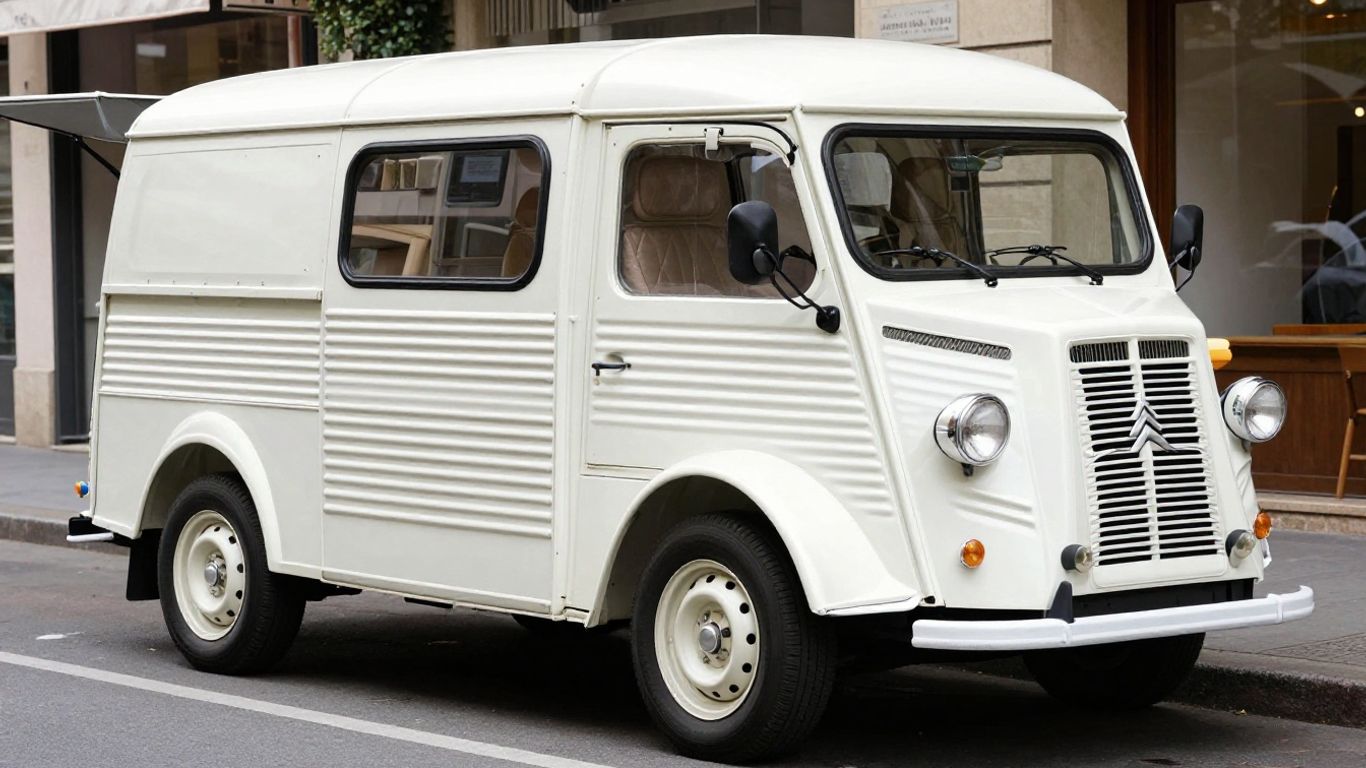
The Citroën HY Van is a head-turner, no doubt. It stands out with its quirky, boxy design and strong retro vibe. If you want your street food business to look different from the usual crowd, this is the van to get.
These vans have a cult following in the UK, and there’s a reason for it. With a bit of work, they make superb food trucks—just look at how many classic Citroën H vans have been restored as coffee stands and market food stalls, like the famous 1957 Citroën H Van restoration. Customers remember you. If you’re selling artisan bakes or French-inspired bites, the van itself will draw the crowd in.
But here’s where things get real: you have to know what you’re getting into. HYs are old, so you’ll need to check for rust, dodgy electrics and shoddy engine repairs. Not every conversion is done right. Unsafe wiring and dodgy gas installations can ruin your plans and put you at serious risk.
Practical steps when buying a used Citroën HY Van:
-
Always get a full inspection (mechanic who knows classics is a must)
-
Grab proof of past MOTs and any conversion certificates
-
Check gas and electric fit-out is done to UK food safety standards
-
Ask to see the van running and all electrics working
-
If you can, talk to the person who did the conversion
|
Feature |
What To Check |
Notes |
|---|---|---|
|
Engine |
Cold start, leaks |
Spares pricey, slow |
|
Bodywork |
Rust, patch repairs |
Rust loves corners |
|
Gas/Electrics |
Safety certs, leaks |
Needs pro install |
|
Inside layout |
Counter, storage |
Is it practical? |
Don’t expect perfection. Even after buying, you might spend a few weeks fixing bits before trading. Test all your kit in the driveway before your first event—better safe than sorry.
In short, the Citroën HY Van makes a mobile cafe look brilliant, but it takes patience and a bit of grit to get it right. Take your time, find the right classic van, and you’ll stand out for all the best reasons.
2. Towable Shepherds Hut
Thinking about a business that stands out at markets and events? Towable Shepherds Huts are real show-stoppers. With their rustic look and solid build, they catch plenty of attention and can slot in just about anywhere.
They’re not just for countryside weddings—these huts work great for food stalls, coffee stands, or even street food pop-ups. You tow them in, set up, and you’re off. No fuss.
Key benefits for caterers:
-
Turns heads at busy markets
-
Lots of space inside for kitchen kit and prep
-
Easy to personalise — paint, decorate, brand as you like
How to get started:
-
Find a used hut that matches your size and budget.
-
Check insulation, electrics, windows, and flooring—repairs can add up.
-
Plan your kitchen space. Measure twice—many appliances are larger than they look on paper.
-
Make it eye-catching. Signage and lights really boost customer interest.
Safety points:
-
Always double-check the towbar and wheels before moving.
-
Install good extraction and check all mains hook-ups.
-
Get up to speed with gas and fire regs for the kit you install.
|
Typical Used Price |
Length (ft) |
Weight (kg) |
|---|---|---|
|
£7,000–£15,000 |
12–16 |
1,200–1,800 |
Big tip: Test drive your hut before buying—some are heavier than you’d expect and corners can be tight if you’re new to towing. A practice run saves stress on event day.
Real world? I’ve seen a converted Shepherds Hut serving wood-fired pizza at a seaside fete. Rain or shine, they had a queue all day, and it looked brilliant under string lights. Get one, make it your own, and you’ll see why these are so in demand.
3. Horse Box Trailer
Right, here’s a van that always gets folks chatting – the horse box trailer. These things look smart at weddings, markets, or festivals. You turn heads just by parking up. No surprise loads of new caterers go for them.
What’s so good about horse box trailers?
-
Real flexibility: Kit it out for coffee, cocktails, loaded fries, or bakes.
-
Tows easily with most cars or vans. No special licence hassle.
-
Compact but roomy – all the space you need for kit, but won’t hog space at an event.
Practical steps to get rolling:
-
Find a used horse box in good condition. Check it’s watertight and rust-free.
-
Get a food-safe fit out – flooring, electrics, sinks, and fridges as needed.
-
Sort out your business licence, insurance, and register with your local council.
-
Run a dry test with all your gear and check power safety before you serve the public.
| Cost Breakdown (typical UK prices)|
|——————————|———–|
| Used Horse Box (unconverted) | £2,000–£6,000 |
| Basic Catering Conversion | £4,000–£10,000 |
| Annual Road Tax & Insurance | £200–£400 |
-
Always check brakes, tyres, and tow hitch before every journey. Safety first!
-
Invest in a good lock and camera – these things are magnets for thieves.
The first time I set up my horse box trailer at a street food market was wild. Loads of families wanted selfies with it. I even got asked to cater a wedding just because of the look.
If you want a van that stands out but keeps set-up simple, the horse box is gold. And you can always resell it if your plans change. That’s the honest truth.
4. Catering Trailer
Catering trailers are a solid choice for getting your food business on the road. They’re often more affordable than full food trucks and offer a good amount of space to work in. You can find them in all sorts of sizes and styles, from basic setups to ones already kitted out with professional kitchen gear.
They’re a flexible option for many types of food businesses.
When you’re looking at catering trailers, think about what you’ll be cooking and how much space you’ll need. Some common types include:
-
Standard catering trailers: Good all-rounders for most food types.
-
Coffee trailers: Specifically designed for hot and cold drinks, often with built-in espresso machines.
-
Dessert trailers: Perfect for ice cream, crepes, or cakes, usually with display areas.
What to check before you buy:
-
Condition of the chassis and bodywork: Look for rust or damage. A solid frame is key.
-
Gas and electrics: Are they up to current safety standards? Get them checked if you’re unsure.
-
Water and waste systems: Check for leaks and ensure they meet hygiene regulations.
-
Ventilation: Especially important if you’re cooking hot food. An extractor fan is a must.
Remember to factor in the cost of any modifications you might need. Sometimes a cheaper trailer needs a bit of work to make it perfect for your specific menu and workflow. It’s worth getting a professional inspection if you’re not confident with mechanics or electrics.
Many companies offer custom builds too. If you have a clear idea of what you want, a bespoke trailer can be a great investment. You get exactly what you need, from the layout to the equipment. Just be prepared for a longer wait and a higher price tag compared to buying a pre-owned one.
5. Coffee Trailer
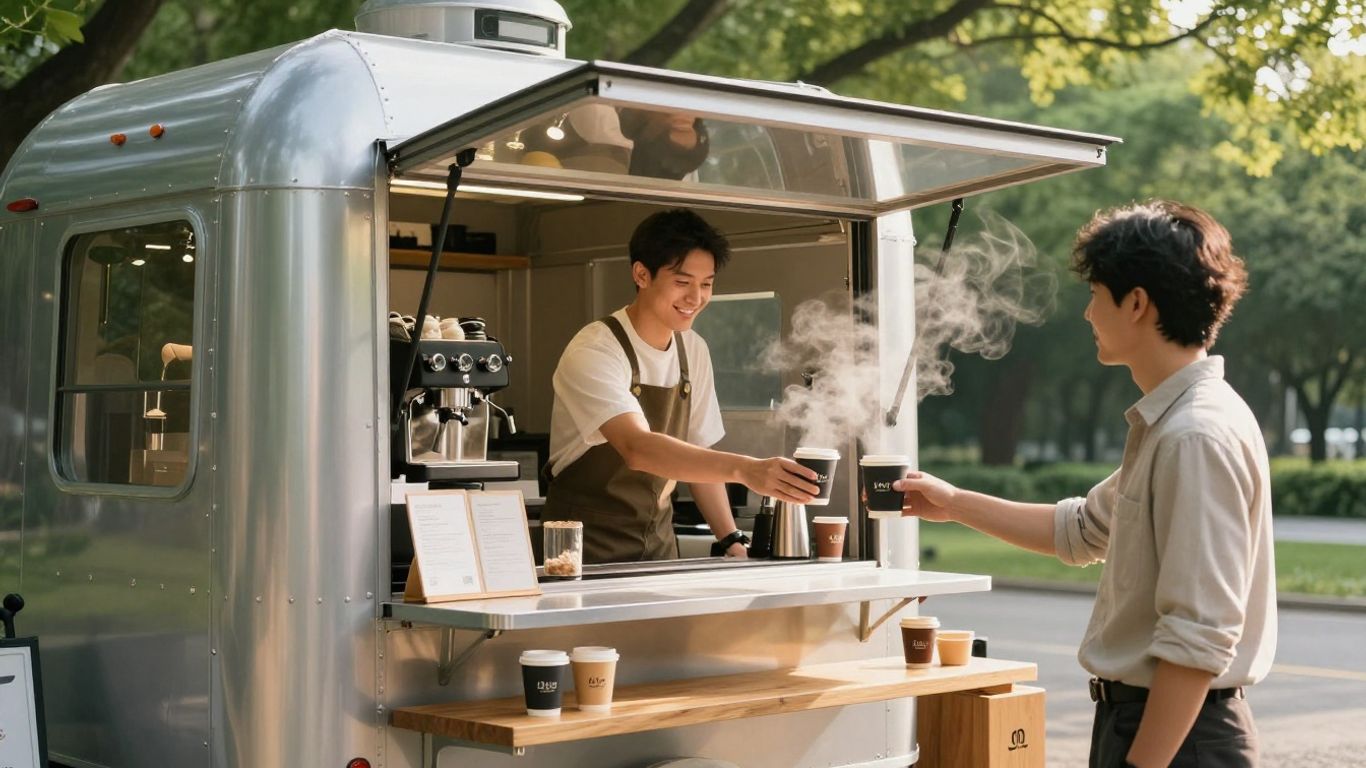
Fancy being your own boss brewing fresh coffee? A used coffee trailer is a smart way to get started without breaking the bank. It’s a solid, mobile unit—compact, easy to park, and perfect for town centres, markets or office parks.
Here’s what makes a coffee trailer stand out:
-
Quick set-up: Open the hatch, plug in, get pouring in minutes
-
Space for your coffee machine, fridge, water heater, and storage
-
Great for selling more than just coffee—think tea, cakes, or cold drinks
-
Lower running costs than a full van, plus less hassle with insurance
Practical Steps:
-
Find a reputable seller—always check the trailer’s service history
-
Test the electrics, plumbing, and stability before you buy
-
Make sure there’s enough power sockets for your kit
-
Pick a machine that fits the space and your menu
-
Register with your local council if you’re selling to the public
Safety Notes:
-
Check gas and electrical certificates are current
-
Fit a fire extinguisher and first aid kit
-
Always secure equipment before moving
|
Average Used Coffee Trailer Costs |
Size (ft) |
Typical Price (£) |
|---|---|---|
|
Small (6-8ft) |
£4,000-£6,000 |
|
|
Medium (9-12ft) |
£6,500-£9,000 |
|
|
Large (13ft+) |
£10,000+ |
I bought a 9ft trailer off Facebook Marketplace, did a tidy-up, and landed a regular spot outside my local gym. In six months, I covered costs and now have regulars queuing for their morning latte.
If you want flexibility and low start-up costs, a coffee trailer’s a brilliant choice. Get stuck in, serve great drinks and watch your regulars grow.
6. Rice Trailer
Rice trailers are a top pick for mobile food businesses, especially if you love a classic look. They’re known for their vintage charm and rock-solid build.
A well-kept Rice trailer can turn heads and draw crowds to your pitch. Their shape makes them perfect for tight spots at markets, festivals, and weddings, and they’re easy enough for most cars or vans to tow.
Here’s what makes Rice trailers stand out:
-
Tough body: Built to last decades, even if they’ve seen a few rainy British summers.
-
Versatile space: Plenty of room for fridges, sinks, and serving counters.
-
Clean setup: Sliding windows for service, spots for signage, and enough sockets for all your gadgets.
Practical steps to get started:
-
Find a trailer in good nick—like this vintage Rice horse trailer that’s ready to convert.
-
Strip it out; check electrics and get insulation sorted. Add lights, sockets, and an extractor fan.
-
Fit your kitchen: two fridges, a water heater, and sturdy counters do nicely.
-
Don’t forget: Leave space for cleaning—a food van needs to stay spotless.
Safety tips:
-
Always secure your trailer fully before opening up shop.
-
Check tyres, locks, and electrics before each shift.
-
If you’re adding gas appliances, get a Gas Safe inspection done for peace of mind.
Rice trailers are perfect if you want vintage style without fuss. Long days on the road are easy—no fighting with wide vehicles in city traffic or muddy festival fields. Set up, serve, pack down, and go. That’s the joy of a classic Rice trailer.
7. MX-2024-V2 Food Truck
Looking for a food truck that’s built for business? The MX-2024-V2 from Maximus Trailers is a solid choice. They’re based in Nottingham and reckon they’re the first in the UK to offer a full service, from building the truck to helping you get set up.
This isn’t just a vehicle; it’s a complete business package.
What you get with Maximus:
-
Custom Builds: They’ll design it around your menu and brand. Think custom layouts, the right equipment, and eye-catching wraps.
-
Business Support: They help with more than just the build. Expect advice on menus, finding good spots to trade, and understanding the market.
-
Regulations Help: Navigating UK rules can be a headache. Maximus can guide you on permits, hygiene, and vehicle approval.
They focus on making the inside work well for you, so you can cook efficiently. Plus, they offer support after you’ve bought it, which is good to know.
Building a food truck is a big step. Getting one that’s designed well from the start saves a lot of hassle later on. It means you can focus on the food and the customers, not on fixing problems with the truck itself.
8. Custom Mobile Event Trailer
Ready to take your events business on the road? A custom mobile event trailer is built for those who want all-in flexibility, style, and a strong brand presence. You tell the builder what you want—inside and out—and your trailer is made just for you. Whether it’s for food, drinks, or multi-use, these trailers are made to be noticed and remembered.
Here’s why these custom trailers stand out:
-
Designed from scratch: Layout, kitchen kit, bar counters—all to your spec.
-
Your logo, your colours: Make your brand pop with bold wraps and graphics.
-
Suits any gig: From festivals to pop-up weddings, fit-out options are endless.
-
Large serving windows and plenty of storage: Easy service, less hassle.
-
Always a crowd-puller: A unique build draws attention wherever you park.
Practical steps if you’re thinking about ordering one:
-
Pin down your focus—food, bar, events, or a bit of everything.
-
Work out your budget with some margin (think kit, wrap, safety gear).
-
Find a trusted supplier with experience (ask for past project photos).
-
Finalise your menu or service and kitchen needs early.
-
Check for size and tow weight—make sure your vehicle can handle it.
-
Get insurance sorted before you hit the road.
Here’s a quick comparison to help see the typical spec for a high-end event trailer:
|
Feature |
Typical Range |
|---|---|
|
Length |
4m to 12m |
|
Number of Serving Hatches |
1-3 |
|
Electrical Outlets |
8-20 |
|
Water Storage |
40L to 120L |
|
Price Range |
£16,000 – £40,000+ |
Don’t skimp on the electrics and easy-clean flooring—you’ll thank yourself down the line. And get advice from a pro fitter if you want to split the space or go multi-level, like this clever 40ft mobile bar trailer that doubles as a viewing deck. You can check out this VIP platform and bar option if you want extra ideas for big events.
Safety notes:
-
Go for certified gas and electric set-ups only.
-
Get an easy-access fire extinguisher—non-negotiable.
-
Double-check hand wash and allergen signage are included for health inspections.
I’ve seen traders at festivals out-sell their neighbours just by having a slick, unforgettable trailer. A bit of extra planning now in your custom build will pay off every weekend you’re trading.
9. H Van Conversion
The Citroën H Van is a real classic. If you’re after a bit of retro charm for your food business, these are a top choice. They look fantastic and really stand out.
Getting one converted needs careful planning. It’s not just about looks; it has to work as a kitchen. You’ll need to think about the layout, equipment, and making sure it’s all safe and legal.
Here’s what to consider:
-
Finding the Right Van: Look for a solid base. Rust can be a big problem with older vehicles, so check the chassis and bodywork thoroughly. Some might need a full restoration before conversion.
-
Professional Conversion: This is key. Don’t cut corners here. A good conversion company will know about gas safety, electrics, water systems, and ventilation. They’ll make sure everything meets food safety standards.
-
Layout and Equipment: Think about what you’ll be cooking. Do you need a big grill? Plenty of fridge space? A good conversion will be designed around your menu and workflow.
Safety First: Gas and electrics in a mobile unit are serious business. Always use qualified professionals for this work. A dodgy setup could be dangerous and shut you down before you even start.
Many people have had issues with conversions that weren’t done properly. It’s worth spending a bit more time and money upfront to get it right. A well-converted H Van can be a real asset, drawing customers in with its unique style.
10. Burger Catering Van
Kicking off a food business? The Burger Catering Van is a proven classic—quick to set up, easy to move, and always in demand at festivals, markets and fairs. You’ll stand out serving up fresh burgers wherever hungry crowds gather.
Why choose a burger van?
-
Low upfront costs compared to permanent shops
-
Simple, flexible menus that attract repeat customers
-
Perfect for both events and regular street trading
What to check before you buy
-
Make sure all gas, electric, and fire systems are safety certified
-
Check for a working extractor fan and plenty of sockets for safe cooking
-
Look for durable materials—stainless steel lasts longer and cleans up fast
Quick steps to get rolling
-
Register as a food business with your local authority
-
Get your hygiene certificate and display your rating
-
Take the van for a deep clean and inspection
-
Lock in supply deals for buns, meat, and extras
|
Starter Costs Table |
Average Price Range |
|---|---|
|
Used burger van |
£4,000–£15,000 |
|
Insurance (annual) |
£400–£800 |
|
Gas safety check |
£100–£150 |
|
Initial stock |
£200–£500 |
Setting up a burger van lets you drop in at any event, hook up your grill, and start selling within an hour. It’s the kind of business where your energy pays off fast, especially if you love chatting to new faces.
Lots of people start by searching great local burger vans for sale—popular brands sell quick, so be ready to snap up a good deal!
And a quick safety tip: always double-check gas connections before firing up the grill. Trading standards can – and do – inspect at random.
Keep it simple, stay safe, and you’ll have customers lining up in no time.
Wrapping Up: Your Next Step Towards a Food Van Business
So, there you have it – a quick look at some of the best used food vans for sale across the UK. If you’re thinking about starting your own mobile catering business, it’s a good time to get stuck in. There’s a real mix out there, from classic burger vans to quirky coffee trailers, and you don’t have to break the bank to get started. Just remember to check the basics: make sure the van meets UK safety rules, the equipment is in good nick, and you’ve got the right paperwork sorted. If you’re not sure where to begin, don’t be afraid to ask questions or get advice from suppliers like MobCater, who know the ropes. Starting a food van isn’t always easy, but with the right van and a bit of determination, you could be serving up your own food to happy customers before you know it. Good luck, and if you need a hand, there’s plenty of support out there to help you get rolling.
Frequently Asked Questions
What kind of food vans are popular in the UK right now?
Loads of different ones! Classic Citroen HY vans are super cool, and you see loads of converted horse boxes and shepherd’s huts too. Plus, standard catering trailers and food trucks, especially ones set up for burgers or coffee, are always a hit.
Is it hard to get permission to sell food from a van?
It can seem a bit tricky at first, but it’s totally doable. You’ll need to sort out things like food hygiene certificates and get permits from local councils. Companies like Maximus Trailers can actually help you with all that paperwork, making it much easier.
How much do used food vans usually cost?
Prices can really vary depending on what you get. A basic catering trailer might be a few thousand pounds, while a fully kitted-out, custom food truck could be a lot more. It’s best to shop around and see what fits your budget.
Can I get a food van that’s already set up for a specific type of food?
Definitely! Lots of used vans come with existing equipment. For example, you might find one already set up with fryers for a chip shop or a good coffee machine for a mobile cafe. It saves you a lot of hassle and money.
What should I look for when buying a used food van?
Make sure it’s in good condition, especially the engine if it’s a van. Check all the cooking equipment works properly and that it meets UK safety standards. Also, think about how much space you’ll need inside for cooking and storage.
Where can I find good deals on used food vans in the UK?
You can find them on various online classifieds and specialist websites. Keep an eye on sites that list catering equipment or mobile businesses for sale. Sometimes, manufacturers like Maximus Trailers might have ex-display models or know of good used options.