

The Ultimate Guide to Choosing Your Portable House Generator


Right then, let’s talk about portable house generator options. Whether you’re worried about the next big storm knocking out the power, planning a camping trip, or just need a bit of extra juice for a worksite, having a portable generator can be a real lifesaver. It’s not as complicated as it sounds, honestly. We’ll walk through what you need to think about to pick the best portable house generator for your situation, making sure you’re not left in the dark when you least expect it.
Key Takeaways
-
Figure out how much power you actually need by listing all the appliances you want to run and checking their wattage, especially the starting watts.
-
Gasoline generators are common and powerful, but propane and dual-fuel models offer cleaner burning and more fuel flexibility.
-
Inverter generators are quieter and provide cleaner power, making them ideal for sensitive electronics like laptops and phones.
-
When choosing a portable house generator, consider its size, how easy it is to move (look for wheels!), and how noisy it is, especially if you’ll be using it near your home.
-
Always operate your generator outdoors in a well-ventilated area, use the right extension cords, and keep it protected from the weather to stay safe.
Understanding Your Portable House Generator Needs
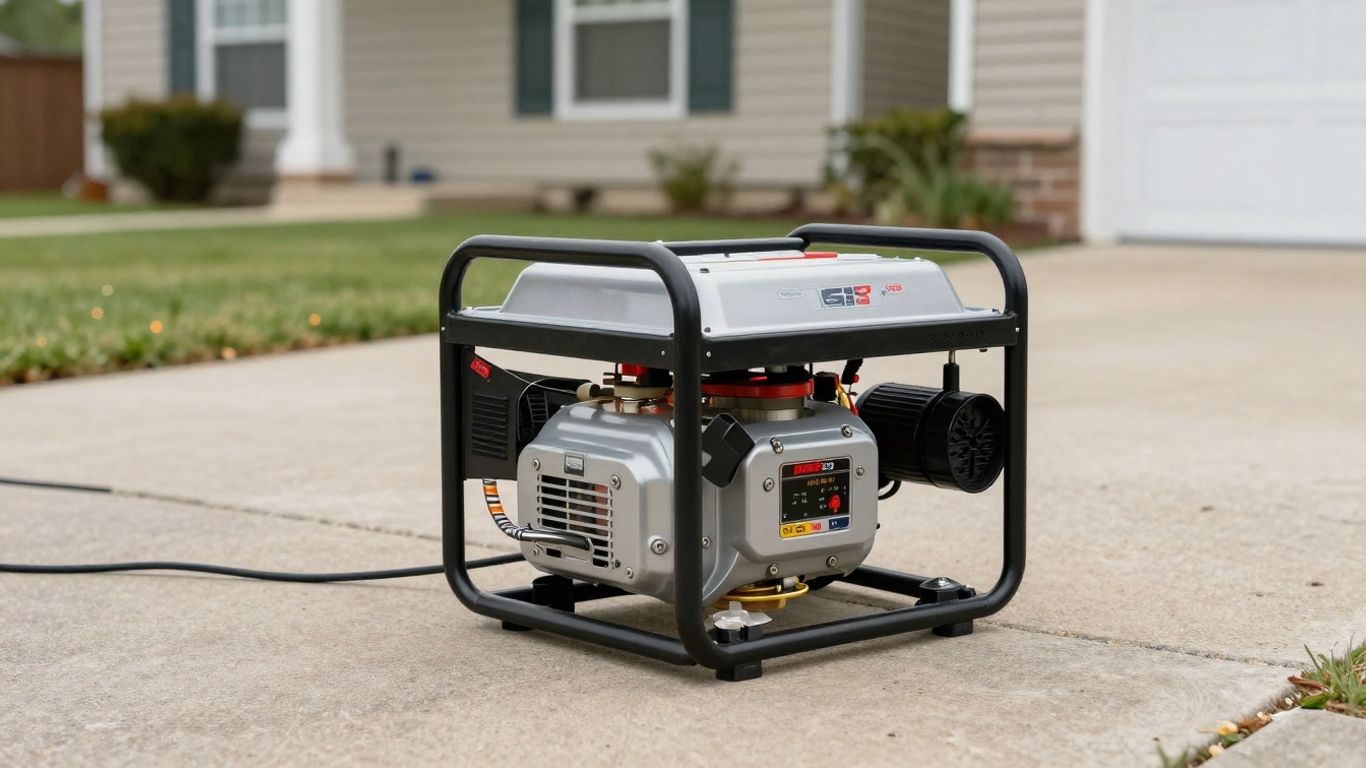
Right then, let’s get down to business. You’re thinking about a portable generator, which is a smart move. But before you go buying the first shiny thing you see, we need to figure out what you actually need it for. It’s not one-size-fits-all, is it?
Assessing Your Power Requirements
First off, what are you powering? Is it just to keep the fridge ticking over and a few lights on during a blackout? Or are you running bigger stuff, like power tools on a building site, or maybe even a whole food truck setup? Be honest about what you need to run.
Think about:
-
Essentials: Fridge, freezer, a few lights, phone chargers, maybe the Wi-Fi router.
-
Comforts: TV, microwave, kettle (careful with that one!).
-
Work/Hobby: Power tools, catering equipment, sound systems.
Calculating Essential Wattage
This is where it gets a bit numbers-y, but stick with me. Everything that uses electricity has a ‘wattage’ – how much power it needs. You’ll usually find this on a sticker on the appliance itself, or in its manual. There are two types of watts:
-
Running Watts: The power an appliance needs to keep going.
-
Starting Watts: The extra surge of power needed to get some appliances (like fridges or power tools) started.
You need to add up the running watts of everything you want to run at the same time. Then, add the highest starting watt number to that total. This gives you your peak requirement.
Here’s a rough idea for some common items:
|
Appliance |
Running Watts (approx.) |
Starting Watts (approx.) |
|---|---|---|
|
Fridge/Freezer |
150-200 |
800-1200 |
|
Microwave |
1000-1500 |
1500-2000 |
|
Kettle |
1500-3000 |
N/A |
|
Laptop Charger |
50-100 |
N/A |
|
LED Lights |
10-20 |
N/A |
|
Power Tool (Drill) |
500-800 |
1000-1500 |
Remember, these are just estimates. Always check the actual appliance for precise figures. Overloading a generator is a quick way to cause damage to both the generator and your appliances.
Considering Runtime and Fuel Capacity
Once you know how much power you need, think about how long you need it for. Generators run on fuel – usually petrol, sometimes propane, or even solar. The size of the fuel tank directly affects how long the generator can run before you need to refuel it.
-
Longer runtime: Means less stopping and starting, which is great for extended power outages or long events.
-
Bigger tank: Usually means a heavier, bulkier generator. You need to balance runtime with how easy it is to move around.
If you’re running a food stall, you’ll want something that can go for hours without needing a top-up. For a quick emergency backup, a few hours might be enough. Check the manufacturer’s specs for ‘run time at 50% load’ – this gives you a good idea of what to expect.
Exploring Different Types of Portable Generators
Right then, let’s look at the different kinds of portable generators you can get. It’s not a one-size-fits-all situation, so knowing the options helps you pick the best one for your needs.
Petrol-Powered Generators: The Workhorses
These are your classic, go-to generators. They run on petrol and are usually the most powerful for their size. If you need to run a few tools or keep the essentials going during a power cut, a petrol one is often the most straightforward choice. They’re pretty common and you can usually find fuel easily.
-
Pros: High power output, widely available fuel.
-
Cons: Can be noisy, need regular maintenance, fuel doesn’t store forever.
Think about this: If you’re powering a food truck with fryers and fridges, a robust petrol generator is likely your best bet for consistent power.
Propane and Dual-Fuel Options
Propane generators are a bit cleaner to run and propane lasts ages in its tank, which is handy if you’re not using the generator all the time. Dual-fuel models are even better – they can run on either petrol or propane. This gives you flexibility. If one fuel runs out, you can just switch to the other.
-
Dual-Fuel Advantage: Switch between petrol and propane easily.
-
Propane Benefit: Cleaner burning, longer shelf life for fuel.
Example: Imagine you’re catering an outdoor wedding. You might start with petrol for maximum power, but if you need to run things quietly later on, switching to propane could be an option.
Inverter Generators: Quiet and Sensitive-Friendly
Inverter generators produce a really clean, stable power output. This is brilliant if you’ve got sensitive electronics like laptops, phones, or even some modern kitchen equipment. They’re also much quieter than traditional generators, which is a big plus, especially if you’re working at an event where noise is an issue. Plus, they tend to be more fuel-efficient.
-
Best for: Laptops, phones, sensitive equipment.
-
Key Feature: Very quiet operation.
-
Bonus: More fuel-efficient.
Inverter generators are a bit like the difference between a roaring bonfire and a gentle gas hob. Both give heat, but one is much more controlled and suitable for delicate cooking.
Portable Solar Generators: The Eco-Conscious Choice
These aren’t generators in the traditional sense. They’re essentially big battery packs that you charge up using solar panels. They’re completely silent, produce zero emissions, and are great for the environment. They’re perfect for charging phones, running small lights, or powering a laptop. You can usually charge them from a wall socket too, so they’re not solely reliant on the sun.
-
Pros: Silent, clean, no running costs after purchase (if using sun).
-
Cons: Lower power output compared to fuel generators, dependent on sunlight or charging time.
Consider this: If you’re running a small coffee stand at a farmers’ market and only need to power a card reader and a small speaker, a solar generator could be a quiet, green option.
Key Features for Your Portable House Generator
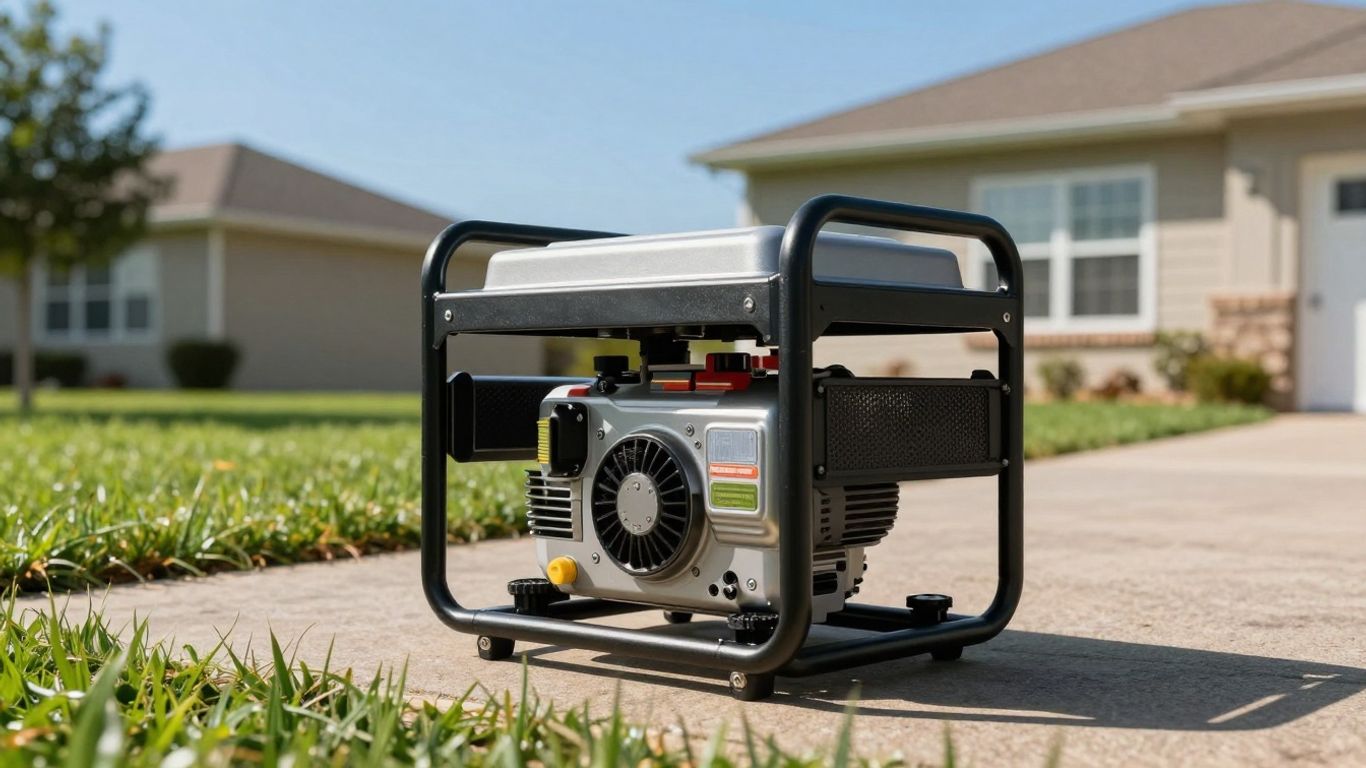
Right then, let’s talk about what actually matters when you’re picking out one of these portable generators. It’s not just about the price tag, is it? You need to know what you’re getting.
Power Output: Running and Starting Watts
This is the big one. Think of it like this: running watts is what keeps your telly on, while starting watts is the extra kick needed to get your fridge humming. You’ll see two numbers on most generators. The first is the continuous power, the second is the surge or starting power. Always check both figures to make sure it can handle everything you throw at it.
|
Feature |
Description |
|---|---|
|
Running Watts |
Power needed to keep appliances going. |
|
Starting Watts |
Extra power to start up appliances (e.g., fridges). |
For example, a freezer might need 150 running watts but a whopping 750 starting watts. Get this wrong, and your generator will just conk out when you need it most.
Portability and Ease of Movement
If you’re planning on lugging this thing around, weight and size are your enemies. Look for models with sturdy wheels and well-placed handles. It makes a world of difference when you’re moving it from the shed to the garden, or even just around the campsite. Some of the heavier units are practically impossible to shift on your own. A good portable generator should be manageable for at least one person.
Noise Levels and User Comfort
Nobody likes a racket, especially if you’re trying to relax or if your neighbours are close by. Inverter generators are generally much quieter than traditional ones. They sound more like a normal conversation than a jet engine. If you’re using it for outdoor events or even just for home backup, a quieter model is a definite plus for everyone’s sanity.
Electric Start and User-Friendliness
Pulling a cord on a cold morning can be a real pain. Many modern generators come with an electric start button. You just turn a key or press a button, and off it goes. It’s a small feature, but it makes a huge difference, especially if you’re not the strongest or if you need to get power on quickly during an emergency. It really takes the hassle out of starting up.
Always read the manual before you fire it up for the first time. It might seem boring, but it’s packed with safety info and tips specific to your model. Getting it wrong can be dangerous, so a few minutes reading can save a lot of trouble later on.
Making the Right Choice for Home Backup
Matching Generator Size to Home Needs
Picking the right size generator is key. Don’t just guess. Think about what you really need when the lights go out. Is it just the fridge and a few lights, or do you need to run the boiler and the telly too? Getting this wrong means either not enough power or paying for more than you need.
Here’s a quick way to think about it:
-
Essentials: Fridge, freezer, some lights, phone chargers, maybe a small fan.
-
Comforts: Add heating/cooling (if electric), TV, Wi-Fi router.
-
All-Out: Include larger appliances like washing machines or electric ovens (though this often means a bigger, more expensive generator).
It’s worth checking out guides that help you determine the correct generator size for your specific setup. It saves a lot of hassle later.
Prioritising Sensitive Electronics
Modern homes have lots of gadgets. Laptops, TVs, smartphones – they don’t like unstable power. A standard generator might give them a nasty jolt. This is where inverter generators shine. They produce clean, stable power, much like your mains supply. If you’ve got pricey tech, an inverter is usually the way to go. It’s a bit more upfront, but it protects your gear.
Ensuring Continuous Power During Outages
How long do your local power cuts usually last? If it’s just an hour here and there, a smaller generator with a decent fuel tank might be fine. But if you’re in an area prone to long outages, you need to think about runtime. This means looking at the fuel tank size and how much fuel the generator uses per hour. Some generators can run for 10-12 hours on a full tank, which is pretty good. Others might only manage 4-6 hours. You might also consider having extra fuel stored safely, or even a generator that can run on propane, which is often easier to store.
Always place your generator outdoors, at least 5 metres away from windows and doors. Carbon monoxide is a silent killer, and you don’t want it creeping into your home. Proper ventilation is non-negotiable for safety.
Safe Operation and Maintenance
Right then, let’s talk about keeping your generator happy and safe. It’s not rocket science, but a bit of care goes a long way. A well-maintained generator is a reliable generator.
Essential Safety Practices Outdoors
Generators are for outside use, plain and simple. Never, ever run one in your house, garage, or shed. Carbon monoxide is a silent killer, and these things pump it out. Keep it at least 5 metres away from doors, windows, and vents. Think of it like a grumpy neighbour – give it some space!
-
Ventilation is key: Always ensure good airflow around the unit. Don’t block the vents.
-
Weather watch: Protect it from heavy rain if you can, but don’t put it in an enclosed space to do so.
-
Stable ground: Place it on a firm, level surface. No wobbling allowed.
Remember, generators produce exhaust fumes. These fumes contain carbon monoxide, which you can’t see or smell, but it can be deadly. Always operate your generator outdoors and far away from any windows or doors.
Proper Cord Usage and Protection
Using the right cords is a big deal. Don’t just grab any old extension lead from the shed. You need heavy-duty cords designed for outdoor use and rated for the wattage your generator is putting out. A cord that’s too thin can overheat and cause a fire, or just not work properly.
-
Check cords: Before each use, give your cords a good look-over. Any nicks, cuts, or frayed bits? Bin it and get a new one.
-
Keep them dry: Water and electricity don’t mix. Try to keep cords off wet ground where possible.
-
Avoid trip hazards: Route cords safely so no one trips over them, especially if you’ve got people milling about.
Regular Maintenance for Longevity
Treat your generator like you would your van – a bit of regular TLC keeps it running sweet.
-
Oil changes: This is probably the most important job. Check your manual for how often and what type of oil. It’s usually pretty straightforward.
-
Air filter: A clogged filter means the engine struggles to breathe. Give it a clean or replace it as needed.
-
Spark plugs: These don’t last forever. If it’s running rough, a new spark plug might be all it needs.
-
Fuel: Use fresh fuel, and if you’re storing it for a while, use a fuel stabiliser. Old fuel can gum up the works.
A quick check before you fire it up each time can save you a lot of hassle later on.
Top Brands in Portable Generators
Right then, let’s talk brands. When you’re looking for a portable generator, sticking with names you can trust makes a big difference. It means fewer headaches down the line and more reliable power when you really need it. Here are a few of the big players you’ll see out there:
Generac: Reliability for Homeowners
Generac is a name that pops up a lot when people talk about home backup power. They’ve been around for ages, and their generators are known for being tough and dependable.
-
Great for keeping your essentials running during a power cut – think fridge, lights, maybe even a medical device.
-
Many models have electric start, which is a lifesaver when you’re fumbling in the dark.
-
They often have larger fuel tanks, meaning they can run for longer without you needing to refuel.
If you want a generator that just works, time after time, Generac is a solid bet.
Champion Power Equipment: Versatile Solutions
Champion is another brand that offers a lot of bang for your buck. They’ve got a wide range of generators, and many of them are pretty clever.
-
Dual-fuel options are a big plus. You can run them on petrol or propane, giving you flexibility depending on what fuel you have handy.
-
They often pack in quiet technology, which is nice if you’re using it near your home or at an event.
-
You’ll find models with good power output for their size, capable of running multiple appliances.
Champion often throws in useful features like parallel kits, letting you link two smaller generators together for more power. Handy if your needs change.
Westinghouse: User-Friendly Performance
Westinghouse generators are often praised for being easy to use and set up. If you’re not a tech whizz, this is a brand to look at.
-
Electric start is pretty standard on many of their models.
-
They’re known for producing cleaner power (especially their inverter models), which is vital if you need to power sensitive electronics like laptops or phones.
-
Portability is usually a strong point, with good wheel kits and handles making them easier to move around.
Choosing a generator from a reputable brand like these means you’re more likely to get good support if anything goes wrong, and the unit itself will be built to last. It’s worth spending a bit more for that peace of mind.
So, What’s the Takeaway?
Right then, choosing a portable generator might seem a bit much at first, but hopefully, this guide has made it a bit clearer. We’ve looked at why you might need one, the different types out there – from trusty gas ones to quieter solar options – and what bits and bobs to look out for, like how much power they actually give out and how easy they are to move around. Remember to think about what you’ll actually be powering, whether it’s just a few gadgets for camping or keeping the fridge running during a power cut. Get the size right, think about the fuel, and don’t forget about noise levels. A bit of planning now means you’ll have reliable power when you really need it, without any fuss. Happy generating!
Frequently Asked Questions
How much power do I actually need from a generator?
Think about what you absolutely can’t live without during a power cut. Usually, it’s the fridge, some lights, and maybe your phone charger. You’ll need to check the wattage for each of these – it’s usually on a sticker. Add up the ‘running watts’ for everything you want on at the same time, and then add a bit extra for the ‘starting watts’ which is the extra juice needed to switch things on. It’s always better to have a bit more power than you need, just in case!
What’s the difference between gas, propane, and inverter generators?
Right, so gas generators are the common, noisy ones that run on petrol. Propane ones burn a bit cleaner and the fuel lasts longer. Inverter generators are the clever ones; they’re much quieter, more fuel-efficient, and produce a steady power supply that’s safe for your sensitive gadgets like laptops and phones. They’re a bit pricier, though.
How long can a generator run for?
This really depends on the size of the fuel tank and how much power you’re asking it to put out. A bigger tank means it’ll run for longer on one fill-up. If you’re running just a few small things, it’ll go for ages. But if you’re powering a fridge and a few other bits, you’ll need to keep an eye on the fuel level and refuel it more often.
Are portable generators safe to use indoors?
Absolutely not! Never, ever use a portable generator inside your house, garage, or even near windows and doors. They produce carbon monoxide, which is a deadly gas you can’t see or smell. Always set them up outside, well away from any openings into your home, and make sure they’re protected from the rain.
How noisy are portable generators?
They can be quite noisy, especially the traditional gas ones. Think of a lawnmower – some are around that loud. Inverter generators and solar generators are the quietest options, often sounding more like a loud fan. If noise is a big concern, especially if you have close neighbours, an inverter model is definitely the way to go.
Do I need to do much maintenance on a generator?
Yep, a bit of regular care keeps them running smoothly. You’ll need to change the oil and filters now and then, check the spark plug, and make sure the fuel lines are clear. It’s not rocket science, and following the instructions in the manual will keep your generator in good nick for years.