

The Ultimate Guide to Choosing the Right Suitcase Generator for Your Needs

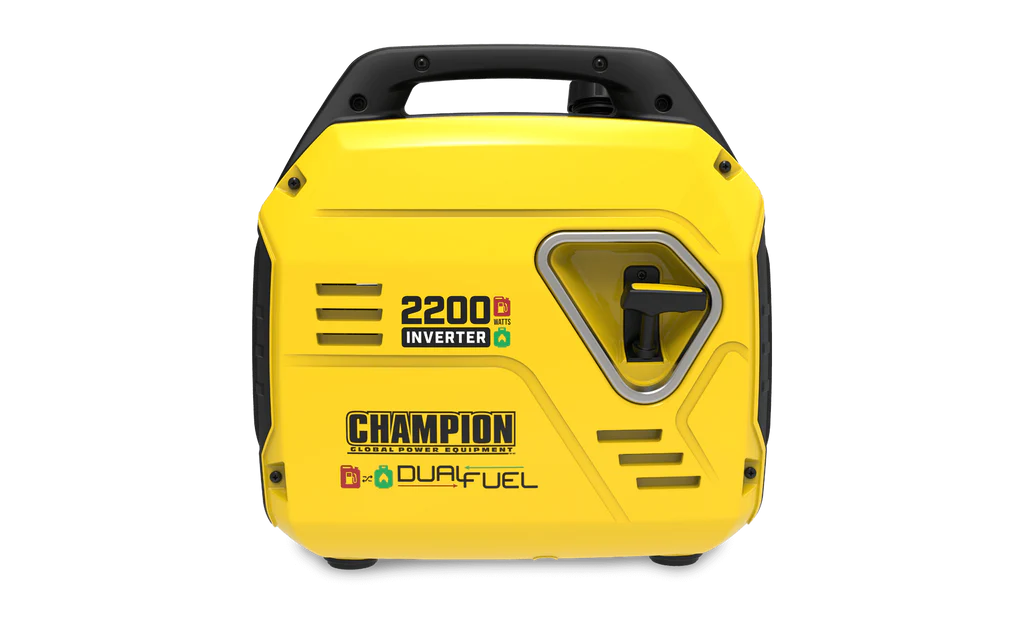
Right then, let’s talk about suitcase generators. If you’ve ever found yourself needing power away from a plug socket, whether it’s for a camping trip, a food truck, or just in case the lights go out at home, these little powerhouses are worth a look. They’re basically portable power stations, designed to be carried around easily. We’ll walk through what you need to know to pick the best suitcase generator for whatever you’re planning.
Key Takeaways
- Figure out how much power your gear needs. Check the wattage for starting up and running, as some things need a big kick to get going.
- Think about where you’ll use it. Portability is key with these, so make sure it’s easy enough for you to move around.
- Fuel matters. Petrol and diesel are common, but consider how easy it is to get fuel where you’ll be and how much it costs.
- Noise levels can be a big deal, especially if you’re using it near others or want a bit of peace and quiet.
- Regular upkeep is a must. Like any engine, a suitcase generator needs a bit of TLC to keep running smoothly and last longer.
Understanding Your Power Requirements
Right then, let’s get down to brass tacks. Before you even look at a suitcase generator, you need to know what you’re powering. Get this wrong, and you’ll either have a generator that’s too weak, or one that’s overkill and costs you a fortune in fuel. For us mobile caterers, this is key. We need to keep the fryers hot, the lights on, and maybe even the music playing.
Assessing Wattage Needs For Appliances
Every bit of kit you use has a power rating, usually shown in watts (W). This is the amount of power it needs to run. For your food van, think about your biggest power users::
- Griddle/Fryer: These are often the biggest power hogs.
- Coffee Machine: Essential for those early starts.
- Lights & Sound System: Don’t forget the atmosphere!
- Refrigeration: Keeping your ingredients fresh.
You need to add up the wattage of everything you plan to run at the same time. Don’t just guess; check the labels on your equipment. If you can’t find it, a quick online search for the model should give you the info.
Starting Versus Running Watts Explained
This is where a lot of people trip up. Most electrical things, especially those with motors (like fridges or blenders), need a big ‘kick’ of power to get going. This is called ‘starting watts’ or ‘surge watts’. Once they’re running, they need much less power – that’s the ‘running watts’.
- Running Watts: The steady power an appliance needs.
- Starting Watts: The extra power needed for a few seconds to get it going.
Your generator needs to handle both. It must be powerful enough to start your biggest appliance, and then keep everything else running too. A good rule of thumb is that starting watts can be double, or even triple, the running watts. So, if your fryer needs 1000W to run, it might need 2000W or 3000W to start.
Choosing The Right Generator Size
Once you know your total running watts and your highest starting watts, you can pick a generator. You want a generator that can comfortably handle your highest starting wattage, plus all your running watts. It’s always better to have a bit of extra capacity than not enough.
For mobile catering, aim for a generator that can handle the combined running watts of all your essential equipment, plus the starting watts of your largest single appliance. Overloading a generator can damage it and your equipment, and it’s a real headache when you’re trying to serve customers.
For example, if your combined running watts are 2500W and your biggest starting watt requirement is 1500W, you’ll need a generator that can output at least 4000W (2500W running + 1500W starting). Look for generators rated around 3000-4000 running watts, with a peak output that covers that starting surge.
Key Suitcase Generator Features To Consider
When you’re out there, running your food vehicle business , power is everything. You need a generator that’s not just a box of sparks, but a reliable workhorse. Let’s break down what really matters.
Portability And Ease Of Transport
This is a big one for mobile caterers. You’re moving from pitch to pitch, event to event. A generator that’s a nightmare to lug around is a non-starter. Look for models with sturdy, comfortable handles and a design that’s not too bulky. Think about how you’ll get it from your van to your stall – can you manage it alone if needed? Some even have wheels, which can be a lifesaver on longer distances or rougher ground. It needs to fit easily in your vehicle too, leaving space for your other gear.
Fuel Types And Availability
What you power it with is key. Most suitcase generators run on petrol or diesel. Petrol is usually lighter and easier to find, but diesel engines tend to be more fuel-efficient and last longer, which can be a real plus for long events. Consider where you’ll be working. Is petrol readily available? Diesel might be better if you’re often in more remote spots. Always factor in the cost of fuel – it adds up, especially with constant use.
- Petrol: Generally lighter, easier to find fuel. Good for shorter events or less frequent use.
- Diesel: More fuel-efficient, longer engine life. Better for heavy-duty, long-duration use.
Noise Levels And Environmental Impact
Nobody wants to shout over a generator all day, and your customers definitely don’t want to eat next to a racket. Look for generators advertised as ‘quiet’ or ‘inverter’ models. These are significantly less noisy than traditional ones. For mobile catering, this is a huge plus for creating a pleasant atmosphere. Also, think about emissions. While most suitcase generators produce some fumes, newer models are often more efficient and cleaner. It’s worth checking the specs if you’re working in areas with strict environmental rules.
Running a generator is a responsibility. Always operate it in a well-ventilated area, away from direct drafts that could blow exhaust fumes towards people or food preparation zones. Safety first, always.
Key Features At A Glance
| Feature | Why It Matters for Caterers |
|---|---|
| Wattage Output | Enough power for your fryers, fridges, lights, and till. |
| Run Time | How long it can go on a full tank. Avoid constant refuelling. |
| Outlets | Enough sockets for all your equipment, including USB for phones. |
| Inverter Technology | Cleaner power for sensitive electronics, and quieter operation. |
| Weight & Size | Easy to load, unload, and position at your pitch. |
Exploring Different Suitcase Generator Types
Right then, let’s talk about the different kinds of suitcase generators you can get. It’s not a one-size-fits-all situation, and knowing the options helps you pick the best one for your food truck or catering setup.
Compact Gasoline Powered Options
These are your go-to for portability and quick power. Think of them as the nippy little runners of the generator world. They’re usually lighter, making them a doddle to get from your van to your pitch.
- Easy to start: Most fire up with a simple pull cord.
- Widely available fuel: You can grab petrol at most stations.
- Good for smaller loads: Perfect for keeping your lights on, charging phones, or running a small blender.
Example: Need to power a couple of fairy light strings and charge customer phones at an outdoor market? A compact petrol model will do the job nicely. Just remember to keep a jerry can handy for refills.
Robust Diesel Powered Units
Diesel generators are the workhorses. They’re often a bit heavier and bulkier, but they’re built to last and run for longer periods. If you’ve got more demanding kit, these are worth a look.
- Fuel efficient: Diesel often goes further than petrol, saving you money on longer events.
- Durable: Built tough for tougher conditions.
- Higher power output: Can handle more demanding appliances like small fridges or warming plates.
Safety Note: Diesel fumes are strong. Always run these units in well-ventilated areas, well away from food prep zones and customers.
Hybrid And Advanced Models
This is where things get interesting. Hybrid generators might combine petrol with battery storage, or you might find inverter generators that offer cleaner, quieter power. Inverter models are particularly good for sensitive electronics like laptops or sound systems.
- Quieter operation: Great for events where noise is an issue.
- Cleaner power: Better for electronics.
- Potentially more fuel-efficient: Some advanced designs optimise fuel use.
When choosing, think about your busiest days. If you’re running multiple high-draw appliances, a more robust diesel or a higher-wattage petrol inverter might be your best bet. Don’t forget to factor in the noise – a quiet generator is a happy neighbour (and customer!).
For Mobile Caterers: Look for models with multiple outlets, including USB ports for charging devices. Ease of transport is key – can you lift it in and out of your van easily? And always check the noise rating; you don’t want to drown out your customers’ orders!
Suitcase Generators For Specific Applications
Powering Outdoor Adventures And Events
Heading out camping? Got a festival to power? Suitcase generators are your best mate. They’re light enough to chuck in the car and give you juice for your phone, a small fridge, or even some fairy lights.
- Camping: Keep your gadgets charged, run a portable fan, or power a small coffee maker.
- Festivals: Power speakers, charge phones, and keep your campsite lit up.
- Tailgating: Run a TV, sound system, or even a small electric grill.
Remember: Always check the generator’s noise level. Some campsites have rules about this. And never run a generator inside a tent or enclosed space – it’s dangerous.
Essential Home Backup Solutions
Power cuts happen. A suitcase generator means you’re not left in the dark. It’s a simple way to keep the essentials running.
- Keep the fridge cold: Stop your food from spoiling.
- Power lights: Make sure you can see what you’re doing.
- Charge devices: Stay connected with phones and radios.
- Medical equipment: For those who rely on powered medical gear, this is a lifesaver.
Safety first: Store your generator somewhere dry and accessible, ready to go. Have some fuel stored safely too.
Supporting Mobile Catering Businesses
For mobile caterers, a reliable power source is non-negotiable. Suitcase generators can be a game-changer, keeping your business running smoothly, wherever you are.
Key benefits for caterers:
- Power your equipment: Run fridges, freezers, blenders, coffee machines, and fryers. This is where choosing the right wattage is vital.
- Keep food safe: Maintain correct temperatures for chilled and frozen goods.
- Serve anywhere: Set up shop at markets, events, or private functions without needing a mains connection.
- Quiet operation: Many modern suitcase generators are surprisingly quiet, which is a big plus at events where noise can be an issue.
Practical tips:
- Calculate your needs: List all the equipment you’ll use simultaneously. Check their starting and running watts. Add them up to find your total requirement. Always add a buffer of 20-30% for safety.
- Fuel choice: Consider fuel availability and cost. Petrol is common, but some caterers prefer diesel for its efficiency on longer jobs.
- Multiple outlets: Ensure the generator has enough sockets for all your appliances, including USB ports for card readers or phone charging.
- Maintenance: Keep it serviced. A breakdown during a busy event is a disaster. Check oil and fuel levels before every use.
For mobile caterers, a suitcase generator isn’t just a convenience; it’s a business essential. It provides the independence to operate anywhere, ensuring your customers get their food and drinks without interruption. Think of it as your mobile power station, keeping your business alive and kicking.
Maintenance And Longevity Tips
Keeping your suitcase generator in tip-top shape is key, especially if you rely on it for your mobile catering business. A bit of regular care means fewer breakdowns and more reliable power for your customers.
Regular Servicing For Optimal Performance
Think of servicing like a health check for your generator. It helps catch small issues before they become big, expensive problems. For mobile caterers, this means your fryer, coffee machine, or lights won’t suddenly go dark mid-service.
- Check the oil: This is the most important bit. Low oil can wreck your engine. Check it before every use and change it regularly. Most manuals suggest every 100 hours of use, or at least once a year. Perform annual maintenance on your generator, including changing the oil and inspecting filters, to ensure it runs smoothly.
- Clean the air filter: A clogged filter means your generator struggles to breathe. This affects performance and fuel use. Clean it every few months, or more often if you’re using it in dusty conditions.
- Inspect the spark plug: A dirty or worn spark plug can cause starting problems. Give it a clean or replace it if it looks bad.
- Check the fuel lines: Look for any cracks or leaks. You don’t want fuel escaping, especially when you’re busy.
Fuel Storage And Safety
How you store your fuel makes a big difference. Old fuel can clog up your generator’s insides and cause it to run poorly, or not at all. For your catering business, this could mean a lost event.
- Use a fuel stabiliser: If you’re not going to use the fuel within a month, add a stabiliser. This stops it from going stale. It’s a lifesaver for those times you don’t use the generator for a while.
- Store fuel safely: Keep fuel in approved containers, away from heat and direct sunlight. Never store it inside your home or near any open flames. Remember, petrol can go off if stored for too long.
- Refuel carefully: Always turn the generator off and let it cool down before refuelling. Spilt fuel on a hot engine is a fire risk.
Troubleshooting Common Issues
Sometimes, things just don’t go to plan. Knowing a few common fixes can save you a lot of hassle.
- Generator won’t start: Check the fuel level, make sure the fuel valve is open, and check the spark plug. Is the choke on correctly? If it’s electric start, is the battery charged?
- Generator running rough: This often points to a dirty air filter or stale fuel. Try cleaning the filter or draining and refilling the tank with fresh fuel.
- Not enough power: Are you trying to run too many things at once? Check your wattage requirements. Overloading is a common cause of generator failure.
Regular checks and a bit of TLC will keep your generator reliable. For mobile caterers, this means consistent power for your equipment, happy customers, and a smoother operation, even when you’re out on the road.
Comparing Suitcase Generators With Alternatives
Suitcase Generators Versus Solar Power
Suitcase generators are great for a quick power boost, especially if you need a lot of juice fast. They’re usually petrol or diesel, so you just fill ’em up and go. They’re brilliant for powering multiple pieces of kit at once, like your fryers and fridges, without fuss. But, they do need fuel, make a bit of noise, and you’ll have to think about emissions. Solar power, on the other hand, is quiet and clean. You charge it up using the sun, so no fuel costs. It’s perfect for keeping phones, laptops, and smaller lights topped up. However, it relies on the weather – a cloudy day means less power. For a busy food stall, you’ll likely need a suitcase generator for the main appliances, maybe with a solar setup for smaller electronics to keep everything running smoothly.
When To Choose A Larger Unit
If your catering business is growing, or you’re planning bigger events, a suitcase generator might start to feel a bit small. Think about the total wattage your equipment needs. Add it all up. If it’s pushing the limits of your suitcase model, it’s time to look at a bigger, perhaps a silent, generator. This means you won’t have to worry about overloading it, which can damage the unit and your appliances. It also gives you room to add more equipment later on.
Evaluating Battery Power Stations
Battery power stations are a bit like a giant rechargeable battery. They’re silent, clean, and easy to use – just plug in. They’re fantastic for charging devices and running smaller appliances for a few hours. Some can even be charged by solar panels. However, their capacity is limited by the battery size. For a full day of catering, especially with high-draw items like hot plates or microwaves, a battery power station might not last. They’re often best as a supplement to a main generator or for smaller, less power-hungry setups. Always check the ‘continuous output’ and ‘surge output’ figures to see what they can handle.
For mobile caterers, the choice often comes down to balancing immediate power needs with long-term running costs and environmental impact. A suitcase generator offers raw power on demand, while solar and battery options provide cleaner, quieter, but potentially more limited, alternatives.
So, What’s the Verdict?
Right then, we’ve gone through what these suitcase generators are all about, the good bits and the not-so-good bits. They’re brilliant for chucking in the car for a weekend away or keeping the lights on when the power goes out unexpectedly. Just remember they do need a bit of looking after and a regular top-up of fuel, and they can be a bit on the loud side. If you’re after something super quiet and eco-friendly for lighter jobs, a solar option might be more your cup of tea. But if you need that bit more oomph and don’t mind the upkeep, a suitcase generator could be just the ticket. Have a good think about what you’ll actually be using it for, and you’ll find the right one for you. Happy powering!
Frequently Asked Questions
What exactly is a suitcase generator, and why would I want one?
Think of a suitcase generator as a portable power pack. It’s a compact unit, often with a handle like a suitcase, that can generate electricity. People love them because they’re super easy to carry around, whether you’re off camping, at a festival, or just need power for a job away from a plug socket. They’re great for keeping your phone charged, running a small fan, or even powering some tools when you’re out and about.
How much power do I actually need? Do I need to worry about ‘starting’ versus ‘running’ watts?
Good question! You need to figure out what you want to power. Some gadgets, like power tools or fridges, need a big burst of energy to get going (that’s the ‘starting’ or ‘surge’ watts), but then use less power to keep running (the ‘running’ watts). Always check the labels on your appliances. It’s best to get a generator that can handle the highest ‘starting’ watt requirement of anything you plan to plug in, plus a bit extra for anything else you might use at the same time.
Are these generators really noisy?
Yeah, they can be a bit noisy, especially when they’re working hard. They’ve got little engines inside, after all! If you’re planning on using one somewhere quiet, like a campsite, it’s worth checking the decibel (dB) rating on the generator. Some are quieter than others, but they’re definitely not silent. Solar generators, for example, are much quieter.
What’s the deal with fuel? Petrol, diesel, or something else?
Most suitcase generators run on petrol (gasoline) or diesel. Petrol ones are usually lighter and easier to carry, making them a popular choice. Diesel ones can be a bit more fuel-efficient and robust, often seen on construction sites. You’ll need to keep them topped up, and remember that fuel costs can add up. Always store your fuel safely!
How much maintenance do they need?
They do need a bit of looking after to keep them running smoothly. You’ll want to check the oil regularly, keep the air filter clean, and generally give them a once-over now and then. It’s not super complicated, but you can’t just forget about them. Regular checks mean they’ll last longer and work better when you really need them.
When should I consider something other than a suitcase generator?
If you’re after something super quiet and eco-friendly for lighter loads, a solar generator might be a better bet – they just need sunshine! If you need to power a whole house during a blackout, you’ll probably need a much bigger, more powerful generator. Suitcase generators are brilliant for portability and specific tasks, but they aren’t always the best fit for every single situation.