

Choosing the Right Suitcase Generator for Your Needs: A 2026 Guide

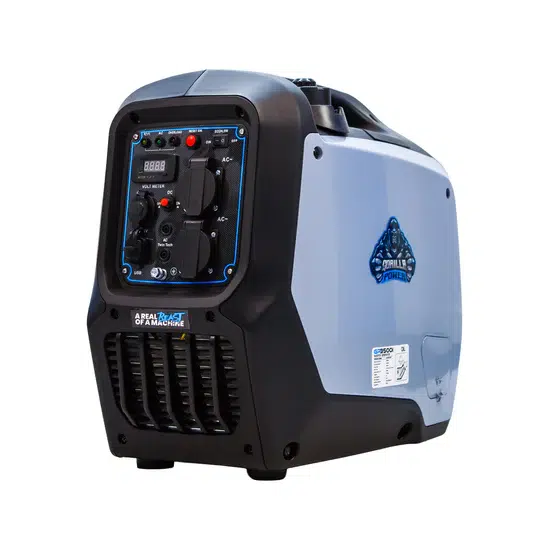
Right then, so you’re after a suitcase generator, eh? Good choice if you need power on the move. Whether you’re running a food truck, heading off-grid for a bit, or just want to keep the essentials going during a power cut, these little workhorses can be a lifesaver. But with so many options out there, how do you pick the right one? Don’t worry, we’ll walk you through it, making sure you get a suitcase generator that fits the bill without any fuss.
Key Takeaways
-
Figure out exactly how much power your gear needs before you buy a suitcase generator. Add up the watts of everything you plan to run.
-
Suitcase generators come in different flavours – petrol, diesel, and dual-fuel. Each has its own pros and cons, so think about what suits you best.
-
Portability is key with these things, but don’t forget about how noisy they are and how much fuel they chew through. These can make a big difference to your experience.
-
Keeping your suitcase generator in good nick means regular checks and looking after the fuel. It’s not a ‘set it and forget it’ kind of deal.
-
A suitcase generator is great for temporary power, but if you need something quiet, eco-friendly, or for long-term use, you might want to look at alternatives like solar power.
Understanding Your Power Requirements
Right, let’s get down to brass tacks. You’re running a mobile catering business, and power is your lifeblood. Get this wrong, and your fryers go cold, your lights go out, and your customers get grumpy. We need to figure out exactly what you need before you even look at a generator.
Calculating Essential Wattage Needs
This is where we work out the total power your kit needs. Think of it like packing for a trip – you don’t want to leave anything vital behind, but you also don’t want to lug around stuff you’ll never use.
-
List everything: Jot down every single piece of equipment you use. This includes your coffee machine, fridge, lights, till, phone chargers, even that little fan you use on hot days.
-
Find the wattage: Most appliances have a sticker or plate showing their power usage in watts (W). If it’s in amps (A) and volts (V), just multiply them: W = A x V.
-
Add it up: Sum the wattage of all the items you plan to run at the same time. This gives you your baseline running wattage.
Don’t forget the ‘start-up’ surge! Some kit, like fridges or microwaves, needs a big burst of power to get going. This ‘starting wattage’ can be double the running wattage. You need a generator that can handle this initial kick.
Identifying Appliance Power Demands
Let’s get specific. Different bits of kit have very different appetites for power. Knowing this stops you from buying a generator that’s too small or unnecessarily big.
Here’s a rough guide for common catering gear:
|
Appliance |
Running Watts (approx.) |
Starting Watts (approx.) |
|---|---|---|
|
Coffee Maker |
800W |
1000W |
|
Fryer (small) |
1500W |
2000W |
|
Fridge/Freezer |
150W |
500W |
|
Hot Plate |
1000W |
1200W |
|
Microwave (small) |
1000W |
1500W |
|
Blender |
500W |
1000W |
Remember, these are just estimates. Always check your own equipment’s labels. If you’re running multiple high-draw items, like a fryer and a microwave together, you’ll need a generator with a higher output. For a more detailed look at wattage, check out this generator size guide.
Estimating Generator Runtime
Runtime is how long the generator can run on a full tank of fuel. This is super important for longer events. You don’t want to be refuelling mid-rush.
-
Check the tank size: Bigger tanks mean longer runtimes.
-
Consider fuel efficiency: A more efficient generator will run longer on the same amount of fuel.
-
Factor in your load: Running the generator at full power uses more fuel than running it at half load. Try to estimate your average power draw throughout the day.
A good rule of thumb is to aim for a generator that can run for at least 8-12 hours at your expected load. This usually gives you enough buffer for a full day’s trading without constant refuelling worries.
Think about your typical event. Are you out for just a few hours, or all day? This will help you decide if you need a bigger fuel tank or if a smaller, more portable unit will do the job. Getting this right means less stress and more focus on serving up delicious food.
Exploring Different Suitcase Generator Types
Right then, let’s talk about the different kinds of suitcase generators you can get. It’s not a one-size-fits-all situation, and knowing the options helps you pick the best one for your catering van or outdoor events.
Diesel-Powered Suitcase Generators
These are the workhorses. They run on diesel, which is known for being quite efficient. This means you can often get more power for your fuel compared to other types. They’re usually built tough, so they can handle a bit of a battering, which is handy if you’re moving around a lot or working on less-than-perfect surfaces. For mobile caterers, their reliability and longer run times on a tank of fuel are big plus points.
-
Pros: Good fuel economy, robust build, stable power output.
-
Cons: Can be a bit heavier, sometimes noisier than petrol models.
-
Example Use: Powering a coffee machine and a small fridge for a full day at a festival.
Petrol-Powered Suitcase Generators
Petrol generators are often the lighter and more compact option. They’re generally easier to start up and are great for shorter jobs or when you don’t need to run things for ages. If you’re just powering a few essential items like your card reader and some lights, a petrol model is a solid choice. They strike a good balance between being easy to carry and providing enough juice.
-
Pros: Lighter, often cheaper to buy, good for quick power needs.
-
Cons: Fuel can be less efficient than diesel, might need refuelling more often.
-
Example Use: Keeping your phone charged and running a small sound system at a garden party.
Dual-Fuel Options Explained
Now, these are pretty clever. Dual-fuel generators can run on either petrol or propane (LPG). This gives you flexibility. If you run out of petrol, you can just switch to a propane tank. Propane often burns cleaner, which can mean less maintenance over time, and it’s usually easier to store. Having the option to switch fuels means you can keep your catering equipment running even if one fuel source becomes tricky to get hold of.
-
Fuel Flexibility: Run on petrol or propane.
-
Extended Runtime: Switch fuels to keep going longer.
-
Cleaner Burning: Propane can be a cleaner option.
-
Example Use: Running your main cooking equipment on petrol, then switching to propane for overnight charging of devices.
When choosing, always check the generator’s wattage output against your catering equipment’s needs. Overloading a smaller generator is a quick way to cause problems and ruin your day’s trading.
Key Considerations for Suitcase Generators
Right then, let’s talk about what really matters when you’re picking out a suitcase generator for your mobile catering setup. It’s not just about watts; there’s more to it than that.
Portability and Physical Design
Think about where you’ll be storing it and how you’ll move it around. Most suitcase generators are designed to be carried, hence the name. They’ve got handles and are built to be compact. This is a big plus for caterers who are always on the move.
-
Weight: Can you lift it easily, even when you’re tired after a long day?
-
Size: Will it fit in your van or storage space without taking up too much room?
-
Build Quality: Look for something sturdy that can handle being transported regularly. A tough casing is a must.
A generator that’s easy to move means less hassle setting up and packing down.
Noise Levels During Operation
This is a big one, especially if you’re operating near customers or in residential areas. Nobody wants a noisy generator spoiling the atmosphere.
-
Decibel Rating: Check the manufacturer’s specs. Lower is better. Aim for under 60 dB if possible.
-
Load Impact: Some generators get much louder when they’re working hard. Consider what appliances you’ll be running simultaneously.
-
Location: Can you position it away from your main service area to minimise disturbance?
Remember, a quieter generator can make a real difference to your customer experience and can help you avoid complaints.
Fuel Efficiency and Running Costs
Your generator needs fuel, and that’s an ongoing cost. You need to balance power output with how much fuel it uses.
-
Fuel Type: Petrol, diesel, or dual-fuel? Diesel is often more efficient but can be pricier upfront. Dual-fuel offers flexibility.
-
Runtime per Tank: How long can it run on a full tank? This affects how often you’ll need to refuel.
-
Appliance Draw: The more power you pull, the more fuel it burns. Match the generator to your typical needs.
Here’s a rough idea of what you might expect:
|
Generator Type |
Typical Fuel Consumption (approx.) |
Runtime (on half load, 1-gallon tank) |
|---|---|---|
|
Small Petrol |
0.2-0.4 gallons/hour |
4-8 hours |
|
Small Diesel |
0.15-0.3 gallons/hour |
6-10 hours |
|
Dual-Fuel (Propane) |
Varies |
Varies (depends on tank size) |
Choosing a fuel-efficient model will save you money in the long run. Always factor in fuel costs when pricing your services.
Maintenance and Longevity
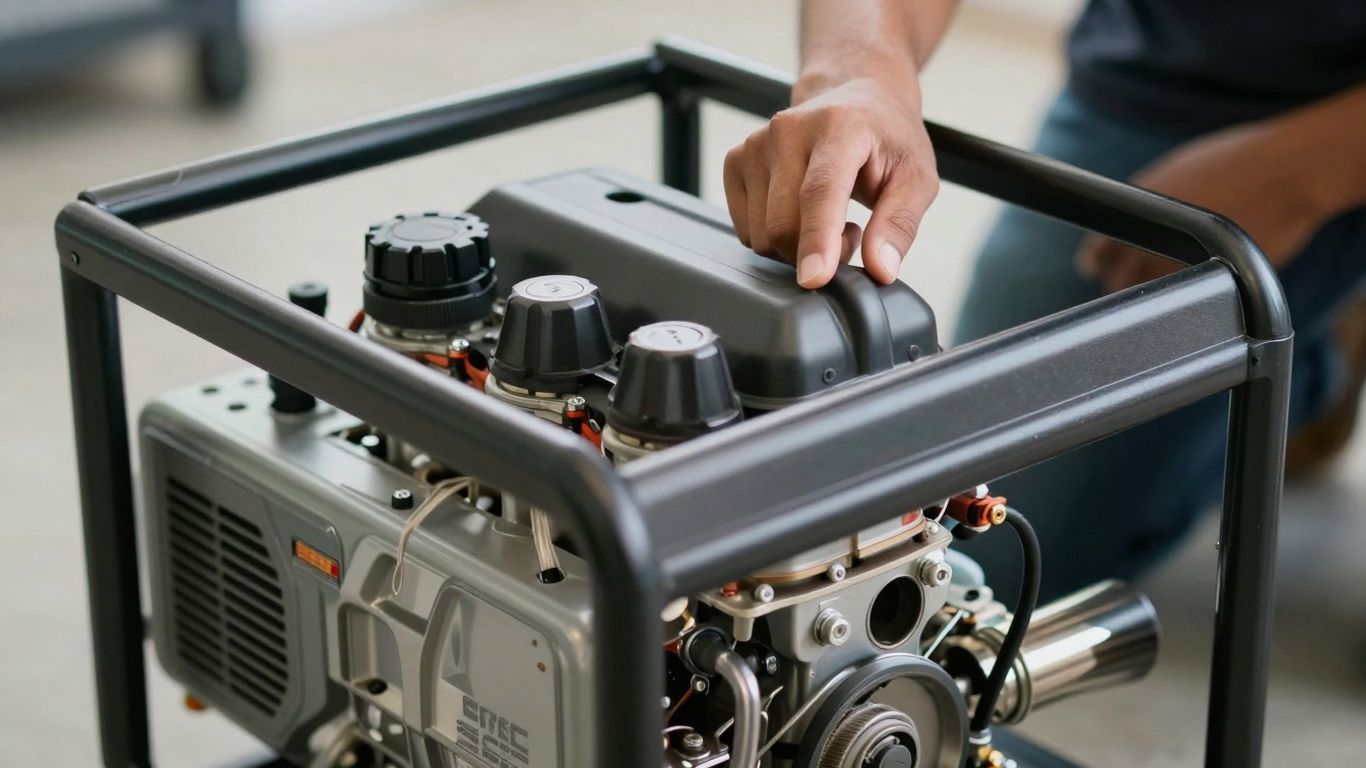
Keeping your suitcase generator in good nick means it’ll be ready when you are. A bit of regular care stops small issues becoming big headaches, especially when you’re out on a job.
Routine Checks for Optimal Performance
Little and often is the name of the game here. A quick once-over before and after use can save you a lot of bother.
-
Check oil levels: Low oil can wreck an engine. Top up as needed with the correct type.
-
Inspect air filter: A clogged filter chokes the engine. Clean or replace it if it looks dirty.
-
Look for leaks: Check fuel lines and connections for any drips. Safety first!
-
Test spark plug: Ensure it’s clean and properly gapped for a good spark.
-
Clean the exterior: Dust and grime can cause overheating. Wipe it down.
A clean generator runs better and lasts longer.
Understanding Fuel Storage Best Practices
Fuel is the lifeblood of your generator, but it doesn’t last forever. Stale fuel is a common cause of generator problems.
-
Use a stabiliser: Add a fuel stabiliser to fresh fuel, especially if it’ll sit for more than a month. This stops it going off.
-
Rotate your fuel: Try to use up and replace stored fuel at least every six months. Don’t just keep topping up the same tank.
-
Store correctly: Keep fuel in approved containers, away from heat and direct sunlight. Cool, dry places are best.
-
Drain before long storage: If the generator’s going to be unused for over a year, consider draining the fuel tank and running the carb dry.
Stale fuel can clog up the carburettor, leading to rough running or a generator that just won’t start. It’s a common fix, but one you can easily avoid with good fuel habits.
When to Seek Professional Servicing
While you can handle most day-to-day checks, some jobs are best left to the pros. This is especially true if you’re not mechanically minded or if the generator is critical to your business.
-
Annual service: Most manufacturers recommend an annual service, even if you haven’t used it much. They’ll check the valves, change the oil and filter, and give it a thorough once-over.
-
Troubleshooting issues: If your generator is making strange noises, running poorly, or won’t start after you’ve done the basic checks, it’s time to call in an expert.
-
After heavy use: If you’ve pushed your generator hard during a busy event, a professional check-up can catch any wear and tear before it becomes a problem.
-
Warranty work: If you suspect a fault covered by the warranty, contact the manufacturer or an authorised service centre.
Suitcase Generators Versus Alternatives
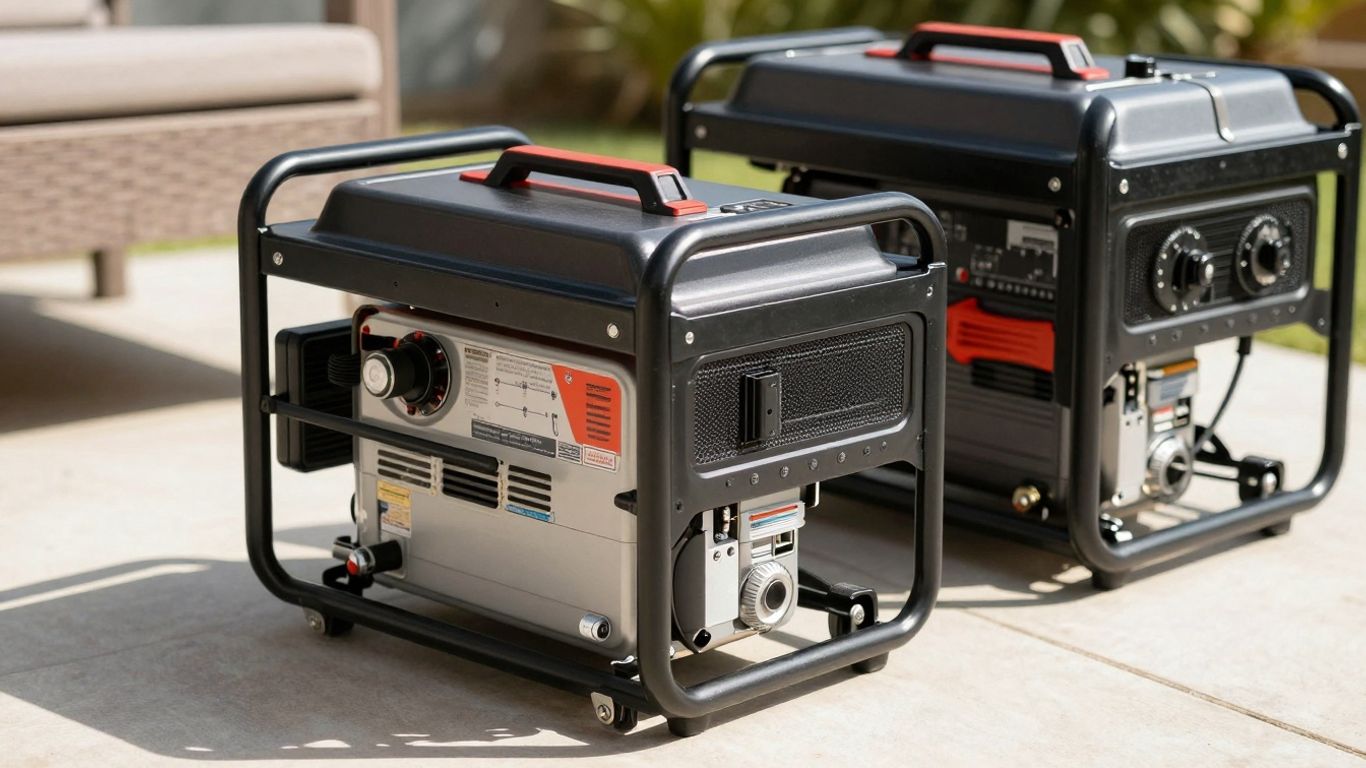
So, you’re thinking about power for your mobile catering setup. It’s a big decision, and you’ve got a few options. Let’s break down how suitcase generators stack up against other choices, especially for keeping your food business on the move.
Comparing with Portable Solar Power
Portable solar power is a greener choice, no doubt. It’s quiet and uses the sun. But, it’s weather-dependent. Cloudy days mean less power, which can be a real headache when you’ve got hungry customers waiting. Suitcase generators, on the other hand, give you power on demand, rain or shine. They can also offer a higher power output, meaning you can run more equipment at once. For mobile caterers needing reliable, immediate power, a suitcase generator often wins out. You can get them up and running quickly, unlike waiting for solar panels to charge. Check out portable solar generators if you’re curious, but remember their limitations for a busy food business.
Assessing Suitability for Mobile Catering
When you’re running a food truck or catering stall, reliability is king. Suitcase generators are built for this. They’re compact, relatively easy to transport, and can power essential kit like griddles, fryers, and refrigeration units. They offer a quick power boost when you need it most. Unlike larger, fixed generators, they fit neatly into your setup. Just remember to factor in fuel costs and noise levels.
When a Suitcase Generator is Ideal
Suitcase generators shine when you need consistent, on-the-spot power for a few hours. Think:
-
Powering your coffee machine during a morning event.
-
Keeping your lights on and music playing at an evening market.
-
Running a small fridge or freezer for a few hours.
-
Charging phones and tablets for staff.
They’re not for running your entire operation 24/7, but for those crucial, shorter bursts of power, they’re hard to beat. They’re a practical solution for many mobile catering needs.
Suitcase generators offer a good balance of portability and power for short-term needs. They’re a solid choice when you need reliable electricity away from the mains, especially for businesses where downtime isn’t an option.
Safety and Environmental Impact
Right then, let’s talk about keeping safe and being kind to the planet when you’re using your suitcase generator. It’s not just about powering your food van; it’s about doing it responsibly.
Safe Operating Procedures
First off, safety. These things can be dangerous if you’re not careful. Always, always read the manual before you switch it on. Get to know your generator inside out before you actually need it in a rush.
-
Ventilation is key: Never, ever run a petrol or diesel generator indoors or in a confined space. Carbon monoxide is a silent killer. Make sure it’s at least 20 feet away from your building.
-
Keep it cool: Don’t refuel a hot generator. Let it cool down first, and keep it away from anything flammable.
-
Dry conditions: Keep the generator dry. Water and electricity don’t mix, plain and simple.
-
Grounding: Make sure your generator is properly earthed. It stops nasty shocks.
A quick note on carbon monoxide alarms: Since 2026, new rules mean you need them on every floor of your home, including basements. It’s a good reminder that CO is a serious risk, and you need to be aware of it, especially with generators. Check out the latest on Ontario’s fire code for more details.
Understanding Emissions and Regulations
Suitcase generators, especially the petrol and diesel ones, chuck out fumes. This is where things get a bit more complicated. Different areas have different rules about emissions. Some places, like California, have really strict standards (CARB compliant). Even if you’re not there, running a cleaner generator is just better for everyone’s air quality. Think about it – you’re often working near people, so cleaner air is a win-win.
|
Generator Type |
Emissions |
Regulatory Considerations |
|---|---|---|
|
Gasoline |
Moderate to High |
CARB compliance may be needed in some regions |
|
Diesel |
High |
Often subject to stricter local regulations |
|
Dual-Fuel (Gas/Propane) |
Lower (Propane) to Moderate (Gas) |
Propane generally has fewer emissions than gasoline |
Responsible Fuel Handling
Storing fuel needs care. Use a fuel stabiliser if you’re keeping petrol for a while; old fuel can be a fire hazard. Always store fuel in approved containers, away from heat and direct sunlight. When you’re refuelling, do it when the generator’s cool and in a well-ventilated spot. It might seem like a hassle, but getting fuel handling right stops accidents before they happen.
So, What’s the Verdict?
Right then, we’ve had a good look at suitcase generators, haven’t we? They’re handy little things for sure, especially if you need a bit of power on the go for your gadgets or smaller appliances. Just remember, they run on fuel, so you’ll need to keep them topped up, and they can be a bit noisy. It’s all about figuring out what you actually need them for – work out those wattages, like we chatted about. If you’re after something super quiet and eco-friendly, a solar option might be more your cup of tea. But for a straightforward, portable power boost when you’re out and about, a suitcase generator could be just the ticket. Have a think about what suits your adventures best!
Frequently Asked Questions
How do I figure out how much power I actually need?
It’s pretty simple, really! Just have a look at the labels on your appliances – they’ll tell you how many volts and amps they use. Multiply those two numbers together (Volts x Amps) and that gives you the wattage. Do this for everything you want to power, and you’ll get a good idea of what size generator you’ll need. Remember, it’s usually best to have a bit of extra power just in case.
Are suitcase generators really that noisy?
They can be a bit noisy, especially when they’re working hard. Think of it like a small engine running. If you’re after something super quiet, especially for a peaceful camping trip or if you’re working somewhere that needs quiet, you might want to look at solar power alternatives instead. Some suitcase generators are quieter than others, so it’s worth checking the specs.
How long can I run a suitcase generator for?
That really depends on the size of the fuel tank and how much power your appliances are using. They’re not designed to run non-stop for days on end. You’ll need to keep an eye on the fuel level and refill it when it gets low. Dual-fuel models, which can run on petrol and propane, can sometimes give you a bit more running time.
What’s the difference between a petrol and a diesel suitcase generator?
Good question! Petrol ones are usually a bit lighter and easier to carry around, making them great for casual use or short trips. Diesel generators tend to be a bit more fuel-efficient and can sometimes be more robust, meaning they might last longer or handle tougher conditions better. Both will get the job done, but it’s about balancing portability with what you need them for.
Do I need to do much maintenance on these things?
Yep, they do need a bit of TLC to keep them running smoothly. You’ll want to check the oil levels regularly, keep the filters clean, and generally give them a once-over now and then. It’s not usually super complicated, but it’s important to do it so you don’t run into trouble when you really need the power.
Are suitcase generators bad for the environment?
Because they run on fossil fuels like petrol, diesel, or propane, they do produce emissions, which isn’t great for the environment. If being eco-friendly is a top priority for you, then a portable solar generator might be a better choice, as they run on sunshine and don’t produce any fumes.