
Portable Hand Washing Stations for Catering Vans


Running a catering van means you’re always on the move, serving up delicious food wherever people are. But with that mobility comes a big responsibility: keeping things clean, especially hands. That’s where a good portable hand washing station comes in. It’s not just about convenience; it’s about meeting rules and making sure everyone stays healthy. Let’s look at what makes a portable hand washing station work well for catering vans.
Key Takeaways
-
A portable hand washing station provides hot and cold running water, which is often a requirement for catering hygiene.
-
Look for units with durable stainless steel basins and robust cabinetry for easy cleaning and longevity.
-
Self-contained units with integrated water heaters and pumps are ideal for meeting health department standards without needing permanent plumbing.
-
Consider vehicle-integrated solutions for mobile workforces, ensuring power supply options match your van’s setup.
-
Key components include a high-rise faucet, efficient pump and heater, and adequate fresh and wastewater tank capacity for practical use.
Essential Portable Hand Washing Station Features
When you’re running a catering van, keeping things clean is obviously a big deal. It’s not just about making sure your food is top-notch; it’s about following the rules and making sure your customers and staff stay healthy. That’s where a good portable hand washing station comes in. These aren’t just fancy sinks; they’re designed to give you proper washing facilities wherever you are, without needing a plumbed-in setup. The right station makes hygiene straightforward, even when you’re out on the road.
Hot and Cold Running Water Requirements
Most places that deal with food, and certainly health inspectors, want to see both hot and cold running water available at your hand washing station. Cold water is fine for a quick rinse, but hot water is much better for actually getting rid of grease and germs. Having both means you can properly clean your hands, which is a big plus for hygiene.
-
Hot Water: Generally, a temperature between 100°F and 120°F (38°C to 49°C) is recommended. This is warm enough to be effective without being scalding.
-
Cold Water: Provides a refreshing rinse and is useful for tasks where hot water isn’t strictly necessary.
-
Regulation Compliance: Many local health codes specifically state that both hot and cold water must be supplied. It’s always best to check your local regulations.
Durable Stainless Steel Basin Construction
Think about how much a sink gets used, especially in a busy catering environment. You need something that can take a beating and still be easy to clean. That’s why stainless steel is the go-to material for the basin. It’s tough, doesn’t rust easily, and you can wipe it down quickly to keep it hygienic. Look for a decent gauge – a lower gauge number means thicker, stronger steel.
|
Feature |
Specification |
|---|---|
|
Material |
22-gauge stainless steel |
|
Finish |
Rust-resistant |
|
Basin Dimensions |
Approx. 11.75″ x 11″ x 5.6″ (interior) |
|
Drain Type |
Beveled bar drain with basket strainer included |
Integrated Water Heater and Pump Systems
These portable units cleverly pack everything you need into one package. You’ve got a water heater, usually electric, that can heat water on demand or keep it at a set temperature. Then there’s a pump system that pushes the water through the faucet when you press a button or turn a tap. This means no waiting around for water to heat up and no need for complicated plumbing. It all works together to give you a reliable flow of water, hot or cold, whenever you need it.
The convenience of a self-contained unit is a major selling point for mobile catering. It means you can set up a proper handwashing facility quickly and efficiently, without needing to worry about external water sources or complex electrical hookups beyond a standard power outlet.
Meeting Catering Hygiene Regulations
Compliance with Health Department Standards
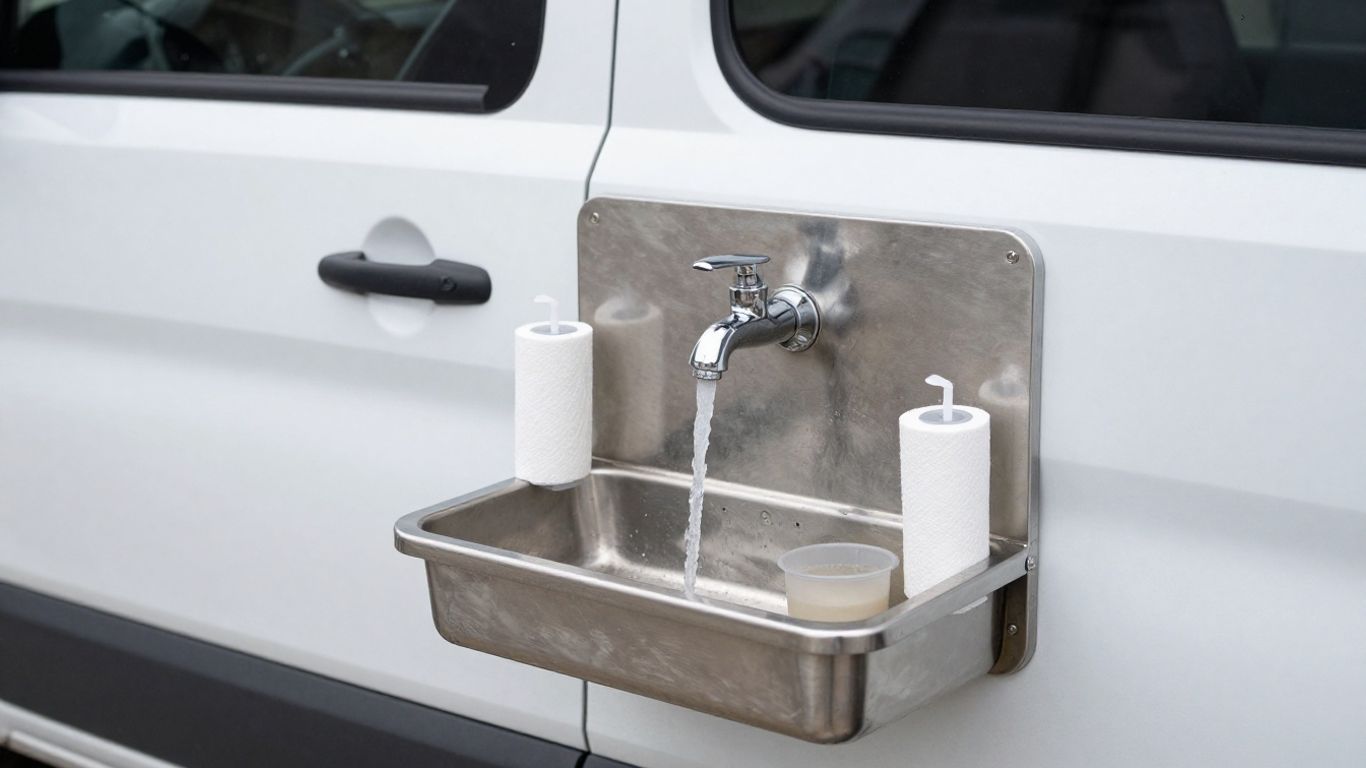
When you’re running a catering business, especially one that involves mobile operations like food vans, keeping on top of hygiene rules is a big deal. Health departments have specific guidelines to make sure food is prepared and served safely, and handwashing is right at the top of that list. Most health departments require both hot and cold running water for proper handwashing. This isn’t just a suggestion; it’s a legal requirement in many places. Failing to meet these standards can lead to fines, temporary closure, or even losing your licence to operate. It’s always best to check with your local environmental health officer to get the exact details for your area, as rules can vary.
Importance of Self-Contained Units
For catering vans, self-contained units are a lifesaver. They don’t need to be plumbed into a mains water supply, which is obviously impossible in a van! These units typically have their own tanks for fresh water and wastewater. This means you can set up your handwashing station pretty much anywhere, as long as you have a power source. They’re designed to be practical and easy to use, making it simple to maintain high hygiene standards on the go. Think about it: you can fill up the fresh water tank before you head out, and the wastewater tank collects everything, so you just need to empty it later. It’s a neat, tidy solution.
Selecting the Right Portable Hand Washing Station
Choosing the correct unit involves a few considerations. You’ll want something that’s robust and easy to clean, usually made from stainless steel. The size of the freshwater and wastewater tanks is also important – you don’t want to be running out of water halfway through a busy event. Look for units that are certified for use in vehicles if that’s your primary setup. Some units are designed to be more compact, fitting neatly into smaller vans, while others offer more basin space. It’s a good idea to make a list of what you absolutely need:
-
Water supply: Does it provide both hot and cold?
-
Tank capacity: How much water can it hold for washing and waste?
-
Power source: How will you power the heater and pump (e.g., 12v, 24v, mains electricity)?
-
Durability: Is it built to withstand the rigours of mobile catering?
-
Ease of cleaning: Can you easily wipe it down and keep it hygienic?
Making sure your handwashing facilities meet all the necessary regulations isn’t just about ticking boxes; it’s about protecting your customers and your business reputation. A well-chosen portable unit makes this a straightforward task.
Vehicle-Integrated Handwashing Solutions
For catering vans, fitting a handwashing station directly into the vehicle makes a lot of sense. It means you’ve always got a proper sink to hand, no matter where you’ve parked up for the day. These aren’t just basic setups; many are designed specifically for mobile use, meaning they can handle the bumps and vibrations of the road.
Automotive Units for Mobile Workforces
These units are built with life on the move in mind. They’re often compact and designed to run off the vehicle’s own power supply, whether that’s 12v or 24v. This makes them really practical for all sorts of vehicles, from food vans and lorries to ambulances and mobile workshops. The key is having hot and cold water readily available, wherever your business takes you.
Power Supply Options for Vans
When you’re integrating a sink into a van, power is a big consideration. Most automotive units are designed to run off the vehicle’s electrical system. This could be 12-volt for smaller vans or 24-volt for larger trucks. Some might also have options for mains power if you’re plugged in at a site, but the real advantage is the self-sufficiency.
Here’s a quick look at common power needs:
-
12v Systems: Suitable for most standard catering vans and smaller service vehicles.
-
24v Systems: Often found in larger lorries and commercial vehicles.
-
Mains Power (Optional): For use when stationary and connected to an external power source.
Accreditation and Certification
It’s worth checking if the units you’re looking at have the right certifications. For automotive units, you might see things like E11 approval, which shows they meet specific standards for use in vehicles. This kind of accreditation gives you peace of mind that the unit has been tested and is safe for mobile applications. It’s another layer of assurance that you’re getting a product designed for the job.
When choosing a vehicle-integrated handwashing solution, look for units that are specifically designed for automotive use. This means they’ll be robust enough to handle movement and vibration, and importantly, they’ll have power options that match your vehicle’s setup. Checking for relevant certifications can also provide confidence in the product’s suitability and safety for your catering van.
Choosing Your Catering Hand Wash Unit
Picking the right hand wash unit for your catering van isn’t just about ticking a box; it’s about making sure you can keep things hygienic on the go. There are a few different types out there, and knowing what to look for can save you a lot of hassle down the line. The key is finding a unit that fits your van, your workflow, and most importantly, the health regulations in your area.
Indoor and Outdoor Sink Configurations
When you’re looking at sinks, you’ll notice they’re generally designed for either indoor or outdoor use, though some can manage both. Outdoor units are built to be a bit tougher, able to handle less-than-ideal weather and more frequent, perhaps rougher, use. They’re often seen at festivals, markets, or construction sites. Indoor units, on the other hand, might be a bit more refined, suitable for catering events inside marquees or even in more permanent food service setups where a dedicated plumbing system isn’t feasible. Think about where you’ll be setting up most often. If it’s mostly outside, a robust outdoor model makes sense. If you’re often working under cover or in more controlled environments, an indoor-style unit might be perfectly fine.
Leading Brand Selections
There are a few names that pop up when you start researching portable sinks. Brands like PolyJohn, Monsam, Crown Verity, and Jonti-Craft are well-regarded in the industry. Each has its own range of options, so it’s worth looking at a few to see what they offer. Some focus on super compact designs, while others might offer more basin space or advanced features. It’s a good idea to check out what different manufacturers provide, as one might just have the perfect fit for your specific needs.
Accessories for Seamless Operation
Don’t forget the little things that make a big difference! Having the right accessories can make operating your hand wash station much smoother. This could include things like extra water tanks, specialised cleaning supplies, or even hand sanitiser dispensers for when a full wash isn’t immediately possible. Think about what you’ll need to keep the unit running efficiently and hygienically throughout your service. A well-equipped station means less fuss and more focus on serving your customers.
Benefits of a Pressurised Sink System
Ease of Installation and Use
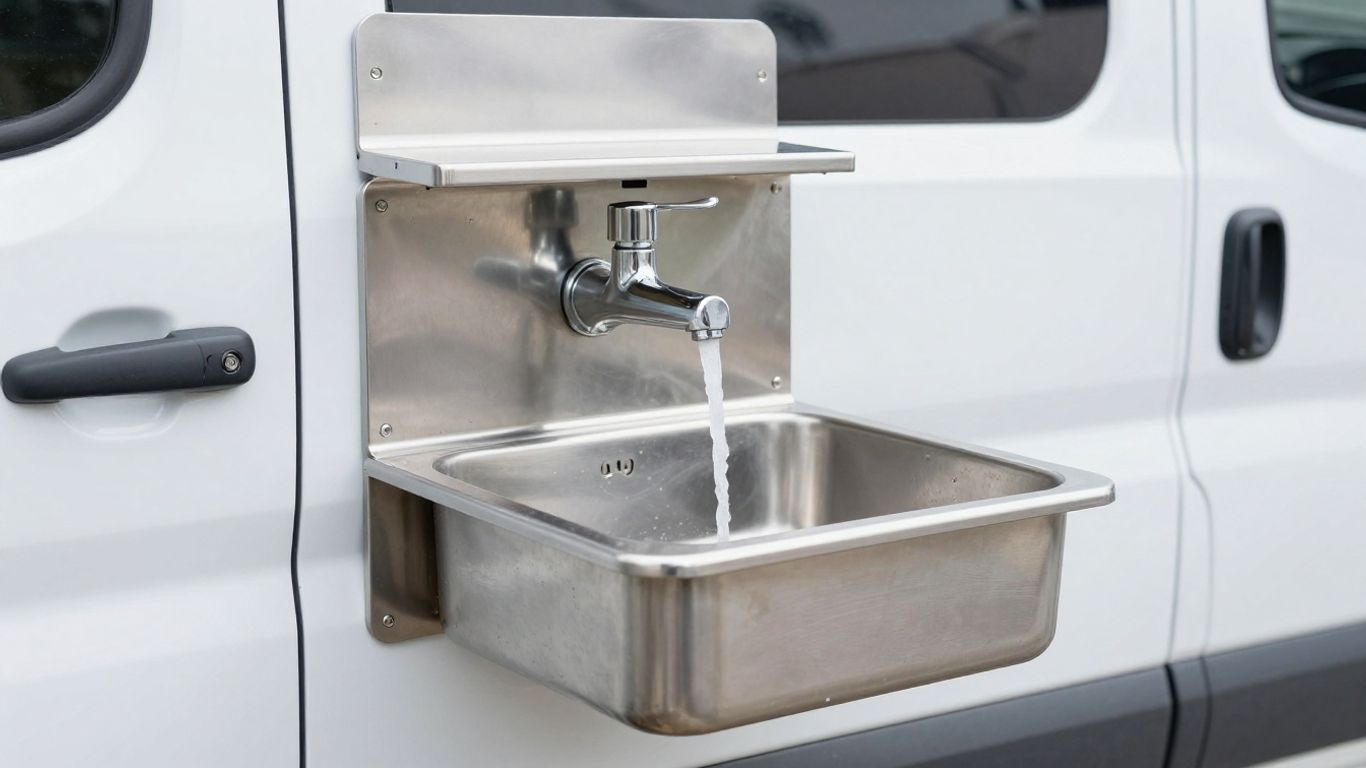
Setting up a pressurised sink system is surprisingly straightforward, which is a big plus when you’re running a catering van. You don’t need a plumber or any fancy tools. Honestly, it’s usually just a case of attaching the faucet, filling up the fresh water tank, and plugging it in. Most units come pretty much ready to go, meaning you can be up and running in about ten minutes. This speed is a lifesaver when you’re setting up for an event or a busy service.
Compact and Portable Design
These units are designed with space in mind, which is vital in a catering van where every inch counts. They’re built to be self-contained, meaning the water heater, pump, and tanks are all tucked away neatly inside the cabinet. This all-in-one approach means they don’t take up a huge amount of floor space. Plus, they’re not excessively heavy, often light enough for one person to move around if needed, making them practical for different locations.
Robust and Easy-to-Clean Cabinetry
The cabinets themselves are usually made from tough, industrial-grade plastic or sturdy metal. This means they can handle the knocks and bumps that come with mobile catering. They’re designed to resist dents, stains, and even mould, which is great for hygiene. Cleaning is usually a breeze too, with smooth surfaces that wipe down easily. This durability and ease of maintenance are key for keeping your van compliant and looking professional.
A pressurised sink system takes the hassle out of providing proper handwashing facilities on the go. It combines all the necessary components into one neat package, simplifying setup and daily operation for mobile food businesses.
Key Components of a Portable Hand Washing Station
When you’re looking at portable hand washing stations for your catering van, it’s not just about having a sink. There are several bits and pieces that make the whole thing work, and knowing what they are can help you pick the right one. It’s all about making sure you can wash your hands properly, even when you’re out and about.
High-Rise Commercial Faucet Design
The faucet is more than just a tap; it’s designed for practicality. You’ll often see a high-rise, commercial-style spout. This is a good thing because it gives you more room underneath to actually wash your hands, or even rinse out a small pot or utensil. Unlike those low, domestic-style taps you might have at home, these are built for a bit more action. They usually have a chrome finish, which looks smart and is easy to wipe down.
Efficient Water Pump and Heater
This is where the magic happens for hot and cold water. Most units have an electric pump that draws water from a fresh water tank. This pump needs to be reliable. Alongside this, there’s an electric water heater. These are typically quite compact and can heat water up to a usable temperature, often adjustable. Having a decent heater means you’re not stuck with just cold water, which is a big plus for hygiene and comfort.
Freshwater and Wastewater Tank Capacity
These stations are self-contained, meaning they carry their own water. You’ll have a freshwater tank, which you fill up. Then, there’s a wastewater tank to collect all the used water. It’s important that the wastewater tank is larger than the freshwater tank. This is a common requirement from health inspectors, as it means you won’t overflow the dirty water before you’ve finished using the clean water. The size of these tanks dictates how long you can operate between refills and emptying.
Here’s a quick look at typical capacities:
|
Component |
Typical Capacity |
|---|---|
|
Freshwater Tank |
5 Gallons |
|
Wastewater Tank |
15% Larger |
The design of these components is key. They need to be robust enough for mobile use, easy to access for refilling and emptying, and simple to clean. Think about how often you’ll need to service them during a busy day of catering.
Final Thoughts on Mobile Handwashing
So, there you have it. Keeping things clean on the go, especially when you’re serving food from a van, isn’t just a good idea, it’s pretty much a must. Portable sinks, whether they’re the fancy ones with hot and cold water or simpler setups, really do the trick. They help you follow the rules and, more importantly, keep everyone who eats your food safe. It’s not a huge hassle to get one, and honestly, it makes a big difference to how professional your operation looks. Don’t forget to check out the different brands and types available; there’s likely something out there that fits your van and your budget perfectly. Happy washing!