
The Ultimate Guide to Choosing and Using Your Petrol Jet Wash


Right then, fancy giving your outdoor spaces a proper spruce-up? If you’ve got stubborn muck that just won’t budge, a petrol jet wash could be your new best mate. Forget endlessly scrubbing; these machines pack a punch. We’re going to walk through picking the right one, getting it set up safely, using it like a pro, and keeping it in tip-top shape so it’s ready for action whenever you are. Let’s get this done!
Key Takeaways
-
When choosing a petrol jet wash, pay attention to the pressure (PSI) and water flow rate (GPM) to match the cleaning job.
-
Look for solid build quality, like steel frames and brass fittings, for a machine that lasts.
-
Always stick to safety rules: wear protective gear and check fuel and oil before you start your petrol jet wash.
-
Different surfaces need different settings; adjust the pressure and keep a good distance with the nozzle for the best results without causing damage.
-
Regular maintenance, like oil checks and cleaning filters, is key to keeping your petrol jet wash running smoothly for ages.
Choosing Your Petrol Jet Wash
Right then, picking the right petrol jet wash is key. You want something that’s going to do the job without being a total pain. Think about what you’ll be cleaning most. Is it the greasy outdoor kitchen, the grubby patio furniture, or maybe the van itself?
Understanding Pressure (PSI) and Water Flow Rate (GPM)
This is where the real power comes from. PSI (pounds per square inch) is how hard the water hits. GPM (gallons per minute) is how much water is actually coming out. More of both usually means a faster clean, but you need to be careful.
-
For general food truck cleaning: Aim for something around 2000-2500 PSI. This is enough to shift stubborn grease and grime.
-
For lighter jobs like rinsing: Lower PSI is fine, maybe 1500-2000 PSI.
-
Water flow: A good GPM means you’ll get the job done quicker. Look for at least 2.5 GPM.
Don’t go overkill on the PSI; you could damage surfaces.
Assessing Durability and Build Quality
These machines can take a beating, but some are built tougher than others. For a mobile catering business, you need something that can handle being moved around and used regularly. Check for:
-
Sturdy frame: Look for a solid metal frame, not flimsy plastic.
-
Reputable engine: Brands like Honda or Briggs & Stratton are known for reliability.
-
Good quality hoses and fittings: These are often the first things to wear out.
A well-built jet wash might cost a bit more upfront, but it’ll save you hassle and money in the long run. Think of it as an investment in keeping your business looking sharp.
Top Petrol Jet Wash Brands to Consider
While there are loads of brands out there, a few consistently get good reviews for power and reliability. It’s worth checking out reviews of petrol pressure washers to see what fits your budget and needs.
-
Kärcher: Known for quality and a wide range of models.
-
Nilfisk: Another solid choice, often favoured for their robust build.
-
Stihl: While famous for garden tools, their pressure washers are also tough.
Do your homework, read up on a few models, and pick the one that feels right for your business.
Getting Started With Your Petrol Jet Wash
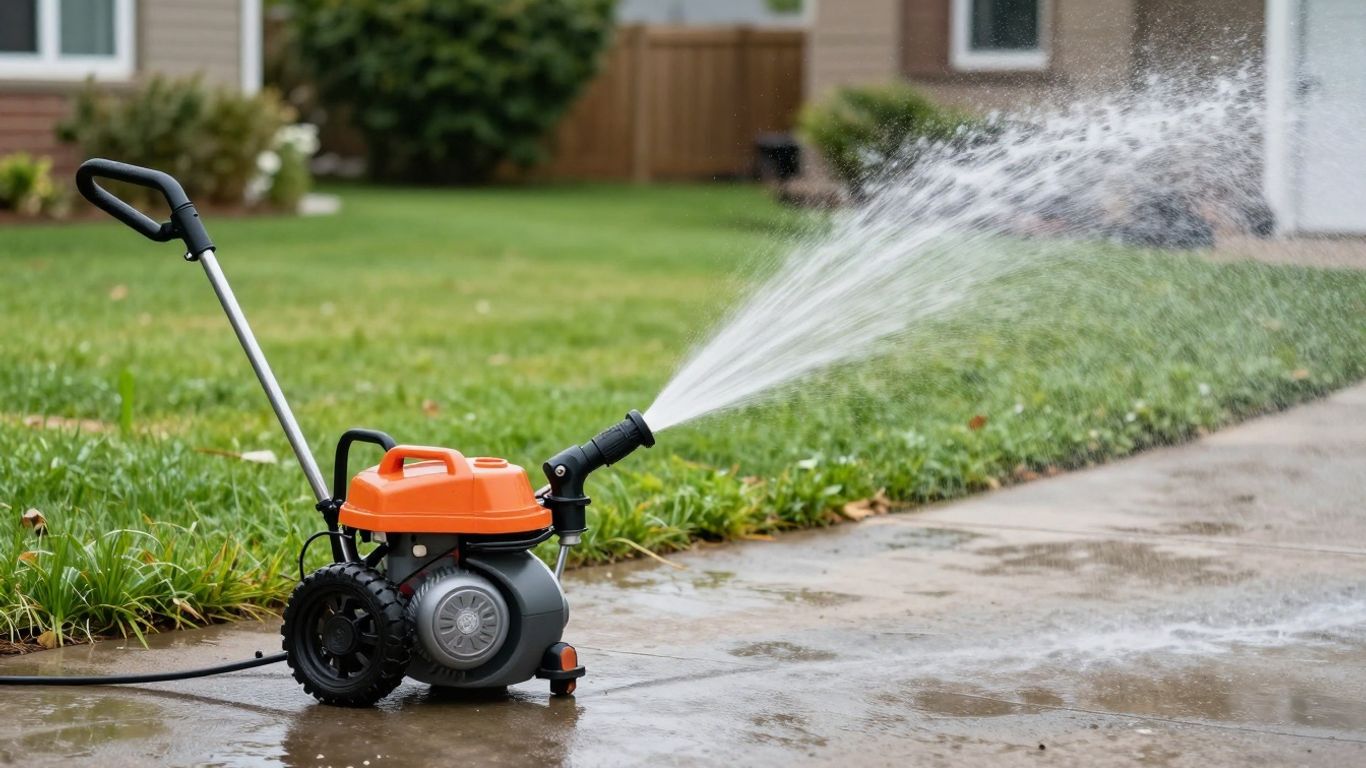
Right then, you’ve got your shiny new petrol jet wash. Let’s get it fired up safely and efficiently. For us mobile caterers, a quick and effective setup means more time serving happy customers and less time wrestling with equipment.
Essential Safety Precautions
Safety first, always. These machines pack a punch, so a bit of common sense goes a long way.
-
Wear your kit: Think waterproof overalls, sturdy boots (no flip-flops!), thick gloves, and eye protection. That high-pressure spray can do some damage if it hits you.
-
Keep bystanders clear: Make sure no one, especially kids or pets, wanders into your cleaning zone. You don’t want any accidents.
-
Know your machine: Read the manual. Seriously. It tells you what your specific model can and can’t do.
Remember, a petrol jet wash is powerful. Treat it with respect, and it’ll treat your van and equipment well.
Checking Oil and Fuel Levels Before Use
This is a biggie. Running low on oil or fuel can knacker your engine pretty quickly.
-
Fuel: Use fresh, unleaded petrol. Check the tank level and top up if needed. Don’t overfill.
-
Oil: Most petrol jet washes have a separate oil reservoir. Check the dipstick. If it’s low, add the type of oil recommended in your manual. Getting this wrong can cause serious engine damage.
Connecting Your Hose Correctly
Getting the water supply sorted is straightforward, but there are a couple of points to remember.
-
Water Source: Connect your garden hose to a mains water supply. You need a decent flow for the jet wash to work properly. Turn the tap on fully.
-
Hose Check: Make sure your hose is securely connected to both the water supply and the jet wash inlet. Give it a gentle tug to check. No leaks, please!
-
Prime the Pump: Before starting the engine, squeeze the trigger on the lance a few times. This clears any air from the system and helps the pump get going. You can then start your high-pressure washer by turning the power switch on and unlocking the trigger.
Mastering Your Petrol Jet Wash Techniques
Right then, you’ve got your petrol jet wash ready to go. Now, how do you actually use the thing without causing a mess or damaging your gear? It’s not rocket science, but a few pointers will make a big difference.
Adjusting Pressure and Flow for Different Surfaces
This is key. You wouldn’t use a sledgehammer to crack a nut, would you? Same with your jet wash. Different jobs need different settings.
-
Tough stuff: For stubborn muck on concrete paths or greasy catering equipment, crank up the pressure. Think 2000 PSI and above.
-
Medium jobs: Cleaning your van or a slightly grubby patio? Dial it back a bit, maybe 1500-2000 PSI.
-
Delicate work: Washing windows or very sensitive surfaces? You need a gentle touch. Aim for under 1500 PSI, or even use a wider fan nozzle.
Always start with lower pressure and test on an inconspicuous spot first. You can always turn it up, but you can’t un-damage something.
Effective Nozzle Distance and Movement
How you hold the lance matters. Get too close, and you risk damage. Too far, and you’re wasting time and fuel.
-
General rule: Keep the nozzle about 12-18 inches from the surface. For really tough grime, you might go a bit closer, but watch out.
-
Sweeping motion: Move the lance in smooth, overlapping strokes. Don’t linger in one spot – that’s how you get lines and marks.
-
Think like a painter: Cover the area evenly. Imagine you’re painting the dirt away.
Never point the lance directly at people, animals, or electrical components. It’s powerful stuff and can cause serious injury.
Using Detergents Wisely
Sometimes, water alone isn’t enough. Detergents can speed things up, but use them right.
-
Check your machine: Does it have a detergent tank or a suction tube? Follow the manual.
-
Dilute properly: Most detergents need to be mixed with water. Using them neat can damage surfaces and the machine.
-
Rinse thoroughly: After using detergent, give everything a good rinse with plain water. You don’t want residue left behind.
For mobile caterers, using the right detergent can make short work of grease and food stains on your serving hatches or exterior. Just remember to rinse well before serving food again!
Maintaining Your Petrol Jet Wash
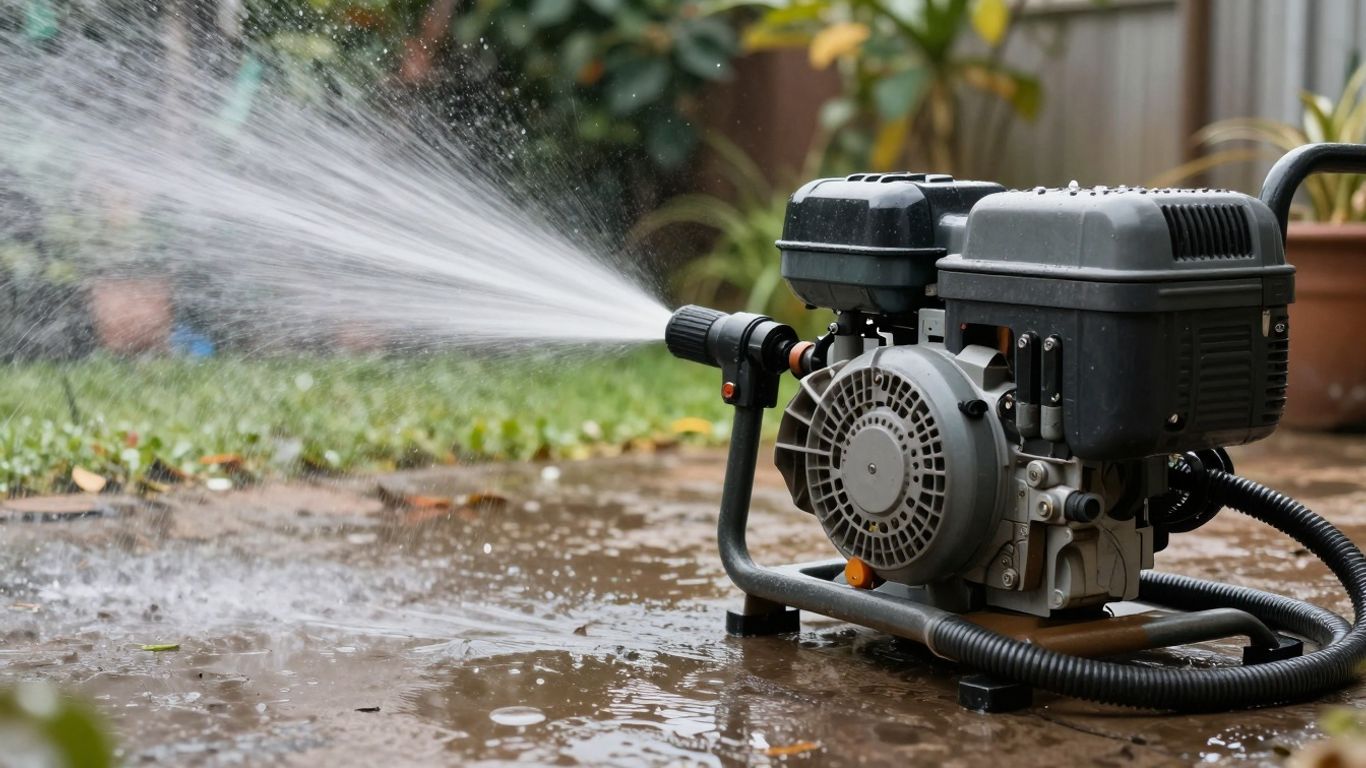
Keeping your jet wash in good nick means it’ll keep your food truck sparkling. Simple checks save big headaches later.
Regular Oil Checks and Changes
Your engine needs oil to run smoothly. Don’t skip this bit. Check the oil level before every use. If it’s low, top it up. For a full change, follow the manual. Usually, after the first 5-10 hours, then every 50 hours after that. Using the right oil is key – check your manual.
Keeping the Air Filter Clean
A clogged air filter makes your engine work harder and less efficiently. Give it a look now and then. Tap out any dust or dirt. If it looks really grubby, swap it for a new one. It’s a cheap part that makes a big difference.
Inspecting Hoses and Fittings
Look over your hoses and any connectors. Are they cracked? Are the fittings loose? A leak wastes water and power. Replace any worn bits straight away. It’s better than a sudden burst when you’re in the middle of a job.
Proper Storage for Longevity
When you’re done, give the system a quick flush with clean water. This gets rid of any leftover soap or muck. Store your jet wash somewhere dry and out of the way. If it’s freezing outside, make sure there’s no water left in the pump to stop it from freezing up and cracking. Draining fuel before long-term storage is also a good idea to keep the engine healthy.
Maximising Your Petrol Jet Wash Performance
Right then, let’s get the most out of your petrol jet wash. These things are beasts when you know how to use them properly. Forget those weak electric ones; this is where the real cleaning power is.
Understanding the Power of Petrol Jet Washers
Petrol jet washers pack a serious punch. They’re not just for big jobs; they’re your secret weapon for getting things spotless, fast. Think of them as your mobile cleaning station, ready for anything.
-
More grunt: Higher PSI and GPM mean dirt doesn’t stand a chance.
-
Goes anywhere: No plugs needed, so you can clean wherever the job is.
-
Built tough: They’re made for hard graft and last ages if you look after them.
Portability for Any Location
This is a big one for us, isn’t it? Need to clean a van at the market? No problem. Got a greasy patio at a festival? Sorted. Your petrol jet wash goes where you go.
-
Wheels matter: Look for sturdy, decent-sized wheels. They make a world of difference on grass or gravel.
-
Easy to move: While they’re not light, some are designed better than others. Good handles help.
-
No power cords: This is the main thing. You’re not tied down. Clean that food truck at the back of the field with ease.
Versatility for Various Cleaning Tasks
Don’t just think driveways. These machines can tackle a whole load of jobs. It’s all about using the right settings and nozzles.
-
Tough dirt: Use higher pressure for stubborn grime on hard surfaces. Think grease traps or dirty outdoor seating.
-
Gentle touch: Lower the pressure for more delicate jobs, like washing down your catering van’s exterior without damaging the paint.
-
Add-ons: Different nozzles are key. A turbo nozzle can blast away really caked-on muck, while a wider spray is good for general rinsing.
Remember, using the right nozzle and distance is key. Too close or too powerful on a sensitive surface, and you could cause damage. Always test on a small, hidden area first if you’re unsure.
Here’s a quick guide to nozzle types and what they’re good for:
|
Nozzle Type |
Spray Pattern |
Best For |
|---|---|---|
|
Red (0°) |
Straight jet |
Stubborn dirt, concrete, rust removal |
|
Yellow (15°) |
Fan spray |
Heavy cleaning, paint stripping |
|
Green (25°) |
Fan spray |
General cleaning, decks, fences |
|
White (40°) |
Wide fan |
Rinsing, cars, windows, delicate surfaces |
|
Black (Detergent) |
Low pressure |
Applying cleaning solutions |
So, Ready to Get Washing?
Right then, we’ve gone through all the ins and outs of picking and using a petrol jet wash. It’s not rocket science, is it? Just remember to think about what you actually need it for – don’t go buying a monster if you’re just doing the patio furniture. Keep it maintained, use it safely, and you’ll have a trusty bit of kit that’ll make those cleaning jobs a doddle. Happy washing!
Frequently Asked Questions
What’s the difference between PSI and GPM on a jet washer?
Think of PSI (pounds per square inch) as the muscle – it’s how hard the water hits. GPM (gallons per minute) is how much water is coming out. More GPM means you can clean a bigger area faster, while more PSI means you can blast away tougher dirt. You need a good balance of both for effective cleaning.
Do I really need to wear all that safety gear?
Absolutely! That high-pressure water stream can cause nasty injuries, like deep cuts or eye damage. Always wear sturdy boots, waterproof clothing, thick gloves, and especially safety goggles. It’s better to be safe than sorry when you’re dealing with that kind of power.
Can I use any old washing-up liquid in my jet washer?
Nope, definitely not! You should only use detergents specifically designed for pressure washers. Regular washing-up liquids can create too many suds and might damage the pump or seals. Always check your manual for what type of detergent is best.
How close should I hold the lance to the surface I’m cleaning?
It really depends on what you’re cleaning and the nozzle you’re using. For tough stuff like a dirty patio, you can get a bit closer. But for cars or garden furniture, you need to keep the lance further away to avoid damaging the surface. Always start further away and move closer if needed. And remember to keep it moving in a steady sweep, not in one spot!
My jet washer seems to be losing power, what could be wrong?
There could be a few reasons. First, check your water supply – is the hose kinked or is the water pressure low? Make sure the engine has enough fuel and oil. Also, give the air filter a clean, as a clogged one can really affect performance. If it’s still struggling, there might be an issue with the pump or nozzle.
How should I store my petrol jet washer to make sure it lasts?
Proper storage is key! Before putting it away for a while, make sure to run it dry of fuel, as old fuel can gum up the engine. Flush the pump with clean water to get rid of any leftover detergent or debris. Store it in a dry, sheltered spot, away from freezing temperatures, to protect the pump and other parts.