
Navigating the UK: Your Essential Guide to Obtaining a Mobile Bar Licence


Thinking about setting up a mobile bar in the UK? It’s a fantastic idea, but before you start dreaming of cocktails and cool events, you’ve got to get the paperwork sorted. Getting the right mobile bar licence can seem a bit confusing with all the different rules and regulations, but don’t sweat it. We’re going to walk through what you need to know to make sure you’re operating legally and can focus on serving up some great drinks.
Key Takeaways
- You absolutely need the right mobile bar licence if you’re planning to sell or supply any alcoholic drinks anywhere in the UK.
- There are a couple of main licences to think about: a Premises Licence for your vehicle or storage spot, and a Personal Licence for the person in charge of authorising sales.
- Once you get them, Premises and Personal Licences generally don’t expire, unless they’re cancelled or you give them up.
- Getting a Personal Licence involves a bit of training, a background check, and a fee, which is pretty much the same across the UK.
- The cost for a Premises Licence can change quite a bit, mostly depending on the ‘rateable value’ of where you store your alcohol.
Understanding Your Mobile Bar Licence Needs
Why A Mobile Bar Licence Is Essential
Got a mobile bar idea? Great! But before you start mixing cocktails, you need to sort out the paperwork. Selling alcohol in the UK isn’t just a case of turning up and pouring. You absolutely need the right licences to operate legally. This isn’t just about avoiding hefty fines; it’s about showing your customers you’re a pro who takes safety and responsibility seriously. Think of it as your licence to thrill – and to serve.
The Core Licensing Requirements Explained
So, what’s the deal? In the UK, the main law is the Licensing Act 2003. It covers selling alcohol, late-night food, and entertainment. For a mobile bar, you’re mainly looking at two things:
- Premises Licence: This is for the place where alcohol is stored, even if it’s just your home base or a storage unit. It means your alcohol supply chain is legal.
- Personal Licence: This is for you, or whoever is in charge of selling alcohol. It proves you know the rules and can sell responsibly.
Not having these means you can’t legally sell a drop. It’s that simple.
Navigating The Licensing Act 2003
The Licensing Act 2003 is the big one. It’s designed to keep things safe and orderly. The main goals are:
- Stop crime and disorder.
- Keep children safe.
- Make sure public spaces are safe.
- Prevent noise and disturbance.
Your licences are granted based on meeting these objectives. You’ll need to show how your mobile bar business will stick to these rules. It’s all about responsible service, every time.
Securing A Premises Licence For Your Mobile Bar

What A Premises Licence Covers
Think of this as the main licence for your business’s alcohol storage. Even though your bar moves around, the alcohol has to come from somewhere licensed. This licence is tied to your main storage address, like your home office or a dedicated unit. It basically says your business is allowed to supply alcohol. It’s a big deal for building trust with clients and event organisers.
Applying For Your Premises Licence
Getting this licence means talking to your local council. You’ll need to fill out an application form and pay a fee. Part of the process involves an operating schedule, which details how you’ll run things safely and responsibly. You’ll also need to name a Designated Premises Supervisor (DPS) who holds a Personal Licence. Don’t forget, you have to advertise your application publicly. This involves putting up a blue notice at your business premises for 28 days. Check local council for specific forms and fees.
Understanding Rateable Value For Mobile Units
The fee for a premises licence is based on the rateable value of the property where you store your alcohol. This is set by the Valuation Office Agency. For mobile bars, this usually means the rateable value of your storage unit or business premises. It’s worth factoring this cost into your budget right from the start. The costs can vary, so always check with your local authority.
Obtaining Your Personal Licence
Who Needs A Personal Licence?
Right, let’s talk about you. A Personal Licence is all about your individual authority to sell alcohol. If you’re planning to be the main person in charge – the Designated Premises Supervisor (DPS) – or if you’ll be authorising others to sell booze, then this licence is a must-have. It’s your personal stamp of approval, showing you know the score when it comes to licensing laws. Think of it like your driving licence; it’s yours and allows you to drive any car (sell alcohol from any licensed premises).
The Qualification And Application Process
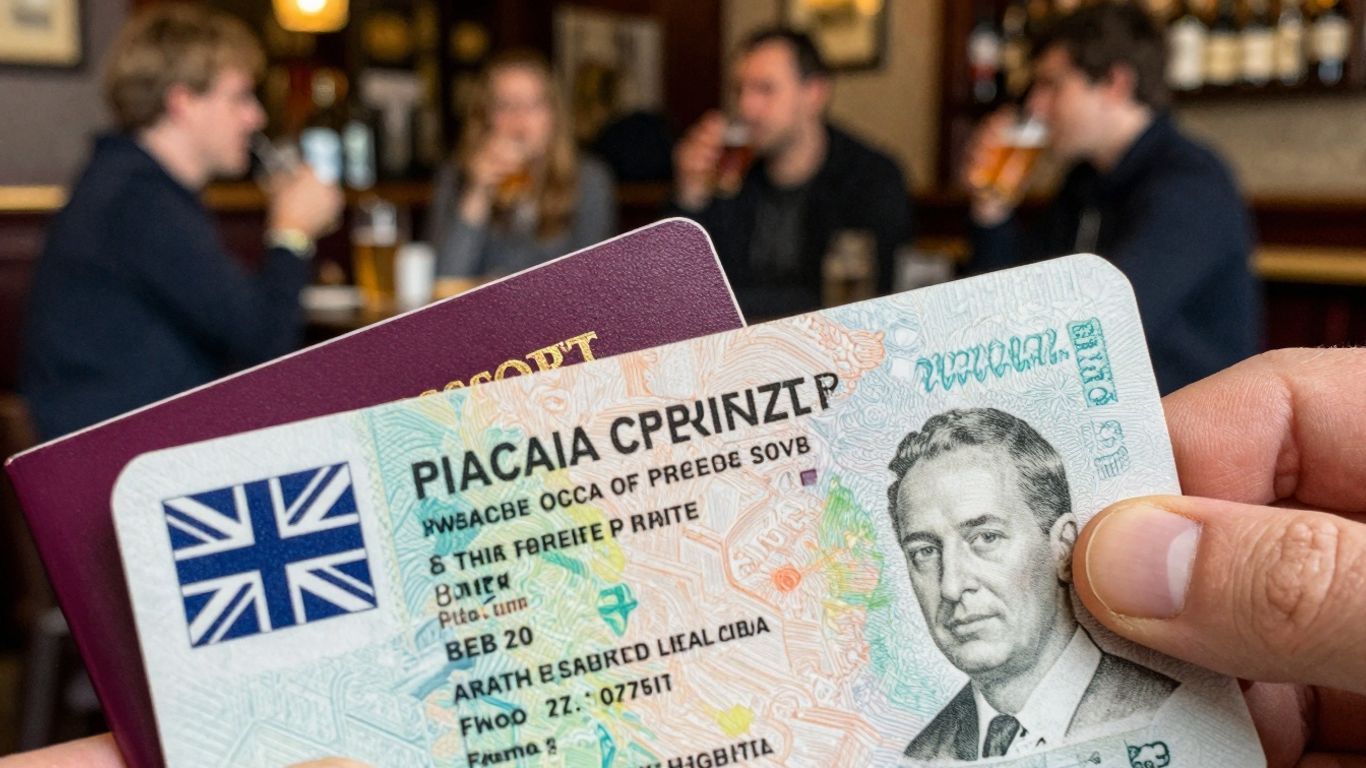
Getting your Personal Licence involves a couple of key steps. First up, you need to prove you understand the rules. This means passing an accredited qualification, like the Level 2 Award for Personal Licence Holders. Plenty of places offer these courses, often online, so you can fit it around your busy schedule. Once you’ve got that sorted, you’ll need to gather a few bits and bobs:
- Accredited Qualification Certificate: Your proof you’ve passed the course.
- Basic Disclosure (DBS) Check: This is a criminal record check. Make sure it’s recent – no more than a month old when you apply.
- Two Passport Photos: Get these done professionally. Ask the photographer or someone in a position of trust (like a teacher or solicitor) to write ‘true likeness’ on the back of one.
- Proof of Your Right to Work: Usually your passport or similar.
With all your documents ready, you’ll submit your application form and supporting documents to your local council. Many councils have online application systems, which are usually the quickest way to go. The standard fee is £37, and it’s non-refundable, so double-check everything before you send it off!
Responsible Alcohol Retailing Standards
This licence isn’t just a piece of paper; it’s a commitment. Holding a Personal Licence means you’re agreeing to sell alcohol responsibly. This covers a lot of ground, from preventing underage sales to making sure your staff know what they’re doing. It’s about protecting your customers and your business reputation. The qualification you take will cover these points in detail, but the core idea is simple: sell alcohol legally, safely, and with respect for the law and your community.
Remember, the Personal Licence is tied to you, not a specific vehicle or location. This means if you change your mobile bar setup or even your main business, your Personal Licence stays with you, ready for you to supervise alcohol sales wherever you go.
Temporary Event Notices: A Flexible Solution
When To Use A Temporary Event Notice
Got a one-off gig? A festival stall? A private party where you’re selling drinks? A Temporary Event Notice, or TEN, could be your best mate. It’s your go-to for short-term events where you need to sell alcohol or provide entertainment, but don’t have a full premises licence. Think village fetes, pop-up bars at markets, or even a wedding reception you’re catering.
It’s much simpler than a full licence, perfect for when you’re not a permanent fixture. Just remember, it’s for events that are relatively small-scale and don’t last too long.
Key Limits And Application Deadlines
There are a few rules to keep in mind with TENs:
- Number of Events: You can have up to 15 TENs a year. But, each TEN can only last for a maximum of 168 hours (that’s 7 days).
- Attendees: Each event covered by a TEN can have no more than 499 people (including staff).
- Proximity: You can’t have too many TENs running at the same time in the same place. There are limits on the total number of days allowed per year in any given location.
- Application Deadline: You must submit your TEN application to your local council at least 10 working days before your event. For larger events, you might need to give 5 clear working days’ notice.
Don’t miss these deadlines! Late applications usually get rejected, and that’s a proper headache.
The TEN Application Procedure
Applying is pretty straightforward:
- Get the Form: Download the TEN application form from your local council’s website or the government’s GOV.UK site. Some councils let you apply online.
- Fill It In: You’ll need details like your name and address, the event location, dates and times, a description of the event, and how many people you expect.
- Submit to Council: Send the completed form to your local council’s licensing department.
- Police & Environmental Health: The council will also send a copy to the police and environmental health. They have a say, especially if they have concerns about crime or noise.
- Wait for Confirmation: If there are no objections, your TEN is usually approved. If there are objections, you might have to go to a hearing.
Always keep a copy of your submitted TEN and any confirmation from the council with you at the event. It’s your proof you’ve followed the rules. If the police ask for it, you need to be able to show it straight away.
Cost: A TEN typically costs around £21. It’s a small price for peace of mind and legal trading. Make sure you budget for this when planning your event costs.
Licensing Variations Across The UK
Licensing In England And Wales
Right, let’s start with England and Wales. The big one here is the Licensing Act 2003. If you’re selling alcohol, you’ll need a Personal Licence for yourself and a Premises Licence for your mobile bar. Think of the Premises Licence as covering your vehicle, but it can get a bit fiddly if you’re always in different spots. The main thing is, if alcohol’s changing hands, you need the right paperwork.
- Personal Licence: You need this to sell alcohol or be in charge of sales. Get a qualification and a basic DBS check.
- Premises Licence: This covers the location. For a mobile unit, chat with your local council. They’ll tell you how they handle it for vehicles.
The good news? Once you’ve got these, they usually last forever, unless there’s a serious issue.
Navigating Scotland’s Licensing Rules
Scotland has its own law: the Licensing (Scotland) Act 2005. It’s similar to England and Wales, but with its own flavour.
- Personal Licence: You’ll need a Scottish qualification, like the SCPLH (Scottish Certificate for Personal Licence Holders).
- Premises Licence: Again, this covers your business. Check with the local Scottish council.
- Occasional Licence: This is handy if you’re setting up at a private event or a place that doesn’t normally have a licence. It’s not quite the same as the Northern Ireland version, but useful for short gigs.
Fees are generally similar, but always confirm with the specific council.
Understanding Northern Ireland’s Process
Northern Ireland does things a bit differently. You won’t find ‘Personal Licences’ here.
- Liquor Licence: This is what you need for selling alcohol regularly. It’s tied to your main business spot.
- Occasional Licence: This is for businesses that already have a Liquor Licence but want to sell alcohol away from their usual place. Think festivals or markets. These usually last up to six days, perfect for short events. You get this from the local council.
Applying here can be more involved. You might need legal help, and there are costs for advertising your application in newspapers. Always check the exact fees with the local council where you plan to operate.
Remember, rules can change, and each council might have its own quirks. Always double-check with the specific local authority you’ll be working with. It’s the only way to be sure you’re covered.
Beyond The Licence: Other Essential Steps
So, you’ve got your licences sorted. Brilliant! But hold on, there’s a bit more to think about before you pour that first pint. Getting the paperwork right is only half the battle. We need to make sure your mobile bar is safe, sound, and ready for action.
Conducting A Thorough Risk Assessment
This sounds a bit formal, but it’s really just about thinking ahead. What could go wrong? And how can you stop it? For a mobile bar, think about:
- Crowd safety: How will you manage queues? What if things get a bit rowdy?
- Fire safety: Where are your extinguishers? Are they easily reachable?
- Food hygiene: If you’re serving food, how are you keeping it fresh and safe?
- Trip hazards: Cables, uneven ground – how will you make sure no one takes a tumble?
A good risk assessment helps you plan for the unexpected. It’s not about being negative; it’s about being prepared. This is also often a requirement for event organisers, so having one ready is a big plus. You can find templates online to get you started.
Ensuring Equipment Safety And Testing
Your bar equipment needs to be safe. That means:
- Electrical safety: All your fridges, pumps, and lights need to be PAT tested regularly. This checks they’re safe to use.
- Gas safety: If you use gas for cooking or heating, it needs to be checked by a Gas Safe registered engineer.
- Structural integrity: Is your bar unit itself stable? Especially if you have people leaning on it or serving from it.
Don’t forget about your serving equipment too. Cleanliness is key. Make sure glasses are spotless and that your beer lines are cleaned regularly. Nobody wants a pint that tastes off.
The Importance Of Business Insurance
This is non-negotiable. You absolutely need insurance. What kind?
- Public Liability Insurance: This covers you if someone gets injured or their property gets damaged because of your business. Think of that accidental spill that ruins someone’s expensive outfit, or a customer tripping over a cable.
- Employers’ Liability Insurance: If you have staff, you legally need this. It covers them if they get injured at work.
- Product Liability Insurance: This covers you if the drinks or food you serve cause harm.
Getting the right insurance gives you peace of mind. It means that if something unexpected happens, you won’t be facing financial ruin. It’s a vital part of protecting your mobile bar business, allowing you to focus on serving great drinks and having happy customers. Check out options for business insurance to see what fits your needs.
Being properly insured and having all your safety checks up to date shows professionalism. It makes event organisers trust you and helps you build a solid reputation. It’s all part of running a successful mobile bar.
So, What’s Next?
Right then, getting your mobile bar licensed might seem like a bit of a puzzle at first, but hopefully, this guide has made it all a bit clearer. Remember, it’s all about making sure you’ve got the right paperwork sorted for where you’re operating, and that you’re serving drinks responsibly. Don’t be afraid to ask your local council if you’re unsure about anything – they’re there to help. With the licences in place, you can focus on what you do best: mixing up great drinks and making events a success. Cheers to that!
Frequently Asked Questions
Do I really need a licence to sell drinks from my mobile bar?
Yep, you absolutely do! If you’re planning to sell or even just supply any kind of alcoholic drink in the UK, you’ll need the correct licence. It’s the law, and it’s all about making sure drinks are sold responsibly and safely. Trying to sell booze without one can land you in hot water with some pretty hefty fines.
What’s the difference between a Premises Licence and a Personal Licence?
Think of it like this: a Premises Licence is for the ‘place’ where you’re selling alcohol – in your case, it’s usually your mobile bar vehicle itself. It basically says that this spot is allowed to sell booze and outlines things like opening hours. A Personal Licence, on the other hand, is for *you* (or whoever is in charge of authorising sales). You need this to show you understand how to sell alcohol responsibly. You can’t sell alcohol without both, or at least a Temporary Event Notice if that’s more suitable.
How much does it cost to get a licence for my mobile bar?
The cost can vary quite a bit, mainly depending on where you are in the UK and the type of licence you need. For a Premises Licence, the price is often linked to the ‘rateable value’ of where you store your alcohol. Personal Licence fees are usually more standard. It’s always best to check with your local council for the exact figures, as they can differ.
Can I just use a Temporary Event Notice (TEN) instead of a full licence?
A Temporary Event Notice (TEN) can be a great, flexible option for smaller events or if you’re just starting out! It’s a simpler way to get permission to sell alcohol for a short period. However, there are limits on how many people can attend and how many days you can use a TEN in a year. If you’re planning bigger or more regular events, you might need a full Premises Licence.
Are the rules the same for mobile bars all over the UK?
Not quite! While the main ideas are similar, the specific rules and application processes can be a bit different in England and Wales compared to Scotland and Northern Ireland. For instance, Northern Ireland can have a more complex process. It’s super important to check the exact requirements with the local council where you plan to operate, no matter where you are in the UK.
Besides licences, what else do I need to think about?
Loads of things! You’ll need to do a proper risk assessment to make sure your bar is safe for everyone. All your electrical gear needs to be tested (that’s PAT testing). Don’t forget insurance – things like public liability insurance are really important, and employer’s liability is a must if you have staff. Making sure your equipment is safe and meets standards is also key.