
Navigating the Alcohol Serving License: A UK Guide


So, you’re thinking about serving up drinks alongside your amazing food, eh? Whether you’re running a food truck, catering an event, or thinking about opening a new spot, you’ll need to get your head around the UK alcohol serving license. It sounds a bit official, and it is, but it’s mostly about making sure everything’s done right and safely. We’ll break down what you need to know to get licensed and keep things running smoothly, so you can focus on what you do best.
Key Takeaways
- The main law you need to know about selling alcohol in the UK is the Licensing Act 2003. It’s all about keeping things safe, preventing crime, and looking after the public.
- You’ll likely need two main types of alcohol serving license: a Premises Licence for your location and a Personal Licence for yourself or a staff member who’ll be in charge of sales.
- If you’ve only got a short-term event coming up, a Temporary Event Notice (TEN) might be the answer, but there are rules about how many you can have.
- Always check customers’ IDs, especially if they look under 25, and make sure you’re serving alcohol in the correct legal amounts.
- Be ready for inspections from licensing authorities; having your paperwork in order and cooperating is key to staying compliant and avoiding trouble.
Understanding Your Alcohol Serving License Needs
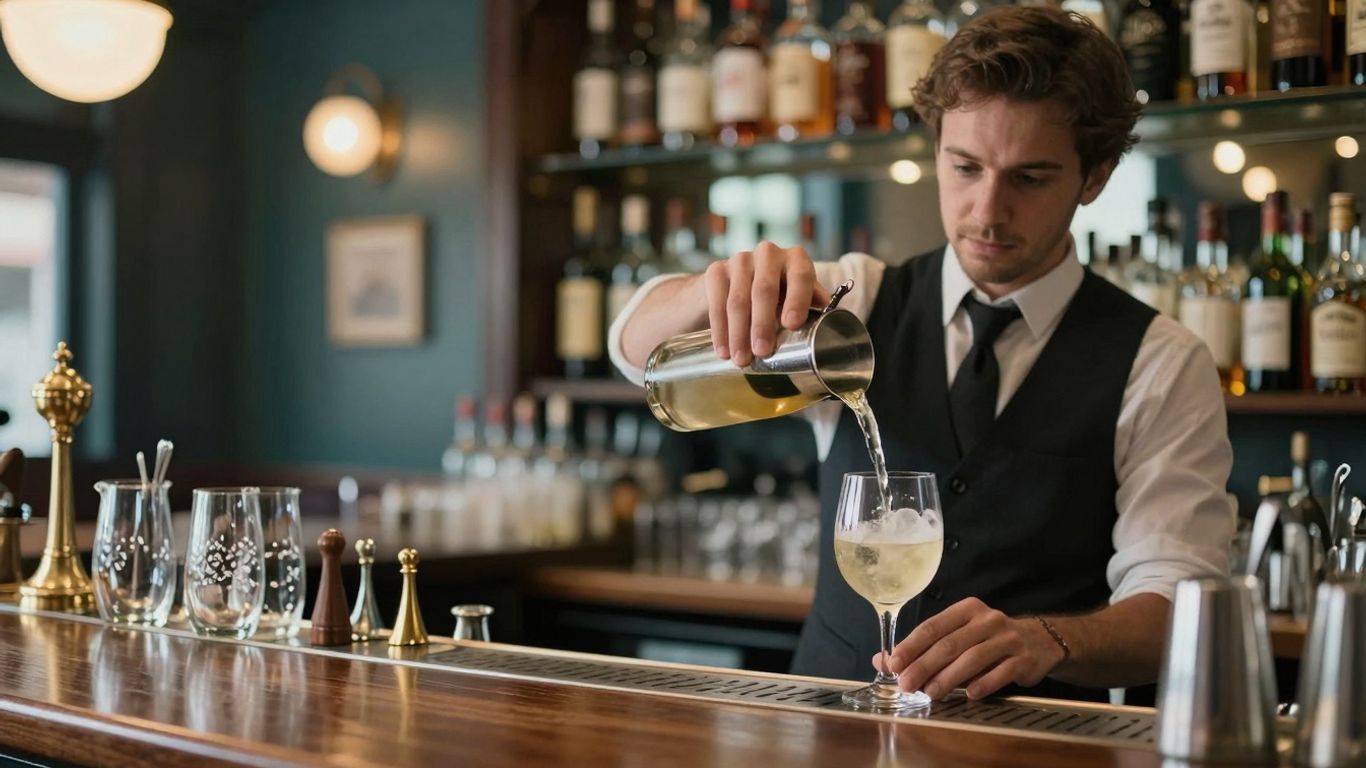
Right then, let’s get this sorted. If you’re thinking about selling booze, especially with a mobile catering setup, you need to know the score. It’s not as scary as it sounds, honest. It’s all about making sure you’re legal and keeping everyone safe.
The Licensing Act 2003 Explained
This is the main law that covers selling alcohol in the UK. Basically, it says if you sell alcohol, you need a licence. The Act has four main goals:
- Stop crime and disorder.
- Keep people safe.
- Prevent noise complaints.
- Protect children from harm.
For mobile caterers, this means you need to be aware of these points no matter where you set up shop. It’s about responsible selling, plain and simple. You can find more details on the Licensing Act 2003.
Personal Licence Versus Premises Licence
Think of it like this: the Premises Licence is for the place itself – your food truck, your stall, whatever it is. It says what you can do there, like selling booze, and sets out the rules for that specific spot. The Personal Licence is for you, the person. It means you’ve shown you know the rules about selling alcohol and can be in charge of it. You usually need both if you’re running the show!
| Licence Type | What it Covers |
|---|---|
| Premises Licence | Your specific location or vehicle |
| Personal Licence | You, as an individual authorised to sell alcohol |
Who Needs An Alcohol Serving License?
If you plan to sell or supply alcohol to the public, you’ll need the right licence. This applies to pubs, bars, restaurants, hotels, and yes, mobile caterers too. Even if you’re just doing a few events a year, you’ll likely need some form of permission. It’s a legal requirement to make sure things are done properly.
Don’t forget: You’ll also need to pay a fee when you apply. The amount depends on your business’s ‘rateable value’ (for a fixed premises) or a set fee for mobile units. Check with your local council for the exact cost.
Key Types Of Alcohol Serving Licenses
The Premises Licence: Your Location’s Permit
This licence is for your actual spot – think of your food truck, your stall at a market, or your pop-up bar. It’s the main permit that says you can sell alcohol from that specific place. It covers things like your opening hours and what activities you can do. For mobile caterers, this means the licence is tied to where you’re operating at any given time, or you might need a licence for your base of operations if that’s where alcohol is stored or prepared before heading out.
The Personal Licence: Your Individual Authority
This one’s for you, the person. It shows you’ve got the training and know the rules about selling alcohol responsibly. You’ll need a Personal Licence if you’re going to be the one authorising alcohol sales. It’s a good idea for anyone in charge, especially if you’re the main person running the show at events. It means you’re legally allowed to oversee alcohol sales.
Temporary Event Notices: For Short-Term Needs
Planning a one-off festival, a private party, or a special event where you want to serve drinks? A Temporary Event Notice (TEN) is your go-to. It’s a simpler way to get permission for short-term events. You can use TENs for events lasting up to 168 hours (7 days). It’s perfect for when you don’t need a full Premises Licence for a regular spot. Just remember to apply in good time – at least 10 working days before the event.
Securing Your Premises Licence
Right then, let’s talk about the Premises Licence. This is basically the permission slip for your actual location – be it a pub, a shop, or even your food truck – to sell alcohol. For mobile caterers, this means the vehicle or stall you’re operating from.
The Application Process With Your Local Council
Getting this licence involves your local council. You’ll need to fill out a form, which you can usually find on the GOV.UK website. Be ready to give details about your business, your planned opening hours, and exactly what you’ll be doing (like selling alcohol for people to drink on-site or take away).
- What you’ll need:
- Proof you can work in the UK.
- Details of your proposed hours.
- A plan of your premises (even if it’s a van!). Show where alcohol is sold and where it’ll be drunk.
- Nominate a Designated Premises Supervisor (DPS) – more on that in a sec.
Don’t forget there’s a fee. It varies depending on your business’s ‘rateable value’ if it’s a fixed spot, or a set amount for mobile units. Best to check with your council for the exact cost.
Crafting Your Operating Schedule
This is a big part of your application. It’s a document that sets out how you’ll run things. Think of it as your promise to the council and the public about how you’ll serve alcohol responsibly.
- Key things to include:
- Your hours for selling alcohol.
- How you’ll stop underage sales (Challenge 25 is your friend here).
- Plans for dealing with noise or disruption.
- How you’ll manage waste and keep the area tidy.
Be realistic here. It’s better to promise what you can actually do. Over-promising can lead to trouble later.
Public Notices And Community Consultation
Once you submit your application, you have to let people know. This usually means putting up a notice at your premises (or on your vehicle) and sometimes in a local newspaper. This gives the public and ‘responsible authorities’ (like the police or environmental health) a chance to comment or object if they have concerns.
If no one objects, the council will likely grant your licence based on your operating schedule. If there are objections, you might have to go to a hearing to discuss them. It’s all about showing you’ll be a responsible licence holder.
Obtaining Your Personal Licence
Right then, let’s talk about getting your Personal Licence. Think of it as your golden ticket to legally selling alcohol. You don’t need one to just serve drinks behind the bar, but if you’re the one in charge, or you’re the Designated Premises Supervisor (DPS), you absolutely do. It shows you know your stuff and can handle selling alcohol responsibly. For us mobile caterers, this is key – it means you’re covered to serve at any event, anywhere, as long as the venue has a Premises Licence.
Essential Training And Qualification
First hurdle? You’ve got to get qualified. This isn’t just a quick chat; it’s a proper course that teaches you all about licensing laws and what it means to sell alcohol responsibly. You’ll learn about things like checking IDs and how to stop trouble before it starts. It’s usually a short course, maybe a day or so, and you’ll finish with an exam. Pass that, and you get a certificate. This is your proof you’re ready.
- Find an accredited course: Look for ones approved by the Home Office. Your local council might have a list, or you can search online.
- Book your training: These are often run by colleges or private training providers.
- Study and pass the exam: It covers things like the Licensing Act 2003 and your duties.
The Role Of The Designated Premises Supervisor
If you’re running the show, you’ll likely be the DPS. This person is the main point of contact for the council and the police. They’re responsible for making sure the alcohol is sold legally on the premises. For a mobile catering business, this means you, as the licence holder, are the one making sure everything is above board when you’re serving at an event. It’s a big responsibility, but it comes with the territory of being in charge.
Understanding Your Responsibilities
Once you’ve got your Personal Licence, your job isn’t done. You’ve got to keep up the good work. This means:
- Age Checks: This is a big one. You must have a system to check IDs. If someone looks under 18, ask for proof of age. The ‘Challenge 25’ rule is common – if they look under 25, ask for ID. It’s your licence on the line if you get it wrong.
- Responsible Selling: Don’t sell to drunk people. Keep an eye on things and make sure your staff know the rules too.
- Record Keeping: Keep your licence safe and up to date. If your details change, tell the council.
Remember, your Personal Licence is valid for 10 years. You’ll need to renew it before it expires. It’s always a good idea to keep a copy of your licence and your training certificate somewhere safe, just in case.
Getting your Personal Licence might seem like a bit of a faff, but it’s totally worth it. It opens up so many more opportunities for your mobile catering business, allowing you to serve alcohol legally and confidently at all sorts of events. Plus, it shows your customers you’re serious about doing things the right way.
Legal Obligations When Serving Alcohol
Right, so you’ve got your licence sorted. That’s a big step! But the job doesn’t stop there. You’ve got to play by the rules when you’re serving up drinks. It’s all about keeping things safe and legal, especially when you’re out and about with a mobile setup.
Age Verification: The Challenge 25 Rule
This is a non-negotiable. You must not sell alcohol to anyone under 18. It’s the law, and the penalties for getting it wrong are hefty. For mobile caterers, this means being extra vigilant. You might be in a busy festival or a private party – people can look older than they are.
- Challenge 25: If someone looks under 25, ask for ID. It’s a simple rule that covers most situations and shows you’re being responsible.
- Acceptable ID: Stick to driving licences, passports, or PASS-accredited proof of age cards. If you’re unsure, don’t guess.
- Refuse Service: If the ID looks dodgy, or they’re clearly underage, refuse the sale. It’s better to lose one sale than risk your licence.
Always have a clear policy for checking IDs. Make sure anyone serving alcohol knows it inside out. It’s your first line of defence.
Ensuring Legal Alcohol Measurements
This one’s a bit more straightforward but still important. You need to serve alcohol in the correct measures. This usually means:
- Standard Measures: For spirits, this is typically 25ml or 35ml. For wine, it’s usually 125ml, 175ml, or 250ml.
- Accurate Dispensing: If you’re using optics or measures, make sure they’re calibrated and used correctly. No free-pouring!
- Clear Pricing: Display prices clearly. This helps avoid confusion and potential disputes.
Adhering To Mandatory Licensing Conditions
Your licence will have specific conditions, but there are also national rules you must follow. These are often called mandatory conditions.
- No Irresponsible Promotions: You can’t run promotions that encourage excessive drinking. Think ‘all you can drink for a tenner’ or drinking games designed to get people hammered quickly. This applies across the UK, though the specifics can vary slightly between England/Wales, Scotland, and Northern Ireland.
- Operating Schedule: Stick to the hours and activities you outlined in your operating schedule when you applied for your licence. If you’re at a festival, make sure you’re only selling alcohol within the agreed times and designated areas.
- Record Keeping: Some licences might require you to keep records of alcohol purchases or sales. Check your specific licence conditions.
Inspections can happen at any event. Having your licence and any relevant paperwork (like your Personal Licence if you’re the Designated Premises Supervisor) easily accessible will make things smoother. Cooperate with inspectors – they’re just checking you’re doing things by the book. It’s all part of running a legitimate and safe business.
Navigating Inspections And Compliance
What To Expect During An Inspection
So, the council or police want to have a look around. Don’t panic! Inspections are usually about checking you’re following the rules. They might want to see your Premises Licence and your Personal Licence (if you’re the Designated Premises Supervisor). Keep these handy, maybe in a folder in your van. They’ll likely ask about how you check IDs, especially if someone looks young. It’s all about showing you’re running a responsible business. They might also check noise levels if you’re set up in one spot for a while, or ask about any records you’re supposed to keep. Just be polite, show them what they need to see, and answer their questions honestly. Think of it as a chance to prove you’re doing things right.
Consequences Of Non-Compliance
Look, nobody wants to get this wrong. If you mess up, the fines can be pretty steep. We’re talking hundreds, maybe thousands of pounds for smaller issues. For bigger problems, or if you keep making the same mistakes, they can even take your licence away. For us mobile caterers, losing our alcohol licence means we can’t trade. It’s a serious risk. It could be a fixed penalty notice for a minor slip-up, or even court action for something more serious. It’s just not worth the gamble. Always stick to your licence conditions.
Keeping Your Licence In Good Standing
Staying on the right side of the law is pretty straightforward if you keep a few things in mind. Firstly, always check IDs using the Challenge 25 rule – if they look under 25, ask for proof of age. Make sure you know what counts as valid ID. Secondly, stick to the hours and conditions on your Premises Licence. If your licence says you can only serve alcohol until 11 pm, don’t go past that. Finally, keep your staff in the loop. Make sure they know the rules about selling alcohol responsibly. Regular chats about this stuff can save a lot of hassle later on. It’s about being prepared and consistent.
- ID Checks: Always ask for ID if someone looks under 25.
- Licence Conditions: Stick to your operating hours and any other rules.
- Staff Training: Keep your team informed about responsible alcohol sales.
- Record Keeping: If your licence requires it, keep accurate logs.
Remember, your licence is a privilege. Treating it with respect by following all the rules means you can keep serving your customers and keep your business thriving.
So, That’s the Lowdown on Alcohol Licences!
Right then, we’ve covered quite a bit about getting your head around alcohol licences in the UK. It might seem a bit daunting at first, with all the different bits and bobs to sort out, but honestly, it’s all about making sure things are done properly and safely. Think of it as part of setting up your business for success. By taking the time to understand what you need, whether it’s a full premises licence or just a temporary event notice, you’re setting yourself up for smooth sailing. Don’t be afraid to ask for help if you need it, and remember, keeping on the right side of the law means you can focus on what you do best – serving up great food and drinks. Cheers to that!
Frequently Asked Questions
Do I really need a licence to sell a pint from my food truck?
Yep, pretty much! If you’re planning to sell or supply any alcohol, even from a mobile setup like a food truck, you’ll need the right licence. This is mainly down to the Licensing Act 2003, which is all about making sure things are done safely and responsibly. You’ll likely need a Premises Licence for your truck and a Personal Licence for yourself or whoever is in charge of selling the booze.
What’s the difference between a Premises Licence and a Personal Licence?
Think of it like this: the Premises Licence is for the place itself – your food truck, your stall, whatever it is. It says what you can do there, like selling alcohol, and sets out the rules for that specific spot. The Personal Licence is for you, the person. It means you’ve shown you know the rules about selling alcohol and can be in charge of it. You usually need both if you’re running the show!
When would I need a Temporary Event Notice (TEN)?
A TEN is a handy option for short-term events, like a one-off festival or a special market day where you want to sell alcohol. It’s less complicated than a full Premises Licence, but there are limits on how many you can have per year and how many people can attend. It’s a good way to test the waters or cater for specific events without a long-term commitment.
How do I prove someone is old enough to buy alcohol?
The ‘Challenge 25’ rule is your best mate here. If someone looks under 25, you must ask for ID. Acceptable forms usually include a passport, a driving licence, or a PASS-accredited card. It’s super important to check, as selling to someone underage can lead to big trouble for your licence.
What are the rules on serving alcohol in the right amounts?
You’ve got to make sure you’re serving alcohol in legal measures. This means using the correct equipment for things like pints, spirits, and wine to make sure you’re complying with the law. It’s all about fairness and making sure customers get what they pay for, measured accurately.
What happens if the council inspects my food truck?
If a licensing officer or the police want to check your operation, just stay calm and cooperate. Make sure your licence and any other important paperwork are easily accessible. They’re just making sure you’re following all the rules. Being polite and helpful goes a long way, and it shows you’re running a responsible business.