

Navigating the 14 Allergens in the UK: A Comprehensive Guide


Right then, let’s talk about food allergies in the UK. It’s a bit of a minefield out there, isn’t it? With so many people needing to be careful about what they eat, knowing your stuff is pretty important. The government has flagged up 14 main allergens that businesses have to shout about on their food labels. We’re going to run through these 14 allergens uk so you know what’s what, whether you’re cooking at home, running a food truck, or just grabbing a bite out. It’s all about staying safe and making sure everyone can enjoy their food without a worry.
Key Takeaways
-
The UK has 14 major food allergens that must be clearly labelled on food.
-
Businesses legally have to provide allergen information for all food sold, whether packaged or not.
-
Understanding these 14 allergens is vital for both consumers and food businesses.
-
Cross-contamination is a serious risk and needs careful management in kitchens.
-
Always check labels or ask for allergen information when buying or eating food if you have an allergy.
1. Cereals Containing Gluten
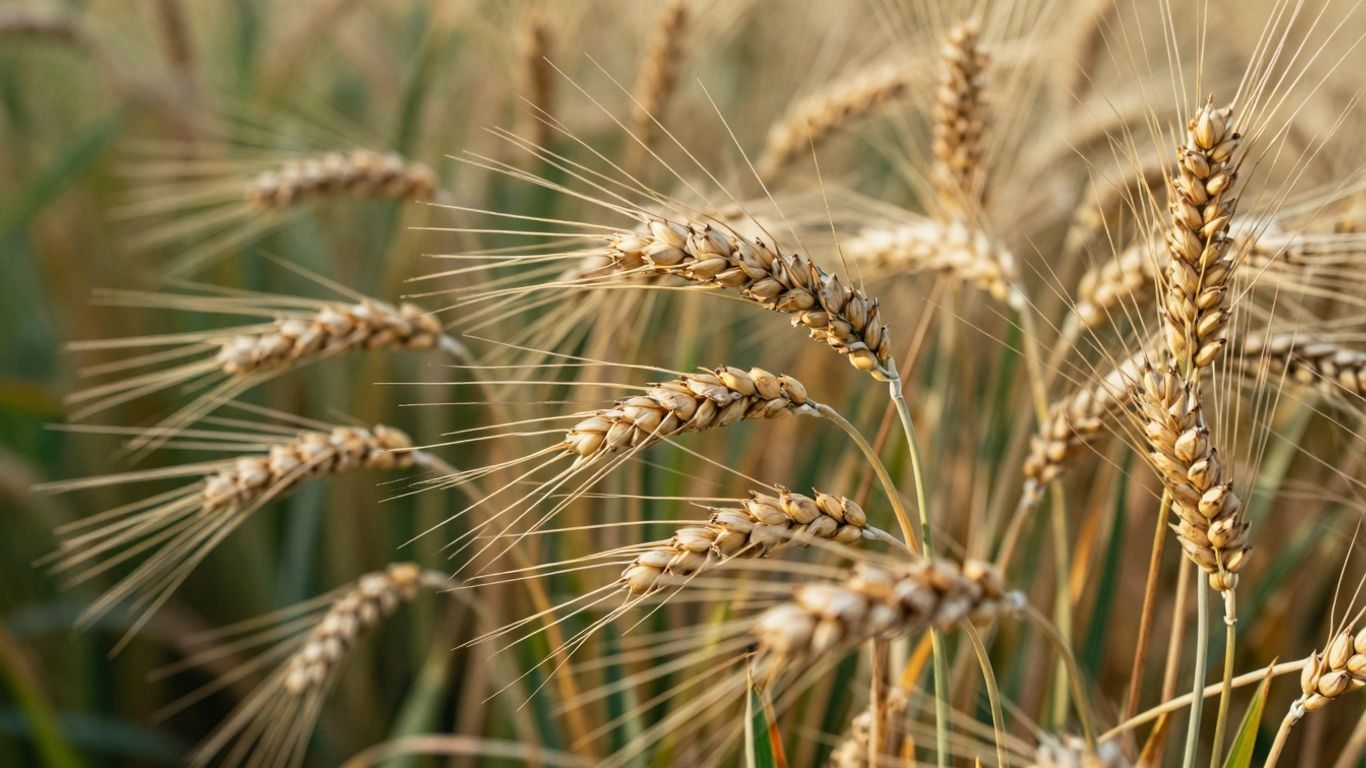
Right then, let’s talk about gluten. It’s in wheat, barley, rye, and oats – basically, loads of stuff we eat every day. Think bread, pasta, cakes, biscuits, even beer.
For us caterers, this is a big one to get right.
Why? Because even a tiny bit can cause serious problems for people with coeliac disease or a gluten sensitivity. We’re talking stomach pains, bloating, and feeling rough for days. For those with a severe allergy, it’s even more serious.
What you need to know:
-
Wheat: This is the most common. Spelt and Khorasan wheat are types of wheat too.
-
Barley: Often found in malt, like malt vinegar or malt extract.
-
Rye: Used in some breads and spirits.
-
Oats: While oats themselves are often fine, they can get contaminated with wheat during growing or processing. So, check if they’re certified gluten-free.
Watch out for these exceptions:
Some things made from gluten cereals are okay because the gluten is removed or broken down. These include:
-
Glucose syrups made from wheat or barley.
-
Maltodextrins from wheat.
-
Alcoholic drinks made from these grains (the distillation process removes the gluten).
Practical steps for your kitchen:
-
Read labels carefully: Always check ingredient lists for wheat, barley, rye, or oats. Look for clear ‘may contain’ warnings too.
-
Separate storage: Keep gluten-free ingredients well away from gluten-containing ones. Use separate containers and utensils.
-
Clean surfaces: Thoroughly clean prep areas, chopping boards, and utensils after preparing gluten-free food.
-
Train your staff: Make sure everyone knows what gluten is, where it’s found, and the importance of avoiding cross-contamination.
Example: If you’re making a salad, use a clean knife and board for the gluten-free croutons, and don’t let them touch the main salad if someone needs it to be gluten-free.
Remember, clear communication is key. If a customer asks, you need to know exactly what’s in your food. It’s better to say ‘I don’t know’ and find out than to guess wrong.
2. Crustaceans
Right then, let’s talk about crustaceans. These are things like prawns, crabs, and lobsters. If you’re serving seafood, you’ve got to be super careful here.
Cross-contamination is your biggest enemy with shellfish allergies. Even a tiny bit can cause a serious reaction for some people.
What are they?
-
Prawns (or shrimp, as some call them)
-
Crabs
-
Lobsters
-
Crayfish
Practical Steps for Caterers:
-
Dedicated Utensils: Use separate chopping boards, knives, and cooking utensils for shellfish. Don’t just wash up and reuse – that’s not enough for severe allergies.
-
Separate Cooking Areas: If possible, cook shellfish away from other foods. Fryers are a big no-no for shellfish if you’re cooking other things in the same oil.
-
Clear Labelling: Make sure your menu clearly states if a dish contains crustaceans. Use the allergen matrix we talked about earlier.
-
Staff Training: Everyone on your team needs to know the risks and what to do if a customer asks about shellfish.
Real-World Example:
Imagine you’re doing a buffet. You’ve got a prawn cocktail starter and a chicken dish. If you use the same serving spoon for both, that chicken dish is now contaminated with prawn allergens. Someone with a severe allergy could get very ill.
Always assume the worst when it comes to allergies. Better to be overly cautious than to have a customer end up in hospital. Double-check everything, every time.
Safety Note: Some people can have reactions just by being near cooking shellfish, so be mindful of steam and airborne particles if you’re cooking them on-site.
3. Eggs
Eggs are a common ingredient, found in everything from cakes and biscuits to mayonnaise and even some sausages. For mobile caterers, this means being extra careful.
You need to know where eggs are hiding in your menu.
Practical Steps for Caterers:
-
Check all ingredients: Don’t just assume. Read the labels on everything you buy, especially pre-made sauces, dressings, and baked goods.
-
Train your staff: Make sure everyone knows about egg allergies and how to avoid cross-contamination. Simple training can prevent big problems.
-
Clear labelling: If you serve dishes containing egg, make sure it’s clearly stated on your menu or any information you provide to customers.
Hidden Egg Sources:
-
Baked Goods: Cakes, pastries, cookies, and even some breads often use eggs for binding and richness.
-
Sauces & Dressings: Mayonnaise is the obvious one, but some vinaigrettes and creamy sauces can also contain egg.
-
Processed Meats: Believe it or not, some sausages, meatballs, and burgers use egg as a binder.
-
Pasta: Fresh pasta often contains egg.
Safety Note: Even a tiny bit of egg can cause a reaction. Always use clean utensils and surfaces when preparing food for someone with an egg allergy. If you’re unsure about an ingredient, it’s best to leave it out or find an alternative.
Being vigilant about eggs is just part of good food safety. It protects your customers and your business reputation. A little effort goes a long way.
4. Fish
Fish. It’s a big one for menus, isn’t it? From fancy salmon dishes to your classic fish and chips, fish is everywhere. You need to know exactly what fish is in your food and where it came from.
Think about it: fish can sneak into stocks, sauces, and even some processed items. It’s not just about the fillet on the plate.
What to watch out for:
-
All types of fish – think cod, haddock, tuna, salmon, mackerel.
-
Fish sauces and pastes.
-
Worcestershire sauce (often contains anchovies).
-
Caesar salad dressing (can contain anchovies).
-
Surimi (fish paste used in imitation crab meat).
Practical steps for caterers:
-
Source Smart: Know your suppliers. Ask them about the fish they supply and any potential cross-contamination.
-
Label Clearly: If you’re selling fish dishes, make sure the fish is listed. If it’s an ingredient in a sauce or stock, that needs to be clear too.
-
Train Your Team: Everyone needs to know the risks. Simple training on allergen identification and handling is key.
Safety Note: Fish allergies can be serious. Cross-contamination is a real risk, especially in kitchens that handle lots of seafood. Use separate utensils and chopping boards for fish if possible.
Remember, even fish gelatine used as a carrier for vitamins or Isinglass for fining beer and wine are exempt from the allergen declaration. But if you’re serving the fish itself, or a product where the fish protein is still present, you must declare it.
5. Lupin
Lupin is a bit of a sneaky one on the allergen list. You might not think of it straight away, but it’s popping up more and more, especially in gluten-free products. Think of it as a plant-based protein source that’s being used as a flour substitute.
It’s a legume, similar to peanuts, which is why it’s on the list.
Where you’ll find it:
-
Gluten-free baking: Breads, cakes, muffins, and pastries often use lupin flour to improve texture and add protein.
-
Pasta: Some gluten-free pasta brands might include it.
-
Dips and spreads: Occasionally found in savoury dips.
-
Meat substitutes: Some vegetarian and vegan products might use it.
What to do:
-
Check your ingredients: Lupin flour or lupin seeds will be listed. If you’re unsure, ask your supplier.
-
Train your staff: Make sure everyone knows lupin is an allergen and where to find it on ingredient lists.
-
Communicate clearly: If a customer asks, be ready to tell them if your food contains lupin.
Safety first:
-
Cross-contamination: Just like other allergens, keep lupin-free ingredients separate from those containing lupin. Use clean utensils and surfaces.
-
Supplier information: Always get clear allergen information from your food suppliers. Don’t guess!
Lupin allergies can be serious, so treating it with the same caution as nuts or peanuts is wise. It’s all about being aware and prepared to answer customer questions accurately.
6. Milk
Milk. It’s everywhere, isn’t it? For us mobile caterers, this is a big one. You absolutely must know where milk is hiding. It’s not just obvious stuff like cheese or creamy sauces.
Think about it:
-
Baked goods: Buns, pastries, cakes – often made with milk or butter.
-
Processed meats: Sausages, burgers, even some deli slices can have milk powder.
-
Desserts: Ice cream, custards, puddings are obvious, but check pre-made mixes too.
-
Dressings and dips: Some creamy salad dressings or dips might use milk.
Practical Steps for Caterers:
-
Check all your ingredients: Don’t assume. Read every label, every time. Suppliers can change recipes.
-
Train your staff: Make sure everyone knows what milk looks like on an ingredients list (lactose, whey, casein, butter, cream, milk powder, etc.) and why it’s important.
-
Clear labelling: If you make anything yourself, label it clearly. If you buy it in, make sure the original label is visible or you have the info to hand.
Safety Note: A tiny bit of milk protein can cause a reaction in someone with a severe allergy. Cross-contamination is a real risk. Use separate utensils and chopping boards if you’re handling milk-containing and milk-free items.
Real-world example: You’re doing a burger van. The buns might have milk. The coleslaw definitely does. Even some ketchup brands might have a tiny bit of milk powder for texture. You need to be able to tell the customer ‘yes’ or ‘no’ for each part of their meal.
Milk allergy is super common, especially in kids. It’s not just about avoiding a glass of milk; it’s about spotting it in unexpected places. Being upfront and accurate with your allergen info is key to keeping customers safe and coming back.
7. Molluscs
Right then, let’s talk about molluscs. These are things like mussels, clams, oysters, scallops, and squid. They’re a bit different from crustaceans, even though they both come from the sea. You’ll find them in all sorts of dishes, from fancy seafood platters to pasta sauces and paellas.
Keeping customers safe means knowing exactly what’s in your food. For us mobile caterers, this is super important. A tiny bit of cross-contamination can cause a big problem.
Here’s the lowdown:
-
What are they? Snails, mussels, clams, oysters, squid, scallops.
-
Where might they hide? Seafood mixes, paellas, pasta dishes, chowders, calamari, even some stocks.
-
What to watch for? If you’re serving anything with mixed seafood, or even just a seafood-based sauce, double-check for molluscs.
Practical Steps for Caterers:
-
Check Your Suppliers: Always ask your fish supplier about the exact types of seafood they’re providing. Don’t assume.
-
Prep Smart: If you’re handling molluscs, use separate chopping boards and utensils. Wash everything thoroughly afterwards.
-
Clear Labelling: Make sure your menu clearly states if a dish contains molluscs. If you’re using icons, ensure they’re obvious.
-
Staff Training: Everyone on your team needs to know about the 14 allergens and how to prevent cross-contamination. It’s a team effort.
Remember, molluscs are a distinct allergen group. Even if you’re careful about shellfish like prawns, you still need to be aware of these. It’s all about being thorough with your allergen information.
It might seem like a lot, but getting this right means happy, safe customers. And that’s good for business, right?
8. Nuts
Right then, let’s talk nuts. We’re not just talking about peanuts here, but also tree nuts like almonds, hazelnuts, walnuts, cashews, pecans, Brazil nuts, pistachios, and macadamia nuts. These are a big deal for allergy sufferers, so you need to be on the ball.
You absolutely must know if nuts are in your dishes. It’s a legal requirement, and more importantly, it’s about keeping your customers safe.
What’s in your kitchen?
-
Nuts: Almonds, Hazelnuts, Walnuts, Cashews, Pecans, Brazil nuts, Pistachios, Macadamia nuts.
-
Products containing nuts: Nut butters, marzipan, pesto, some baked goods, and even some sauces.
Practical Steps for Caterers:
-
Check all your ingredients: Go through every single item you use. Suppliers’ labels are key. If a product contains nuts, make sure it’s flagged.
-
Clear labelling: For any food you sell, especially pre-packaged items, make sure nuts are clearly listed in the ingredients. Use bold text – it’s the law and makes it easy to spot.
-
Staff training: Everyone on your team needs to know about the 14 allergens, especially nuts. They should be able to answer customer questions confidently.
-
Prevent cross-contamination: This is massive. Use separate chopping boards, knives, and utensils for nut-free food. Clean surfaces thoroughly. Even a tiny bit of nut can cause a reaction.
Real-world example: You’re making a special salad. If you add a sprinkle of toasted almonds for crunch, you need to make sure that’s clearly communicated. A customer might ask if it’s nut-free, and you need to be able to say ‘no’ and explain why.
Remember, even if a nut is processed or part of a complex ingredient, if it’s still present and could cause a reaction, you need to declare it. Don’t assume anything is safe.
It’s all about being transparent. If you’re unsure about an ingredient, contact your supplier. Better safe than sorry when it comes to food allergen labelling.
9. Peanuts
Right then, peanuts. These little guys are everywhere, and they’re a big one for allergies. You’ll find them in loads of snacks, obviously, but also lurking in sauces, curries, and even some baked goods. For us caterers, this means being super careful.
Always check your ingredients lists, even for things you wouldn’t expect.
Peanuts can cause serious reactions, so cross-contamination is a real worry. Think about it: a customer orders a peanut-free meal, but you’ve used the same tongs for a peanut satay skewer and their chips. Not good.
Here’s a quick rundown on where they pop up:
-
Snacks: Crisps, bars, trail mixes.
-
Sauces & Dips: Satay sauce, some pestos, even some salad dressings.
-
Baked Goods: Some biscuits, cakes, and pastries might have peanuts or peanut flour.
-
International Cuisine: Especially Asian dishes like curries and stir-fries.
Safety First:
-
Dedicated Utensils: If you handle peanuts, have separate chopping boards, knives, and tongs. Wash everything thoroughly between uses.
-
Clear Labelling: Make sure your menu clearly states if a dish contains peanuts. Use those allergen matrices!
-
Staff Training: Everyone on your team needs to know the risks and how to avoid cross-contamination.
-
Customer Communication: If a customer asks about peanuts, be honest and clear. If you’re not 100% sure, say so and offer alternatives.
Remember, even a tiny trace of peanut can be dangerous for someone with a severe allergy. It’s not just about avoiding the obvious; it’s about being vigilant with every single ingredient and every single step in your kitchen.
10. Celery
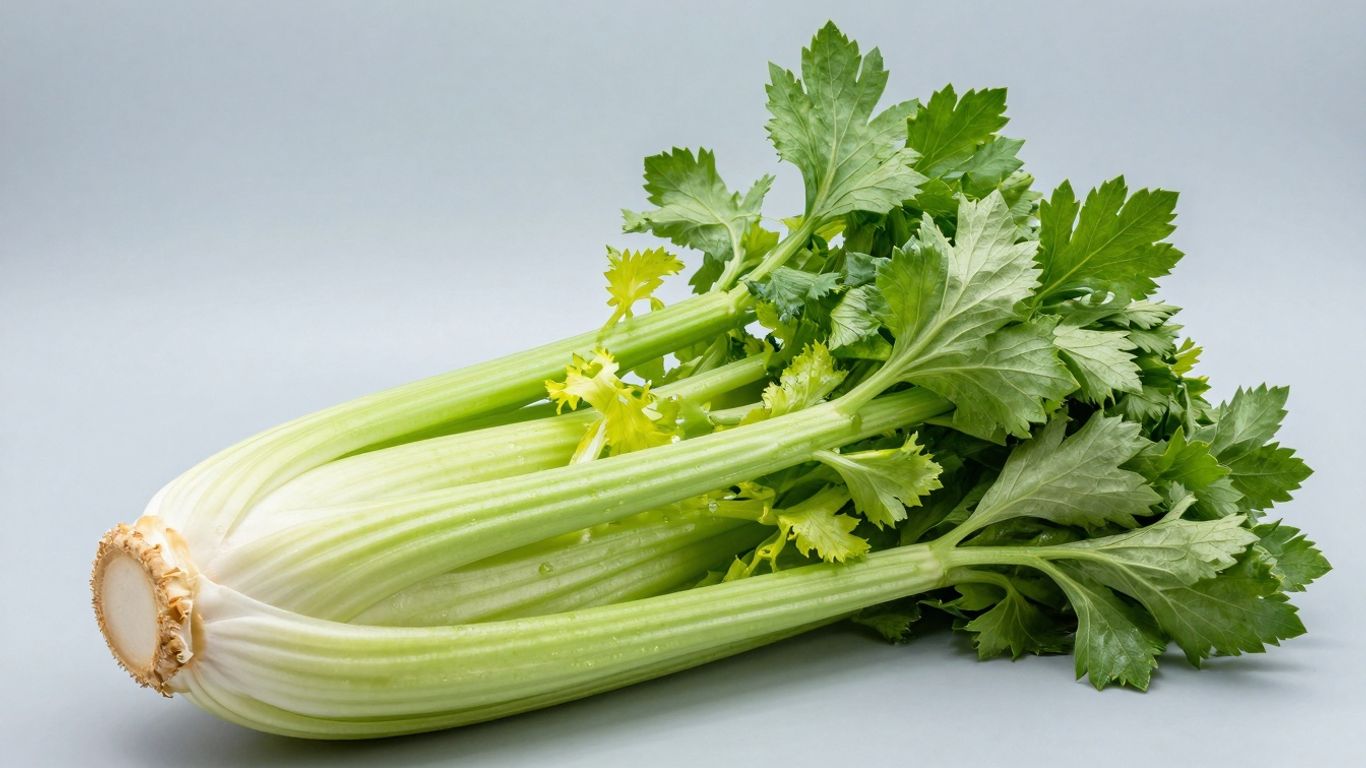
Right then, let’s talk celery. It’s one of those sneaky ones that pops up in all sorts of dishes, not just your classic celery sticks. For us mobile caterers, this means being extra careful.
Celery can be found in stocks, broths, marinades, spice mixes, and even some salad dressings. Think about your soups, stews, and casseroles – celery is often a base flavour. Even pre-made sauces or spice blends you buy might contain it.
What to watch out for:
-
Stock cubes and powders: Always check the ingredients. Many contain celery.
-
Spice blends: Especially those for rubs or marinades.
-
Ready-made sauces and dressings: A common hiding place.
-
Salads: Even if it’s not a main ingredient, it could be in the dressing.
Practical Steps for Caterers:
-
Read Every Label: Don’t assume. Check every single ingredient, even for things you’ve bought before, as recipes can change.
-
Make Your Own: Where possible, make your own stocks, sauces, and spice mixes. This gives you total control.
-
Clear Communication: If a customer asks, be honest about what’s in your food. If you’re unsure, say so and offer an alternative.
-
Separate Prep Areas: If you’re handling celery, make sure you’re not cross-contaminating other foods. Use separate chopping boards and utensils.
Safety Note: Celery allergies can be quite severe for some people. It’s not just a mild intolerance. Always take customer requests seriously.
Remember, it’s better to be safe than sorry. A quick check of an ingredient list can prevent a serious allergic reaction and protect your business reputation.
11. Mustard
Right, let’s talk mustard. It’s not just about that yellow stuff in a squeezy bottle, is it? Mustard seeds, or the powder made from them, are used in loads of things. Think salad dressings, marinades, pickles, and even some spice blends. For us caterers, this means keeping a close eye on ingredients.
Mustard is a common ingredient that can sneak into many dishes.
Where you’ll find it:
-
Condiments: Obvious, but worth saying – mustard itself, horseradish sauce.
-
Dressings & Marinades: Vinaigrettes, BBQ rubs, anything that needs a bit of a kick.
-
Processed Foods: Sausages, burgers, some ready meals, and even bread mixes can contain it.
-
Pickled Goods: Gherkins, onions, and other pickled items often use mustard seeds.
Practical Steps for Caterers:
-
Check Every Label: Don’t assume. Read the ingredient list on everything you buy, especially pre-made sauces and spice mixes.
-
Ask Suppliers: If you’re unsure about an ingredient, ask your supplier for clarification. Get it in writing if you can.
-
Train Your Staff: Make sure everyone knows mustard is an allergen and where to find the information.
-
Clear Labelling: If you make your own sauces or dressings, label them clearly with all ingredients, highlighting mustard.
Safety Note: Mustard can be a potent allergen for some. Cross-contamination is a real risk, so keep mustard-based items separate from other foods during prep and storage.
Even a tiny amount of mustard can cause a reaction in someone who is allergic. It’s not just about the obvious mustard pots; it’s the hidden stuff in processed foods that catches people out. Always be thorough with your checks.
12. Sesame Seeds
Right then, sesame seeds. They might seem small, but they pack a punch when it comes to allergies. You’ll find them sprinkled on bread, baked into crackers, and even blended into things like tahini and hummus. For us caterers, this means being extra careful.
Always check your ingredients lists for sesame seeds and tahini, especially in dips, dressings, and baked goods.
Think about it: a customer orders a burger, and you’ve got sesame seeds on the bun. Or maybe you’re serving a side salad with a tahini dressing. These are common places, but sesame can hide.
Here’s a quick rundown of where they pop up:
-
Bread and rolls (especially burger buns and breadsticks)
-
Crackers and biscuits
-
Hummus and tahini-based dips
-
Salad dressings and marinades
-
Some curries and stir-fries (often as a garnish or in pastes)
-
Pre-made spice mixes
Safety First:
-
Cross-contamination is a biggie. If you’re using sesame seeds, make sure your utensils, chopping boards, and surfaces are spotless before preparing food for someone with an allergy. A quick wipe down might not be enough; a proper wash is better.
-
Train your staff. Make sure everyone knows what sesame seeds are and where they might be lurking. A quick chat during a shift change can make a difference.
-
Label clearly. If you’re selling food directly to customers, make sure sesame is clearly listed if it’s in your product.
It’s not just about the obvious. Sometimes sesame oil is used in cooking, or sesame paste is a secret ingredient in a sauce. Always ask your suppliers if you’re unsure about any ingredient.
For mobile catering, think about your setup. If you’re doing a food festival, and one stall is making sesame-heavy dishes, be mindful of airborne particles if you’re working closely. It’s a bit extreme, but better safe than sorry. Keep your own prep area clean and separate.
13. Soya
Soya’s a tricky one for caterers. It pops up everywhere, often hidden in plain sight. Think sauces, dressings, baked goods, and even some vegetarian meat alternatives. Always check your ingredient labels carefully.
**Where to look for soya:
**
-
Soy sauce and teriyaki sauce
-
Tofu and tempeh
-
Miso paste
-
Edamame beans
-
Vegetarian burgers and sausages
-
Some bread and baked goods
-
Mayonnaise and salad dressings
-
Processed snacks
Practical Steps for Caterers:
-
Source Smart: Ask your suppliers for detailed ingredient lists. Don’t assume anything is soya-free.
-
Label Clearly: If you make dishes with soya, make sure it’s listed on your menu or allergen chart. Be specific – ‘contains soya’, not just ‘may contain’.
-
Prevent Cross-Contamination: Use separate utensils, chopping boards, and cooking surfaces for soya-free food. Clean down thoroughly between prep.
Safety Note: Fully refined soya oil and fat are generally considered safe as the allergenic protein is removed. However, it’s always best to double-check with your supplier if you’re unsure. Some children outgrow soya allergies, but this needs careful management, often with professional guidance. You can find more about the Soya Ladder if this is relevant to your customers.
Be aware that soya is also used in some processed foods as an emulsifier or stabiliser. It might not be obvious from the name, so reading the full ingredient list is your best bet. This is why clear communication with your suppliers and customers is so important.
14. Sulphur Dioxide
Right then, let’s talk about sulphur dioxide and sulphites. These are basically preservatives. You’ll find them keeping things like dried fruit, wine, and some processed meats from going off too quickly. For us mobile caterers, this means being extra careful about what goes into our dishes, especially if we’re using pre-made ingredients.
The key thing to remember is that if the level of sulphur dioxide or sulphites is over 10mg per kg or litre, you must declare it. This applies to food ready to eat or prepared according to instructions.
Where you’ll likely see them:
-
Dried fruits (apricots, sultanas, etc.)
-
Wine and some beers
-
Processed meats (like sausages or burgers, sometimes)
-
Certain sauces and dressings
-
Soft drinks
What to do:
-
Check your ingredients: Always read the labels on everything you buy. If it lists sulphur dioxide or sulphites and the quantity is high enough, make a note.
-
Inform your customers: If your food contains these, you need to make it clear. This could be on your menu, a sign, or verbally if asked.
-
Consider alternatives: If possible, try to use ingredients that don’t contain these preservatives, especially for customers who have a sensitivity.
It’s not the most common allergen people worry about, but it’s still one of the 14, so we have to cover it. A simple “Contains Sulphites” note on your menu is usually enough if they’re present above the legal limit.
Being upfront about sulphites helps build trust. Customers appreciate knowing exactly what’s in their food, especially if they have a sensitivity. It’s just good practice.
Think about a fruit salad you might offer. If you use dried apricots that have been treated with sulphites, you need to let people know. Same goes if you’re serving wine with your food.
So, What’s the Takeaway?
Right then, we’ve gone through all 14 of those tricky allergens. It might seem like a lot to keep track of, especially if you’re running a food business or just trying to be careful when you eat out. But honestly, it’s all about being aware and taking sensible steps. Knowing what’s in your food, or what’s in the food you’re serving, is just part of looking after yourself and others. Don’t let it stress you out too much – just be informed, ask questions when you need to, and remember that most places in the UK are legally required to give you the lowdown on allergens. Stay safe out there!
Frequently Asked Questions
What are these ’14 allergens’ everyone talks about?
Basically, these are the big 14 food ingredients that cause the most allergic reactions in the UK. Think of them as the usual suspects! The law says food businesses have to clearly tell you if these are in their food, so you can stay safe. It’s all about making sure people with allergies know what they’re eating.
Is a food allergy the same as a food intolerance?
Nope, not at all! An allergy is when your body’s defence system goes a bit haywire and attacks a food, which can be super serious, even life-threatening. An intolerance is more like your tummy protesting – it might make you feel a bit poorly, but it’s usually not dangerous. So, allergies are a big deal for your immune system, while intolerances are more about your digestion.
What’s this ‘anaphylaxis’ thing I hear about?
Anaphylaxis is the most severe kind of allergic reaction. It can happen really fast and is super dangerous, so it needs immediate medical help. Symptoms can include trouble breathing, swelling up, and a sudden drop in blood pressure. If you think someone’s having anaphylaxis, call 999 straight away!
How do I know if a food contains one of these 14 allergens?
For packaged food, all the ingredients are listed on the label, and the allergens will be highlighted, usually in bold. If you’re eating out or getting takeaway, the restaurant or cafe has to tell you about allergens. They might have this on their menu, a notice board, or you can just ask them directly. They have to provide this info!
What’s ‘cross-contamination’ and why is it bad?
Cross-contamination is when an allergen accidentally gets into food that shouldn’t have it. For example, using the same knife for peanut butter and then for a sandwich for someone with a peanut allergy. It’s a big no-no because even a tiny bit of allergen can cause a reaction. Food businesses have to be really careful to stop this from happening.
Do I have to worry about these allergens if I’m running a food van?
Absolutely! If you’re selling food, whether it’s from a van, a stall, or a cafe, you MUST know about the 14 allergens and tell your customers. It’s the law, and more importantly, it’s about keeping people safe. You need to have clear ways to let customers know what’s in your food, just like any other food business.