

LPG Generators for Catering Vans and Food Trucks in the UK


So, you’re thinking about getting a generator for your food truck or catering van here in the UK? It’s a smart move. Having your own power source means you’re not tied to a campsite or a venue’s dodgy electrics. But with so many options out there, especially with LPG generators, it can get a bit confusing. This guide is here to help you figure out what you really need to keep your kitchen running smoothly, no matter where you are.
Key Takeaways
-
When picking an LPG generator UK for your food truck, figure out how much power all your appliances need, especially when they’re all running at once during busy times.
-
Look for generators that are quiet, don’t smell too much, and are easy on fuel. LPG is generally a cleaner option than petrol for these reasons.
-
Brands like Gorilla Power offer dual-fuel models that give you flexibility, and inverter generators are a good bet for clean power that won’t mess with your electronics.
-
Safety is super important with LPG. Make sure you know how to handle the fuel and keep the generator well-ventilated.
-
Regular checks and maintenance will keep your generator running well for a long time, and knowing what your warranty covers is a good idea too.
Choosing The Right LPG Generator UK For Your Catering Van
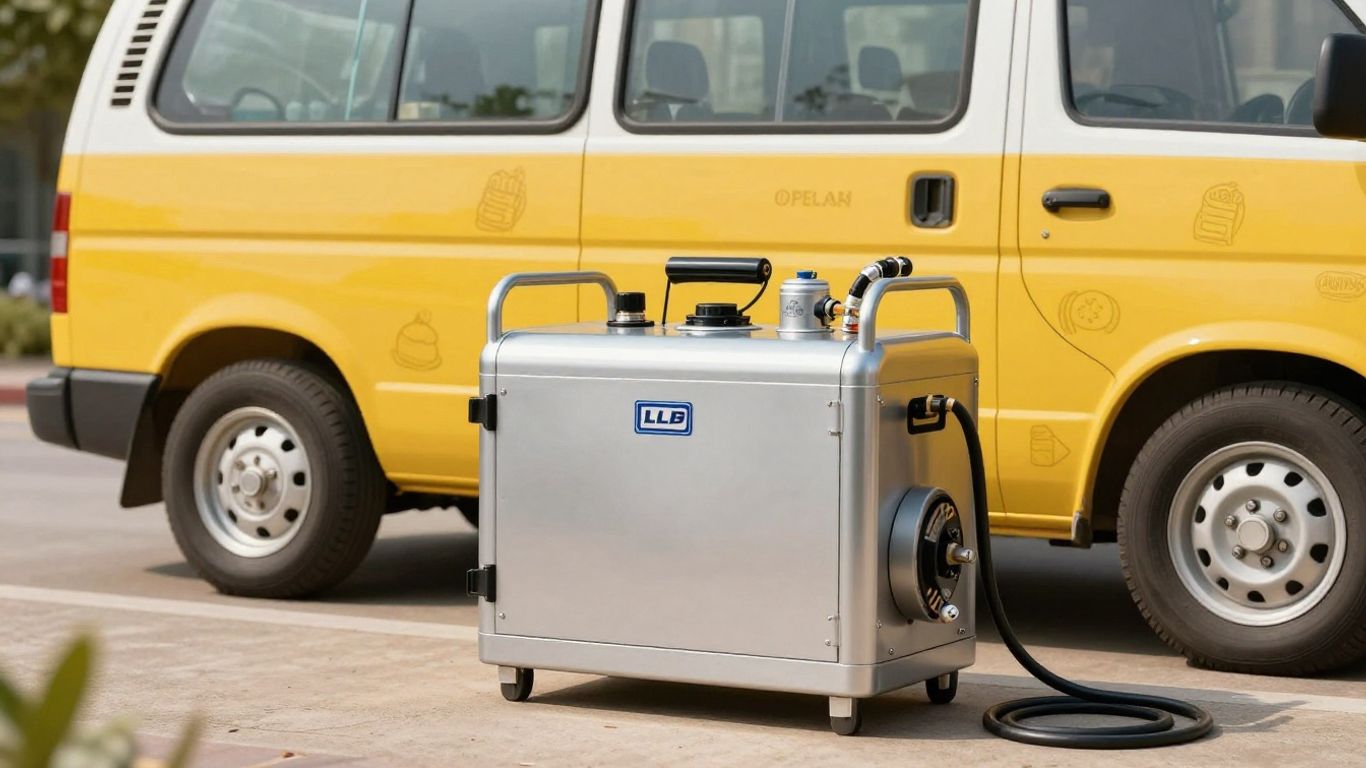
So, you’ve got a fantastic catering van or food truck, ready to roll and serve up deliciousness across the UK. But what about the power? You can’t exactly plug into the mains at a busy street food market, right? That’s where a generator comes in. And when it comes to generators for mobile catering, LPG (Liquefied Petroleum Gas) is really starting to shine. It’s cleaner, often quieter, and can be a real money-saver in the long run. But picking the right one can feel a bit like trying to choose a menu item when everything looks good – a bit overwhelming. Let’s break down how to find the perfect power source for your mobile kitchen.
Understanding Power Requirements For Mobile Catering
First things first, you need to figure out how much juice your van actually needs. This isn’t a one-size-fits-all situation. Think about every single appliance you use: the griddle, the fryer, the fridge, the lights, the till system, maybe even a coffee machine or a blender. Each of these has a wattage rating – usually found on a sticker on the appliance itself. You’ll typically see two numbers: running watts (what it needs to stay on) and starting watts (what it needs to kick on, especially for things with motors like fridges).
Here’s a quick way to get a ballpark figure:
-
List all your appliances: Write down everything that needs electricity.
-
Find their running wattage: Add up the ‘running watts’ for all the items you might use at the same time during your busiest period.
-
Factor in starting watts: Identify the appliance with the highest ‘starting watts’ and add that to your running total. This is your peak demand.
It’s always better to have a little extra power than not enough. Running a generator at its absolute limit isn’t great for it, and you don’t want the lights flickering when you’re serving a crowd.
Key Features To Look For In A Catering Generator
When you’re scanning the options, keep an eye out for a few specific things that make a generator great for catering:
-
Fuel Type: We’re focusing on LPG here, but many generators are dual-fuel, meaning they can run on both LPG and petrol. This gives you flexibility.
-
Inverter Technology: This is a big one for catering vans. Inverter generators produce a clean, stable power output (a ‘pure sine wave’). This is super important for protecting your sensitive electronics, like laptops for your POS system or even modern coffee machines. Regular generators can sometimes put out power that’s a bit ‘dirty’ and could damage these items.
-
Noise Level: Nobody wants to eat next to a roaring engine. Look for generators with decibel ratings (dB) that are on the lower side. Many inverter generators are significantly quieter than traditional ones.
-
Portability and Size: Your van has limited space. You need a generator that fits comfortably without taking up too much room, and ideally, it’s not a total beast to move around when you need to set it up.
-
Run Time: How long can it run on a single tank or gas bottle? Longer run times mean fewer interruptions during busy service.
When choosing a generator, think about your absolute busiest service. What appliances are running simultaneously? Add up their wattage, and then add a bit extra for safety. It’s always better to have a bit more power than you need, rather than constantly pushing the generator to its limit. This will save you headaches and likely extend the life of your generator.
LPG vs. Petrol Generators For Food Trucks
So, why LPG over good old petrol for your food truck? There are some solid reasons:
-
Cleaner Burning: LPG burns much cleaner than petrol. This means fewer harmful emissions and, importantly for food businesses, less of that distinct petrol smell that could interfere with the aroma of your cooking. It’s also generally considered better for the environment.
-
Storage: LPG (propane) is stored in robust, sealed tanks. It’s generally easier and safer to store than petrol, which can degrade over time and is more flammable.
-
Cost: While initial generator costs might be similar, LPG can often be more cost-effective per unit of energy compared to petrol, especially with fluctuating fuel prices. Plus, less maintenance is often needed due to cleaner burning.
-
Availability: While petrol stations are everywhere, LPG is readily available from many suppliers, often in standard gas bottles that you might already use for your cooking equipment. This can simplify your fuel logistics.
Petrol generators might offer a slightly lower upfront cost or be more readily available in a pinch, but for consistent, cleaner, and often more economical operation in a food truck environment, LPG is a strong contender.
Benefits Of Using LPG Generators For Catering Businesses
When you’re running a food truck or catering van, every detail counts, and that includes the power source. Switching to an LPG generator can really make a difference for your business, and not just in a small way. It’s about making your operation smoother, more pleasant for everyone involved, and often, more profitable.
Cleaner Emissions And Reduced Smells
One of the biggest wins with LPG generators is how much cleaner they burn compared to traditional petrol models. This means you get significantly fewer exhaust fumes. For a food business, this is huge. You don’t want your generator’s exhaust overpowering the delicious aromas of the food you’re serving. Customers come for the food, not the smell of burnt fuel. Plus, cleaner emissions are generally better for the environment, which is always a good look for any business these days.
Quieter Operation For Customer Experience
Let’s be honest, noisy generators can be a real buzzkill. They make it hard to chat with customers, can be irritating for people nearby, and just generally detract from the atmosphere you’re trying to create. LPG generators, especially inverter models, tend to run much quieter than their petrol counterparts. This means you can have conversations with your customers without shouting, and the overall experience is more relaxed and enjoyable for everyone. It helps create a more pleasant environment around your food truck.
Cost-Effectiveness And Fuel Efficiency
While the initial cost of an LPG generator might be a consideration, the long-term savings can be quite substantial. LPG is often cheaper per unit of energy than petrol, and modern LPG generators are designed to be quite fuel-efficient. This means you’ll spend less on fuel over time, which directly impacts your bottom line. Think about how much you spend on fuel each month – a more efficient generator can shave a good chunk off that bill.
Here’s a quick look at potential savings:
|
Fuel Type |
Average UK Price (approx.) |
Energy Output (per unit) |
Cost per kWh (approx.) |
|---|---|---|---|
|
LPG |
£0.80/litre |
12.8 kWh/litre |
£0.063 |
|
Petrol |
£1.50/litre |
11.7 kWh/litre |
£0.128 |
Note: Prices are estimates and can vary significantly based on location, supplier, and market fluctuations. This table illustrates the potential cost difference.
Running a food truck means you’re constantly on the go, and reliability is key. Choosing a fuel source that’s readily available and burns cleanly not only makes your life easier but also contributes to a better customer experience and a healthier bottom line. It’s a smart move for any mobile catering business looking to operate efficiently and professionally.
Top LPG Generator Brands For The UK Market
Exploring Reputable Generator Manufacturers
When you’re outfitting your catering van or food truck in the UK, picking the right generator brand is a big deal. You want something reliable, something that won’t conk out when you’ve got a queue of hungry customers. Several manufacturers have made a name for themselves in this space, offering units specifically suited for mobile catering.
Brands like Greengear, Champion, and Stanley are often mentioned. These companies have a solid track record for producing generators that can handle the demands of a busy food service environment. They offer a range of models, from smaller, portable units to more powerful ones that can run multiple appliances simultaneously. It’s worth looking into brands that specifically mention suitability for events or mobile catering, as these are often designed with durability and consistent power output in mind.
Comparing Generator Models For Catering Needs
Choosing a specific model involves looking at a few key things. Power output is obviously important – you need to know what your appliances draw. But also consider fuel type flexibility. Dual-fuel models, which can run on both petrol and LPG, offer a great backup. For instance, the Gorilla Power 5500W Dual-Fuel Generator (GP5500DF) is a popular choice. It offers a good balance of power (5.5 kW peak) and the flexibility to switch between fuels, which is handy during long service hours. Its true sine-wave output is also a plus, protecting any sensitive electronics you might have in your van.
For larger operations, the Gorilla Power 6500W Dual-Fuel Generator (GP6500DF) steps up the capacity to 6.5 kW peak, capable of handling bigger loads like multiple refrigerators or high-power grills. These dual-fuel options are particularly good because LPG is easy to store and burns cleaner, which is a definite plus for food businesses. If you’re running a really high-demand setup, you might even look at something like the Gorilla Power 8000W Petrol Inverter Generator (GP8000iE), though this is petrol-only. Remember, inverter technology is generally preferred for its clean power output, which is safer for your equipment.
Here’s a quick look at some common considerations:
-
Power Output (kW): Match this to your total appliance needs.
-
Fuel Type: LPG, petrol, or dual-fuel.
-
Noise Level: Important for customer experience and local regulations.
-
Portability: How easy is it to move and set up?
-
Runtime: How long can it run on a full tank/cylinder?
Where To Purchase Your LPG Generator
Once you’ve got an idea of the brand and model that fits your needs, the next step is finding a place to buy it. Many specialist generator suppliers operate online, offering a wide selection and often free UK delivery. Companies like Generator Pro have a strong presence in the UK market, stocking well-known brands and providing advice to help you make the right choice. They often have a good range of generators specifically for mobile catering and events, covering various budgets and power requirements.
When buying, always check the warranty details and what kind of support the manufacturer or seller offers. A good warranty can save you a lot of headaches down the line if something goes wrong. It’s also a good idea to look for suppliers who have a team of experts available to answer questions, especially if you’re new to generators. They can help you figure out the best fit for your specific setup and menu.
Don’t forget to compare prices, but also consider the overall value – including delivery costs, warranty, and customer support. Sometimes paying a little more upfront for a reputable brand from a trusted supplier can save you money and hassle in the long run. You might also want to explore alternatives like battery power stations if your power needs are more modest or if you’re looking for a quieter, emission-free solution for certain applications.
Ensuring Safe And Reliable Generator Operation
Safety Considerations For LPG Fuel
Working with LPG (Liquefied Petroleum Gas) fuel for your generator means you’re dealing with something that needs respect. It’s flammable, so keeping it away from open flames or sparks is a no-brainer. Always make sure your generator is set up in a well-ventilated area, especially when it’s running. You don’t want any gas building up where people are working or eating. Check your LPG tanks and connections regularly for any signs of leaks – a little sniff test can go a long way, but a soapy water solution is a more reliable way to spot tiny leaks. Proper storage of your LPG cylinders when not in use is also key; keep them upright and in a cool, dry place away from direct sunlight.
Maintenance And Servicing For Longevity
Think of generator maintenance like taking care of your food truck itself. Regular check-ups keep things running smoothly and prevent bigger headaches down the road. For your LPG generator, this means:
-
Fluid Checks: Keep an eye on the oil level and condition. Low oil can cause serious engine damage.
-
Filter Cleaning/Replacement: Air filters and fuel filters can get clogged, affecting performance. Clean or replace them as recommended.
-
Spark Plug Inspection: A fouled spark plug can lead to hard starting or misfires.
-
Hose and Connection Checks: Regularly inspect all fuel lines and connections for wear or damage.
Following the manufacturer’s service schedule is the best bet. It might seem like an extra chore, but it really does make your generator last longer and perform better when you need it most.
Understanding Generator Warranties And Support
When you buy a generator, it usually comes with a warranty. It’s a good idea to know what that warranty covers and for how long. Most warranties will cover manufacturing defects, but they usually won’t cover damage from misuse or lack of maintenance. Keep your receipts and any service records handy, just in case.
It’s also worth looking into what kind of support the manufacturer or seller offers. Do they have a UK-based service center? Can you easily get replacement parts if you need them? Knowing you have backup if something goes wrong can give you real peace of mind when you’re out on a busy service.
Here’s a quick rundown of what to consider:
-
Warranty Period: How long is it covered?
-
Coverage Details: What exactly is included (parts, labor)?
-
Exclusions: What voids the warranty (e.g., lack of maintenance)?
-
Support Network: Where can you get it serviced or repaired?
Powering Your Mobile Kitchen With Confidence
Matching Generator Output To Appliance Needs
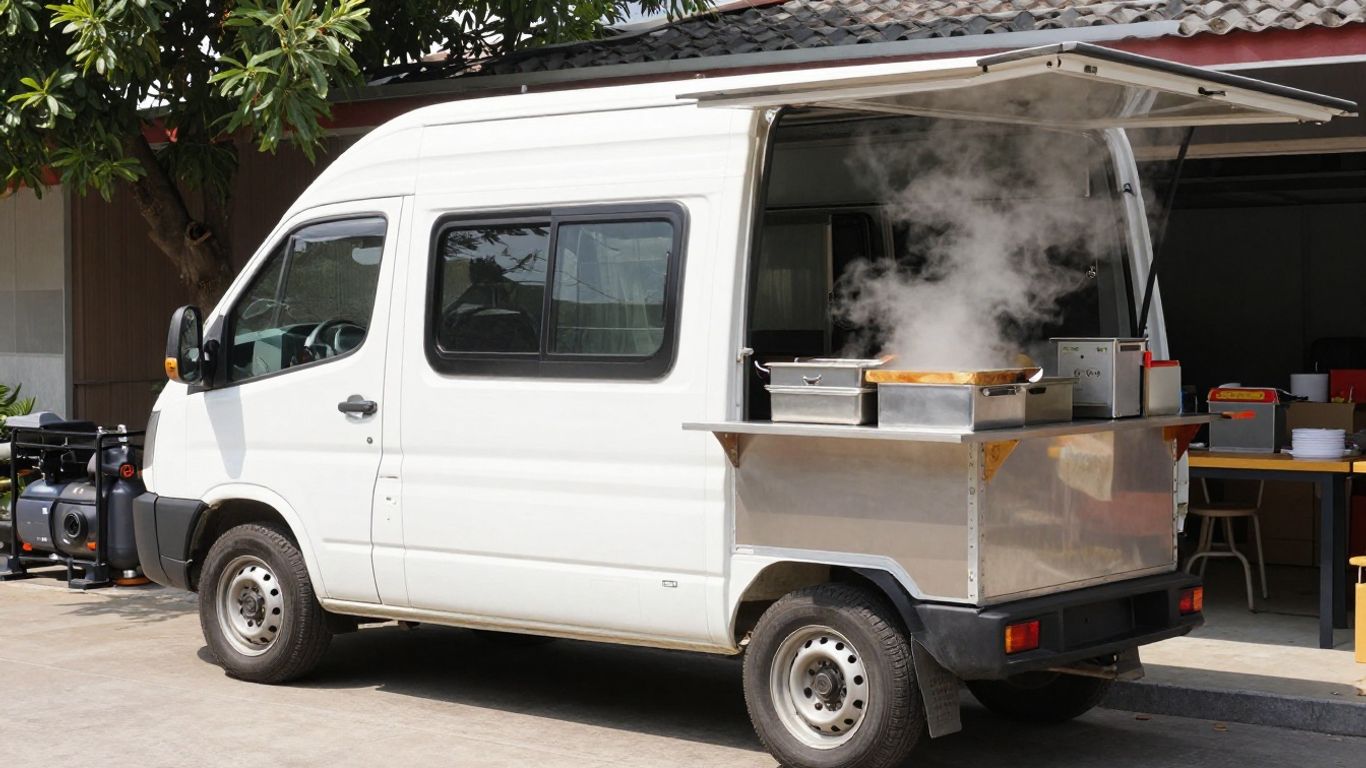
Figuring out exactly how much power your food truck needs can feel a bit like a puzzle, but it’s super important. You don’t want to be in the middle of the lunch rush and have your fryer suddenly go cold because the generator can’t keep up. Start by making a list of everything you use – your grill, your fridge, your coffee maker, your lights, even your point-of-sale system. Jot down how many watts each one uses. For smaller operations, like a coffee cart, you might be looking at around 4-6 kW. But if you’re running fryers, ovens, and multiple fridges, you could easily need 8-10 kW or even more. It’s always better to have a little extra power than not enough. Think about those busy times when everything is on at once; that’s your peak demand.
The Advantages Of Inverter Generator Technology
When you’re looking at generators, you’ll probably see “inverter” pop up a lot, and for good reason. These aren’t your grandpa’s noisy generators. Inverter generators are smart; they adjust their engine speed based on how much power you’re actually using. This means they run quieter, which is a huge plus when you’re parked near customers. Plus, they sip fuel more efficiently. But the biggest win? They produce what’s called “clean power” or “pure sine wave” power. This is super important because it’s stable and won’t mess with your sensitive electronics, like your tablet for orders or your fancy coffee machine. Regular generators can sometimes put out power that’s a bit jumpy, and that can damage delicate equipment over time.
Planning For Peak Demand During Service
So, you’ve listed your appliances and figured out your total wattage. Now, think about the busiest hour of your day. When are most of your appliances running simultaneously? That’s your peak demand. You need a generator that can handle that maximum load without breaking a sweat. If your calculations show you need, say, 7 kW for everything running at once, you’ll want a generator with a bit more capacity than that, maybe 8 or 9 kW. This gives you some breathing room and prevents the generator from being constantly overloaded, which can shorten its lifespan. It’s like making sure your van has enough gas for the whole trip, not just to get to the next town.
Choosing the right generator isn’t just about watts; it’s about reliability, noise levels, and protecting your equipment. An inverter generator running on LPG offers a quiet, clean, and efficient way to keep your mobile kitchen running smoothly, letting you focus on serving up delicious food without worrying about power.
Here’s a quick look at how different appliances add up:
|
Appliance |
Typical Wattage (Running) |
Notes |
|---|---|---|
|
Coffee Machine |
800 – 1500 W |
Can be high during startup |
|
Griddle/Grill |
1500 – 3000 W |
Varies greatly by size |
|
Refrigerator |
100 – 200 W |
Higher startup surge |
|
Fryer |
2000 – 3500 W |
Often a big power user |
|
Lights |
50 – 100 W |
Per bulb/fixture |
|
POS System |
20 – 50 W |
Very low, but needs clean power |
Wrapping It Up
So, when it comes down to it, picking the right LPG generator for your catering van or food truck in the UK really makes a difference. It’s not just about having power; it’s about having reliable, quiet, and clean power so you can focus on cooking up a storm and keeping those customers happy. Whether you’re running a small coffee cart or a full-blown kitchen on wheels, there’s a generator out there that fits the bill. Think about what you need to power, how much juice it all takes, and what kind of noise level you can deal with. Getting this right means fewer headaches and more good food served. Happy motoring and happy cooking!
Frequently Asked Questions
What size generator do I need for my food truck?
The generator size really depends on what you plan to power. Think about all your kitchen gadgets like your oven, fridge, lights, and any other equipment. A small coffee cart might only need about 4 to 6 kilowatts (kW), but a full-blown kitchen with fryers and grills could need 8 kW or even more. It’s smart to figure out the total power needed for all your appliances when they’re all running at the same time, especially during busy periods.
Why are LPG generators good for food trucks?
LPG generators are a great choice for food trucks because they burn cleaner, meaning less smelly exhaust that could mess with your food’s aroma. They also tend to be quieter than regular gas generators, which is a big plus for customers nearby. Plus, LPG can be more cost-effective in the long run because it’s often cheaper and more fuel-efficient.
What’s the difference between LPG and petrol generators?
The main difference is the fuel they use. LPG generators run on liquefied petroleum gas (like propane), while petrol generators use gasoline. LPG burns cleaner and is often quieter, making it ideal for food businesses where smells and noise can be an issue. Petrol generators might be easier to find fuel for in some places, but they can be smellier and louder.
Are inverter generators better for catering vans?
Yes, inverter generators are usually the top pick for catering vans. They provide a really stable and clean power output, which is super important for sensitive electronics like your point-of-sale system or laptops. They also adjust their speed based on how much power you need, making them quieter and more fuel-efficient, especially when you’re not running everything at full blast.
How do I ensure my generator is safe to use?
Safety is key! Always make sure your generator is placed in a well-ventilated area, away from windows and doors to prevent exhaust fumes from entering your van or nearby spaces. Follow the manufacturer’s instructions for setup and operation, and keep the fuel source (like LPG tanks) stored properly and securely. Regular checks and maintenance are also crucial for safe operation.
Where can I buy an LPG generator for my UK food truck?
You can find a good selection of LPG generators for catering vans and food trucks from specialized generator suppliers in the UK, both online and in physical stores. Companies like Generator Pro offer a range of options from well-known brands, often with free UK delivery. It’s a good idea to check their websites or contact them directly to find a model that fits your specific power needs and budget.