LPG Coffee Machines for Coffee Vans and Mobile Catering


A gas coffee machine is commonly used in coffee vans and mobile catering businesses across the UK because it allows baristas to operate without relying on mains electricity. LPG-powered espresso machines provide consistent heat and steam pressure, making them ideal for mobile setups such as catering vans, food trucks and event coffee stands. Understanding how these machines work and how to choose the right model is essential for building a reliable mobile coffee business.
Choosing Your LPG Coffee Machine
When you’re outfitting a coffee van or any mobile catering setup, picking the right coffee machine is a big deal. You’ve got a few options, but for that true off-grid freedom, LPG machines really shine. They let you set up shop just about anywhere, which is pretty much the whole point of a mobile business, right?
Dual Fuel Flexibility for Mobile Operations
Many LPG coffee machines are actually ‘dual fuel’. This means they can run on gas, but also switch over to electricity if you have access to it. This is super handy. You might be at a festival with power hookups one day, and then at a remote market the next. Having that backup or alternative power source means your coffee service doesn’t have to stop.
-
Gas Power: Your primary option when no electricity is available.
-
Electric Power: Useful for when you have access to a generator or mains hookup.
-
Battery Power: Some models can run on a 12v battery system, perfect for short bursts or when gas isn’t ideal.
This kind of flexibility means you’re not tied down by power availability. You can serve great coffee whether you’re plugged in or completely off the grid.
Gas-Powered Performance for Off-Grid Service
LPG (Liquefied Petroleum Gas) is your best friend when you’re away from power outlets. It’s a reliable energy source that powers the heating elements and steam wands on your machine. This allows you to maintain consistent temperature and pressure, which is key for making excellent espresso, even in the middle of nowhere. Unlike electric machines that might struggle with power fluctuations or limited supply, gas burners provide a steady, high output.
The real beauty of LPG for mobile setups is its independence. You’re not hunting for power sockets or worrying about generator noise. Just hook up a gas bottle, and you’re good to go. It’s a simple, effective way to power your passion for coffee.
Understanding LPG vs. Electric Coffee Machines
So, why choose LPG over a purely electric machine for your van? It really comes down to where and how you plan to operate.
|
Feature |
LPG Coffee Machine |
Electric Coffee Machine |
|---|---|---|
|
Power Source |
Primarily LPG (propane/butane), can be dual-fuel |
Mains electricity or generator |
|
Mobility |
High; operates off-grid |
Limited by power source availability |
|
Heat/Steam Power |
Generally very high and consistent |
Dependent on electrical supply |
|
Initial Cost |
Can be higher due to gas components |
Often lower |
|
Running Cost |
Depends on LPG prices, generally cost-effective |
Depends on electricity prices |
Electric machines are great if you’re always at locations with power. But if you want the freedom to serve anywhere, from a farmer’s market to a roadside stop, an LPG or dual-fuel machine gives you that independence. It’s about matching the machine to your business’s needs and your desired level of freedom.
Key Features of Mobile LPG Coffee Machines
Durable Construction for Road-Ready Use
When you’re running a coffee van, your equipment takes a beating. It’s constantly on the move, dealing with vibrations and the general wear and tear of the road. That’s why mobile LPG coffee machines are built tough. Think solid stainless steel casings that can handle bumps and spills without a fuss. They’re designed to be robust, so you don’t have to worry about them breaking down when you’re miles from anywhere.
Gas-Powered Performance for Off-Grid Service
One of the biggest draws of LPG machines is their ability to work without needing a constant hook-up to mains electricity. This means you can set up shop just about anywhere – a farmer’s market, a remote event, or just a busy street corner. The gas burners provide serious heat, giving you the power needed for brewing espresso and steaming milk, even when you’re completely off the grid. This independence is a game-changer for mobile coffee businesses.
Consistent Heat and Pressure for Perfect Espresso
Getting that perfect shot of espresso relies on stable temperature and pressure. LPG machines are engineered to deliver just that. The powerful gas burners heat the boiler quickly and maintain a consistent temperature, so you get the same great-tasting coffee, cup after cup. This reliability means you can serve busy crowds without your coffee quality dipping.
Compact Designs for Small Catering Spaces
Coffee vans and trailers are usually pretty tight on space. Manufacturers know this, so most mobile LPG coffee machines are designed with a smaller footprint. They pack a lot of power and features into a compact unit, making sure you can fit everything you need without feeling cramped. This smart design means you don’t have to sacrifice quality for space.
Understanding LPG vs. Electric Coffee Machines
Choosing between LPG and electric often comes down to where and how you plan to operate. LPG machines shine when you need to be independent of power sources, offering flexibility for off-grid locations. Electric machines, on the other hand, are great if you have reliable access to mains power or a generator, often providing very precise temperature control. Some machines even offer dual-fuel options, giving you the best of both worlds.
Here’s a quick look at some general differences:
-
LPG Machines:
-
Ideal for off-grid operation.
-
Powerful heating for steam and hot water.
-
Can be more cost-effective to run in some areas.
-
-
Electric Machines:
-
Require a stable power source (mains or generator).
-
Often offer very fine-tuned temperature control.
-
Can be simpler to install if power is readily available.
-
When you’re outfitting a mobile coffee setup, the machine’s ability to handle the demands of a busy service is paramount. Features like rapid heat recovery and stable steam pressure aren’t just nice-to-haves; they’re what allow you to keep customers happy during peak hours. Think about how many coffees you expect to make in an hour and choose a machine that can keep up without breaking a sweat.
Powering Your Mobile Coffee Business
When you’re running a coffee van or a mobile catering setup, figuring out how to power your espresso machine is a big deal. You’re not always near a wall socket, so you need a reliable way to keep that coffee flowing. That’s where LPG really shines.
Off-Grid Capabilities with LPG
LPG (Liquefied Petroleum Gas) is a game-changer for mobile businesses. It means you can set up shop just about anywhere, without being tied to a power source. Think farmers’ markets, festivals, or even just a busy street corner. LPG machines give you the freedom to operate independently. You’ll need a gas bottle, of course, but they’re pretty easy to get and swap out. This is a huge advantage over electric-only machines, especially if you’re just starting out or don’t have a generator.
Low Power Requirements for Battery Operation
Even if you’re using an LPG machine, there are still some electrical components that need power – things like the pump and control systems. The good news is that these usually don’t need much juice. Many LPG coffee machines can run off a standard 12v battery, which could be your vehicle’s battery or a separate leisure battery. This keeps your power needs low and manageable. For example, a machine like the CON1ELPG uses a gas rating of 1800 watts but only a 350-watt electric rating, showing how much it relies on gas for its main heating. This makes it a great option if you want to minimize your electrical setup.
Generator Compatibility for Electric Models
If you’re leaning towards an electric coffee machine, or if your LPG machine has significant electrical needs, a generator becomes an option. However, it’s not always the simplest solution. Generators can be noisy, they need fuel, and they add another layer of complexity to your setup. If you do go this route, make sure the generator provides stable power. Fluctuations can mess with your machine’s performance. Some electric models are designed with generators in mind, but it’s always best to check the specs. For instance, a twin-group electric machine like the CON2ELPG has a much higher electric rating (5500 watts) than its gas counterpart, meaning it would require a substantial generator or a solid mains hookup. It’s worth looking into mobile coffee machines that are specifically designed to work well with generators if that’s your primary power plan.
Choosing the right power source is about balancing your operational needs with your budget and setup. LPG offers independence, while electric machines, often paired with generators, can provide consistent power if you have the infrastructure.
Installation and Safety Considerations
Certified Installation by Qualified Engineers
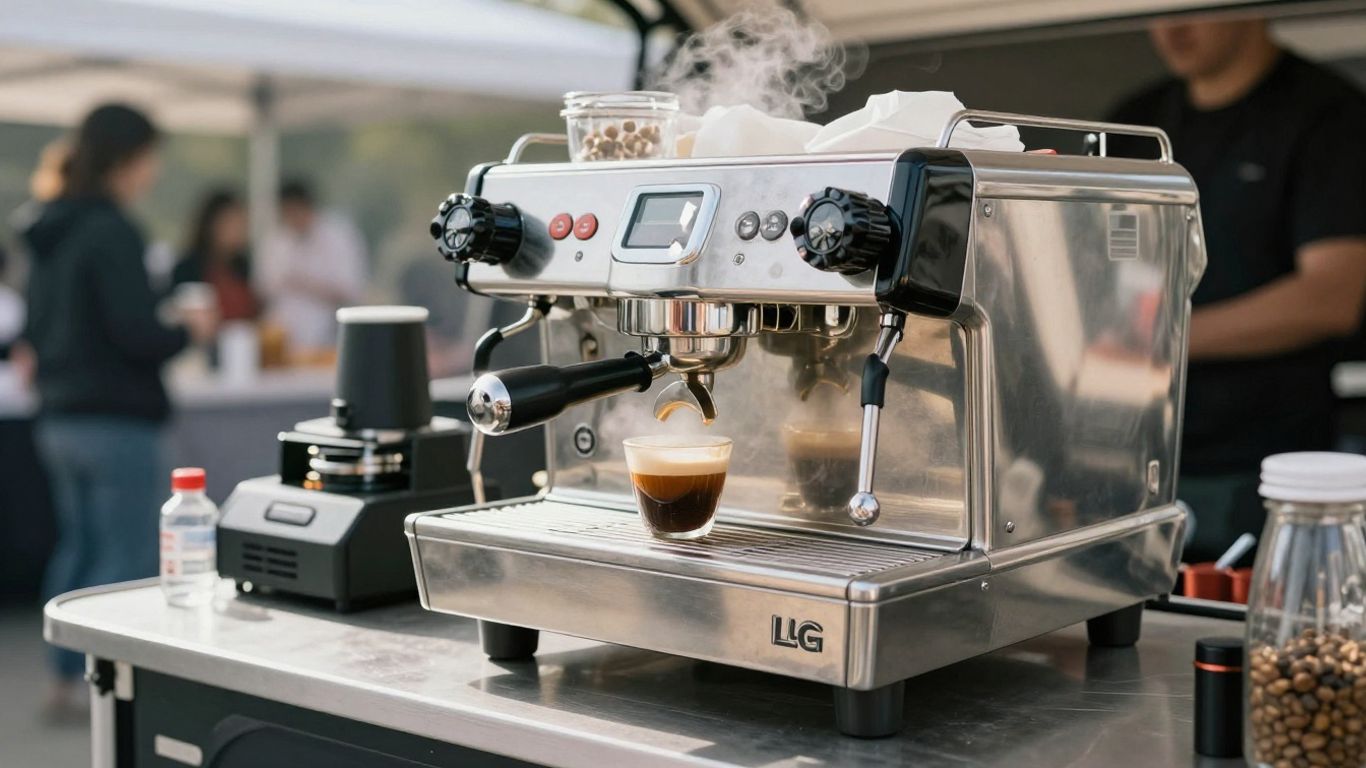
Getting your LPG coffee machine set up right is super important, not just for making great coffee, but for keeping everyone safe. You absolutely need a qualified gas engineer to handle the installation. This isn’t a DIY job. They’ll make sure all the connections are secure and that your gas system meets all the official rules. Think of it like getting a professional to check your home’s gas lines – it’s that serious.
Essential Components for Gas Setup
Setting up an LPG coffee machine involves a few key parts working together. You’ll need:
-
Gas Bottle and Regulator: This is where your LPG fuel comes from. The regulator controls the pressure going to the machine, making sure it’s just right.
-
High-Pressure Hose: This connects the regulator to your coffee machine. It needs to be the correct type and length for safe operation.
-
Water Supply: You’ll need a fresh water tank, often with a pump (like a Flojet or a more robust 1.5 bar pump if you’re using a fixed tank). Some setups might use the vehicle’s existing water system if it’s suitable.
-
Power Source: While the gas powers the heating, the machine still needs electricity for its pump and controls. This is often a 12v system, which can be your vehicle’s battery or a separate leisure battery (an AGM type is a good choice).
Meeting Catering and Safety Standards
When you’re running a mobile catering business, you have to follow specific rules. Your LPG coffee machine setup needs to comply with gas safety regulations and any local health and safety standards for food service. This means:
-
Gas Safety: The installation must be certified by a registered gas engineer. This confirms it’s safe to use and meets all legal requirements.
-
Food Safety: Your water supply and waste water systems need to be clean and meet standards (like NSF or CSA approval for components).
-
Fire Safety: Ensure proper ventilation and that flammable materials are kept away from the gas components. The gas bottle should be securely stored and chained.
Proper installation isn’t just about ticking boxes; it’s about preventing accidents and making sure your business can operate smoothly and legally. A well-installed system means fewer headaches down the road and a safer environment for you and your customers.
Here’s a quick look at some typical components you might need to source locally:
|
Component |
Notes |
|---|---|
|
High Pressure Hose |
Connects regulator to machine, specific nozzle required. |
|
Pressure Regulator |
Controls gas flow from the bottle to the machine. |
|
Gas Bottle |
The LPG fuel source, size depends on your usage and local regulations. |
|
Fresh Water Tank |
Holds water for the machine; size varies based on demand. |
Performance and Capacity
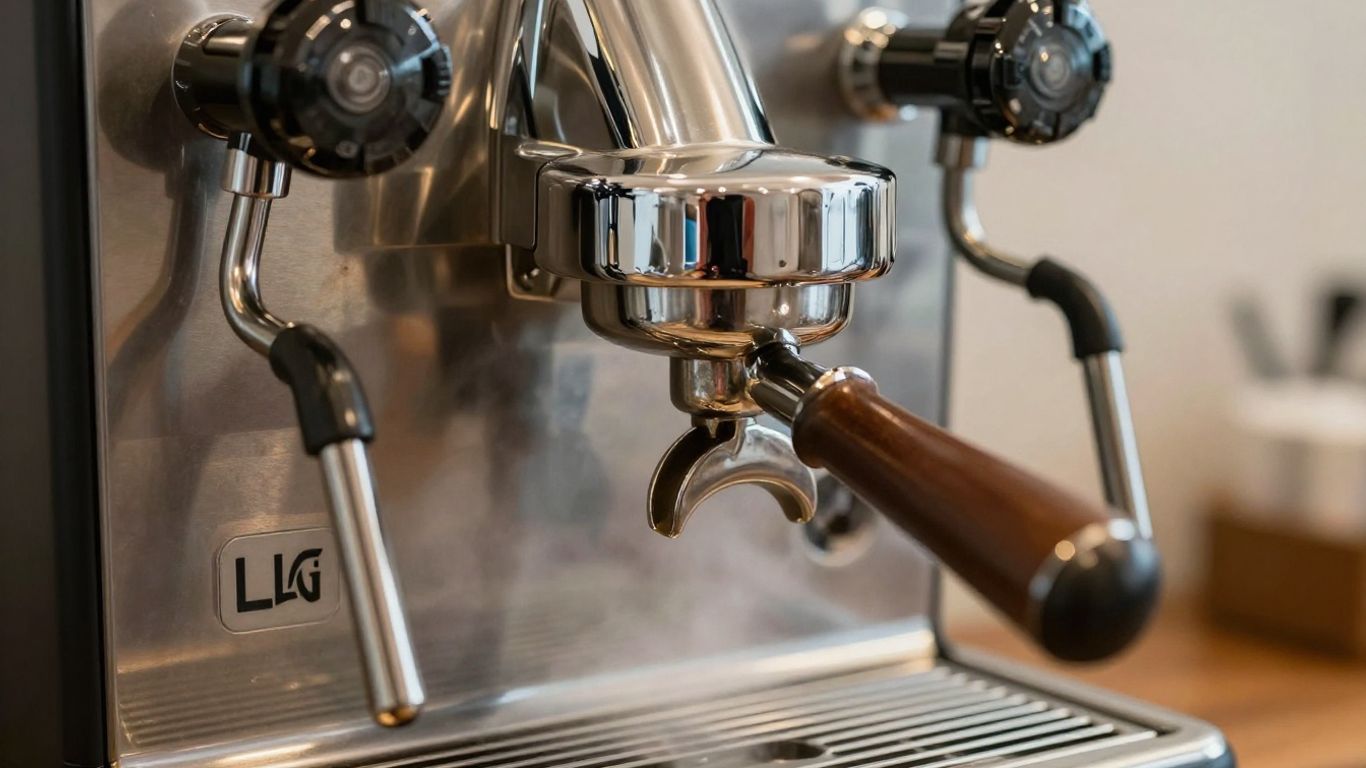
When you’re out there serving coffee from your van, you need a machine that can keep up. Nobody likes waiting in a long line, especially when they’re craving their morning fix. That’s where performance and capacity really come into play.
High-Volume Output for Busy Events
Think about those weekend markets or big festivals. You’ll be pulling shots back-to-back. LPG machines are great because they heat up fast and can keep that steam pressure steady, which means you can make more drinks quicker. For example, a good two-group machine might be able to make around 200 to 400 cups per hour. That’s a lot of happy customers!
Models for Every Scale of Operation
It doesn’t matter if you’re just starting out with a small setup or running a full-blown coffee truck. There are machines designed for different needs. You can get smaller, single-group units that are perfect for tight spaces, or bigger, three-group machines if you’re expecting huge crowds. It’s all about matching the machine’s output to how busy you expect to be.
Here’s a quick look at what some models can handle:
|
Model |
Groups |
Cups Per Hour |
Boiler Capacity |
|---|---|---|---|
|
FCL1LPG |
1 |
100 |
7L |
|
FCL2LPG |
2 |
200 |
14L |
|
FCL3LPG |
3 |
300 |
20L |
|
CON2ELPG |
2 |
200/400 |
14L |
|
CON3ELPG |
3 |
360/600 |
20L |
Maintaining Steam Pressure During Peak Times
This is a big one. When you’re steaming milk for lattes and cappuccinos, you need consistent, strong steam. LPG machines generally do a better job of maintaining that boiler pressure compared to some electric-only models, especially when you’re running multiple things at once. This means your milk will be steamed just right, every time, even when you’re slammed.
The real test for any coffee machine in a mobile setup is its ability to recover quickly. When you’re pulling shots and steaming milk simultaneously, the machine needs to keep its temperature and pressure stable. LPG offers a reliable and powerful heat source that helps these machines perform consistently, even under heavy demand. This reliability is what separates a good coffee van from a great one.
Technical Specifications and Models
When you’re outfitting a coffee van or mobile catering setup, picking the right machine is a big deal. You’ve got to think about how many coffees you can make, how much space you have, and what kind of power you’ll be using. LPG machines come in different sizes, usually based on the number of ‘groups’ – that’s the part where the coffee comes out. More groups mean you can make more drinks at once.
Exploring Single, Twin, and Triple Group Options
Most mobile LPG coffee machines are available in single, twin, or triple group configurations. This choice really depends on how busy you expect to get. A single-group machine is great for a smaller operation or if you’re just starting out. It takes up less space and uses less gas. If you’re anticipating long queues during peak hours, a twin or even a triple-group machine will be a lifesaver. They let you brew multiple shots or even multiple coffees simultaneously, keeping those lines moving.
-
Single Group: Ideal for lower volume or very tight spaces.
-
Twin Group: A popular choice for most mobile businesses, balancing capacity and footprint.
-
Triple Group: For high-volume operations at large events or festivals.
Understanding Gas and Electric Ratings
It’s important to look at the gas and electric ratings. For LPG machines, the gas rating tells you how much power the machine uses from the gas supply. This is usually measured in watts or kilowatts (kW). You’ll also see an electric rating, which is typically much lower, for things like the control systems or a small warming plate. This is important if you’re running the machine off a battery or a small generator when the gas isn’t powering the main heating element.
Always check the specific gas and electric requirements for any machine you’re considering. This helps you plan your gas tank size and any auxiliary power needs accurately.
Key Dimensions and Boiler Capacities
Space is always tight in a coffee van, so dimensions matter. Machines are often listed with their height, width, and depth. You’ll want to measure your available counter space carefully before buying. The boiler capacity is also a big factor. A larger boiler means the machine can store more hot water, which is great for steaming milk and keeping up with demand without the temperature dropping. Smaller machines might have a 7-liter boiler, while larger ones can go up to 20 liters or more.
Here’s a look at some common specs:
|
Model Type |
Groups |
Boiler Capacity |
Approx. Height (mm) |
Approx. Width (mm) |
Approx. Depth (mm) |
|---|---|---|---|---|---|
|
Single |
1 |
7L |
830 |
375 |
500 |
|
Twin |
2 |
14L |
830 |
580 |
500 |
|
Triple |
3 |
20L |
830 |
785 |
500 |
Remember, these are just examples, and exact specifications can vary between manufacturers. Always confirm the exact measurements and capacities with your supplier before making a purchase.
Ready to Brew Anywhere?
So, if you’re looking to get your coffee van or mobile catering business off the ground, or maybe just upgrade your current setup, going with an LPG coffee machine makes a lot of sense. They give you that freedom to set up shop wherever the customers are, without being tied down by power outlets. Plus, they’re built tough for the road and can handle busy service. It’s really about having reliable, great-tasting coffee available, no matter where your business takes you. Think about what you need, check out the options, and get ready to serve up some amazing coffee.
Frequently Asked Questions
Are gas-powered coffee machines safe for food trucks?
Yes, absolutely! Our gas coffee machines are made for use in mobile businesses. They are certified and can be safely set up by experts who know about gas systems.
What’s the main difference between gas and electric coffee machines for mobile use?
Gas machines are awesome when you don’t have access to electricity, like when you’re off the grid. Electric machines work great when you have a steady power source, either from the mains or a generator.
Can I use a generator to power my mobile coffee machine?
You sure can! Many of our electric coffee machines work well with generators. Just make sure the generator provides enough power and a stable electrical current for the machine.
Do these machines meet safety rules for food businesses?
Yes, they do. All our machines follow the safety rules for commercial kitchens, gas use, and electrical equipment, whether they’re in a van or a fixed spot.
Are these coffee machines good for small coffee vans and trailers?
Definitely. These machines are built to fit into tight spaces. They have strong parts that can handle movement and can be secured safely, making them perfect for life on the road.
What else might I need to get my mobile coffee setup running?
We can help with things like coffee grinders, water filters, and other accessories. We can also give you advice on planning your power, water supply, and how to set everything up.