

Transform Your Culinary Dreams: The Ultimate Guide to the Perfect Gazebo Food Stall


So, you’re thinking about setting up a gazebo food stall? Brilliant idea! Whether you’re dreaming of serving up gourmet burgers or just some cracking good coffee, getting the right setup is key. It’s not just about slapping a gazebo up and hoping for the best; there’s a bit more to it than that. We’ll walk you through how to make your gazebo food stall a real hit, from picking the right structure to making sure your customers keep coming back for more.
Key Takeaways
-
Choosing the right gazebo food stall structure means looking at types, features, and how much space you actually need.
-
You’ll need to sort out your cooking gear, how to keep things cool, and where to stash all your bits and bobs.
-
Don’t forget the serious stuff: UK food safety rules, gas and electric checks, and how to deal with rubbish properly.
-
Make your gazebo food stall look the part with good branding and lighting to draw people in.
-
Getting your stock sorted and managing it well is vital for keeping things fresh and profitable.
Choosing Your Gazebo Food Stall Structure
Setting up a gazebo food stall can feel like a right mission, but the right structure sets the stage for everything. Let’s get you sorted fast.
Understanding Gazebo Types for Food Service
Picking your gazebo isn’t just about shade. You want a set-up that’s sturdy, easy to pop up, and handles every British season. Think:
-
Pop-up gazebos: Great for festivals and quick weekends. Easy to move, fast to set up, often used at street food markets and events.
-
Solid-roof gazebos: Heavier but sound in bad weather. Best for stalls where you’ll stay put for longer stretches.
-
Pergola-style: Open feel, adjustable slats for air. Not always best in hammering rain, though.
Choose a gazebo you can put up alone if you’re often on your own. If you’ll have help or run a group stall, you can go bigger.
Essential Gazebo Features for a Food Stall
Not all gazebos are made equal. Food stalls work better with certain must-haves:
-
Fire retardant covers (for insurance – and your peace of mind).
-
Strong legs and weighted bases (wind can be sneaky).
-
Sides or walls for privacy, rain, and hygiene.
-
Ability to add shelves, hooks or banners for storage and branding.
Here’s a handy features checklist:
|
Feature |
Why It Matters |
|---|---|
|
Waterproof Roof |
Keeps kit & food dry |
|
Ventilation |
Stops steam and smoke build-up |
|
Lockable Sides |
Keeps stock safe after hours |
|
Easy Access Doors |
Customer service made quick & easy |
|
UV Protection |
Protects you and your products |
Gazebo Size and Layout Considerations
Size can make or break your flow. Too cramped? Chaos. Too big? Wasted space.
-
Measure your usual pop-up pitch before buying.
-
Plan space for cooking, storing, and customer queueing.
-
Standard sizes often used:
-
3m x 3m (solid for single traders or coffee)
-
3m x 6m (gets more room for double units, big menus)
-
Layout tips:
-
Keep your cooking area at the back.
-
Put prep and serving up front.
-
Store bins and stock away from sight.
Set-up right and you’ll work quicker, serve more customers, and meet site safety needs. Keep your stall tidy and walkways clear to avoid accidents—food safety checks expect it.
Essential Equipment for Your Gazebo Food Stall
Setting up your gazebo stall right means picking the kit that keeps you cooking, prepping, and chilling without breaking a sweat. Get your equipment choices wrong and you’ll waste time, money, and energy—make them smart and you’ll be up and running fast, no drama.
Cooking Appliances: Grills, Fryers, and More
-
Opt for portable, commercial-grade gear like gas grills or tabletop fryers. They heat fast and pack away easily.
-
Make safety a habit — check gas hoses each day for leaks and always have a CO2 fire extinguisher close by.
-
Mix it up: invest in at least two types of cooking appliances. For example, a grill for burgers and a panini press for wraps. This keeps your menu flexible and boosts speed during busy spells.
Set-Up Quick Steps:
-
Place all hot equipment at least 30cm from gazebo walls.
-
Never block your fire exit route.
-
Always double-check appliance PAT (Portable Appliance Testing) stickers.
Refrigeration and Cold Storage Solutions
-
Use a reliable compact fridge or freezer built for outdoor use – standard kitchen ones can struggle if temperatures swing wide.
-
Cool boxes with ice packs are fine for short events but can’t replace a real fridge if you’re trading all day.
-
Keep raw meats and dairy in a dedicated fridge, away from salads and ready-to-eat foods.
|
Equipment Type |
Power Source |
Good For |
Mobile Event Use? |
|---|---|---|---|
|
Compact fridge |
Electric |
Dairy, drinks |
Yes (if supply) |
|
Large cool box |
None |
Short events |
Yes |
|
Bottle fridge |
Electric |
Soft drinks |
Yes |
Keeping cold food cold isn’t just about fresh taste—staying under 8°C is the law, and it keeps customers safe.
Prep Surfaces and Utensil Storage
-
Foldaway tables save on space – always cover with washable, food-safe mats for quick cleaning.
-
Magnetic strips or utensil racks make grabbing tongs or spatulas easy, especially mid-rush.
-
Store knives in a box with a latch and keep anything sharp away from reach when trading.
Checklist for an Efficient Workspace:
-
Prep table (easy to wipe)
-
Utensil rack or magnetic strip
-
Lidded box for small kit (knives, thermometers)
-
Chopping boards (colour-coded helps, but at least two—one for meat, one for veg)
Stall life gets busy fast, so smart gear keeps lines moving and food coming out fresh. Get your basics sorted, and you’ll make cooking outdoors feel almost as easy as at home.
Health, Safety, and Regulations for Your Gazebo Food Stall
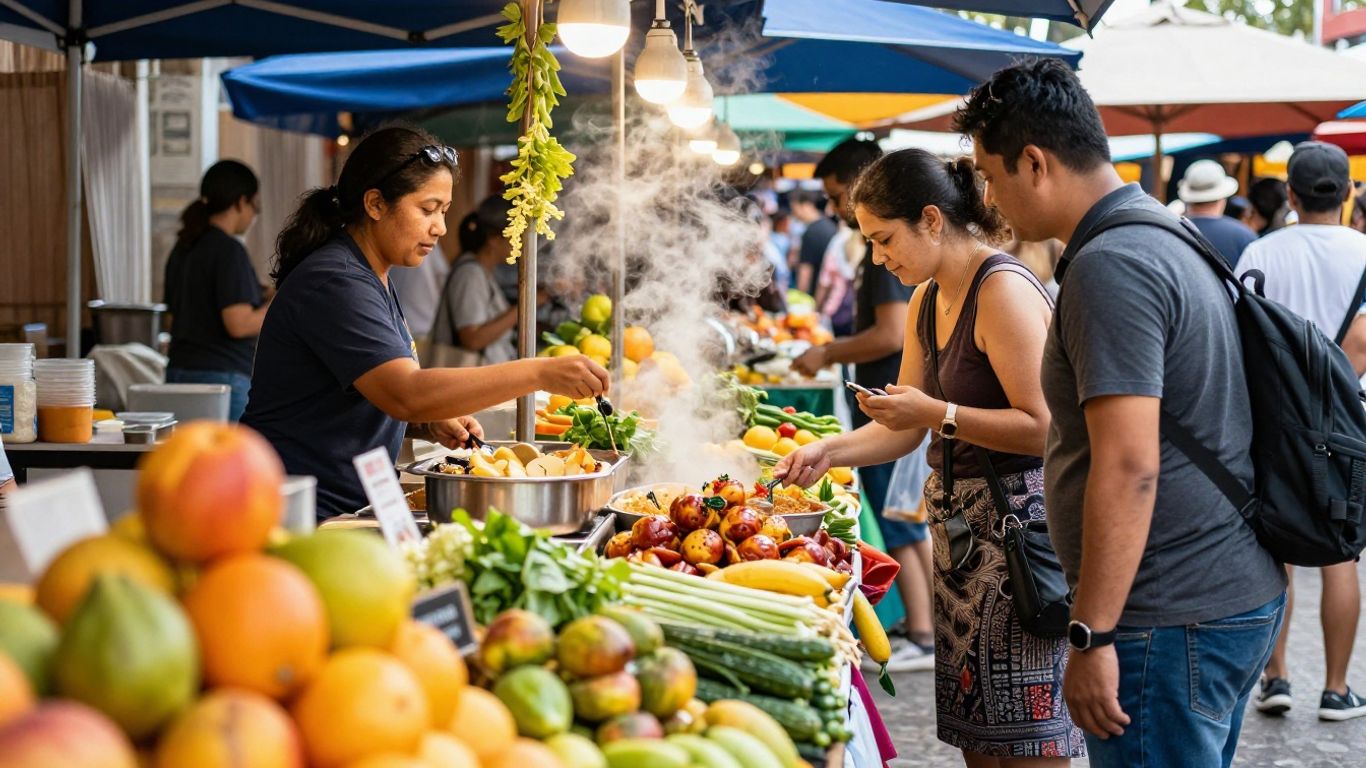
Right then, let’s get down to the nitty-gritty of keeping your food stall safe and legal. It’s not the most exciting bit, but it’s dead important. Get this wrong, and you could be facing fines or even shut down. Nobody wants that!
UK Food Safety Standards
First off, you’ve got to know the rules. In the UK, the Food Standards Agency (FSA) sets the standards. You need to register your business as a food business at least 28 days before you start trading. It’s free to do, so no excuses!
-
Know your Food Hygiene Rating: Aim for a top rating (5). This shows customers you’re serious about food safety. You’ll get inspected by your local council’s environmental health officers.
-
Keep it Clean: This means your gazebo, your equipment, your hands – everything. Regular cleaning schedules are a must.
-
Handle Food Safely: Understand ‘allergen control’, ‘temperature control’ (keeping hot food hot and cold food cold), and ‘cross-contamination’ (stopping raw meat juices from touching ready-to-eat food).
-
Traceability: Know where your food comes from. Keep records of your suppliers.
Remember, customers trust you with their food. A good hygiene rating isn’t just a sticker; it’s a promise to them that you’re doing things properly. It builds confidence and keeps them coming back.
Gas and Electrical Safety Checks
This is where things can get a bit sparky or blowy if you’re not careful. Using gas or electric appliances in a confined space like a gazebo needs extra attention.
-
Gas Safety: If you’re using LPG (bottled gas), you need a Gas Safe registered engineer to check your equipment and connections at least once a year. Make sure your cylinders are stored safely, away from direct heat and out of reach of customers.
-
Electrical Safety: All your electrical equipment needs to be PAT tested (Portable Appliance Testing) regularly. Use RCDs (Residual Current Devices) for extra protection against electric shocks, especially if you’re working outdoors where things can get damp.
-
Ventilation: Make sure your gazebo has good ventilation to stop fumes building up, especially from gas appliances. This is vital for both safety and comfort.
Waste Disposal and Hygiene Practices
Nobody likes a messy stall, and neither do the environmental health officers. Proper waste disposal is key to a clean and safe operation.
-
Waste Bins: Have separate bins for general waste and food waste. Make sure they have lids and are emptied regularly.
-
Cleaning Schedule: Have a clear plan for cleaning surfaces, utensils, and equipment throughout the day. Use food-safe cleaning chemicals.
-
Handwashing: This is non-negotiable. Have a dedicated handwashing station with hot water, soap, and paper towels. Wash your hands frequently, especially after touching raw food, money, or bins.
-
Pest Control: Keep your area clean to avoid attracting pests. Store food properly and seal any gaps where they might get in.
Designing an Appealing Gazebo Food Stall
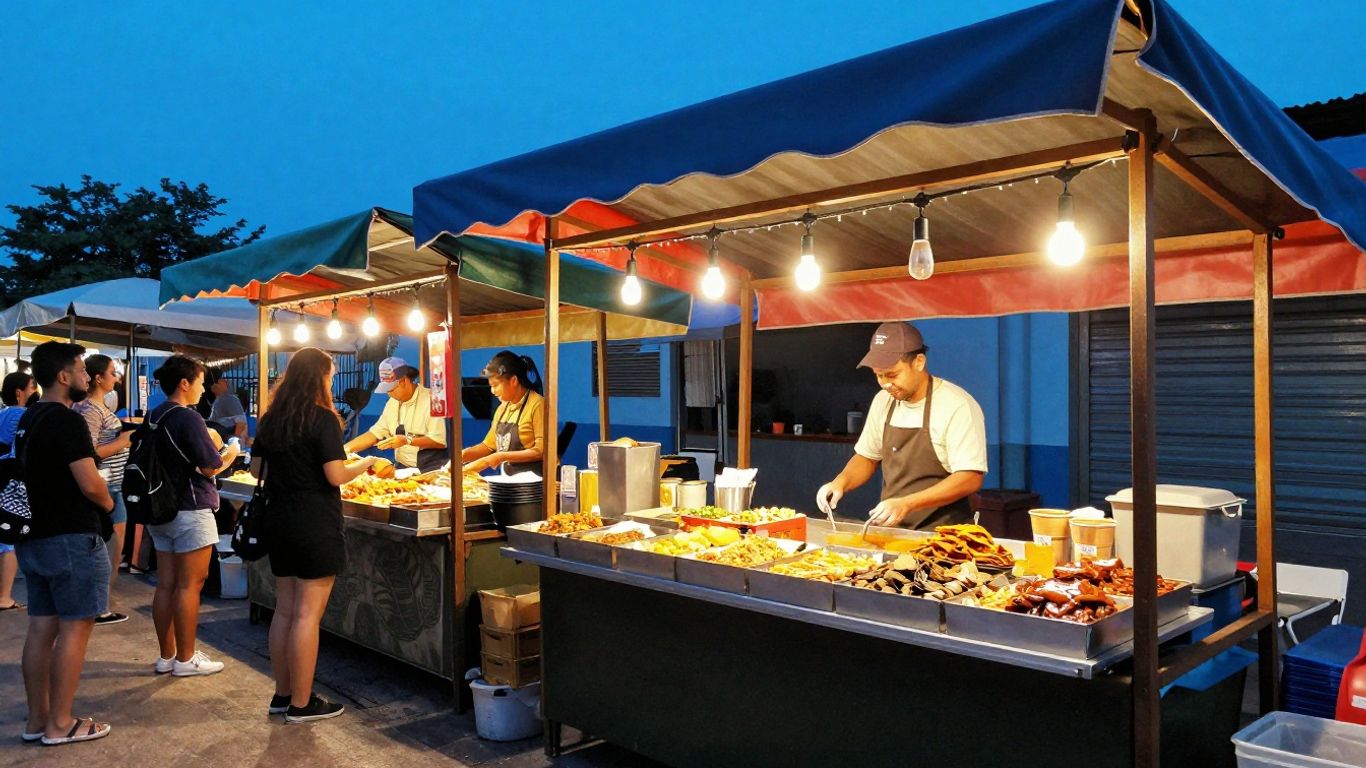
First impressions matter—your gazebo food stall is your stage. A good look isn’t just about standing out, it’s about getting customers to stop, feel at home, and keep coming back. Let’s get practical about how to build this up, bit by bit.
Branding and Signage for Visibility
-
Go bold with colours and a simple, memorable logo. Big, clear signs help people spot your stall from afar.
-
Position your main menu at eye level—no one likes squinting or searching for prices.
-
Chalkboards work well for daily specials. They’re cheap and easy to update.
-
Weatherproof your signs! Rainy days or wind can wipe out your work in minutes if you’re not careful.
-
If you’re at a regular market, match your gazebo’s look to your brand. Consistency builds a loyal following.
Creating an Inviting Customer Experience
-
Greet every customer. Sounds basic, but it works wonders.
-
Keep your queue clear and your counter clutter-free—makes it look professional and easy to approach.
-
Stick to one or two signature dishes. Too much choice slows everything down.
-
Use smells to your advantage. If you’re grilling or baking, aim your stall opener towards the crowd.
-
Offer samples if you can; it breaks the ice, and people love a free taste.
Good vibes and a friendly face do more for business than any fancy backdrop. Just be yourself, stay chatty, and treat every customer like they want to come back tomorrow.
Lighting for Ambiance and Functionality
-
Hang string lights around the roof. Simple, warm white bulbs are best—not too harsh, not too dim.
-
A small spotlight aimed at your main menu works better than you’d think, especially once evening hits.
-
Battery-powered lanterns are portable, safe, and avoid trailing wires—less risk for trips or accidents.
-
Consider clip-on lamps for working at night. Keeps your workspace bright without blinding your customers.
|
Lighting Type |
Pros |
Cons |
|---|---|---|
|
String lights |
Cosy, eye-catching |
Needs weatherproofing |
|
Battery lanterns |
Safe, portable |
Battery swap hassle |
|
Plug-in floodlight |
Super bright |
Needs power source |
|
Clip-on LED |
Easy to move, focused |
Can get knocked loose |
Stay practical: check batteries before every shift, use adhesive clips instead of nails (no damage to your gazebo), and keep a spare torch handy for pack-down after dark.
Don’t overthink it—if your stall’s easy to find, friendly to visit, and comfortable to hang around, you’re winning.
Sourcing and Managing Stock for Your Gazebo Food Stall
Nailing your supply chain and stock is what keeps your gazebo food stall ticking over smoothly. You want the freshest bites and solid profit—without piles of waste at the end of the day.
Supplier Relationships and Quality Ingredients
Good suppliers mean reliable products, less hassle, and fewer last-minute dashes to the shop.
-
Build a connection with local butchers, bakers, or wholesalers. They know your face and might give you better deals.
-
Set up a weekly order plan. Monday mornings, for example, mean fewer weekend mix-ups.
-
Always check delivery notes against your invoice; mistakes do creep in.
Keeping suppliers in the loop about your busy and quiet days can stop you running short or drowning in extra stock.
Inventory Management for Freshness
Here’s where you avoid mouldy buns and sad lettuce:
-
Label everything with delivery dates.
-
Use airtight containers for open packs—protects from pests and damp.
-
Rotate stock, “first in, first out” style, so nothing gets forgotten at the back.
|
Item Type |
Rotate Every |
Safe Storage Idea |
|---|---|---|
|
Fresh Bread |
Daily |
Sealed plastic tubs |
|
Raw Meat |
Daily |
Chilled cooler box |
|
Sauces/Open Jars |
Weekly |
Top fridge shelf |
|
Dry Spices |
Monthly |
Airtight organiser |
Safety Note: Stay strict with fridge checks. Chillers should hit 5°C or below.
Cost-Effective Sourcing Strategies
Shaving costs without cutting corners isn’t as hard as it sounds.
-
Shop smart: Buy bulk basics like flour or oil, but only what you’ll truly use before it spoils.
-
Use seasonal produce. Local veg is usually cheaper (and tastier anyway).
-
Don’t be afraid to negotiate a bundle discount if you grab meat and bread from the same place.
-
Try out end-of-day deals from local shops—sometimes the best bargains pop up just before closing.
Stock management isn’t glamorous, but get it right and you’ll boost your profits, impress with freshness, and make your life loads easier on those busy market mornings.
Operational Flow Within Your Gazebo Food Stall
The way you set up and run your gazebo stall will make or break your day. Rushed layout? Expect chaos and unhappy customers. Let’s sort your space for fewer headaches and more sales.
Optimising Workflow for Speed and Efficiency
Keep moving – don’t block yourself in.
Best steps:
-
Lay out zones: cooking, prep, serving, and clean-up—no overlap.
-
Put what you use most within arm’s reach (spatulas, sauces, wrap).
-
Use shelves up high for light stuff, and hooks for tools – floor space stays clear.
Here’s a simple workflow layout table:
|
Zone |
What Goes Here |
Quick Tips |
|---|---|---|
|
Cooking |
Grills, pans, utensils |
Nearest gas & wind-sheltered |
|
Prep |
Chopping boards, sauces |
Right next to cooking zone |
|
Serving |
Till, napkins, finishing plates |
Pointed outwards to customers |
|
Clean-up |
Bin, wipes, gloves |
Tucked in a corner |
Safety tip: always keep the fire extinguisher in plain sight, not under a counter.
Managing Customer Queues and Orders
A muddle at the front? Customers bail. Simple fixes:
-
Rope queue barriers – stop the scrum.
-
Menu easy to see from the back of the line.
-
A handwritten order pad works. Call out names or give ticket numbers.
-
Card-only? Sign it loud and clear.
Step-by-step:
-
Greet them quick with eye contact.
-
Take orders before they reach the hatch, if you can.
-
Repeat the order to avoid mix-ups.
Make the queue feel welcome, not ignored. Chat while they wait and keep them posted if it’s busy.
Staffing and Teamwork Essentials
Even with just two hands, plan like you’re a team. For bigger stalls:
-
Assign roles: one grills, one preps, one on the till.
-
Cross-train everyone on the basics in case someone needs a break.
-
Keep the talk friendly but keep it moving – shout out what you need, not long stories.
-
Brief staff each shift about fire safety and food allergies.
Team check-list:
-
Aprons clean and tidy
-
Everyone knows the menu
-
Emergency contacts posted clearly
Fewer blunders, less drama. That’s how you smash a busy weekend market with your gazebo food stall.
Wrapping Up: Your Gazebo Food Stall Adventure Awaits
So, there you have it – setting up the perfect gazebo food stall isn’t just a pipe dream. With a bit of planning, the right kit, and a dash of patience, you can turn that idea in your head into a real, working food stall. Remember, it’s not about having the fanciest gear or the biggest budget. It’s about making smart choices, following UK safety rules, and creating a space where people want to stop, eat, and chat. Don’t stress if things aren’t perfect from day one – everyone starts somewhere, and you’ll learn loads as you go. If you’re ever stuck or need advice on equipment, MobCater’s always happy to help. Now, get out there, fire up the grill (or fryer, or coffee machine), and start serving up something special. Good luck, and enjoy the ride!
Frequently Asked Questions
What’s the best kind of gazebo for a food stall?
Think about what you’ll be selling! For hot food, you’ll need good ventilation, so maybe one with open sides or a sturdy roof that lets steam escape. If you’re selling cold drinks, something that offers good shade is key. Check the size too – make sure there’s enough room for your equipment and for customers to queue without bumping into things.
What gear do I absolutely need to start?
It really depends on your menu! But generally, you’ll need a reliable cooking appliance like a grill or fryer, a way to keep things cold (like a small fridge or cool box), a prep surface for chopping and assembling, and somewhere to store your utensils and ingredients safely. Don’t forget things like a water source for cleaning and maybe a small generator if you’re not near a power outlet.
Are there any special rules for selling food from a gazebo in the UK?
Yep, there are! You’ll need to make sure you’re following UK food safety rules. This means keeping things clean, storing food properly, and making sure your cooking equipment is safe to use, especially if you’re using gas. It’s a good idea to check with your local council too, as they might have specific rules for street food vendors.
How do I make my gazebo food stall look inviting?
First impressions count! Get a clear, eye-catching sign with your stall’s name and what you sell. Think about lighting too – fairy lights can make it look cosy in the evening. Keep the area tidy and maybe add a few plants or decorations to make it feel welcoming. A friendly smile goes a long way too!
How much food should I stock?
It’s a bit of a balancing act. You want enough to keep up with demand, especially if you get busy, but not so much that you end up with loads of wasted food. Keep an eye on what sells best and try to predict busy periods. Ordering smaller amounts more often can be a good strategy to start with.
How can I make serving customers quicker?
Think about how you move around inside your gazebo. Can you set up your cooking, prep, and serving areas so you’re not constantly bumping into yourself? Having everything you need within easy reach is a game-changer. Also, clear ordering signs and maybe a simple ordering system can help speed things up.