Gas Powered Coffee Machines for Coffee Vans


Starting a coffee van is an exciting way to build a business, but one of the first things to consider is how you will power your espresso machine. While electric machines are common in cafés, many mobile coffee operators choose gas powered coffee machines because they offer far more flexibility. By running the boiler on LPG gas, these machines reduce the electrical load on your generator and allow you to trade in locations where mains power may not be available.
When selecting a coffee machine for a mobile setup, it needs to be compact, reliable and capable of handling busy periods. Equipment used in coffee vans and trailers must be durable enough for daily use and transportation between locations. Capacity, ease of cleaning, and access to parts and servicing are all important factors when choosing the right machine for a mobile coffee business.
Many modern machines used in coffee vans are dual fuel, meaning they can run on gas or electricity depending on the situation. This gives operators the flexibility to work at events, markets, roadside locations or fixed pitches while maintaining consistent temperature, steam pressure and coffee quality throughout the day.
Understanding Gas Powered Coffee Machines
The Advantages of Gas for Mobile Coffee
When you’re running a coffee van, power can be a tricky thing. You’re not always near a plug socket, and relying on a generator can be noisy and sometimes unreliable. That’s where gas-powered coffee machines really shine. They offer a way to make great coffee without being tied to the grid. This independence is a huge deal for mobile businesses. You can set up shop pretty much anywhere, from a busy street corner to a remote festival site, and still serve up hot, delicious espresso. It means more flexibility in where you can trade and less hassle with power cords and noisy generators.
Key Features of Gas Coffee Machines
Gas coffee machines are built tough for life on the road. They’ve got powerful gas burners that heat things up fast, making sure you have plenty of steam and hot water, even during those super busy rushes. You don’t have to worry about losing pressure when multiple customers are ordering at once. These machines are designed to keep up. They often use commercial-grade components, meaning they’re made to last and handle the daily grind of a busy coffee van. Plus, many of them are dual fuel, meaning they can run on gas or electricity, giving you options depending on your setup.
Here’s a quick look at what makes them tick:
-
Powerful Heating: High-output gas burners provide consistent heat for brewing and steaming.
-
Robust Construction: Built with durable materials to withstand the vibrations and demands of mobile use.
-
Independent Operation: Ability to function off-grid, without needing a constant electrical hookup.
-
High Volume Output: Designed to handle continuous service during peak times.
Off-Grid Operation Capabilities
One of the biggest draws of a gas coffee machine for a van is its ability to operate completely off-grid. This means you can ditch the reliance on external power sources. The machine itself runs on gas, but some internal components, like the pump and control systems, might need a small amount of electricity. This is usually a low power draw, easily managed by a 12v battery and an inverter. So, you can have a fully functional, professional espresso setup running anywhere, from a remote campsite to a bustling farmers market, without needing to plug into anything.
Running a coffee van means you need equipment that’s as mobile as you are. Gas machines offer that freedom, letting you serve quality coffee without being tethered to a power outlet. It’s about making your business work for you, wherever the road takes you.
Choosing the Right Gas Coffee Machine
Machine Size and Footprint Considerations
When you’re outfitting a coffee van, space is always at a premium. You’ve got to fit in the machine, grinder, water tanks, waste bins, and still have room to actually work. So, the size of your gas coffee machine is a big deal. Think about the counter space you have available. Do you need a compact, single-group machine that tucks neatly into a corner, or can you accommodate a larger, twin-group unit that can handle more volume? It’s all about balancing your brewing needs with the physical limitations of your mobile setup.
Capacity for High-Volume Service
Your coffee van’s success often hinges on how quickly you can serve customers, especially during peak hours. A machine that can’t keep up will lead to long queues and unhappy patrons. Consider how many drinks you anticipate making per hour. Some gas machines are built for serious output, with multiple groups and powerful boilers that can handle back-to-back orders without a dip in performance. Others are more suited for a slower pace. Look at the machine’s group heads – more groups generally mean more drinks can be made simultaneously. Also, check the boiler size; a larger boiler means more hot water and steam available for milk steaming and brewing.
Durability for Mobile Environments
Coffee vans take a beating. They’re constantly on the move, dealing with vibrations, bumps, and the general wear and tear of being a mobile business. Your coffee machine needs to be tough. Look for machines built with robust materials, like stainless steel, and components designed to withstand movement. Some manufacturers specifically mention vibration-resistant parts or secure mounting options, which are huge pluses for a van setup. You don’t want a machine that’s going to fall apart after a few months on the road. Reliability is key when you’re miles away from the nearest repair shop.
Here’s a quick rundown of what to look for:
-
Construction Material: Stainless steel is generally a good bet for durability and ease of cleaning.
-
Component Quality: Commercial-grade parts are built to last under heavy use.
-
Mounting Options: Does it have features to secure it firmly in place during transit?
-
Vibration Resistance: Some machines are specifically engineered to handle the bumps of the road.
Choosing a machine that’s built for the rigors of mobile service means fewer headaches down the line. It’s an investment in your business’s ability to keep serving great coffee, day in and day out, no matter where you park.
Installation and Safety Requirements
Getting your gas-powered coffee machine set up right is super important, not just for making great coffee, but for keeping everyone safe. Think of it like setting up any other gas appliance in your home, but with the added challenge of doing it in a moving vehicle. You can’t just wing this part.
Certified Gas Installation Professionals
First things first, you absolutely need to hire someone who knows their stuff when it comes to gas. This isn’t a DIY job. Look for engineers who are certified for commercial gas installations, especially those familiar with propane or LPG systems. They’ll make sure all the connections are leak-free and that the setup meets all the local regulations. Getting this certification is non-negotiable for your safety and for legal operation. They’ll check things like ventilation, gas line pressure, and the overall integrity of the system.
Essential Local Purchase Components
While your coffee machine might come with some parts, you’ll likely need to pick up a few other bits and pieces locally to get everything hooked up. This usually includes:
-
High-pressure hose: Make sure it’s rated for the type of gas you’re using and the pressure involved.
-
Gas bottle: You’ll need the right size and type of propane or LPG tank. Consider how you’ll secure it safely in your van.
-
Pressure regulator: This is key for controlling the gas flow to your machine, keeping it consistent and safe.
-
Fresh water tank: Unless you’re connecting directly to a mains supply (which is rare in a van), you’ll need a tank for your brewing water.
Powering Auxiliary Systems
Even though your coffee machine runs on gas, other parts of your setup will need electricity. This could be your water pump, grinder, lights, or even a small fridge. You’ll need a reliable power source for these. Often, this means:
-
Vehicle battery: You can tap into your van’s main battery, but be careful not to drain it completely.
-
Leisure battery: A separate, deep-cycle battery (like an AGM type) is a better option for powering accessories. Aim for at least 120Ah for a decent amount of run time.
-
Inverter: If you have any 120V appliances, you’ll need an inverter to convert the DC power from your batteries to AC power.
Proper installation means thinking about the whole system, not just the coffee machine itself. How will your water pump get power? Where will your gas bottle be stored safely? What kind of ventilation do you need? Answering these questions upfront saves a lot of headaches later on. It’s all about creating a safe, functional, and efficient workspace on wheels.
Here’s a quick look at some typical specs you might see, though always check your specific machine’s manual:
|
Component |
Typical Rating |
|---|---|
|
Gas Burner Rating |
2.7kW – 7kW |
|
Electric Element |
350W – 50W |
|
Boiler Capacity |
7L – 20L |
|
Recommended Battery |
120Ah Leisure Battery |
Remember, these are just examples. Your installer will confirm the exact requirements based on your chosen machine and local codes.
Performance and Reliability
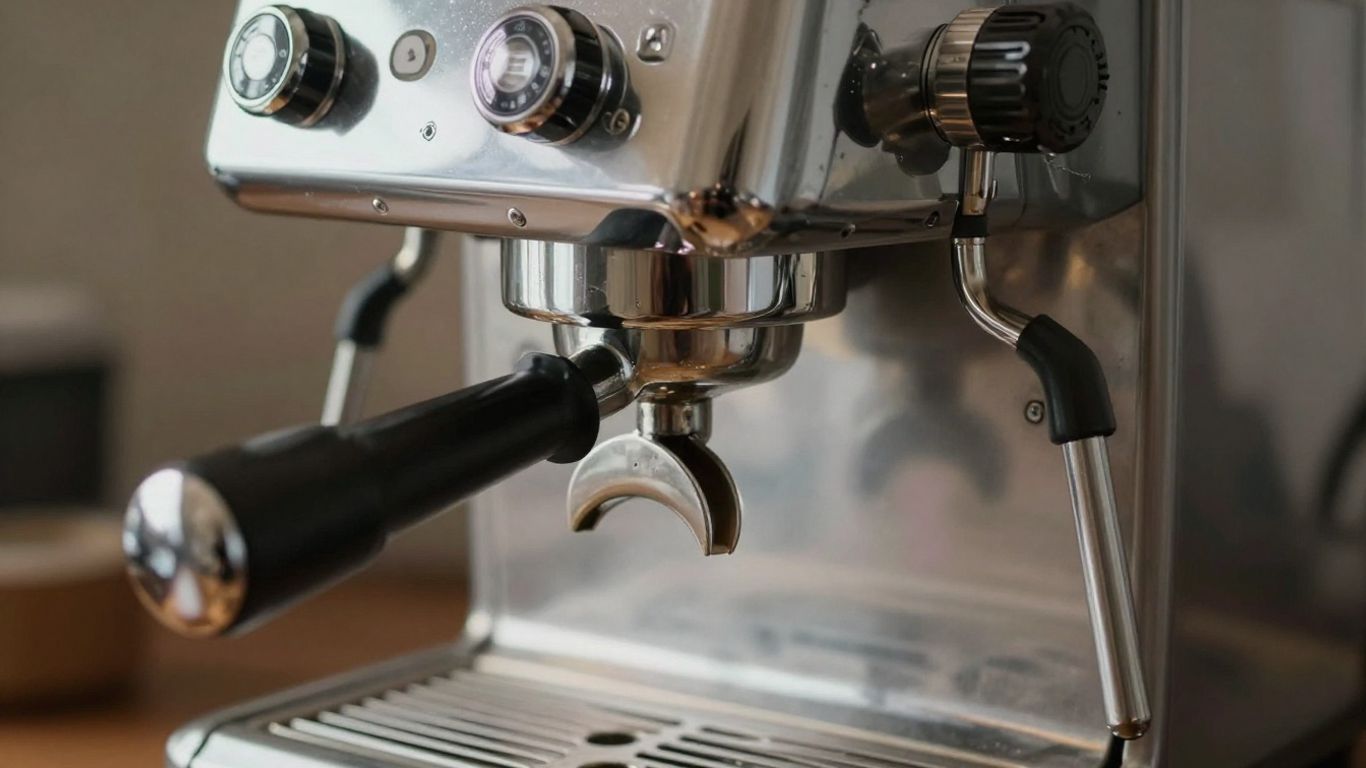
When you’re out there serving coffee from a van, the last thing you want is a machine that can’t keep up. You need something that’s built tough and works right, every single time. Gas-powered coffee machines are designed for this kind of demanding work. They’re made to handle the bumps of the road and the rush of a busy service.
Consistent Heat and Pressure
One of the biggest wins with gas is how it handles heat. Unlike electric machines that can sometimes struggle with power fluctuations, especially when running other equipment, gas provides a steady, powerful heat source. This means your boiler stays at the right temperature, and you get that consistent 9 bars of pressure needed for a perfect espresso shot, no matter how many coffees you’re pulling back-to-back.
Here’s a quick look at what that means for your output:
-
Stable Boiler Temperature: Gas keeps the water hot and ready, reducing wait times between drinks.
-
Reliable Brew Pressure: You get that crucial 9 bars for optimal extraction, shot after shot.
-
Faster Heat-Up: Gas often heats the boiler quicker than electric elements, getting you ready to serve faster.
Commercial-Grade Components
These machines aren’t built like your average home appliance. They use heavy-duty parts, often made from stainless steel, that can take a beating. Think robust boilers, sturdy group heads, and durable valves. This commercial-grade construction is what makes them reliable for daily use in a mobile setting. They’re made to last, even with constant vibration and movement.
Energy Efficiency for Long Days
While gas is powerful, it’s also surprisingly efficient for what it does. When you’re parked up and serving a long line of customers, you don’t want to be constantly worried about your fuel or power source running out. Gas systems are generally very good at providing a lot of heat for a long time from a single tank. This means you can focus on making great coffee, not on managing your energy.
Running a coffee van means you’re often away from a reliable power grid. Gas machines give you that freedom. They’re built to perform consistently, whether you’re at a farmer’s market or a remote event. The key is that they provide the stable heat and pressure needed for quality espresso, without being tied to an electrical outlet.
|
Feature |
Gas Machine Benefit |
|---|---|
|
Heat Source |
Steady, powerful heat for consistent temperature |
|
Pressure |
Reliable 9 bars for optimal espresso extraction |
|
Component Quality |
Heavy-duty, commercial-grade parts for longevity |
|
Operational Freedom |
Less reliance on external power sources, good for off-grid |
|
Service Capacity |
Can handle high volumes without performance dips |
Dual Fuel Flexibility
Gas and Electric Compatibility
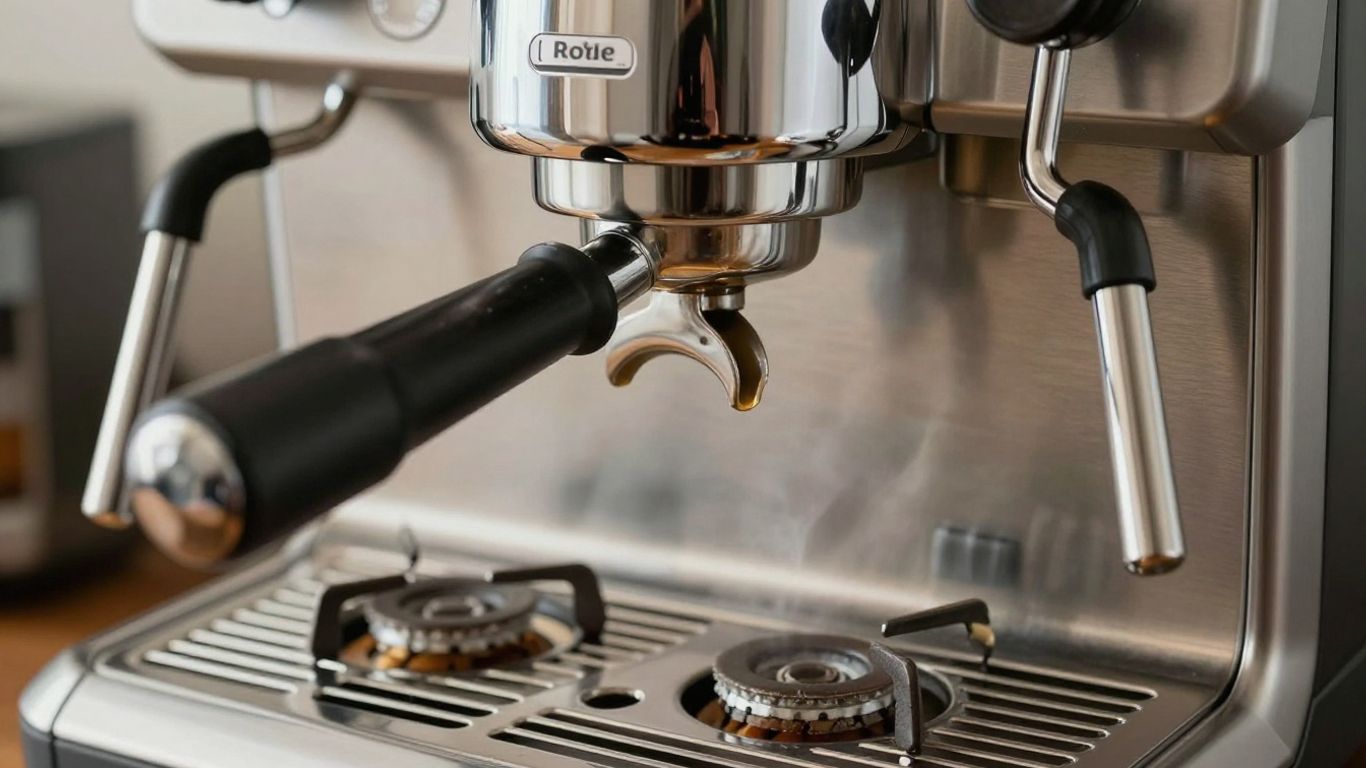
When you’re running a coffee van, things can get unpredictable. You might be at a farmer’s market with access to a power outlet, or you could be parked up at a remote event with no electricity in sight. That’s where dual fuel coffee machines really shine. These machines are built to run on either gas (like LPG or butane) or electricity. This means you’re not tied down to one power source. You can switch between them depending on what’s available, giving you a lot more freedom in where you can set up shop.
Adapting to Power Availability
Think about it: if you’re at a festival and the generator you were relying on suddenly conks out, or if your usual power hookup isn’t working, you don’t have to pack up and go home. With a dual fuel machine, you can just flip a switch (or a valve, depending on the setup) and switch over to gas. The best part is that many of these machines are designed so that the gas burners provide power comparable to their electric elements. This means you won’t see a drop in performance, like losing steam pressure, even when you’re slammed with orders. It’s like having a backup plan built right in.
Unrivaled Mobility Options
This flexibility is a game-changer for mobile coffee businesses. It opens up so many more locations and events you can cater to. You’re not limited to places with a reliable electrical supply. Plus, the gas systems often have a very low electrical draw for things like the pump and ignition. This means you can even run them completely off-grid using a battery and an inverter, which is pretty neat.
Here’s a quick look at what makes them so adaptable:
-
Power Source Versatility: Runs on LPG, butane, or standard electricity.
-
Consistent Performance: Gas burners match electric power output to maintain steam pressure.
-
Off-Grid Capability: Low electrical needs allow for battery and inverter operation.
-
Location Freedom: Serve great coffee anywhere, regardless of power availability.
The ability to switch between gas and electric power means your coffee van can operate in virtually any location, ensuring you never miss an opportunity to serve your customers. This adaptability is key to maximizing your business’s reach and revenue potential.
Some machines even offer different configurations, like:
-
1-Group Models: Great for smaller setups or lower volume needs.
-
2-Group Models: Suitable for busier spots with higher demand.
-
3-Group Models: For the busiest mobile operations that need maximum output.
Wrapping It Up
So, if you’re thinking about starting a coffee van or upgrading your current setup, gas-powered machines are definitely worth a look. They give you the freedom to set up shop just about anywhere, without always needing a power hookup. Plus, they’re built tough for the road and can keep up with busy rushes. It’s a solid choice for anyone serious about serving great coffee on the move. Just make sure you get it installed right, and you’ll be brewing up a storm in no time.
Frequently Asked Questions
Are gas coffee machines safe to use in a food truck?
Yes, absolutely! Our gas-powered coffee machines are built with safety in mind and are approved for use in mobile setups like food trucks. They need to be installed by a certified professional to make sure everything is hooked up correctly and safely.
What’s the main difference between a gas and an electric coffee machine for my van?
Think of it this way: gas machines are fantastic if you’re often parked in places without easy access to electricity, like at remote events or markets. Electric machines work great when you have a reliable power source, like a generator or a hookup at a venue.
Can I power my coffee machine using a generator?
Definitely! Many of our electric coffee machines can be plugged into a generator. Just make sure the generator is powerful enough for the machine’s needs, and it’s usually a good idea to have one that’s a bit stronger than you think you’ll need, just to be safe.
Do these machines work well in a busy coffee van?
Yes, they are designed for that! These machines are built tough with strong parts to handle the bumps of the road and constant use. They’re made to keep making great coffee even when things get hectic during peak hours.
How do I set up the gas system for my coffee machine?
You’ll need to get a few things locally, like the gas hose, a pressure regulator, and a gas bottle. It’s really important to have a certified gas expert install the whole setup to meet all the safety rules.
What does ‘dual fuel’ mean for a coffee machine?
Dual fuel means the machine can run on either gas or electricity. This gives you a lot of freedom! You can use gas when you’re off the grid and switch to electric if you find a power source, making your coffee van super flexible.