Dual Fuel Espresso Machines for Coffee Vans


So, you’re thinking about getting a coffee van, that’s pretty cool. And you’re looking at espresso machines, right? Well, have you considered a dual fuel espresso machine? They’re a bit different from the usual ones you see in cafes. Basically, they can run on either gas or electricity, which is a big deal when you’re out and about. This article is going to break down what you need to know about them, especially if you’re planning on serving up great coffee from a van.
Key Takeaways
-
A dual fuel espresso machine gives you the flexibility to use either gas (like LPG) or electricity, making it ideal for mobile coffee setups where power sources can be unpredictable.
-
These machines are built tough to handle the bumps and shakes of being transported in a van, ensuring they keep working reliably.
-
You’ll want to think about the size of the machine, how much coffee it can make at once, and its power needs, especially when running on gas.
-
Consider your water supply; most mobile machines use reservoirs, and you’ll need a way to refill them with clean water.
-
Manufacturers like Fracino offer specific dual fuel models designed for mobile use, often boasting powerful gas burners that match electric performance.
Understanding Dual Fuel Espresso Machines
The Versatility of Dual Fuel
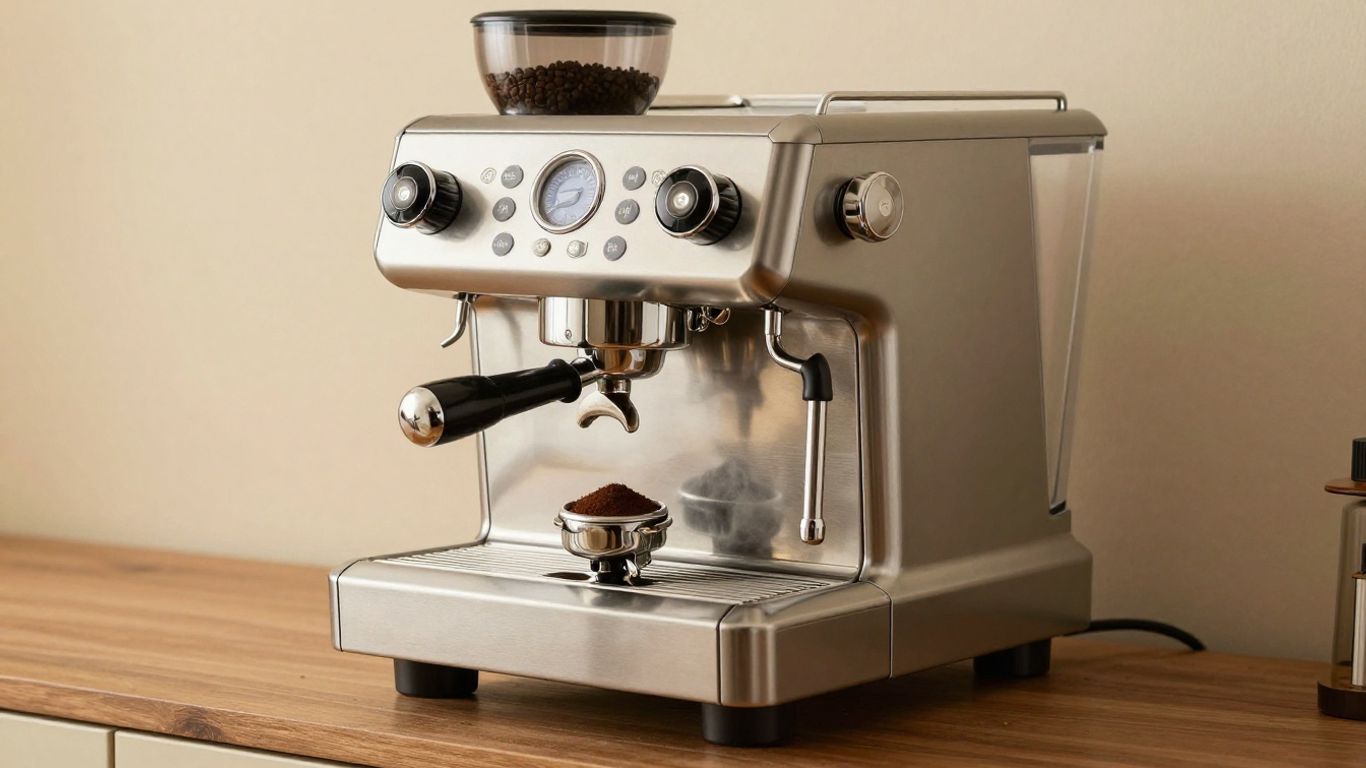
So, you’re thinking about setting up a coffee van, eh? It’s a great idea, but one of the first big decisions you’ll face is how to power your espresso machine. That’s where dual fuel machines really shine. They give you the freedom to choose between gas (usually LPG) and electricity, meaning you’re not tied to a specific power source. This is a game-changer for mobile operations. Imagine you’re at a remote festival or a busy market; you might have access to mains electricity, or you might not. With a dual fuel setup, you’ve got options. It’s all about making sure you can serve that perfect cuppa, no matter where your van is parked.
Powering Your Mobile Operation
When you’re running a coffee van, power is everything. You need enough juice to heat the boiler, run the pump, and maybe even power a grinder. Traditional electric machines can be power-hungry, often needing a hefty generator. Gas, on the other hand, is brilliant for heating, providing serious power without draining your electrical reserves. A dual fuel machine lets you use the best of both worlds. You can often use gas for the main heating needs, which is really efficient, and then a small amount of electricity for things like the pump and control panel. This low electrical draw means you can often run it off a relatively small battery and inverter setup, which is much quieter and more fuel-efficient than a big generator.
Key Features for Coffee Vans
When looking at dual fuel machines for your van, keep a few things in mind:
-
Boiler Size: You’ll want a decent-sized boiler to keep up with demand, especially during busy spells. A larger boiler means more steam and hot water available without the temperature dropping.
-
Heating Power: The gas burner needs to be powerful enough to heat the water quickly and maintain temperature. Some manufacturers claim their gas systems are the most powerful available, which is good to know for those rush periods.
-
Electrical Requirements: Check the wattage needed for the pump and electronics. This will dictate the size of your battery and inverter if you’re going off-grid.
-
Water System: Most machines will need a pressurised water supply. For a van, this usually means a pump system connected to water containers.
Running a coffee van means you’re constantly adapting to different locations and power availability. A dual fuel machine isn’t just a piece of equipment; it’s a flexible solution that lets you focus on making great coffee, not worrying about where your next bit of power is coming from.
Choosing the Right Dual Fuel Espresso Machine
Picking a dual fuel espresso machine for your coffee van is not as straightforward as just grabbing the first one that looks shiny or boasts a big boiler. There are a few different specs and features to weigh up, depending on the kind of van you operate and the daily grind (pun intended!) you expect. A smart choice here keeps your service smooth and customers happy, while a poor choice can lead to headaches on the road.
Machine Size and Capacity
Size really does matter when you’re cramming equipment into a mobile setup. You don’t want something that’ll hog all your workspace, nor do you want to be stuck with a machine that can’t keep up.
-
Footprint: Measure your counter space and leave room for steam.
-
Cup Output: How many drinks will you churn out on your busiest day? Single group machines do fine for 50 drinks or less, but if you’re expecting long queues, a dual group is a safer bet.
-
Weight: Lighter machines (around 18-35kg dry) are easier to move and cause less hassle during van set-up and break-down.
|
Machine Type |
Boiler Size |
Ideal For Drinks/Session |
Approx. Weight |
|---|---|---|---|
|
Single group / Small |
1.8–2.5L |
Up to 50 |
18–25kg |
|
Two group / Medium |
4–5L |
50–120 |
25–35kg |
|
High volume |
10L+ |
100+ |
45kg+ |
Take a second to imagine running out of steam (literally) halfway through the morning rush—avoid this by picking a machine that matches your busiest periods, not your quietest days.
Boiler and Heating Systems
Let’s talk guts. The wrong boiler setup means you’ll spend more time waiting and less time making coffee.
-
Single Boiler: Fine for occasional use—prepare for pauses between brewing and steaming.
-
Heat Exchanger: Allows simultaneous brewing and steaming, good for mid-range demand.
-
Dual Boiler: Handles serious volume. Two boilers means near-unlimited milk and espresso at once, but bulkier and thirstier for power.
Boiler choice impacts everything: heat-up time, output speed, and how flaky your pressure or temperature gets under a rush.
Power Requirements and Gas Options
What makes dual fuel genuinely useful for vans is flexibility. Not every pitch comes with power hookups, and sometimes you’re relying on bottled gas.
-
Electric: Standard is UK 240V, but machines draw anywhere between 1,200W to over 5,000W. Check your van’s generator or battery system before buying.
-
Gas: LPG let’s you operate almost anywhere, but make sure your machine is certified for safe mobile gas use and easy to swap bottles.
-
Switching Between Fuels: Being able to swap from mains to gas, or gas to generator, is the whole point—make sure it’s straightforward and quick.
|
Energy Source |
Typical Wattage |
Good For |
Downsides |
|---|---|---|---|
|
Electric |
1200–5500W |
Plugged-in events |
Relies on good supply |
|
Gas |
– |
Off-grid, outdoors |
Needs safe ventilation |
-
Have a backup for each fuel type (spare gas, extra cables).
-
Check all regs for food vans—UK rules often need certified gas safety checks.
-
Think about noise: generators are a last resort, as they can be loud and smelly.
The happiest coffee van owners are the ones who seldom worry about power or running dry halfway through a festival—make flexibility your priority, and you’ll spend more time serving coffee, less time troubleshooting.
Operational Considerations for Mobile Use
Running an espresso machine from a van or cart means you’re dealing with a few more things than a brick-and-mortar cafe. It’s not just about the coffee; it’s about making sure everything else works smoothly on the move.
Water Supply and Management
Water is obviously a big one for making coffee, but it’s also key for keeping your machine in good nick. Most mobile machines have a built-in tank, but these can be pretty small. You’ll need to figure out how much water you’ll use for drinks and cleaning, and then plan for refills. Carrying extra filtered water in food-safe containers is a good idea. Using filtered water is non-negotiable; it stops scale build-up and makes your coffee taste better. The ideal water has between 75 and 150 ppm of dissolved solids.
Here’s a rough idea of water usage:
|
Drink Type |
Estimated Water per Drink (mL) |
Notes |
|---|---|---|
|
Espresso |
36 |
For the shot itself |
|
Milk-Based Drink |
~150 |
Includes steam, waste, rinsing |
Electrical Needs for Gas Operation
Even when you’re running on gas, your espresso machine and other bits still need electricity. Think about your grinder, lights, and any pumps. You’ll need a generator that can handle the combined wattage. A good rule of thumb is to get a generator with a bit more power than your total maximum draw, to account for startup surges. Inverter generators are popular because they’re quiet and provide clean power, which is better for electronics. If you can get access to mains power (‘shore power’) at a location, always use it – it saves on generator fuel and maintenance.
Durability and Transport Vibration
Coffee vans get shaken about! Your espresso machine needs to be built tough. Look for machines designed for mobile use, which often means they have more robust components and secure fittings. Vibration can loosen things over time, so regular checks are important. Some operators even add extra padding or secure mounting systems to protect their equipment during transit. It’s worth considering how well the machine will hold up to the bumps and shakes of daily travel.
When you’re out on the road, your equipment is constantly being tested. Things that might be fine in a static shop can become a problem when they’re being jolted around. It’s all about choosing gear that’s up to the task and taking steps to protect it.
If you’re looking for reliable power solutions for your mobile setup, portable power stations are worth a look. They require minimal maintenance compared to fuel generators and offer a convenient way to power your coffee cart.
Benefits of a Dual Fuel Espresso Machine
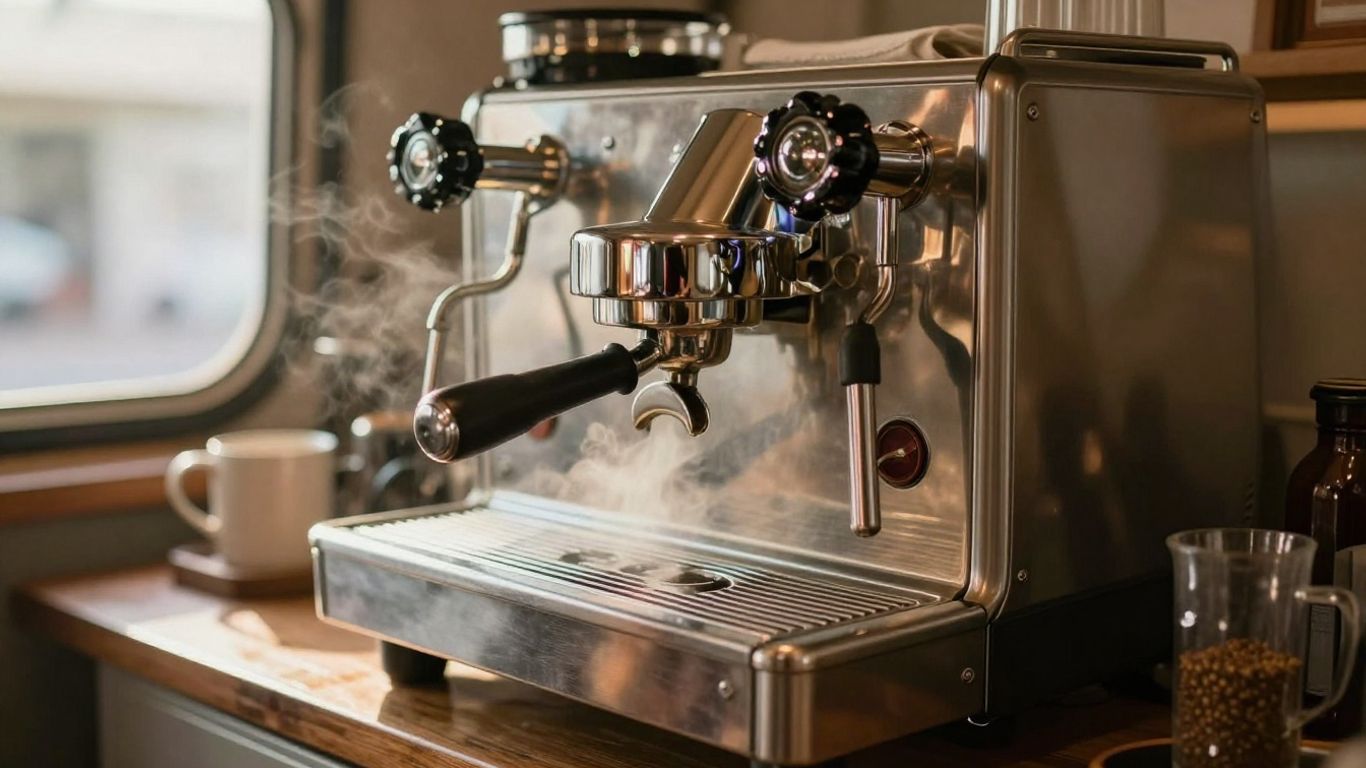
So, why bother with a dual fuel machine for your coffee van? It really boils down to having your cake and eating it too, especially when you’re out and about. The biggest win is the sheer freedom it gives you. You’re not tied to a specific power source, which is a game-changer for mobile operations.
Unrivalled Flexibility and Mobility
Imagine this: you’ve got a pitch at a farmer’s market one day, and a private event in a remote spot the next. With a dual fuel machine, you can switch between gas and electric power depending on what’s available or most convenient. If you’re at a festival with limited electrical hook-ups, you can run off gas. If you’re parked up somewhere with a good power supply, you can switch to electric. This means you can serve great coffee pretty much anywhere.
-
Gas Power: Ideal for off-grid locations or when you need a quick, powerful heat source. LPG or propane tanks are common.
-
Electric Power: Great for sites with access to mains electricity, often more convenient for setup.
-
Combined Use: Some setups might even use gas for primary heating and electric for the pump, offering a balanced approach.
High Volume Output for Busy Periods
When you’re in the thick of it, with a queue stretching down the street, your machine needs to keep up. Dual fuel machines, particularly those with larger boilers and powerful gas burners, can handle this. They often have robust heating systems that can recover quickly, meaning you can steam milk and pull shots back-to-back without a significant drop in performance. This is vital for maintaining speed and quality during peak times.
The ability to switch power sources also means you can manage your energy consumption more effectively. If you’re running low on gas, you can switch to electric if available, or vice versa, preventing any unexpected downtime. It’s about having a backup plan built right into your core equipment.
Serving Coffee Anywhere
Ultimately, this all adds up to one thing: you can serve fantastic coffee wherever the demand is. Whether it’s a bustling city centre, a quiet countryside wedding, or a sporting event, your dual fuel machine gives you the confidence to set up shop and deliver. It opens up more opportunities and reduces the limitations that come with single-power-source equipment. You’re not just selling coffee; you’re selling the experience of quality coffee, no matter the location.
Leading Dual Fuel Espresso Machine Manufacturers
Fracino’s Dual Fuel Range
When you’re looking at dual fuel espresso machines, Fracino really stands out. They’ve been making coffee machines in the UK for ages, and their dual fuel models are built tough for mobile use. These machines are designed to keep up, even when things get really busy. They use LPG, butane, or electricity, giving you loads of flexibility wherever you set up shop.
Fracino machines are known for their robust construction and high-volume output.
Here’s a quick look at what makes them a top choice:
-
Large Copper Boilers: Think 10.5 litres on some models, which means plenty of steam and hot water, even during peak times. This helps keep your espresso extraction spot on.
-
Thermosyphonic Heating: This system keeps the group heads at the perfect temperature, so every shot of espresso is consistent.
-
Dual Steam Wands: Need to steam milk for a latte and a flat white at the same time? No problem. Plus, there’s a separate hot water outlet for teas or Americanos.
-
Powerful Gas Burners: Fracino claims their gas burners are the most powerful in the world, equivalent to their electric counterparts. This means you won’t lose steam pressure when you’re serving a lot of customers.
For mobile catering units, these machines are a solid bet. They can run off a 12v battery and inverter, meaning you can operate completely off-grid if you need to. You’ll still need a pressurised water supply, though, so consider a system like the FloJet pump if you’re using portable water containers.
Exploring Other Brands
While Fracino is a big name, it’s worth knowing there are other manufacturers out there who also offer dual fuel options. Some brands might focus more on specific features, like a smaller footprint for tighter spaces, or perhaps a more advanced electronic control panel. It really depends on what your specific needs are for your coffee van. You might find machines with different boiler sizes or group head configurations. Some might be better suited for a lower volume of sales, while others are built for serious throughput. It’s always a good idea to compare the specs, like boiler capacity and power output, to see what fits your business best. For instance, if you’re just starting out and don’t expect massive queues, a smaller, more compact machine might be the way to go. On the other hand, if you’re planning to be at major events, you’ll want something that can handle the rush. Remember to check out reviews and see what other mobile baristas are saying about their experiences with different brands.
UK Manufacturing Excellence
It’s great that we have manufacturers like Fracino right here in the UK producing these high-quality dual fuel machines. There’s a certain pride in using equipment that’s built locally, and it often means better support and easier access to parts if you ever need them. The focus on building machines specifically for mobile use, like for coffee vans, shows a real understanding of the challenges faced by mobile caterers. They’re designed to be durable enough to handle the vibrations of travel and flexible enough to run on different power sources. This commitment to quality and practicality is what makes UK-manufactured equipment a strong contender for anyone serious about their mobile coffee business. You can find some excellent options for campervan adventures, like the Aeropress Coffee and Espresso Maker, but for a commercial setup, a robust dual fuel machine is often the way to go.
When choosing a dual fuel machine, think about the total power draw, especially if you’re running other equipment off the same power source. It’s easy to get caught up in the espresso machine’s specs, but don’t forget about your grinder, fridge, and any lighting you might have.
So, What’s the Verdict?
Right then, after all that chat about coffee vans and machines, it seems pretty clear that if you’re serious about serving up great coffee on the move, a dual fuel espresso machine is a really solid choice. They give you that freedom to set up shop pretty much anywhere, whether you’ve got a plug socket handy or you’re out in the sticks. It means you’re not tied down and can chase those events and locations where the customers are. While they might seem like a bit of an investment upfront, the flexibility they offer really does make sense for anyone looking to make a living from their coffee van. It’s all about being able to keep the coffee flowing, no matter where your van takes you.