Dual Fuel Coffee Machines for Mobile Catering Vans


If you’re running a coffee van, you know how important it is to have reliable equipment. Powering your setup can be a challenge, especially when you’re out and about. That’s where a dual fuel coffee machine comes in handy. It gives you the flexibility to switch between gas and electricity, meaning you can keep serving those much-needed coffees no matter where you are or what power source is available. Let’s look into what makes these machines so good for mobile catering.
Key Takeaways
-
A dual fuel coffee machine lets you use either gas (like LPG) or electricity, giving you flexibility for mobile setups.
-
These machines are great for catering vans because they can operate off-grid using gas and a battery, so you’re not tied to a power source.
-
Look for machines with good build quality, the right size for your van, and controls that suit how you work.
-
Proper installation, especially for the gas side, is vital for safety and performance. Regular cleaning keeps it running well.
-
Dual fuel machines can handle busy periods, producing lots of coffee and steam without losing pressure, thanks to their powerful heating.
Understanding Dual Fuel Coffee Machines
What is a Dual Fuel Coffee Machine?
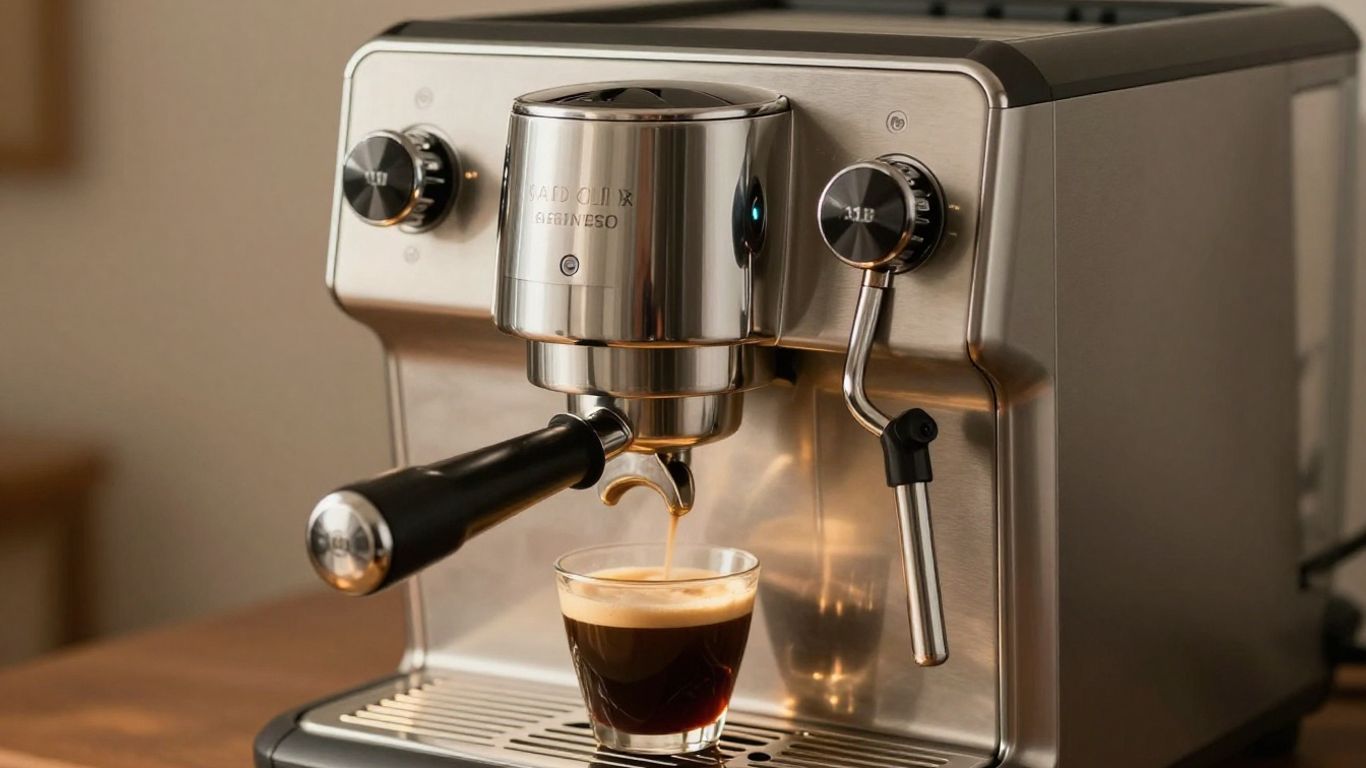
A dual fuel coffee machine is built to run using both gas (usually LPG) and electricity. This means if you’re parked up at an event and there’s no plug socket nearby—or power costs are getting out of hand—you can still brew coffee to the same high standard. The machine lets you quickly swap between energy sources depending on what’s available. This flexibility makes dual fuel machines a solid choice for mobile catering vans.
-
Uses both gas and electric power
-
Suitable for on-grid and off-grid catering setups
-
Maintains brew quality regardless of energy source
Switching between gas and electric power is straightforward, giving you less to worry about on busy days.
Benefits for Mobile Catering
Running a mobile coffee setup isn’t just about making flat whites all day. You have to deal with limited space, changing locations, and keeping everything powered up. Having a dual fuel machine gives you a few key advantages:
-
Keeps coffee flowing even if your electrical supply is unreliable
-
Cuts running costs by letting you choose the cheapest power option
-
Ideal for festivals, markets, or anywhere a generator is used (power needs guide)
-
Reduces downtime—if one supply fails, you’re not out of action
Key Features to Consider
Looking at dual fuel machines for your mobile coffee van? Here’s what to keep in mind so you don’t end up regretting your investment later:
|
Feature |
Why It Matters |
|---|---|
|
Boiler Capacity |
Influences how many drinks you can serve at once. |
|
Gas Burner Strength |
Affects how quickly you can steam milk. |
|
Power Consumption |
Important for battery or generator use. |
|
Group Heads |
More heads mean faster service. |
|
Build Materials |
Impacts durability and ease of cleaning. |
-
Easy access controls for switching between gas and electric
-
Efficient safety systems for both fuel sources
-
Solid build for the rigours of van life
A well-chosen dual fuel coffee machine gives you the confidence to serve quality drinks wherever your van takes you, without being tied to one power supply.
Powering Your Mobile Coffee Business
When you’re out on the road, serving up lattes and cappuccinos from your van, you need a coffee machine that’s as flexible as you are. That’s where dual fuel technology really shines. It means you’re not tied to a single power source, giving you loads more freedom.
Gas and Electric Integration
The beauty of a dual fuel machine is its ability to run on both gas (like LPG) and electricity. This is a game-changer for mobile catering. You can use gas for its raw power, which is brilliant for keeping up with demand during busy periods, and then switch to electric when it’s more convenient or when you’re plugged into a mains supply. This dual capability means you get the best of both worlds, ensuring your machine is always ready to go, no matter the situation.
Off-Grid Operation Capabilities
This is a big one for anyone operating away from traditional power points. Many dual fuel machines are designed with off-grid operation in mind. They can run on gas, and the electrical components, like the pump, often need surprisingly little power – sometimes as little as 350 watts. This small electrical draw can easily be supplied by a 12v battery and an inverter. So, you can set up shop in a remote location, a festival field, or anywhere without a power hook-up, and still serve top-quality coffee.
Here’s a quick look at what you might need for off-grid power:
-
12v Leisure Battery: Aim for something around 120Ah for a good balance of capacity and size.
-
Inverter: A 12v to 240v inverter to convert the battery power to usable AC power for the machine’s electronics.
-
Gas Supply: A reliable LPG cylinder, properly connected and regulated.
Ensuring Consistent Performance
One of the biggest worries for mobile caterers is maintaining consistent performance, especially when things get hectic. With a dual fuel machine, the powerful gas burners can provide heating equivalent to their electric counterparts. This means you won’t experience a drop in steam pressure when you’re frothing milk for a rush of customers. The machine’s design, often featuring large copper boilers and advanced heating systems, helps maintain stable temperatures and pressures, so every espresso and every steamed milk drink is just right, from the first order to the last.
The flexibility offered by dual fuel technology is what truly sets it apart for mobile operations. It removes the limitations of single-power-source machines, allowing for greater independence and reliability on the move. This adaptability is key to a successful and stress-free mobile catering business.
Choosing the Right Dual Fuel Machine
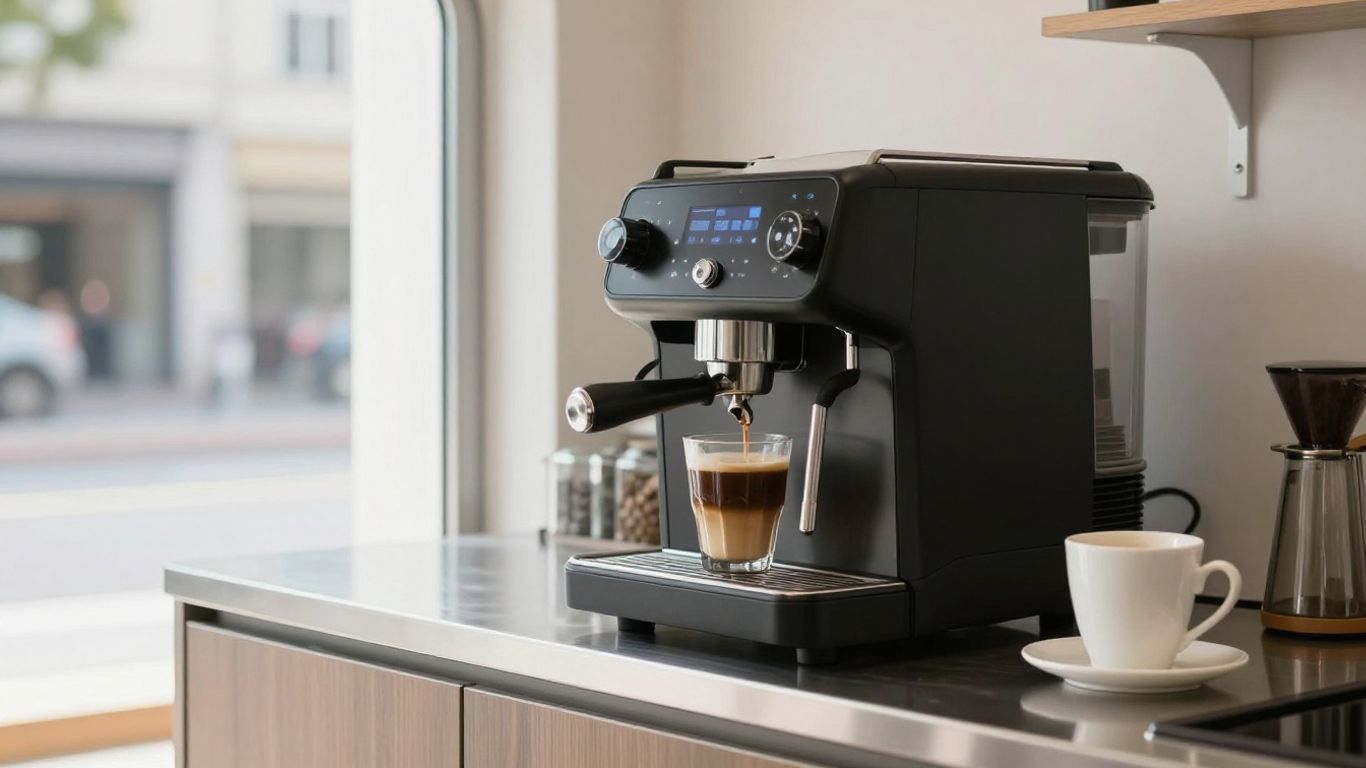
Right then, picking the correct dual fuel coffee machine for your mobile catering van is a bit like choosing the right tool for a job – you want something that’s up to the task, reliable, and fits your setup. It’s not just about making coffee; it’s about making it consistently, even when you’re slammed with orders.
Machine Size and Capacity
First off, think about how much coffee you actually plan on selling. If you’re doing weekend markets and expect a steady but not overwhelming flow, a smaller, two-group machine might be spot on. But if you’re aiming for festivals or big events where you’ll be churning out drinks non-stop, you’ll want to look at bigger, more powerful options, perhaps a three-group model. It’s no good having a machine that can’t keep up when the queue is out the door, is it?
Here’s a rough idea of what different sizes can handle:
|
Machine Size |
Groups |
Approx. Cups Per Hour (Espresso/Cappuccino) |
|---|---|---|
|
Compact |
1-2 |
200-400 |
|
Standard |
2-3 |
360-600 |
Remember, these are just guidelines. Your actual output will depend on how busy you are and how quickly your team can work.
Automatic vs. Semi-Automatic Controls
This is a big one for workflow. Automatic machines, often called ‘volumetric’, let you programme specific volumes for single and double shots. You press a button, and it dispenses the exact amount of coffee. This means every shot is pretty much identical, which is great for consistency and speed, especially if you’ve got newer staff. It takes a lot of the guesswork out of pulling a shot.
Semi-automatic machines give you a bit more control. You start the shot manually and stop it manually. This is brilliant if you’ve got experienced baristas who like to fine-tune their shots based on the beans or the grind. It offers more flexibility but does require a bit more attention from the operator.
Build Quality and Materials
Your van is going to be bouncing around, and the machine will be working hard. You want something built like a tank. Look for machines with a solid stainless steel body – they’re tough, easy to clean, and look professional. Inside, brass is often used for key components like boilers and valves because it’s durable and handles heat well. A good build quality means fewer breakdowns and a longer lifespan for your investment. It’s worth spending a bit more upfront for something that won’t let you down when you’re miles from anywhere.
When you’re looking at machines, don’t just focus on the shiny exterior. Think about the internal workings. A well-made boiler, reliable heating elements, and robust valves are what keep the coffee flowing and the steam coming, especially during those peak rush hours. It’s the stuff you don’t always see that makes the biggest difference to your day-to-day operation.
Installation and Maintenance Essentials
Getting your dual fuel coffee machine set up and keeping it running smoothly is pretty important, especially when you’re out and about serving customers. It’s not just about plugging it in and hoping for the best, you know.
Gas Safety Regulations
First off, the gas side of things. This is a big one. You absolutely must make sure your gas installation complies with all the current Gas Safety Regulations. This isn’t something to mess about with. You’ll need a qualified engineer, someone registered with COMCAT, to do the installation and give you a certificate to prove it’s all safe. It’s for your own good and for everyone drinking your coffee.
Water Supply Requirements
Then there’s the water. Most machines come with a pump and a fresh water tank, which is handy for mobile setups. You can get these from the machine supplier, or you might need to sort out a local water tank and a pump yourself. Some folks prefer to connect directly to a fixed water tank in the van, but that usually needs a specific type of pump, like a 1.5 bar one. You’ll also need to think about the power for the pump – often a 12v battery, either from the vehicle or a separate leisure battery, works well. A 120Ah AGM gel battery is a good shout if you’re going for a separate one.
Routine Servicing and Care
Keeping your machine in good nick means regular checks and cleaning. It’s like anything mechanical; if you look after it, it’ll look after you. This means:
-
Daily cleaning: Wiping down surfaces, cleaning the group heads, and backflushing with water. It stops coffee oils building up and keeps your coffee tasting fresh.
-
Weekly checks: Descaling if you’re in a hard water area, checking the seals, and making sure the steam wand is clear. You might need a water filter to help with this.
-
Regular servicing: Getting a professional to give it a once-over every year or so. They can spot any little issues before they become big problems and keep it running at its best.
Don’t forget about the little things that make a big difference. Things like having the right high-pressure hose, a reliable pressure regulator, and a decent gas bottle are just as important as the machine itself. Sorting these out locally is often the way to go.
It might seem like a lot to think about, but getting the installation and maintenance right means fewer headaches down the line and more perfectly brewed coffees for your customers.
Maximising Output with Dual Fuel Technology
When you’re out on the road, especially during those busy weekend markets or festivals, keeping up with demand is everything. That’s where the real magic of a dual fuel coffee machine shines. It’s not just about having options; it’s about making sure you can serve everyone quickly, no matter how long the queue gets.
High Volume Coffee Production
These machines are built for speed. Think about it: you’ve got customers lining up, and they all want their caffeine fix fast. A good dual fuel machine can handle this. It’s designed to churn out a lot of coffee without breaking a sweat. For instance, some models can produce anywhere from 200 to 400 cappuccinos an hour. That’s a serious amount of coffee, meaning more sales and happier customers.
Here’s a quick look at what some machines can offer:
|
Machine Type |
Groups |
Cups Per Hour (Approx.) |
|---|---|---|
|
1 Group |
1 |
100-200 |
|
2 Group |
2 |
200-400 |
|
3 Group |
3 |
300-600 |
Simultaneous Brewing and Steaming
One of the biggest advantages is the ability to do multiple things at once. While one group is busy brewing an espresso, you can be steaming milk for a latte on another. This parallel processing is a game-changer for busy periods. It means less waiting time for the customer and more efficient use of your time behind the counter. You’re not stuck waiting for one task to finish before starting the next.
The ability to brew, steam, and dispense hot water all at the same time is what separates a good mobile coffee setup from a great one. It directly impacts how many customers you can serve in an hour.
Maintaining Steam Pressure During Peaks
This is where the gas power really comes into its own. Electric machines can sometimes struggle to keep up steam pressure when you’re steaming milk back-to-back. Gas, however, provides a consistent and powerful heat source. This means that even when you’re steaming multiple large milk pitchers in a row, the pressure stays high, and the steam wand keeps performing. You won’t get that frustrating drop in pressure that slows you down and affects milk texture. It’s about reliability when you need it most.
The Fracino Contempo Dual Fuel Advantage
UK Manufacturing Excellence
When you’re looking at coffee machines for a mobile setup, you want something that’s built tough and designed with the UK market in mind. Fracino has been making coffee machines for ages, and they really know their stuff. The Contempo Dual Fuel range is a prime example of this. They’re built right here in the UK, which means they understand the demands of businesses operating in all sorts of weather and conditions. It’s not just about looks; it’s about reliability when you’re out there serving customers.
Advanced Heating Systems
One of the standout things about the Fracino Contempo is how it handles heat. It uses a big copper boiler, and the way it’s heated is pretty clever. This means it can get hot quickly and, more importantly, stay hot even when you’re really busy. This consistent temperature is key for making great coffee, every single time. The machine also has a special system that keeps the group heads warm, so your espresso is always brewed at the perfect temperature. You can choose to power it with gas, electricity, or both, giving you loads of flexibility.
Professional Espresso Quality
Let’s talk about the coffee itself. Fracino machines are known for producing top-notch espresso, and the Contempo Dual Fuel is no different. It’s got features like dual steam wands, which are brilliant for busy periods – you can steam milk for two drinks at once. Plus, there’s a separate hot water outlet, handy for teas or Americanos. The machine can churn out a serious amount of coffee, too. We’re talking up to 240 cappuccinos or 400 espressos an hour, which is pretty impressive for a mobile unit.
Here’s a quick look at what you can expect:
-
Groups: 2
-
Boiler Capacity: 10.5 litres (for the 2-group model)
-
Output: Up to 400 espressos per hour
-
Power Options: LPG, Butane, or Electricity
-
Construction: Polished stainless steel
The ability to switch between gas and electric power, or use them together, means you’re never caught out. Whether you’re plugged into a mains supply or running off-grid with gas, your coffee service can continue uninterrupted. This kind of adaptability is a game-changer for mobile catering.
Wrapping Up
So, if you’re thinking about kitting out a mobile catering van with a coffee machine, a dual fuel option really does seem like the way to go. It gives you that flexibility to serve great coffee wherever you are, whether you’re plugged into the mains or running on gas. These machines, like the Fracino Contempo, are built tough and can churn out a lot of drinks, which is exactly what you need when you’re busy. It means you can offer a proper coffee experience to your customers, no matter if you’re at a festival or a local market. It’s a solid investment for anyone serious about their mobile coffee business.
Frequently Asked Questions
What makes a dual fuel coffee machine good for mobile catering vans?
Dual fuel coffee machines can run on both gas and electricity. This means you can make coffee anywhere, even if you don’t have access to mains power. They’re made to be reliable and fast, which is perfect for busy catering vans.
Can I use a dual fuel coffee machine off-grid?
Yes, you can. These machines are designed to work with gas (like LPG or butane) and a small electric supply, which you can get from a battery and inverter. This lets you serve coffee at festivals, parks, or any place without mains electricity.
How many coffees can a dual fuel machine make in an hour?
A good dual fuel machine, like the Fracino Contempo, can make up to 400 espressos or 240 cappuccinos per hour. This is enough for most busy events or markets.
What do I need to install a dual fuel coffee machine in my van?
You’ll need a gas bottle with a regulator, a water supply (like a tank and pump), and a battery if you want to use it off-grid. The gas setup must be installed by a registered engineer to meet safety rules.
How do I keep my dual fuel coffee machine working well?
Clean your machine every day, check the water and gas connections often, and get it serviced by a professional at least once a year. This helps avoid breakdowns and keeps your coffee tasting great.
What is special about the Fracino Contempo Dual Fuel models?
Fracino Contempo Dual Fuel machines are made in the UK and are known for their strong build and high power. They have large copper boilers, two steam wands, and can be used with gas or electricity, making them perfect for mobile coffee businesses.