

Discover Your Next Mobile Kitchen: A Guide to Buying a Food Truck for Sale in the UK


Thinking of ditching the bricks and mortar for a life on the road? Starting a food truck business in the UK can be a fantastic way to get your culinary dreams off the ground without the massive overheads of a traditional restaurant. There are loads of food truck for sale options out there, but with so many choices, where do you even begin? This guide is here to help you find that perfect mobile kitchen and get you serving up your delicious grub in no time.
Key Takeaways
-
Figure out exactly what you need your food truck to do before you start looking – what food will you serve, and how much space do you need?
-
Explore different places to find a food truck for sale, like online sites, specialist dealers, or even custom builders.
-
Always give any food truck a really good look-over, check its history, and ideally get a mechanic to give it the once-over too.
-
Get to grips with all the UK rules and regulations for catering vehicles, including safety and insurance, before you hand over any cash.
-
Remember to budget for more than just the price tag; think about repairs, upgrades, insurance, and licences.
Finding Your Ideal Food Truck For Sale
So, you’re ready to join the street food scene? Brilliant! But first, you need the right wheels. Picking your mobile kitchen is a big step, so let’s break it down.
Understanding Your Business Needs
Before you even look at a single truck, have a good think about what you’ll be selling and how you’ll operate. This is the most important bit.
-
What’s your menu? Burgers need different kit to crepes. Think about ovens, fryers, grills, and fridge space.
-
How busy will you be? Serving a festival crowd is different to a quiet cafe spot. You need space for staff and efficient workflow.
-
Where will you trade? City centres might have size limits. Rural events might need more self-sufficiency.
Your food truck needs to fit your business like a glove.
Don’t get swayed by a cool-looking truck if it can’t actually do the job you need it to. Practicality first, always.
Exploring Different Types of Mobile Kitchens
Food trucks aren’t one-size-fits-all. There’s a whole range out there:
-
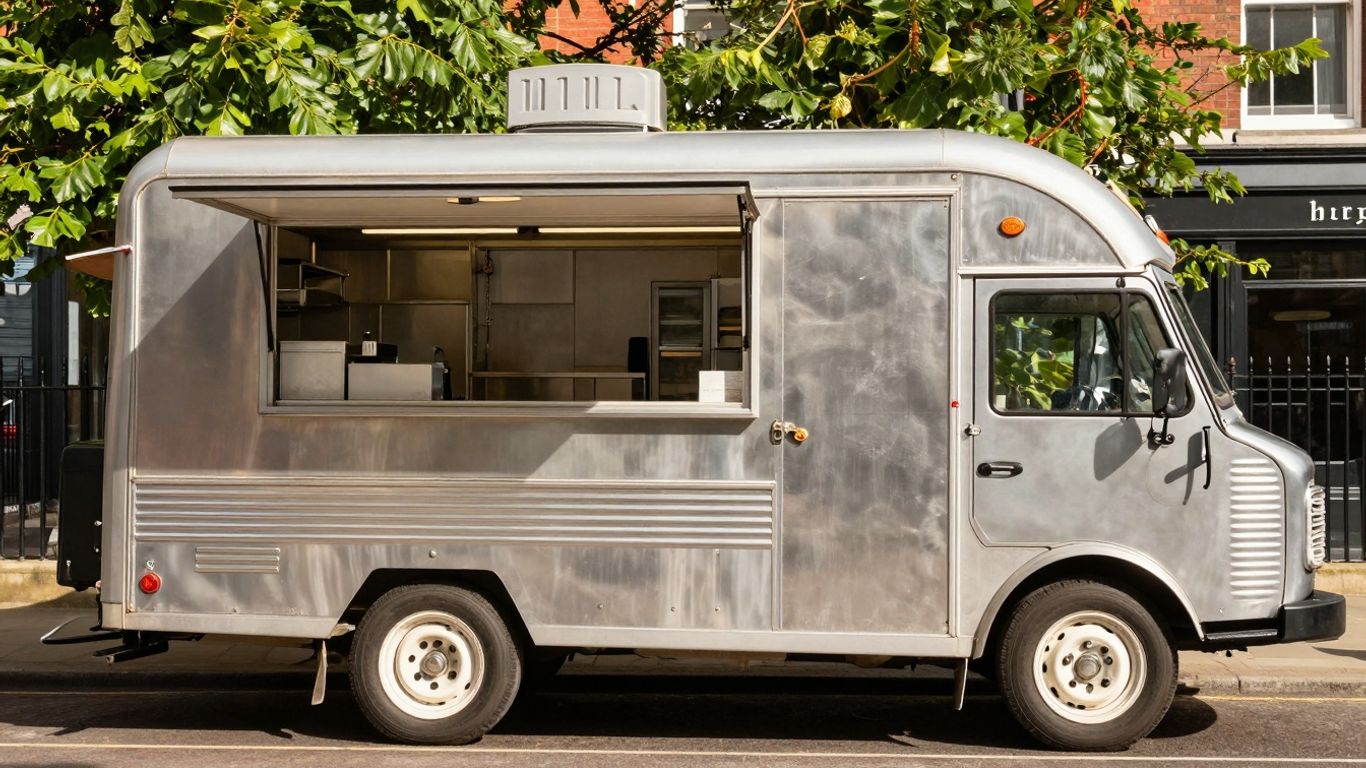
Classic Vans: Think converted panel vans or smaller trucks. Good for focused menus.
-
Larger Trailers: These are towed and offer more space. Great for bigger operations or more complex menus.
-
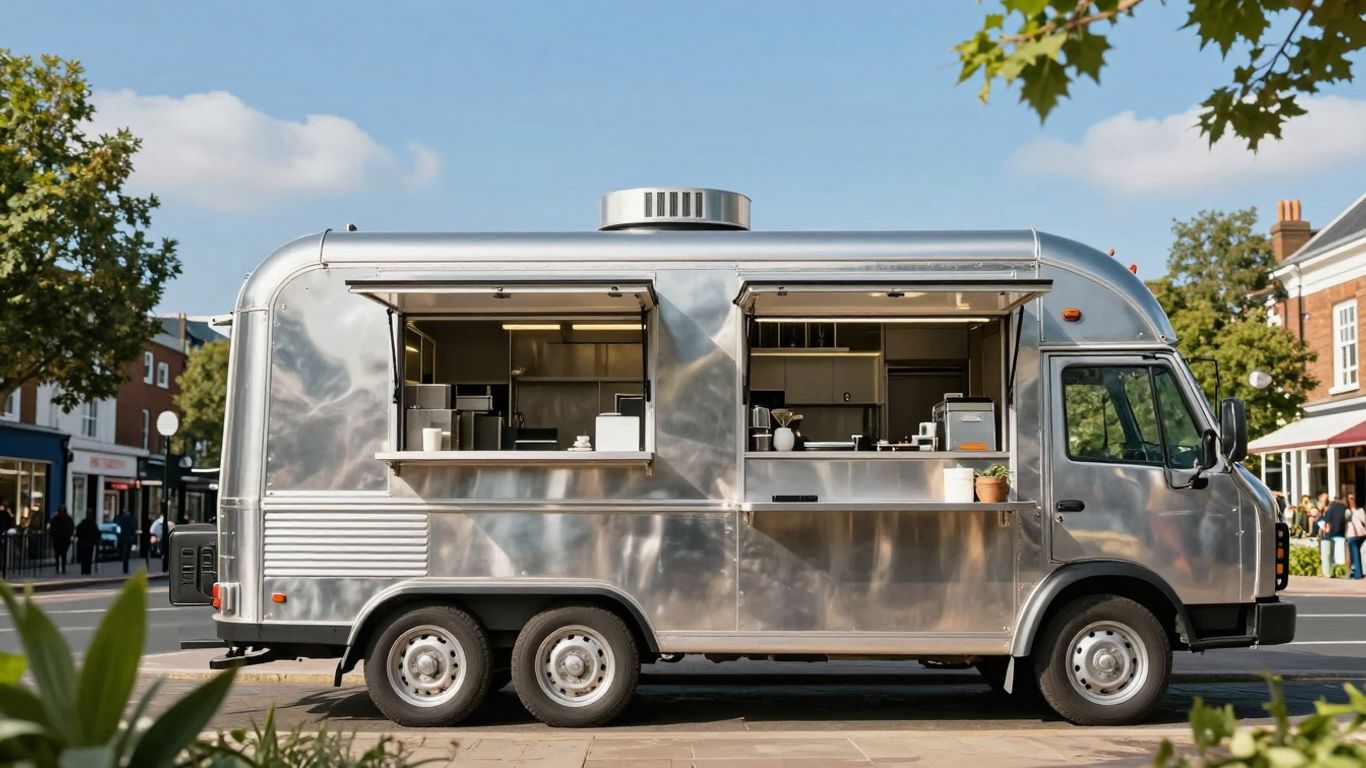
Airstreams: Iconic and stylish, these definitely turn heads. Perfect for a premium brand.
-
Custom Builds: Made exactly to your spec. Can be pricier but perfect if you have very specific needs.
Think about what vibe you want and what your budget allows. A fully equipped 15ft secondhand catering trailer is available for sale in Hertfordshire for £22,000 (including VAT, offers considered) this mobile kitchen unit is ready for use.
New Versus Refurbished Options
This is a classic dilemma. Both have their pros and cons:
|
Option |
Pros |
Cons |
|---|---|---|
|
New |
Customisable, warranty, latest tech |
Higher initial cost, longer lead time |
|
Refurbished |
Cheaper, quicker to get, eco-friendly |
May need repairs, less customisation |
If you’re on a tight budget, a well-maintained refurbished truck can be a smart move. Just make sure you get it checked thoroughly. If you have a very specific vision, a new build might be worth the investment. It really depends on your priorities and cash flow.
Budgeting For Your Mobile Kitchen
Right, let’s get down to brass tacks. Buying a food truck is a big step, and you need to have a clear picture of the costs involved. It’s not just about the sticker price; there are plenty of other bits and bobs to consider.
Initial Purchase Price Considerations
This is the big one, obviously. Prices can swing wildly depending on what you’re after. A basic, older van that needs a bit of work might set you back a few grand, while a purpose-built, modern catering unit could be £30,000 or more. Think about:
-
Age and Mileage: Older vans with high mileage will generally be cheaper, but might need more repairs.
-
Condition: Is it a shiny, well-maintained vehicle or does it look like it’s seen better days?
-
Included Equipment: Does it come kitted out with fryers, griddles, refrigeration, or will you need to buy all that separately?
-
Customisation: If you’re buying a new or nearly new unit, how much will it cost to get it exactly how you want it?
Don’t just look at the van; look at what’s inside it too. The quality and type of catering equipment already fitted can significantly affect the price.
Anticipating Hidden Costs
This is where many first-time buyers get caught out. Always have a buffer for unexpected expenses. These can include:
-
Repairs and Maintenance: Even a good van will need servicing. Budget for tyres, brakes, oil changes, and potential breakdowns. A good rule of thumb is to set aside at least 10-15% of the purchase price for initial repairs and ongoing maintenance.
-
Insurance: Commercial vehicle insurance, especially for a food business, isn’t cheap. Get quotes early.
-
Licences and Permits: Depending on where you plan to trade, you’ll need various permissions. These can add up.
-
Initial Stock and Supplies: You can’t sell food without food! Factor in your first few weeks’ worth of ingredients.
-
Branding and Signage: Getting your van looking professional with your logo and branding costs money.
-
Fuel: Don’t forget the cost of actually running the van to and from markets and events.
Always add a contingency fund to your budget. Aim for at least 20% on top of your estimated purchase and initial setup costs. This buffer is your safety net for those ‘oh no!’ moments.
Financing Your Food Truck Venture
Most people don’t have the full amount in cash. So, how do you fund your dream?
-
Personal Savings: The most straightforward way, but requires having the funds available.
-
Bank Loans: Approach your bank with a solid business plan. You’ll need to show them how you’ll make money.
-
Asset Finance/Leasing: You can lease the vehicle or equipment, paying monthly instalments. This can be good if you want to keep your initial outlay low.
-
Government Grants or Schemes: Look into any local or national schemes that support new businesses, especially in the food sector.
It’s worth talking to a financial advisor to see what’s best for your situation. A well-planned budget means less stress and a smoother start to your mobile catering business.
Essential Checks Before You Buy
Right then, you’ve found a food truck that catches your eye. Brilliant! But before you hand over your cash, let’s make sure it’s a solid move. Think of yourself as a bit of a detective here. Don’t rush this bit; a thorough inspection now can save you a fortune later.
Thorough Vehicle Inspection
This is your chance to get up close and personal. Look for rust, especially around the wheel arches and underneath. Check the bodywork for any major dents or signs of previous accidents that might have been poorly repaired. Give the tyres a good look – check the tread depth and look for any cracks or bulges. Remember, you’ll be carrying a lot of weight.
-
Engine and Mechanics: Listen for any odd noises when the engine is running. Check the oil and other fluid levels. Does it start up easily? A short test drive is a must to feel how it handles.
-
Kitchen Area: Are the surfaces food-grade stainless steel? Check for any damage or wear and tear. Make sure all the built-in appliances look secure and in good condition.
-
Chassis and Bodywork: Look for any signs of major repairs or structural issues. Small dings are fine, but anything serious is a big red flag.
Don’t be afraid to ask questions. A seller who’s upfront is usually a good sign.
Reviewing Service History and Maintenance Records
Ask for the van’s service history. Regular maintenance is a good indicator of how well the vehicle has been looked after. Check the MOT status too; you can usually do this online. If there are gaps in the service history, or lots of advisories on past MOTs, it might mean more trouble down the line.
-
Service Records: Look for evidence of regular oil changes, filter replacements, and general servicing.
-
MOT Certificates: Check that it has a valid MOT and review any advisories from previous tests.
-
Repair Invoices: Any major repairs done in the past can give you an idea of potential weak spots.
A well-maintained vehicle is less likely to let you down when you’re on the road, which is exactly what you want when you’re running a business.
Mechanical Check-Over
This is where you really need to be sure. If you’re not mechanically minded, it’s worth getting a professional to take a look. They can spot things you might miss.
-
Brakes: Test them thoroughly during your test drive. Do they feel spongy or pull to one side?
-
Engine: Listen for knocking or rattling sounds. Check for any leaks under the bonnet.
-
Electrics: Test all the lights, indicators, and dashboard warning lights.
-
Gas Safety: This is a big one. Always ask for a current Gas Safety Certificate. This proves your gas appliances are safe. You can find qualified engineers on the Gas Safe Register.
If the van needs work, use this as a bargaining point. Knowing what needs fixing and roughly how much it will cost helps you negotiate a better price. Remember, the goal is to buy a reliable mobile kitchen, not a money pit.
Navigating UK Regulations For Catering Vehicles
Right then, let’s talk about the paperwork. Getting your food truck legal is a biggie. Mess this up, and you’ll be facing fines, not customers.
Understanding Vehicle Type Approval
First off, your truck needs to be road-legal. This means it should have Whole Vehicle Type Approval (WVTA). It’s basically a stamp that says your vehicle meets UK and EU safety standards. If you’re buying a new or recently converted truck, this should already be sorted. For older models, you might need to check this carefully.
Ensuring Electrical and Gas Safety Compliance
This is super important for your safety and your customers’.
-
Gas Safety: If you’ve got gas appliances, you legally need a Commercial Gas Safety certificate. Get this done by a Gas Safe registered engineer. You’ll need annual checks too.
-
Electrical Safety: You should have an Electrical Installation Condition Report (EICR). This shows your wiring is safe and up to scratch.
Don’t skimp on safety checks. A faulty gas line or dodgy wiring isn’t just a risk; it’s a disaster waiting to happen. Get professionals to sign off on it.
Insurance and Liability Requirements
Stuff happens. You need to be covered. Most places will want to see you have at least £5 million in public liability insurance. This protects you if someone gets hurt or their property gets damaged because of your business. Check your policy covers everything you do, from cooking to serving.
Get your paperwork sorted before you even think about trading.
Where To Discover A Food Truck For Sale
Right then, let’s get down to finding you a cracking second-hand food van. It’s a big step, but with a bit of know-how, you’ll be serving up your tasty treats in no time. Don’t just jump at the first shiny van you see; a bit of smart searching goes a long way.
Online Marketplaces and Specialist Dealers
Your first port of call should be the internet. Websites dedicated to used vehicles or catering equipment are packed with options. You’ll find a huge variety here, from basic vans to fully kitted-out kitchens. Specialist dealers are also a good bet. They often know their stock inside out and can offer advice. Some even focus purely on food trucks, meaning they understand what you’re looking for.
-
Check dedicated food truck sales sites.
-
Browse general used vehicle marketplaces.
-
Look for catering equipment auction listings – bargains can be found, but be quick!
-
Join social media groups for food traders; listings often pop up there.
Considering Custom Builds and Conversions
Sometimes, the perfect van isn’t already a food truck. You might find a great base vehicle – a sturdy van or even a trailer – that you can convert yourself or have converted. This gives you total control over the layout and equipment. It’s a bit more work, but you get exactly what you need.
-
Think about your workflow: where will everything go?
-
Consider the size: does it fit your menu and expected customer numbers?
-
Factor in conversion costs: this can add up quickly.
Building your own or converting a van means you get a kitchen tailored to your exact needs. It might take more effort upfront, but it can save headaches down the line.
Reputable Suppliers and Manufacturers
If you’re after something specific, like a brand-new build or a particular style, look at manufacturers. Companies that specialise in building food trucks and trailers can create units to your exact specifications. They often have a range of pre-built options too. Always ask for proof of compliance with UK regulations – this is super important for safety and legality.
-
Ask about customisation options.
-
Request details on build quality and materials.
-
Check reviews and testimonials from other buyers.
-
Get quotes from a few different suppliers before deciding.
Specialised Food Truck Options
Discovering Airstream Food Trucks
Looking for something with a bit of retro charm? Airstream trailers are instantly recognisable and can give your business a unique, stylish edge. They’re often well-built and offer a good amount of interior space, perfect for creating a standout mobile eatery. An Airstream can really make your brand pop.
Finding BBQ Food Trucks For Sale
If smoky, slow-cooked goodness is your game, a dedicated BBQ food truck is the way to go. You’ll want to check for robust cooking equipment, excellent ventilation to handle all that smoke, and plenty of storage for your meats and sides. These are built for outdoor events and serious flavour.
Exploring Mobile Bar Conversions
Need to serve drinks alongside your food, or perhaps focus solely on beverages? Mobile bar conversions are a fantastic option. These are often adapted from existing vehicles or trailers, kitted out with fridges, sinks, and serving counters. They’re ideal for festivals, weddings, and private events, adding a lively atmosphere to any occasion.
Key things to look for in specialised conversions:
-
Layout: Does it suit your specific menu or drinks service?
-
Equipment: Is the existing kit suitable, or will you need upgrades?
-
Aesthetics: Does the look match your brand and target audience?
When considering any specialised vehicle, always think about the practicalities. How easy is it to clean? Does the ventilation system cope with your specific cooking or bar needs? Don’t get so caught up in the cool factor that you forget about day-to-day operation and safety.
Ready to Hit the Road?
So, you’ve looked into it, and buying a food truck in the UK feels like the right move for your business. It’s a big decision, for sure, but with all the options out there, from ready-to-go vans to custom builds, there’s definitely something to fit what you need and your budget. Just remember to do your homework, check all the legal bits, and don’t forget to factor in those little extras that pop up. Get all that sorted, and you’ll be well on your way to serving up your amazing food to happy customers all over. Good luck with the search – we can’t wait to see what you create!
Frequently Asked Questions
Where do I even start looking for a food truck in the UK?
Loads of places! You can check out online marketplaces like Gumtree, eBay, and specialist vehicle sites. Sometimes, catering equipment suppliers also have used vans or trailers. Don’t forget to look at local classified ads or even ask around in the food truck community – word of mouth is a powerful thing!
What’s the most important stuff to check on a used food van?
Make sure the engine runs okay and there are no weird noises. Check the bodywork for rust, especially around the wheel arches and underneath. Inside, look at the condition of the kitchen equipment – is it clean and working? And definitely ask for any service history or receipts for repairs.
Are there any UK rules I really need to know about for a food van?
Yeah, there are a few important ones. You’ll need to make sure your van meets UK food safety standards, which means things like having proper handwashing facilities and surfaces that are easy to clean. You’ll also need a valid MOT for the vehicle and a gas safety certificate if you’re using LPG.
How much should I expect to pay for a decent second-hand food van?
It really varies! The price depends on the van’s age, how many miles it’s done, and what equipment is already inside. A newer-looking van with good gear will cost more than an older one. Always factor in potential repair costs too.
What’s the difference between a new and a refurbished food truck?
A new one is like a blank canvas, you can often customise it exactly how you want and it’ll have a warranty. A refurbished one is usually cheaper and ready to go sooner, but might need a bit more checking over to make sure everything’s tip-top.
Can I really make a good living from a food truck in the UK?
Definitely! While it depends on lots of things like what you sell and where you trade, many food vans in the UK make a really good income. With hard work and a solid plan, there’s good profit potential for those willing to put in the effort.