

Investing in Reliable Diesel Generators for Your UK Business Needs

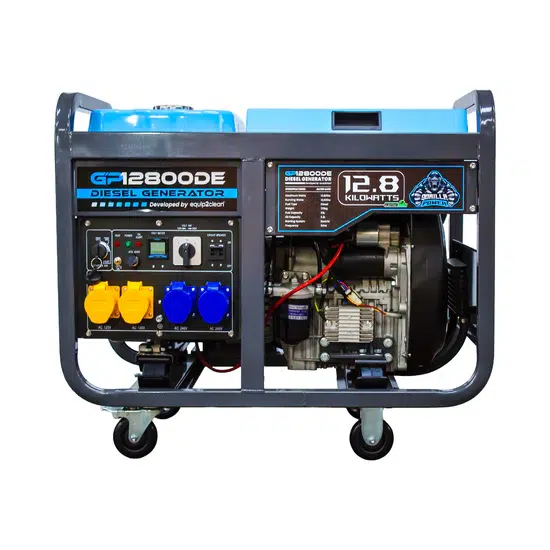
Right then, let’s talk about keeping your UK business ticking over, especially when the lights decide to go out. Power cuts can be a proper nightmare, right? You’ve got equipment to run, customers to serve, and deadlines to meet. That’s where reliable diesel generators come in. They’re not just for big factories anymore; they’re a solid bet for all sorts of businesses needing a steady power supply. We’ll have a look at what’s out there and what you need to think about.
Key Takeaways
-
When looking at diesel generators, you’ve got big names like Perkins and Cummins, or you could go for a more budget-friendly own-brand option. Just make sure they meet current regulations, like EU Stage V.
-
These generators are built tough and don’t need loads of fussing over, meaning less downtime and lower running costs for your business.
-
Figure out exactly how much power you need before you buy. It’s no good getting a generator that’s too small or way too big for the job.
-
Diesel generators are brilliant for keeping things running smoothly, even if you’re miles from anywhere or need constant power for critical operations.
-
The world of backup power is changing fast. While diesel generators have been the standard, new rules and a push for greener options mean it’s worth looking at alternatives like battery storage too.
Understanding Your Diesel Generator Options
Right then, let’s talk about picking the right diesel generator for your business. It’s not just about grabbing the first one you see. You’ve got a few choices, and knowing them helps you get the best bang for your buck.
Exploring Leading Diesel Generator Brands
Loads of top brands out there make cracking diesel generators. Think names like Cummins and Perkins. They’re known for being tough and reliable, perfect if you’re running a busy food truck or a mobile bar. These big names usually mean good support too, so if something goes wrong, you can usually get it sorted.
-
Cummins: Great for consistent power, often with smart tech to keep an eye on things.
-
Perkins: Built tough, these are workhorses that last ages.
-
Baudouin: Another solid choice, especially for heavy-duty jobs.
Considering Own-Brand Diesel Generators
Don’t overlook the ‘own-brand’ options. Sometimes, a generator made by the company you’re buying from can be a real bargain. They often pack in the features you need without the fancy brand name price tag. We do our own range, and they’re built to be dependable without costing the earth. They’re a good shout if you need solid performance on a tighter budget.
Understanding EU Stage V Compliant Models
This is important, especially if you work in certain areas or want to be ahead of the game with emissions. EU Stage V is the latest standard for engines. These generators are cleaner and greener. If you’re working at festivals, events, or in city centres, you might need one of these to meet regulations. They’ve got special bits to cut down on exhaust fumes, so you’re doing your bit for the environment and staying on the right side of the law.
Always check the latest regulations for your area or the specific sites you’ll be working at. It’s better to be prepared than caught out.
Key Benefits of Investing in Diesel Generators
Ensuring Fuel Efficiency and Longevity
Diesel generators sip fuel, especially when they’re working hard. This means your running costs stay lower, which is a big win for any business. They’re built tough, too. Expect them to run for thousands of hours without much fuss. Think of it as a solid, long-term investment that keeps on giving.
Appreciating Durability and Low Maintenance
Forget fiddly bits like spark plugs. Diesel engines are simpler, meaning fewer things can go wrong. Regular check-ups are all they need to keep running smoothly for years. This means less downtime and fewer surprise repair bills. A well-maintained diesel generator is a reliable workhorse.
Achieving High Power Output Safely
Need to power a lot of kit? Diesel generators can handle it. They deliver serious power, safely, even for your most demanding equipment. Plus, diesel fuel itself is less flammable than petrol, making it safer to store and handle on-site. Always follow safe fuel storage guidelines, though – keep tanks away from ignition sources and in well-ventilated areas.
Choosing the Right Diesel Generator for Your Business
Finding a diesel generator that fits your catering setup is more than a simple shopping trip. It’s about knowing exactly what you need today—and making sure you’re sorted when business picks up.
Assessing Your Power Requirements
Always size your generator for the reality of running big fridges, grills, lights, and tills at once. If you undersize, you’ll lose power mid-shift (not a good look). Too big, and you’ll pay over the odds for fuel.
-
List all equipment you’ll run at the same time
-
Check each item’s wattage (it’s usually on a sticker)
-
Add a safety margin—20% above your total never hurts for busy days
Here’s a quick example:
|
Equipment |
Power Needed (Watts) |
|---|---|
|
Double fridge |
600 |
|
Coffee machine |
1500 |
|
Hot plate |
1200 |
|
Lighting & tills |
400 |
|
Total |
3700 |
Add 20% spare for spikes: 3700 × 1.2 = 4440W (4.44kW)
Considering Generator Capacity and Load
Your daily spot might only need a 5kW unit, but think about events. Festivals and weddings chew through power. Try to forecast seasonal changes and bigger gigs. Reliable brands like Hyundai or Stephill and Gorilla diesel generators have options from £1,000 up to £10,000+.
-
Pick portable units if you move locations often
-
Go with fixed sets if you stay put
-
Look for auto start/stop and silent enclosures if noise is a concern
A generator that’s slightly bigger than you currently need saves headache when you take on extra work. Trust me, I’ve seen too many ruined weekends where a unit just couldn’t keep up.
Seeking Expert Guidance for Your Investment
Let’s be honest—there’s no shame in asking for advice. A bad call here is expensive. Look for sellers who happily answer questions and can match you with the right size, not just push the most expensive kit.
-
Ask for a full quote including delivery and setup
-
Check support and warranty details
-
Always get safety advice for fuel storage—diesel is safer than petrol, but don’t slack
If you’re stuck, reach out to a local specialist and lay out exactly what you do each day. The best suppliers don’t just shift boxes—they help you keep powering through whatever’s next.
Sorting your generator now means less panic, fewer breakdowns, and happier customers later. Keep it simple. Invest in what you need most—reliable, steady power that keeps you cooking, wherever you pitch up.
Reliability and Performance of Diesel Generators
Dependable Power in Remote Locations
Need power where the grid just isn’t? Diesel generators are your go-to. They don’t rely on fixed lines, making them perfect for farms, building sites, or outdoor events miles from anywhere. They start up reliably, even in tough weather. Think of a food festival in a field – a diesel generator keeps the lights on and the fryers hot, no matter how far from a plug socket.
Achieving 24/7 Uninterrupted Operation
For businesses that can’t afford a single minute of downtime, diesel generators are built for the long haul. With automatic start systems, they kick in the second the mains power fails. Keep your operations running smoothly, day and night. This is vital for places like pubs or shops that need to stay open, or even for keeping your freezers running to avoid losing stock.
Ensuring Safe Fuel Storage and Use
Diesel is less flammable than petrol, which is a big plus for safety. Storing and using it is generally straightforward. Always follow the manufacturer’s advice for storing fuel safely, away from heat sources and in appropriate containers. This minimises risks and keeps your site secure. For example, keeping your fuel tank in a well-ventilated area and away from any open flames is a simple but important step. You can find more details on safe fuel handling and storage when you look at diesel genset market analysis.
Here’s a quick rundown on why they’re so dependable:
-
Tough Build: Made to last in demanding conditions.
-
Simple Mechanics: Fewer parts mean fewer things to go wrong.
-
Long Run Times: Designed for continuous power when you need it most.
When you’re choosing a generator, think about how often you’ll use it and for how long. A generator that’s only used for emergencies might have different needs than one running your whole operation daily. Getting this right means you won’t be caught out.
The Evolving Landscape of Backup Power
Navigating Regulatory Changes for Diesel Use
Things are changing with diesel. New rules mean it’s getting trickier and more expensive to use. The government’s cracking down on emissions, and red diesel isn’t for most businesses anymore. This means higher fuel costs for you. It’s time to think about what’s next.
Addressing Sustainability Targets and Emissions
Everyone’s talking about going green. Investors, customers, even your staff want to see your business being more eco-friendly. Diesel generators, even just for backup, aren’t great for the planet. They pump out fumes. If you’ve got targets to hit, diesel just doesn’t fit the bill.
Understanding the Risks of Older Diesel Systems
Old diesel generators can be a headache. They need regular servicing, and let’s be honest, they can break down when you least expect it. Plus, they’re noisy and can smell. Relying on one that might not start when you need it is a big risk for your business. It could damage your reputation if things go wrong.
What’s replacing diesel?
-
Battery Storage: These are smart, quiet, and clean. They give you instant backup power without the noise or fumes. They can also save you money by charging when electricity is cheap and help you earn cash by supporting the grid.
-
Solar + Battery: If you have space, combine solar panels with batteries. This gives you power independence and cuts your reliance on the grid and diesel.
-
Hybrid Systems: Mix batteries with a generator. The battery does most of the work, and the generator only kicks in if needed. This cuts down on emissions and fuel use.
Switching to newer backup power solutions isn’t just about following rules; it’s about making your business more resilient, cost-effective, and future-ready. Think of it as an investment that pays off in more ways than one.
So, What’s the Takeaway?
Right then, we’ve had a good look at why a solid diesel generator can still be a sensible bit of kit for your business here in the UK. While things are changing, and greener options are definitely on the rise, there’s no denying the sheer dependability and power these machines offer, especially when you need things to just work, no fuss. Whether you’re powering a busy food truck on a Saturday night or keeping essential equipment running during a power cut, picking the right one is key. Don’t just grab the first one you see; think about what you actually need it for. If you’re still scratching your head, remember there are folks out there, like the team at National Generator Sales, who know their stuff and can help you find a generator that fits your needs and budget without any of the usual salesy nonsense. Getting this sorted means one less thing to worry about, letting you get on with running your business.
Frequently Asked Questions
Do I really need a diesel generator for my business in the UK?
Think of it like this: what happens if the power goes out? For many businesses, especially those in food service or with critical equipment, an unexpected blackout can mean lost money, spoiled stock, or even unhappy customers. A diesel generator acts as your backup plan, making sure you can keep things running smoothly even when the main power supply fails. It’s about keeping your business safe and sound.
Are diesel generators really that reliable, or are they a hassle?
Modern diesel generators are built tough! They’re designed to be super reliable and can often run for ages without needing much attention. Plus, they don’t need as much maintenance as you might think because they have fewer fiddly bits like spark plugs. When you invest in a good one, it’s usually a ‘set it and forget it’ kind of deal until you actually need it.
How do I figure out how much power I actually need from a generator?
It’s a bit like working out how much electricity your home uses, but for your business. You need to look at all the equipment you’ll want to run at the same time – think your coffee machine, fridge, lights, maybe even a till. Add up what they all need, and that gives you a good idea of the ‘power size’ you’ll be looking for. It’s best to have a little extra power just in case!
Are there any new rules I need to know about for diesel generators in the UK?
Yeah, the rules are changing a bit, especially with the UK wanting to be greener. There are new rules about emissions, and the cost of diesel fuel has gone up because of changes like the ‘red diesel’ ban for most businesses. It’s worth checking out the latest regulations, especially if you’re looking at bigger generators, to make sure you’re playing by the rules and avoiding any nasty surprises.
What’s the difference between a well-known brand and an ‘own-brand’ generator?
Big brands often have a long history and a global reputation, which can give you peace of mind. ‘Own-brand’ generators, on the other hand, are usually put together and tested by the seller themselves. They often offer a great balance of good performance and a more budget-friendly price tag, making them a smart choice if you want reliability without breaking the bank.
Is it safe to store diesel fuel for the generator?
Diesel is actually safer to store than petrol because it’s not as flammable. However, you still need to be sensible about it. Always store it in proper, approved containers, away from any heat sources or sparks. Good ventilation is key too. Just follow the safety guidelines, and you should be absolutely fine.