

Choosing the Right House Generator: A UK Buyer’s Guide

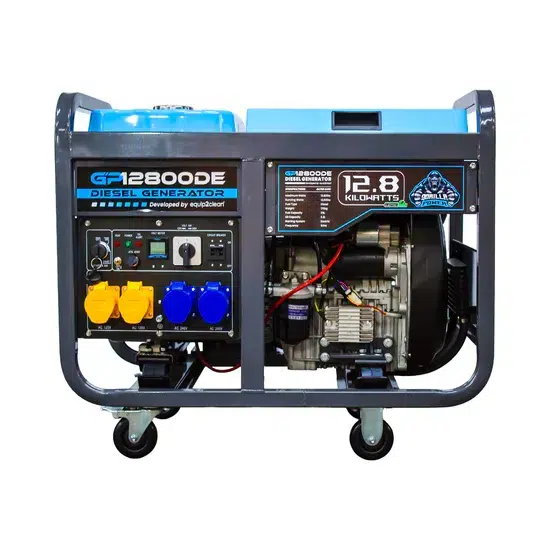
Right then, thinking about getting a house generator in the UK? It’s a bit of a minefield out there, isn’t it? You’ve got all these options, and figuring out what you actually *need* can feel like a puzzle. Whether you’re worried about those annoying power cuts, want to keep your home comforts running, or just fancy a bit of peace of mind, this guide is here to help you sort out the best house generator for your situation. We’ll break it down so you can make a sensible choice without all the fuss.
Key Takeaways
-
Figure out why you need a house generator – is it for frequent power cuts, essential medical equipment, or just general convenience?
-
Know the different types: portable for flexibility, inverter for sensitive gadgets, and standby for full home backup.
-
Calculate the power you need by listing your appliances and considering their starting surges – don’t guess, measure!
-
Consider your fuel options like petrol, diesel, LPG, or even solar, weighing up cost, availability, and environmental impact.
-
Shop around, check noise levels, and don’t be afraid to ask for expert advice before you buy your house generator.
Understanding Your Need For A House Generator
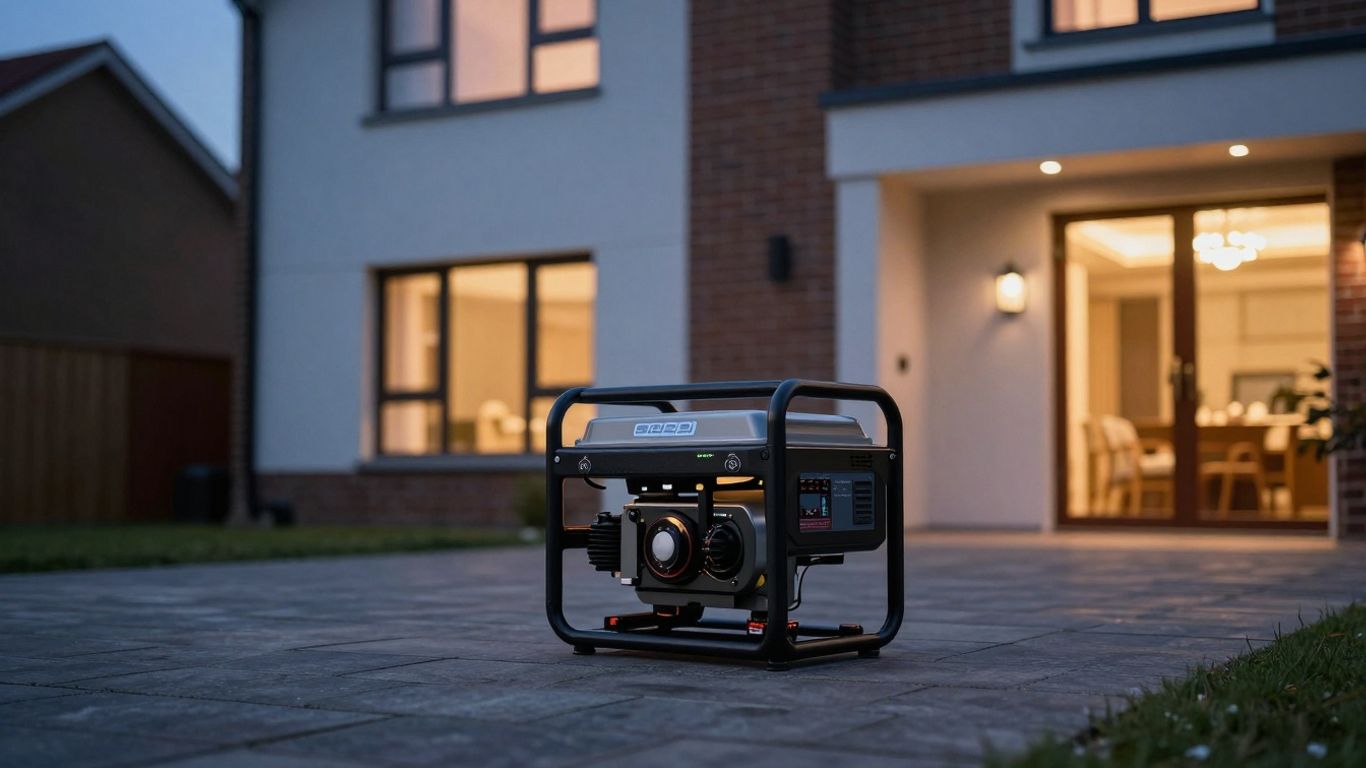
Right then, let’s get down to brass tacks. Why do you actually need a generator for your home in the UK? It’s not just about having the latest gadget; it’s about practicalities and peace of mind. Think about those times when the lights go out – and they do, don’t they?
When A House Generator Becomes Essential
Power cuts aren’t just a minor inconvenience anymore. For some, they can be a real problem. If you’ve got young kids, elderly relatives, or anyone with a medical condition at home, a reliable power supply isn’t a luxury, it’s a necessity. Imagine a medical fridge losing power, or a vital piece of equipment failing. That’s where a generator steps in, keeping things running when the grid lets you down.
-
Medical Needs: Keeping essential medical equipment powered (e.g., oxygen concentrators, CPAP machines).
-
Elderly or Vulnerable Residents: Ensuring heating, lighting, and communication remain active.
-
Young Children: Maintaining warmth, light, and the ability to prepare food.
-
Home Businesses: Preventing loss of data, disruption to work, or damage to sensitive equipment.
Peace Of Mind During Power Disruptions
Let’s be honest, nobody enjoys being plunged into darkness. A generator offers a simple solution: it keeps your home running smoothly, no matter what the weather throws at us. No more fumbling for candles or worrying about your food spoiling in the fridge. It’s about having that safety net, that bit of control when everything else feels out of your hands. Think of it as an insurance policy against the unpredictable.
Keeping Your Home Running Smoothly
So, what exactly can a generator keep powered? It really depends on the size and type you choose, but even a smaller one can make a big difference. You might want to power:
-
Essentials: Fridge/freezer, some lights, your router for internet access, and a phone charger.
-
Comforts: Your boiler for heating, a TV, and maybe a microwave.
-
Work: Your computer, essential office equipment, and tools if you work from home.
It’s about identifying what’s most important to you and your household. Don’t just guess; have a think about your daily routine and what you absolutely couldn’t do without if the power went off for a few hours, or even a few days.
When considering a generator, always think about the ‘what ifs’. What if the power is out for 24 hours? What if it’s a week? Having a generator means you’re prepared for the worst, not just the occasional flicker.
Exploring Different Types Of House Generators
Right then, let’s talk generators. Not all of them are the same, and picking the wrong one is a proper pain. We’ll break down the main types you’ll see in the UK.
Portable Generators For Flexibility
These are your go-to for when you need power on the move or just for a few bits. Think camping trips, outdoor events, or even just powering a tool shed.
-
Easy to move: Most have wheels or are light enough to carry.
-
Versatile fuel: Usually run on petrol, sometimes diesel or even LPG.
-
Good for essentials: Can power lights, a small fridge, phone chargers, and basic tools.
They’re not for running your whole house, though. They’re more for specific jobs or keeping a few key things going.
Safety first: Always run them outdoors, well away from windows and doors. Fumes are dangerous.
Inverter Generators For Sensitive Electronics
Got fancy gadgets? Laptops, TVs, or sensitive medical equipment? An inverter generator is what you need. They produce a much cleaner, more stable power output than standard portable ones.
-
Clean power: Protects your delicate electronics from damage.
-
Quieter: Generally much less noisy than traditional generators.
-
Fuel efficient: Often use less fuel because they can adjust their output.
Think of them as the posh version of portable generators. They cost a bit more, but if you’ve got expensive tech, it’s worth it.
Standby Generators For Whole-Home Power
These are the big boys. Permanently installed outside your house, they kick in automatically when the mains power goes out. This is the ultimate peace of mind option.
-
Automatic: They switch on by themselves, usually within seconds.
-
Whole-home coverage: Can power everything, from your heating and lights to your oven and fridge.
-
Permanent solution: Installed by professionals, they’re a serious investment.
Standby generators are connected directly to your home’s electrical system via a transfer switch. This switch safely disconnects your home from the grid when the generator starts up, preventing dangerous feedback.
They’re usually powered by natural gas or LPG, and while they’re a significant investment, they offer the highest level of convenience and protection against power cuts.
Calculating The Right Power Output For Your House Generator
Right, let’s get down to the nitty-gritty. Picking the right size generator is key. Too small, and it won’t power what you need. Too big, and you’re wasting money and fuel. We need to figure out exactly how much juice your home needs.
Understanding Wattage Requirements
Every electrical item in your house has a power rating, usually shown in watts (W) on a sticker or in its manual. This is the ‘running’ or ‘operational’ wattage. Think of it as the power it needs to keep going. You’ll need to add up the wattage of all the things you want to run at the same time. For example, a fridge might use 700W, a TV 100W, and a few lights 50W each. Add them up to get your total running requirement.
Accounting For Starting Surges
Here’s where it gets a bit tricky. Many appliances, especially those with motors (like fridges, freezers, power tools, or even washing machines), need a big burst of power to get started. This is called ‘starting wattage’ or ‘surge wattage’. It can be two or even three times higher than the running wattage. So, if your fridge needs 700W to run, it might need 2000W to kick off. You must factor this in, or your generator will struggle, or worse, trip out. Always check the starting wattage for your key appliances.
Your generator needs to handle both the running load and the highest starting surge of any single appliance you plan to use.
Here’s a rough idea of some common wattages:
|
Appliance |
Running Watts (approx.) |
Starting Watts (approx.) |
|---|---|---|
|
Fridge/Freezer |
700-1000W |
1500-2500W |
|
Television |
100-300W |
N/A |
|
Kettle |
1500-2000W |
N/A |
|
Microwave |
800-1500W |
N/A |
|
Power Drill |
500-1000W |
1000-2000W |
|
Laptop Charger |
50-100W |
N/A |
Remember, these are just estimates. Always check your appliance labels for the most accurate figures. You can find out how to calculate wattage using volts and amps on this helpful page.
Matching Generator Size To Your Needs
Once you’ve got your total running wattage and identified the highest starting surge, you need to choose a generator. A good rule of thumb is to add about 20% extra capacity to your total calculated wattage. This gives you a buffer and prevents the generator from being constantly maxed out, which is good for its lifespan. So, if your calculations show you need 5000W, look for a generator rated at least 6000W (or 6kW).
Don’t forget about fuel. The type of fuel your generator uses will affect running costs and availability. Petrol is common but can be noisy. Diesel is generally more efficient. LPG offers cleaner burning and easier storage.
For example, if you want to run a freezer (1000W running, 2000W starting), a few lights (150W total), and a TV (100W), your total running wattage is 1250W. The highest starting surge is 2000W from the freezer. So, you need a generator that can handle at least 2000W. Adding that 20% buffer, you’d be looking for a generator around 2400W (or 2.4kW). For a whole house, you’ll need a much bigger unit, often 7kW or more, especially if you plan to run heating or large appliances simultaneously.
Fueling Your House Generator: Key Considerations
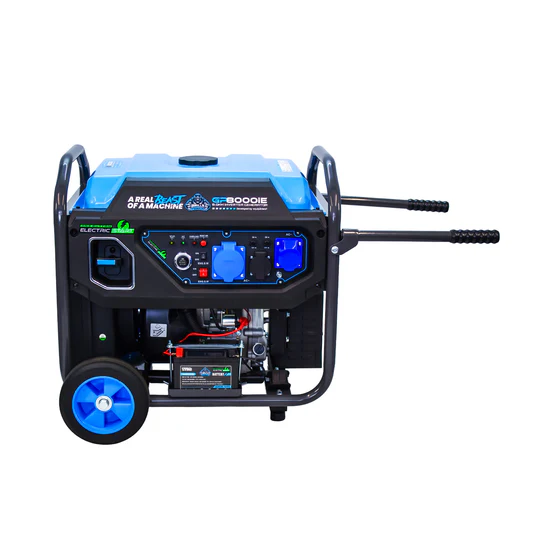
Petrol And Diesel Options
Petrol generators are common, easy to find fuel for, and often cheaper to buy. They’re good for smaller jobs or occasional use. Think powering a few tools on a building site or keeping the lights on during a short outage. However, petrol doesn’t store well long-term, so you’ll need to keep an eye on it. Diesel generators, on the other hand, are usually bigger and built for tougher, longer jobs. They’re more fuel-efficient for extended running, making them a popular choice for businesses needing reliable power for days. They can be pricier upfront, though.
The Benefits Of LPG Generators
LPG (Liquid Petroleum Gas) generators are a bit of a sweet spot. They run on propane or natural gas, which you can connect to your home’s supply or use portable tanks. LPG is often cheaper to run than petrol or diesel and is considered a cleaner option. This makes them a good choice if you’re looking for something a bit greener and more cost-effective for regular use, whether it’s a portable unit for events or a standby generator for your home.
Exploring Solar-Powered Solutions
While not a direct generator in the traditional sense, solar power with battery storage is an increasingly popular way to ensure power. You generate electricity from the sun during the day and store it in batteries for use at night or during cloudy spells. It’s a fantastic eco-friendly option, but the initial setup cost can be high, and it’s best suited for supplementing your power needs or for off-grid living rather than as a sole backup for a major outage unless you have a very robust system.
Safety First:
-
Always run generators outdoors and well away from windows and doors to avoid carbon monoxide poisoning.
-
Store fuel safely in approved containers, away from heat sources.
-
Read your generator’s manual thoroughly before operating.
Choosing the right fuel type is about balancing cost, convenience, and your power needs. Think about how often you’ll use it and for what purpose before you decide.
Making Your House Generator Purchase
Where To Buy Your Generator
Right then, you’ve figured out what you need. Now, where do you actually get your hands on a generator? For most folks, the easiest route is online. Big retailers have a massive selection, often with good prices and the convenience of delivery straight to your door. Just make sure you’re buying from a reputable seller. Check reviews, look for warranty information, and see if they offer any kind of support. If you prefer to see things in person, your local electrical wholesalers or specialist generator shops are the way to go. You can chat with the staff, get a feel for the size and build quality, and sometimes even hear them running. It’s a bit more hands-on, which can be good if you’re unsure.
Considering Noise Levels
Generators can be noisy. It’s just a fact of life. If you live in a built-up area or have close neighbours, this is something you really need to think about. A noisy generator can cause more problems than it solves. Look for models that advertise low noise levels. Inverter generators are generally quieter than traditional ones. Some manufacturers even provide noise level ratings in decibels (dB) – aim for something under 60dB if possible, especially if it’ll be running for long periods. Always check local council regulations on generator noise too. You don’t want to be told to switch it off.
Seeking Expert Advice
Don’t be afraid to ask for help. If you’re still scratching your head about wattage, fuel types, or which model is best for your specific setup, get some advice. The people selling generators, especially the specialist shops, are usually pretty knowledgeable. They can help you avoid common mistakes, like buying one that’s too small or too big for your needs. They can also advise on installation, especially if you’re looking at a larger standby unit. It might cost a little extra, but getting it right from the start saves hassle and money in the long run. Think of it as an investment in peace of mind.
So, what’s the takeaway?
Right then, choosing a generator for your home in the UK might seem a bit much at first, but hopefully, this guide has made it a bit clearer. Whether you’re after something to keep the lights on during a power cut, or need a bit more oomph for a project, there’s definitely an option out there. Just remember to have a good think about what you actually need it for, how much power you’ll be using, and what fuel makes the most sense for you. Don’t rush it, do a bit of research, and you’ll end up with a generator that does the job without any fuss. Happy powering!
Frequently Asked Questions
Do I really need a generator for my house in the UK?
Well, it depends! If you live somewhere that gets hit by bad weather often and the power goes out for days, a generator is a lifesaver. It’s also super handy if you have someone ill at home or if you just can’t stand being without electricity for important stuff. Think of it as a safety net for those unexpected moments.
What’s the difference between the types of generators?
You’ve got your portable ones, which are great for taking camping or for small jobs. Then there are inverter generators; they’re a bit fancier and really good for keeping your sensitive electronics, like laptops and TVs, safe. Finally, standby generators are the big boys – they’re installed permanently and can power your whole house when the main power goes kaput.
How do I figure out how much power I need?
This is a biggie! You need to work out what you absolutely *must* have running during an outage. Add up the power (in watts) for things like your fridge, lights, and maybe a heater. Don’t forget that some appliances need a big ‘oomph’ of power when they first start up – this is called a surge. Your generator needs to be strong enough to handle that too!
What fuel types are best for generators?
You’ll mostly see petrol and diesel generators, which are common but not the most eco-friendly. LPG (liquefied petroleum gas) is another popular choice, often used by businesses. There are also some cool solar-powered options emerging, which are great for the environment, though they might need batteries to store the power for when the sun isn’t shining.
Where’s the best place to buy a generator in the UK?
Loads of places sell them! You can check out big online shops like Amazon, or DIY stores like B&Q, Screwfix, and Toolstation. It’s a good idea to compare prices and specs online, but don’t be afraid to ask for advice from experts if you’re unsure.
Are generators really noisy?
Some can be quite loud, especially older or more basic models. However, there are now ‘silent’ or ‘quiet’ generators available that are much less intrusive. They often sound more like a quiet air conditioning unit, which is a big plus if you’re using it near your home or for an event.