

Choosing the Right Generator for Home: A Comprehensive Guide

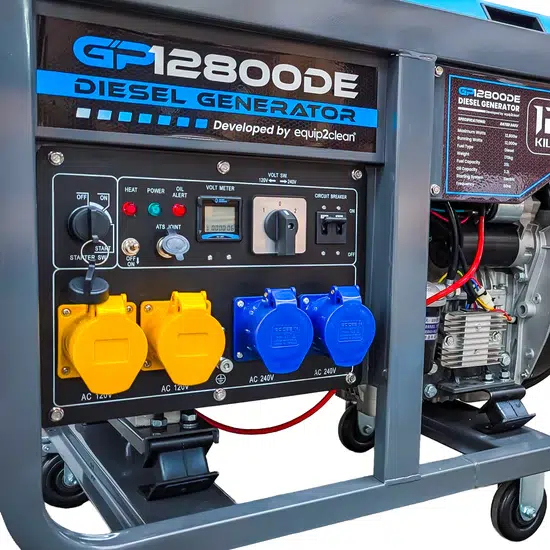
Power cuts happen, don’t they? Whether it’s a storm that knocks out the electricity or just a random blip, being left in the dark is a real pain. You might be thinking about getting a generator for home to sort this out, which is a smart move. But with all the different types and sizes out there, figuring out the best one can feel a bit much. This guide is here to break it all down, nice and simple, so you can pick the right generator for your place and stop worrying about losing power.
Key Takeaways
-
Figure out what you actually need powered: Do you just want the fridge and some lights, or the whole house?
-
Portable generators are good for basic needs and moving around, while standby ones are permanently installed for full-house backup.
-
Think about what fuel your generator will run on – natural gas, propane, or diesel all have their pros and cons.
-
Getting the size right is key; too small and it won’t cope, too big and you’re wasting money.
-
Safety first! Always install and use your generator properly, and keep up with the maintenance.
Understanding Your Home Generator Needs
Right then, let’s get down to brass tacks. Before you even think about brands or engine sizes, we need to figure out what you actually need a generator for. It’s not a one-size-fits-all deal, is it? What works for your mate down the road might be way off for you.
Assessing Essential Power Requirements
First off, what absolutely has to stay on when the lights go out? Think about the real essentials. Is it just the fridge and a couple of lights? Or do you need to keep the Wi-Fi router humming so the kids can still do their homework? Maybe you’ve got medical equipment that can’t afford to stop. Make a list. Seriously, grab a pen and paper.
-
Fridge/Freezer: Stop that food from going off. That’s a biggie.
-
Lights: Basic safety and being able to see what you’re doing.
-
Heating/Cooling: Depending on the season, this can be more than just comfort; it’s safety.
-
Medical Devices: Non-negotiable if you rely on them.
-
Communication: Phone chargers, router – staying in touch is important.
Don’t just guess. Go round your house and jot down every single thing you’d want powered. Then, look up how much power each item uses (it’s usually on a sticker on the appliance). Add them up. This gives you a starting point for the generator’s size.
Determining Your Comfort Level During Outages
Okay, so you’ve got your ‘must-haves’. Now, what about ‘nice-to-haves’? How much do you want to keep things ticking over like normal? Some folks are happy with just the basics, while others want to run the telly, the washing machine, and maybe even the oven. Be honest with yourself here. Do you want to be roughing it a bit, or live like nothing’s happened?
-
Bare Minimum: Just the absolute essentials. Think camping indoors.
-
Comfortable Living: Most everyday appliances, keeping life pretty normal.
-
Full House: Everything running as usual, no compromises.
Your comfort level directly impacts the size and type of generator you’ll need. A small portable might do for ‘bare minimum’, but ‘full house’ usually means a bigger, more permanent setup.
Considering The Frequency Of Power Disruptions
How often do you actually lose power where you live? If it’s a rare occurrence, maybe once every few years, you might not need a top-of-the-line, whole-house system. But if your area is prone to storms, high winds, or just has an old grid that struggles, then a generator becomes a much more sensible investment. Think about the hassle and potential cost of being without power regularly.
-
Rarely (Once every 5+ years): A smaller, portable unit might be enough for emergencies.
-
Occasionally (Once or twice a year): A mid-range generator, perhaps a standby, could be a good balance.
-
Frequently (Several times a year): You’ll likely want a reliable standby generator that kicks in automatically.
Choosing The Right Generator Type For Your Home
Right, so you’re looking at generators. It can feel a bit much at first, but let’s break down the main types. It really boils down to what you need and how much hassle you’re willing to put up with when the lights go out.
Portable Generators: Flexibility And Simplicity
These are your go-to if you need power for a few bits and bobs, or if you move around a lot. Think camping trips, outdoor events, or just keeping the fridge running during a short blip. They’re usually fuelled by petrol or propane and you have to wheel them out and get them started yourself.
-
Easy to move: Take it where you need it.
-
Cheaper upfront: Generally less expensive than other types.
-
Simple to use: Hook up your gear and go.
Just remember: You’ll need to store fuel safely and have extension cords ready. And never, ever run one indoors – the fumes are deadly.
Standby Generators: Seamless Whole-Home Power
These are the big boys. Permanently installed outside your house, they connect straight into your home’s electrics. The best bit? They kick in automatically when the power cuts out. You won’t even notice the lights flickered.
-
Automatic operation: No need to do anything.
-
Powers everything: Can run your whole house, including heating and cooling.
-
Reliable: Great for frequent or long power cuts.
They’re a bigger investment, and you’ll need a professional to fit them, but for total peace of mind, they’re hard to beat. They usually run on natural gas or propane, so no need to keep refilling tanks.
Inverter Generators: Clean Power For Sensitive Electronics
If you’ve got fancy gadgets like laptops, TVs, or smartphones, an inverter generator is your friend. They produce a really clean, stable power output, which is much gentler on sensitive electronics than older generator types. Plus, they’re usually much quieter and more fuel-efficient.
-
Safe for electronics: Protects your valuable gear.
-
Quiet operation: Less noise pollution.
-
Fuel efficient: Saves you money on fuel.
They’re often smaller and more portable than standby units, but more expensive than basic portable generators. Think of them as a premium portable option.
Exploring Generator Fuel Options
Right then, let’s talk fuel. This is a big one, as it affects how long your generator can run, how much it costs to run, and even how you store it. You’ve got a few main choices here, each with its own perks and drawbacks.
Natural Gas: A Convenient And Eco-Friendly Choice
If you’ve got a mains gas supply, this is often the easiest route. It’s piped straight to your generator, so no refuelling is needed. This means you can run your generator for as long as you need power, without worrying about running out. It’s also a cleaner burn compared to some other fuels, which is good for the environment. The downside? You’re tied to the gas line, so it’s only an option for permanent standby generators. It’s a popular choice for whole home generators because of this convenience.
Propane: Versatile For Various Locations
Propane is a great all-rounder. You can store it in tanks on your property, which gives you flexibility, especially if you’re not on the mains gas network. It burns cleaner than petrol and has a decent shelf life, so you don’t have to worry about it going stale like petrol can. You’ll need to keep an eye on your tank levels, though, and arrange for refills. For mobile caterers, having a few spare propane tanks can be a lifesaver for keeping your equipment running.
-
Storage: Tanks can be above or below ground.
-
Refills: Schedule deliveries or swap out empty tanks.
-
Portability: Tanks can be moved, making it suitable for various setups.
Diesel: Powering Larger Demands
Diesel generators are often found powering bigger jobs. They’re known for being robust and efficient, especially under heavy loads. You’ll need to store diesel fuel, which requires a safe, dedicated tank. It’s got a good energy density, meaning you get a lot of power from it. However, diesel can be a bit noisier and produce more emissions than gas or propane. For serious, long-term power needs, it’s a solid contender, but check local regulations on fuel storage.
When choosing your fuel, think about where you’ll be using the generator most. If it’s a fixed standby unit at home, natural gas or propane are top picks. If you need power on the go, propane offers more freedom. Diesel is usually for the heavy-duty stuff.
Selecting The Correct Generator Size
Right then, let’s talk about getting the size of your generator spot on. It’s a bit like choosing the right size shoes – too small and they pinch, too big and you’re tripping over them. Get it right, and everything just works.
Sizing For Essential Appliances
If you’re just looking to keep the absolute basics running, like the fridge, a couple of lights, and maybe your phone charger, you won’t need a monster. Think about what you really can’t live without when the lights go out. For most folks, this means:
-
Keeping food fresh (fridge/freezer)
-
Basic lighting
-
Charging phones and essential communication gear
-
Maybe a small fan or heater
For this sort of setup, a generator in the 5,000 to 7,500-watt range is often plenty. It’s a good starting point if you’re on a tighter budget or don’t expect frequent, long outages.
Meeting The Demands Of A Whole Home
Now, if you want to keep everything ticking over as normal – lights everywhere, the telly on, the kettle boiling, and crucially, your heating or air conditioning – you’re looking at a bigger beast. This is where you need to add up the power needs of all those appliances. Don’t forget that some things, like fridges or air con units, need a big surge of power to start up, even if they don’t use much when they’re running. You’ll want to check the ‘starting watts’ and ‘running watts’ for each item. For a whole-home setup, especially with larger appliances, you’re often looking at generators from 12,000 watts upwards, sometimes even 20,000 watts or more for bigger houses.
The key is to list everything you want powered and add up their wattages. This gives you a clear target for the generator’s capacity.
Balancing Power Needs With Budget
It’s a balancing act, isn’t it? Bigger generator, more power, but also a bigger price tag. You’ve got to be realistic about what you can afford versus what you truly need. A generator that’s too small will just struggle and might not even start your appliances. One that’s way too big is just wasted money, both on the unit itself and the fuel it’ll burn. It’s worth having a chat with an electrician to get a proper assessment of your home’s electrical load. They can help you figure out the sweet spot. Remember, you can always get a professional to help you calculate your power needs to make sure you’re on the right track.
Here’s a rough guide, but always check your specific appliance needs:
|
Generator Size (Watts) |
What it can typically power |
|---|---|
|
5,000 – 7,500 |
Essentials (fridge, lights, chargers) |
|
8,000 – 12,000 |
Essentials + some comfort items (TV, microwave, small AC) |
|
12,000+ |
Whole home (HVAC, multiple appliances) |
Don’t forget to factor in installation costs too, especially for standby units. It all adds up!
Key Generator Components And Features
The Engine And Alternator Explained
Think of the engine as the generator’s heart. It’s what burns the fuel (like petrol or gas) to create the spinning motion needed to make electricity. The alternator is the bit that actually turns that spinning motion into electrical power. You want a strong engine and a reliable alternator for consistent power.
Understanding The Transfer Switch
This is a safety device. When the mains power goes out, the transfer switch automatically disconnects your home from the grid and connects it to the generator. When the grid power comes back, it switches you back. This stops your generator from trying to send power back to the grid, which is dangerous and can damage things. For standby generators, this is usually automatic. For portables, you’ll often use a manual one, like a generator inlet box.
Control Panels And Monitoring Systems
This is where you see what’s going on. Most generators have a control panel. It’ll show you things like:
-
Fuel level: So you know when to top up.
-
Engine hours: Useful for knowing when maintenance is due.
-
Voltage and frequency: To check the power quality.
-
Warning lights: For things like low oil or if it’s overheating.
Some fancier models have digital displays that give you more detailed info. It’s good to know how to read this panel so you can spot any problems early on. Don’t ignore warning lights!
Always check your generator’s manual for specific details about its control panel. What one generator shows might be different on another. Knowing your specific unit is key to keeping it running smoothly and safely.
Ensuring Safe And Reliable Generator Operation
Proper Installation And Permitting
Getting your generator set up right is the first big step. For standby units, you’ll need a pro. They handle the tricky bits like connecting to your gas line and wiring it into your home’s electrics. This isn’t a DIY job for the big systems. It’s all about safety and making sure it works when you need it. Plus, there are usually local rules and permits to sort out, which an installer will know about.
Essential Generator Maintenance Schedule
Think of maintenance like giving your generator a regular check-up. It keeps it running smoothly and stops nasty surprises. You don’t want it to conk out during a storm, do you?
-
Weekly/Monthly Test Runs: Fire it up for 10-20 minutes. This keeps everything ticking over.
-
Oil and Filter Changes: Just like a car, it needs fresh oil and clean filters. Check your manual for how often.
-
Visual Checks: Look for any leaks (fuel, oil, coolant) and make sure connections are tight.
-
Keep it Clean: Clear away any debris from around the unit.
-
Annual Service: Get a professional to give it a once-over each year.
Safety Guidelines For Indoor And Outdoor Use
Safety first, always. Generators make power, but they also make fumes, and that’s where the danger lies.
-
Never Indoors: This is the big one. Generators produce carbon monoxide, a silent killer. That means no garages, no sheds, no basements, and definitely no living areas. Keep them at least 20 feet away from your house.
-
Weather Protection: While they’re built tough, try to keep them out of direct rain or snow if possible. A simple canopy can help.
-
Fuel Safely: Store fuel in approved containers, away from any ignition sources. Refuel only when the generator is off and cool.
-
Transfer Switch is Key: Always use a transfer switch. It stops your generator from sending power back into the grid, which is dangerous for utility workers and can damage your generator.
Using a generator safely means understanding its limits and giving it the care it needs. It’s not just about having power; it’s about having it without putting yourself or others at risk. Regular checks and following the rules are non-negotiable.
So, what’s the takeaway?
Right then, choosing a generator might seem like a bit of a headache at first, but hopefully, this guide has made it a bit clearer. Remember, it’s all about figuring out what you actually need – whether that’s just keeping the fridge running or powering the whole house. Think about the size, the fuel type, and whether you want something portable or a permanent fixture. Don’t forget to factor in installation too; it’s usually best to get a pro involved for safety and peace of mind. By taking your time and considering these points, you’ll be well on your way to picking a generator that’ll keep you powered up when you need it most. No more worrying about those power cuts!
Frequently Asked Questions
How do I figure out what size generator I actually need?
To work out the right size, think about all the things you’d want to keep running if the power goes out. Make a list! Do you just need the fridge and a few lights, or do you want the whole house, including the telly and the kettle? Websites often have calculators, or you could ask an electrician to help you work out the total power needed. It’s better to have a bit more power than not enough!
Do I need special permission to get a generator installed?
Yeah, usually you do. Most places want you to get permits for putting in a standby generator, especially for the electrical and gas bits. This is to make sure it’s all safe and meets the rules. If you don’t get the right paperwork, it could cause problems later on, like with insurance or if you decide to sell your house.
What’s the difference between a portable and a standby generator?
A portable generator is something you can move around. You have to set it up and plug it in whenever there’s an outage, and it usually powers just a few essential things. A standby generator, on the other hand, is a permanent fixture outside your house. It’s hooked up to your home’s electrics and kicks in automatically when the power cuts out, often powering everything.
Are those inverter generators any good?
Oh yeah, if you’ve got fancy electronics like laptops, TVs, or gaming consoles, an inverter generator is a really good shout. They give out a really steady, clean sort of power, which is much safer for those bits and bobs. Plus, they’re usually quieter and use less fuel than the older, clunkier portable ones, making them great for camping trips too!
Can I just run a generator inside my house?
Absolutely not! Never, ever run a generator inside. It’s super dangerous because they give off carbon monoxide, which you can’t see or smell but can be deadly. Always make sure your generator is outside, well away from any windows, doors, or vents – at least 20 feet is a good rule of thumb.
Do generators need looking after?
Definitely! Just like a car, generators need regular TLC to make sure they’re ready when you need them. This means things like changing the oil and air filters, checking the spark plugs, and making sure the fuel is fresh. It’s a good idea to run it for a bit every month and get it serviced properly once a year to keep it in tip-top condition.