

Choosing the Right Diesel Electric Generator for Your Needs: A Comprehensive Guide

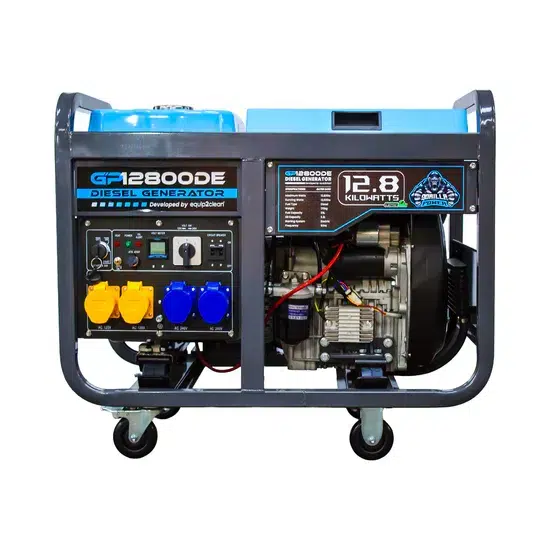
Right then, let’s talk about diesel electric generators. If you’re running a food truck, a market stall, or even just need reliable backup power for your business, choosing the right one can feel a bit daunting. There are loads of options out there, and you don’t want to end up with something that’s too small or way too big for what you actually need. This guide is here to break it all down, making sure you get a diesel electric generator that fits the bill perfectly, without any fuss.
Key Takeaways
-
Figure out exactly how much power you need, both for things running normally and for when they first start up. Don’t forget to think about any extra gear you might add later.
-
Match the generator’s output to your power needs. Consider if everything will be on at once or if you’ll stagger your usage to get the best fit.
-
Look at how much fuel a diesel electric generator uses and how long it can run on a tank. Quieter models are also a big plus, especially if you’re working near people.
-
Check the build quality and how tough the generator is. Think about where you’ll put it and if you need to move it around.
-
Remember that regular maintenance is key to keeping your diesel electric generator running smoothly for years to come. Factor in the long-term costs, not just the initial price.
Understanding Your Power Needs
Right then, let’s get down to brass tacks. Before you even look at a generator, you need to know what you’re powering. Get this wrong, and you’ll either have a generator that’s too small and keeps tripping out, or one that’s way too big and costs a fortune to run. For us mobile caterers, this is key. We’ve got fridges, fryers, lights, maybe even a sound system for events. All these things need juice.
Calculating Essential Running Watts
This is the power your kit needs to just keep going. Think of it as the steady hum of your business. You need to add up the watts for everything you’ll have running at the same time. Check the labels on your equipment, or the manuals. They’ll usually list the wattage. If they only give you amps and volts, you can work it out: Watts = Volts x Amps. Do this for all your main appliances.
-
Fridge/Freezer: Needs to run constantly to keep food safe.
-
Lights: Essential for working after dark or in marquees.
-
Coffee Machine/Water Heater: High-demand items.
-
POS System/Card Reader: Don’t forget the tech!
The total of these running watts is your baseline.
Accounting for Starting Surges
This is where things get a bit tricky. Motors in things like fridges, freezers, and blenders need a big kick of power to get going. This ‘starting surge’ can be two or even three times their normal running wattage. So, you need to find the highest starting surge among your appliances and add that to your total running watts. This gives you your peak demand.
Your generator needs to handle this initial surge without a problem.
Here’s a quick example:
|
Appliance |
Running Watts |
Starting Watts (approx.) |
Total Watts Needed (Running + Surge) |
|---|---|---|---|
|
Fridge |
150W |
450W |
600W |
|
Fryer |
1500W |
1500W |
3000W |
|
Lights (LED) |
50W |
50W |
100W |
|
Coffee Machine |
1000W |
1000W |
2000W |
|
Total |
2700W |
3100W |
5700W |
In this example, you’d need a generator that can supply at least 5700W to get everything started and running smoothly.
Considering Future Power Demands
What about next year? Or the year after? You might be thinking of adding a new piece of kit, like a bigger griddle or an extra fridge. It’s always wise to add a bit of headroom to your calculations. Aim for a generator that’s about 20-25% more powerful than your current maximum need. This way, you won’t need to buy a new generator if you expand your menu or equipment.
Don’t just guess your power needs. Make a list of everything you use, check the labels, and add it all up. It’s worth spending a bit of time on this now to save yourself headaches later. Safety first – always make sure your wiring is up to scratch too.
Choosing the Right Diesel Electric Generator Size
Right, let’s talk about getting the size spot on. Too small and you’ll be left in the dark, too big and you’re just wasting fuel and cash. For us mobile caterers, this is key – you need enough juice for your fryers, fridges, and lights, without breaking the bank.
Matching Generator Output to Your Load
First things first, figure out what you actually need to power. Make a list of all your kit: fridges, freezers, ovens, lights, tills, maybe even a sound system. Jot down how many watts each bit needs to run. The trick is to add up the running watts of everything you’ll have on at the same time. Don’t forget those big appliances that need a kick-start – they use way more power for a few seconds when they switch on. You need to factor in the biggest ‘starting surge’ from your list and add that to your total running watts. This gives you your peak demand.
|
Appliance |
Running Watts |
Starting Watts |
|---|---|---|
|
Fridge/Freezer |
150 |
750 |
|
Fryer |
2000 |
2000 |
|
Lights (x5) |
50 |
50 |
|
Till |
100 |
100 |
|
Total Running |
2300 |
|
|
Largest Surge |
750 |
|
|
Peak Demand |
3050 |
So, for this example, you’d need a generator that can handle at least 3050 watts. Aim a bit higher, though, to be safe. A generator running at its absolute limit isn’t happy. Look for one rated around 3500-4000 watts to give it some breathing room. This helps it last longer and run more smoothly. Check out generator sizing guides for more detailed calculations.
The Impact of Load Diversity
Now, think about how you actually use your gear. Do you really have the fryer, the oven, and the fridge all kicking off at the exact same second? Probably not. This is ‘load diversity’. You might not need a generator that can power absolutely everything at its peak all at once. If you can stagger your equipment’s start-up times, you might get away with a slightly smaller, more efficient generator. For instance, you might turn on the fridge first, then the fryer a minute later. This means you can potentially use a generator that’s a bit smaller than your absolute peak calculation suggests. It’s about being smart with your power usage.
Understanding Generator Ratings
Generators have different ratings. You’ll see ‘prime power’ and ‘standby power’. For us, ‘prime power’ is usually what we’re after – that’s the power it can supply continuously. ‘Standby’ is more for when the mains power goes out. Also, look at the kW (kilowatts) and kVA (kilovolt-amperes) ratings. They’re related but not quite the same. For most catering gear, kW is the number to focus on. A good rule of thumb is that a generator is happiest running at about 80% of its maximum capacity. Pushing it to 100% all the time will shorten its life. So, if your peak demand is 3050 watts (which is 3.05 kW), you’ll want a generator rated for at least 4 kW (or around 5 kVA) to be comfortable.
Always check the manufacturer’s specs. Some generators are built tougher than others and can handle higher loads for longer. Don’t just guess; do your homework on the specific model you’re looking at.
Getting the size right means less hassle, lower fuel bills, and happier customers because your food’s always cooking and your lights are always on. It’s worth taking the time to get this bit sorted before you buy.
Key Features for Your Diesel Electric Generator
Right, let’s talk about the bits and bobs that make a diesel generator actually useful for your catering business. It’s not just about raw power; it’s about how it works for you.
Evaluating Fuel Efficiency and Runtime
This is a big one for us mobile caterers. You don’t want to be running back to the fuel station mid-service, do you? Diesel generators are generally pretty good on fuel compared to petrol ones, but there’s still a difference between models. Look for a generator that gives you plenty of hours on a full tank. This means less hassle and fewer interruptions when you’re busy serving customers.
-
Check the kWh/litre rating: This tells you how much power you get for each litre of fuel. Higher is better.
-
Consider the tank size: A bigger tank means longer runtime. Simple as that.
-
Think about your longest event: Will the generator last the whole day, or will you need to refuel? Plan accordingly.
For example, if you’ve got a 10-hour festival gig, you’ll need a generator that can comfortably manage that without needing a top-up. It’s worth checking out diesel generators for their fuel efficiency as they often offer better value over time.
Assessing Noise Levels and Sound Attenuation
Nobody likes a racket, especially when you’re trying to create a nice atmosphere for your customers. While diesel generators are often quieter than petrol, some can still be pretty loud. If you’re working in a built-up area or a place with noise restrictions, this is super important.
-
Look for ‘silent’ or ‘super-silent’ models: These have special enclosures to keep the noise down.
-
Check the decibel (dB) rating: Lower is better. Aim for something under 70dB if possible.
-
Consider where you’ll be setting up: Will the noise bother your customers or neighbours?
A generator that’s too loud can really spoil the vibe and even get you complaints. It’s worth spending a bit more for a quieter unit if noise is a concern for your business.
Exploring Automatic Start and Transfer Switches
Okay, this might sound a bit fancy, but for businesses, it’s a game-changer. An automatic transfer switch (ATS) means that if your main power cuts out, the generator kicks in all by itself. No need for you to dash out and flick a switch.
-
Automatic Start: The generator fires up automatically when it detects a power loss.
-
Automatic Transfer: The ATS switches your equipment from the mains to the generator power.
-
Safety First: This ensures your equipment doesn’t lose power for even a second, protecting sensitive electronics and preventing food spoilage.
This feature is brilliant for keeping your fridges running and your fryers hot without any fuss. It means you can focus on serving food, not worrying about power cuts.
Durability and Practical Considerations
Assessing Build Quality and Manufacturer Reputation
When you’re out on the road, your generator takes a beating. Think about it: vibrations, weather, constant use. You need something tough. Look for solid metal casings and reputable brands known for making gear that lasts. A generator that feels flimsy probably won’t stand up to the demands of a busy festival or a long weekend catering event. Check reviews, ask other caterers what they use. A good manufacturer will stand behind their product with a decent warranty, too.
Considering Physical Size and Portability
Space is always tight in a catering van or trailer, right? So, the generator’s size matters. You don’t want it hogging all your valuable storage. If you need to move it often, perhaps between jobs or to a different spot on-site, think about weight and whether it has sturdy wheels or handles. Some are designed to be compact and easy to manoeuvre, which is a lifesaver when you’re setting up quickly.
-
Compact footprint: Fits easily into tight spaces.
-
Integrated wheels: Makes moving it a one-person job.
-
Lifting points: Useful if you need to hoist it into a van.
Understanding Environmental Factors
Your generator will be exposed to the elements. Rain, dust, extreme temperatures – it all takes a toll. Look for generators with good weatherproofing. An enclosure that protects the engine from dust and moisture is a big plus. If you’re working in really hot conditions, make sure it has adequate cooling. Overheating can lead to breakdowns, and that’s the last thing you need when you’ve got a queue of hungry customers.
Always check the generator’s IP (Ingress Protection) rating. A higher rating means better protection against dust and water. For outdoor catering use, aim for at least IP23.
Maintenance and Long-Term Value
The Importance of Regular Servicing
Keeping your generator in tip-top shape is a must. Think of it like your van – regular checks stop big problems down the road. For mobile caterers, downtime means lost earnings, so a bit of TLC for your generator is non-negotiable.
-
Check fluids: Oil and coolant levels need topping up.
-
Clean filters: Air and fuel filters get clogged. Swap them out.
-
Listen for odd noises: Grinding or knocking? Get it checked pronto.
A well-serviced generator lasts longer and performs better.
Ensuring Access to Parts and Support
When something does go wrong, you don’t want to be left hanging. Look for brands that have a good reputation for support. Can you easily get hold of spare parts? Is there a local engineer who knows the make and model?
-
Ask about warranties: What do they cover, and for how long?
-
Check parts availability: Can you get filters, belts, or other bits quickly?
-
Find a trusted engineer: Get recommendations for who can fix it if needed.
Choosing a generator from a well-known brand often means better support and easier access to parts, saving you headaches later.
Calculating Total Cost of Ownership
Don’t just look at the sticker price. The real cost includes fuel, maintenance, repairs, and how long it’s likely to last. A cheaper generator might cost you more in the long run if it’s always breaking down or guzzles fuel.
|
Item |
Estimated Cost (Annual) |
Notes |
|---|---|---|
|
Fuel |
Varies |
Depends on usage and fuel prices |
|
Routine Maintenance |
£100 – £300 |
Oil changes, filter replacements |
|
Unexpected Repairs |
£0 – £500+ |
Budget for the occasional hiccup |
|
Parts |
Varies |
Filters, belts, etc. |
|
Total |
Variable |
Focus on reliability to minimise costs |
Consider how many hours you’ll run it each week. More hours mean more fuel and more wear and tear, so factor that into your budget.
Applications for Diesel Electric Generators
Right, so you’ve got your generator sorted. Now, where can you actually use this beast? Diesel generators are proper workhorses, and they pop up in all sorts of places.
Backup Power for Businesses
Power cuts happen. When they do, your business can’t just stop. A diesel generator kicks in, keeping the lights on, the tills ringing, and the freezers cold. Think about a local shop – if the power goes, so does the refrigeration. A generator means no lost stock. For offices, it means computers stay on, and work doesn’t grind to a halt. It’s about keeping things ticking over.
-
Keeps essential equipment running.
-
Prevents stock loss in food businesses.
-
Maintains IT systems and data.
-
Ensures continuity for critical services.
Safety Note: Always make sure your backup generator is installed by a qualified electrician. Improper setup can be dangerous.
Primary Power for Remote Sites
Got a building site miles from anywhere? Or maybe a farm out in the sticks? Mains electricity isn’t always an option. That’s where a diesel generator shines. It’s your main power source, no ifs, no buts. You can run tools, lights, even temporary offices. It’s the power you need, where you need it, without waiting for the grid.
-
Powers tools and machinery on site.
-
Provides lighting for extended working hours.
-
Runs welfare facilities like site offices and canteens.
For remote sites, fuel storage is a big consideration. Plan your fuel deliveries well in advance to avoid running dry.
Portable Solutions for Events
Planning an outdoor event? A wedding, a festival, or a food market? You’ll need power for lights, sound systems, food stalls, and maybe even a stage. Portable diesel generators are perfect for this. They’re built to be moved, so you can set them up where they’re needed most. Look for models with good soundproofing if you don’t want your generator to be the loudest thing at the party!
|
Application |
Power Needs Example |
Generator Size (kVA) |
Notes |
|---|---|---|---|
|
Food Stall |
Fryers, fridges, lights, card machines |
10-20 kVA |
Needs to be quiet if near customers. |
|
Mobile Bar |
Fridges, pumps, lighting, sound system |
5-15 kVA |
Consider fuel runtime for a full day. |
|
Small Stage/PA |
Amplifiers, microphones, lighting |
20-50 kVA |
Ensure stable power for sound equipment. |
|
General Event Site |
Lighting towers, toilets, general site power |
50 kVA+ |
Multiple units might be needed. |
Top Tip: When powering catering equipment, make sure your generator can handle the starting surge of things like fridges and freezers, not just their running power.
So, What’s the Takeaway?
Right then, choosing a diesel generator might seem a bit much at first, but hopefully, this guide has made it a bit clearer. It’s all about figuring out exactly what you need it for, how much power you’ll actually use, and then looking at things like how long it can run and how noisy it is. Don’t forget to think about maintenance down the line too – a bit of looking after goes a long way. Take your time, do your sums, and you’ll find a generator that does the job without any fuss. Happy powering!
Frequently Asked Questions
How do I figure out how much power I actually need?
It’s pretty straightforward, really! You just need to add up the power that all the bits of kit you want to run will use. Think about what you’ll be using at the same time. Also, remember that some things, like motors, need a big kick of power to get going – this is called ‘starting watts’. You’ll need to factor that in too, so your generator doesn’t get a shock when it starts up!
What’s the difference between running watts and starting watts?
Good question! ‘Running watts’ is the power something needs to just keep going, like a light bulb or a fridge humming along. ‘Starting watts’, on the other hand, is that extra burst of power needed to get things like motors moving. It’s usually much higher than the running watts. You’ve got to make sure your generator can handle that initial surge!
Why is fuel efficiency so important for a diesel generator?
Basically, it saves you money and means you don’t have to stop as often to fill up. Diesel engines are generally pretty good on fuel, but some are better than others. If you’re planning on running your generator for ages, picking one that sips fuel rather than guzzles it will make a big difference to your running costs. Less refuelling also means less hassle, especially if you’re out and about at an event.
How long can a generator run on a full tank?
That’s called the ‘runtime’, and it really depends on the size of the fuel tank and how much power the generator is using. Bigger tanks and more efficient engines mean longer runtimes. If you need power for a whole day or night without interruption, you’ll want to look for a generator with a decent runtime so you’re not constantly topping it up.
Do diesel generators make a lot of noise?
They can, but manufacturers have got much better at making them quieter. Many modern diesel generators come with special sound-dampening enclosures. These can make them surprisingly quiet, so much so that you can often have a normal chat right next to one. It’s definitely worth checking the noise level (usually measured in decibels) if you’re going to be using it somewhere where noise is an issue, like a campsite or a busy street.
What’s an ‘automatic transfer switch’ and do I need one?
An automatic transfer switch (ATS) is like the generator’s brain. It sits between your main power supply and your generator. If the main power goes out, the ATS senses it straight away and tells the generator to switch on. Then, it switches your power over to the generator. When the main power comes back, it switches you back and tells the generator to turn off. It’s super handy for backup power, especially if you’re not always around to flick switches yourself!