
Choosing the Right Commercial Hot Plates for Your UK Kitchen


So, you’re looking to get some new commercial hot plates for your kitchen, eh? It can be a bit of a minefield with all the options out there. Whether you’re running a busy cafe, a food truck, or a large restaurant, getting the right bit of kit is super important. We’ll help you figure out what to look for, so you can get cooking without any fuss.
Key Takeaways
-
When picking commercial hot plates, think about whether gas or electric is best for your kitchen’s setup and your cooking style. Gas heats up fast, while electric can be easier to install.
-
The material and surface of your hot plate matter. Steel is common and economical, chromed steel offers better heat transfer and less sticking, and ceramic glass is energy-efficient.
-
Consider the burner setup and heat controls. More burners mean more cooking capacity, and precise controls help you cook different dishes perfectly.
Understanding Your Commercial Hot Plate Options
Right then, let’s get down to brass tacks about commercial hot plates. When you’re out there in the mobile catering world, whether it’s a food truck, a trailer, or a pop-up stall, having the right bit of kit is absolutely key. It’s not just about cooking food; it’s about doing it efficiently, safely, and consistently, no matter where you are.
Gas Versus Electric: Which Powers Your Kitchen Best?
This is probably the first big question you’ll face. Both gas and electric have their pros and cons, and what’s best really depends on your setup and what you’re cooking.
-
Gas Hot Plates:
-
Pros: Generally, gas heats up quicker and recovers its temperature faster. This is a massive plus when you’re in the thick of a busy service and need to get food on and off quickly. Think of those moments when you’ve just served a load of burgers and need the griddle back up to temp pronto – gas often wins here. They’re also often a bit more forgiving if your power supply is a bit dodgy, which can happen on some event pitches.
-
Cons: You’ll need a reliable gas supply, usually propane bottles for mobile setups. Installation might also require a Gas Safe registered engineer, which is an extra step and cost, but a necessary one for safety.
-
-
Electric Hot Plates:
-
Pros: Electric units can be a doddle to install – often just plug and play, assuming you have the right power outlet. They can also be a bit more precise with temperature control in some models, and they don’t require gas bottles to be lugged around. For smaller setups or where gas isn’t an option, electric is a solid choice.
-
Cons: They can take a bit longer to heat up and recover their temperature compared to gas. If you’re doing high-volume cooking, that recovery time can make a difference. You’re also reliant on a stable and sufficient power supply, which might be a limitation at certain outdoor venues.
-
For mobile catering, gas often gets the nod for its speed and responsiveness, but electric is definitely worth considering if you have easy access to power and prefer simpler installation.
Plate Materials and Surfaces: Finding the Perfect Cooktop
Once you’ve decided on power, you need to think about the actual cooking surface. This is what your food touches, so it matters!
-
Steel Plates: These are your workhorses. They’re versatile, generally more affordable, and good for all sorts of cooking. However, they do need a bit of TLC to keep them in good nick and prevent wear and tear. A polished steel plate, like you see on some countertop griddles, offers good heat distribution.
-
Chromed Steel Plates: These have a special finish that makes them really good at transferring heat directly to your food. A big bonus is that they also emit less heat into your kitchen, which can make a difference on a hot day in a confined trailer. Plus, food tends to stick less, and they’re usually a doddle to clean if you follow the care instructions.
-
Cast Iron Plates: You’ll often find these on more traditional-style griddles. Cast iron is brilliant at holding heat – it gets hot and stays hot. This means even cooking and a nice residual heat even after you’ve turned it off, which can be handy for keeping things warm. They’re great for that classic, slightly richer cooking style where food cooks in its own juices.
-
Surface Types:
-
Flat: Perfect for things like pancakes, eggs, or anything you don’t want grill marks on. It’s a solid all-rounder.
-
Ribbed: These have grooves that channel away fat and grease. Ideal for searing meats and fish, giving you those attractive grill lines and a slightly healthier result as the fat drains away. Not so good for delicate items like eggs, though!
-
Combination (Half Flat/Half Ribbed): The best of both worlds! This gives you the flexibility to cook different things at the same time. You can sear your burgers on the ribbed section and cook your eggs or onions on the flat part. Very popular for versatility.
-
Think about your core menu. If you’re doing a lot of burgers and steaks, a ribbed or combo surface is a good bet. If it’s more about breakfast items or pancakes, a flat surface will serve you better. For mobile catering, a combo surface often offers the most flexibility for a varied menu.
Key Features for Efficient Commercial Hot Plate Use
When you’re out there in the mobile catering world, every bit of kit needs to pull its weight. Your hot plate is no different. Getting the right one, and knowing how to use it efficiently, can make a massive difference to your service. Let’s break down some of the important bits to look out for.
Burner Configuration and Heat Control
This is all about how you get the heat and how precisely you can manage it. For mobile catering, you want something that heats up quickly and can be adjusted on the fly. Think about what you’re cooking most often.
-
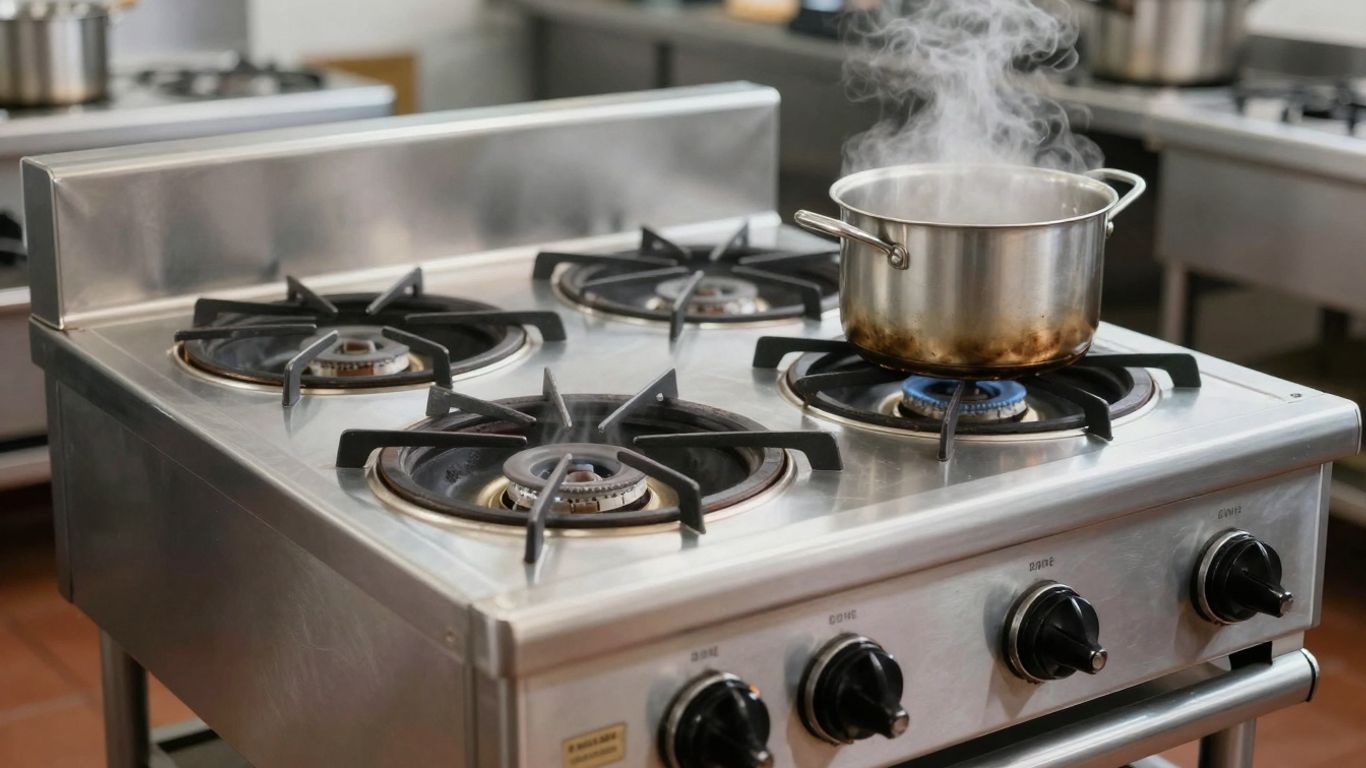
Number of Burners: More burners mean you can cook multiple things at once, or have different heat zones. A two-burner hob might be fine for a small trailer, but if you’re doing a busy event, you might need four or even six. Parry’s AG4HP, for example, has four burners, giving you a good amount of cooking space.
-
Burner Type: Gas burners, especially powerful ones like those found in many Parry or Lincat models, tend to heat up faster than electric. This is a big plus when you’re trying to get food out quickly during a rush.
-
Heat Control: Look for independent controls for each burner or zone. This is super handy. You can keep one burner on a low simmer while another is on high heat for searing. Many Lincat Silverlink models offer this, with separate heat zones that you can switch off during quieter periods to save gas.
-
Piezo Ignition: This is a small but useful feature. It means you don’t need a separate lighter to get the gas going. Just press a button, and it sparks up. Loads of gas hobs and griddles come with this as standard, like the Parry PGF800G griddle.
Durability and Maintenance Considerations
Your equipment is going to get a battering in mobile catering. It needs to be tough and easy to clean. Nobody wants to spend ages scrubbing down equipment when they could be serving customers.
-
Material: Stainless steel is your best friend here. It’s strong, doesn’t rust easily, and wipes down a treat. Most commercial hot plates and hobs are made from it, like the Infernus griddles or the Parry AG4HP hob.
-
Plate Thickness (for Griddles): If you’re looking at a griddle, the thickness of the plate matters. A thicker plate, say 12mm or even 20mm like on the Infernus 60cm griddle, holds heat better and more evenly. This means fewer hot spots and more consistent cooking, even when you add a lot of food at once.
-
Removable Parts: Things like drip trays for grease and fat are a lifesaver. Being able to just pull them out and empty them makes cleaning so much quicker. Many griddles, such as the Lincat Silverlink GS4/P, have these built-in.
-
Ease of Access: Can you get to the bits that need cleaning easily? Some units come apart a bit, or have removable hob tops, which makes a big difference for deep cleaning. This is important for hygiene and keeping your equipment running smoothly.
-
Flame Failure Device: This is a safety feature, but it’s also about reliability. If the flame goes out, it automatically cuts off the gas supply. This is standard on most good quality gas equipment, like the Parry PGF1000G griddle, and it’s a must-have for safety and peace of mind.
Want to get the most out of your commercial hot plate? Understanding its key features can make a big difference in your kitchen’s efficiency. From even heat distribution to easy cleaning, these elements are vital for smooth operation. Discover how the right hot plate can transform your cooking process. Visit our website today to explore our range and find the perfect fit for your business!
So, what’s the verdict?
Right then, choosing the right hot plate for your kitchen doesn’t have to be a massive headache. Whether you’re after a simple hob for a small food truck or a big, beefy griddle for a busy pub kitchen, there’s definitely something out there. Think about what you cook most, how much space you’ve got, and, of course, your budget. Gas tends to heat up quicker, which is handy when you’re slammed, but electric can be a bit more straightforward to install. Don’t forget to check out the build quality – you want something that’ll last. And hey, if you’re unsure, having a chat with the suppliers or even a Gas Safe engineer can really help clear things up. Happy cooking!
Frequently Asked Questions
Gas or Electric: Which hot plate is best for my kitchen?
It really depends on what you’re cooking and your kitchen setup! Gas hot plates tend to heat up and cool down quicker, which is brilliant when you’re super busy. Electric ones can be a bit easier to pop anywhere and come in all sorts of sizes, making them a good shout for smaller places or if you’re moving around a lot with your catering van. Both do a cracking job, so think about speed versus flexibility!
What’s the deal with different plate materials?
You’ll see plates made from steel, chromed steel, or even ceramic glass. Steel plates are your everyday workhorses – tough and versatile, but they need a bit of TLC to keep them in top nick. Chromed steel is a bit fancier; it’s great at keeping heat in your food, means less heat escapes into your kitchen, and stops things from sticking. Plus, it’s a doddle to clean if you look after it. Ceramic glass is a super conductor, so it heats up fast and saves energy, but you’ll need a special scraper to keep it clean.
How do I make sure my hot plate lasts?
To keep your hot plate in tip-top shape, regular cleaning is key. Wipe it down after each use to get rid of any food bits or grease. For gas models, make sure the burners are clear. If you’ve got a stainless steel model, a good polish now and then will keep it looking smart. Most importantly, always follow the manufacturer’s instructions for cleaning and maintenance – they know their kit best!