

Your Essential Checklist for Buying a Food Truck in the UK


Thinking about buying a food truck in the UK? It’s a big step, and honestly, it can feel a bit overwhelming at first. There’s a lot to consider, from what kind of food you’ll serve to all the paperwork involved. This guide is here to break down the process, making sure you’re well-prepared for your food truck adventure. We’ll cover the basics, the rules, the vehicle itself, and how to get the word out about your delicious offerings. Let’s get started on making your mobile catering dream a reality.
Key Takeaways
-
Before you buy a food truck in the UK, clearly define your niche and menu. This decision impacts the equipment you’ll need and the overall design of your mobile kitchen.
-
Familiarise yourself with UK food truck regulations. This includes understanding street trading licences, food business registration, and rules for trading on private land or at events.
-
When choosing your vehicle, prioritise reliability and sufficient headroom. Consider the size and type of vehicle that best suits your menu and operational needs.
-
Ensure you have all necessary health, safety, and legal certificates, such as gas safety certificates and food hygiene plans, before you start trading.
-
Develop a solid marketing plan, including a strong online presence and social media strategy, to effectively reach your customers and build a loyal following.
Understanding Your Food Truck Business Plan
Defining Your Niche and Menu
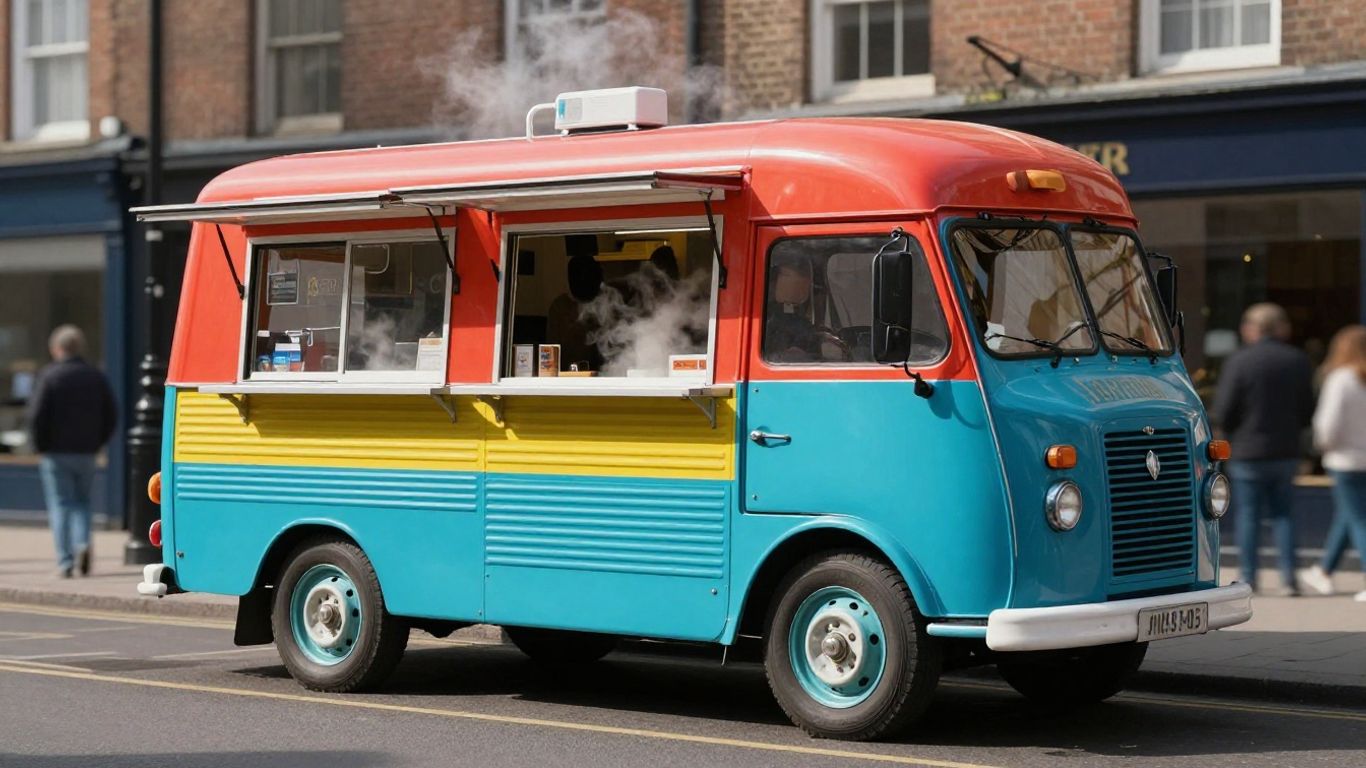
What kind of food will you serve? This is the first big question. Think about what you love to cook and what people want to eat. Do you want to do classic burgers, but with a twist? Or maybe something a bit different, like Ethiopian food? It’s good to look at what other food trucks are doing, but also see if there’s something missing that you can offer. A clear menu is key. It tells people what to expect and helps you plan your shopping and equipment.
-
Popular Choices: Burgers, hot dogs, fish and chips, tacos.
-
Unique Ideas: Vegan options, specific regional cuisines (e.g., Malaysian, Filipino), healthy breakfasts.
-
Action: Draft a sample menu. List your main dishes and think about prices.
Essential Equipment for Your Chosen Cuisine
Once you know your menu, you need to figure out what kit you’ll need. A burger van needs different gear to a pizza truck. Think about cooking appliances, fridges, prep surfaces, and sinks. Don’t forget storage for ingredients and packaging. Getting the right equipment from the start saves a lot of hassle later.
-
Cooking: Grills, fryers, ovens, hobs.
-
Storage: Fridges, freezers, dry storage shelves.
-
Prep: Work surfaces, sinks (hot and cold water), chopping boards.
Creating a Robust Business Plan
This is your roadmap. It’s not just for banks; it’s for you. It helps you think through everything from who your customers are to how much money you need and expect to make. A good plan shows you’ve done your homework.
-
What’s in it?
-
Summary: A quick overview of your whole plan.
-
Your Business: What you’ll sell, your unique selling point.
-
Market: Who will buy your food? How many people? What do they like?
-
Competition: Who else is out there? What are they doing well or badly?
-
Money: How much will it cost to start? How much do you expect to earn?
-
Goals: What do you want to achieve in the first year, three years, five years?
-
A business plan helps you spot problems before they happen. It’s a living document, so update it as you go.
Navigating UK Food Truck Regulations
Getting your food truck on the road legally means understanding a few key rules. It’s not as complicated as it sounds, but you do need to get it right to avoid trouble.
Street Trading Licences and Consents
You can’t just park up and start selling anywhere. Most towns and cities have specific rules about where food trucks can trade. Public spaces are usually divided into different types:
-
Licensed Streets: You need a specific Street Trading Licence to operate here. Your local council issues these.
-
Consent Streets: These require a Street Trading Consent. Again, check with your local council.
-
Prohibited Streets: Trading is banned here. These are often busy roads or unsafe spots. Trading illegally can lead to big fines.
Costs for licences and consents vary a lot between councils. Always check this early on for your budget.
Food Business Registration Essentials
Before you sell your first bite, you must register your food business. Do this at least 28 days before you plan to start trading. You can register online via the GOV.UK website. This applies whether you’re buying a new truck or taking over an existing one.
Understanding Private Land and Event Trading
Trading on private land, like a pub car park or at a festival, often has different rules. You’ll need permission from the landowner or event organiser. Sometimes, you might still need council permission, even on private sites. It’s always best to ask your local council to be sure. Getting this wrong can lead to fines or your trading licence being pulled.
Always confirm the specific rules with your local council. They are the best source of information for your area. Don’t assume anything; a quick call can save a lot of hassle later.
Essential Vehicle Considerations
Choosing the Right Vehicle Type
Think about what you’ll be cooking. A small trailer might work for a coffee stand, but a larger van is needed for a full kitchen. Popular choices include converted vans like the Mercedes Sprinter, which offer good headroom. Consider trailers if you want to tow your kitchen. The vehicle must suit your menu and operational needs.
Prioritising Headroom and Reliability
You need to be able to stand up comfortably inside. This makes working much easier and safer. Look for vehicles known for reliability. Breakdowns cost money and lose customers. Older vehicles might need more repairs, so factor that in. A dependable vehicle is key to a smooth operation.
Budgeting for Vehicle Purchase and Conversion
Buying the vehicle is just the start. Converting it into a food truck costs more. Expect to pay £20,000 – £30,000 for a conversion alone. If you need the vehicle sourced too, budget £40,000 – £50,000. Vintage vehicle restoration adds another £15,000 – £20,000 and 3-6 months.
|
Service Type |
Estimated Cost Range |
Notes |
|---|---|---|
|
Vehicle Purchase |
£5,000 – £20,000+ |
Varies greatly by make and model. |
|
Conversion |
£20,000 – £30,000 |
For sourcing and fitting kitchen equipment. |
|
Sourcing & Conversion |
£40,000 – £50,000 |
Includes finding and converting a vehicle. |
|
Restoration & Conv. |
£40,000 – £60,000 |
For vintage vehicles needing repair. |
Remember these are estimates. Get quotes for your specific needs. Don’t forget ongoing costs like insurance and maintenance.
Equipping Your Mobile Kitchen
Getting the right kit for your food truck is a big deal. It’s not just about what looks good; it’s about what works hard and keeps you serving quality food, fast. Your menu is the boss here – it tells you exactly what you need. Don’t skimp on quality; reliable gear saves you headaches and keeps customers happy.
Key Cooking Appliances for Your Menu
Your cooking gear needs to match your food. Think about speed, volume, and how much space you have. Commercial-grade appliances are built to last and handle the pressure.
-
Grills & Griddles: Perfect for burgers, steaks, and flatbreads. Look for even heat distribution.
-
Deep Fryers: Essential for chips, doughnuts, or anything needing a crisp finish. Consider size and oil capacity.
-
Ovens: Convection ovens are great for baking, roasting, and reheating. Combination ovens offer more functions.
-
Stovetops/Burners: For sauces, soups, or boiling. Induction hobs are energy-efficient and safer.
-
Microwaves/Toasters: Useful for quick heating or specific items.
Refrigeration and Storage Solutions
Keeping food safe and fresh is non-negotiable. You need smart storage that makes the most of your limited space.
-
Refrigerators & Freezers: Commercial units are a must. Undercounter models save valuable floor space.
-
Prep Tables with Refrigeration: Combine your workspace with cold storage. Stainless steel is easy to clean.
-
Dry Storage: Shelving and containers keep ingredients, packaging, and cleaning supplies tidy and accessible.
-
Dispenser Units: For cups, lids, or straws, these keep things organised and look professional.
Smart storage isn’t just about tidiness; it’s about efficiency. When you can grab what you need without rummaging, service speeds up, and stress levels drop. Think about how often you’ll use each item and where it needs to be.
Essential Food Preparation Tools
These are your workhorses. Good tools make prep quicker and safer.
-
Food Processors: Chop, slice, and dice in seconds. Look for multiple attachments for versatility.
-
Mixers: Stand mixers for doughs and batters, hand mixers for smaller jobs.
-
Blenders: For smoothies, sauces, and soups. High-powered models are best.
-
Knives & Utensils: Invest in good quality, sharp knives and durable utensils.
-
Scales & Thermometers: Accuracy is key for consistency and food safety.
Health, Safety, and Legal Certificates
Commercial Gas Safety and LPG Certificates
All gas equipment needs annual checks by a Gas Safe engineer. This is a legal must for anyone using LPG. Make sure your engineer is qualified for mobile catering and LPG. They’ll inspect your gear and give you a certificate if it’s safe and legal, following the latest codes. New kit usually comes with certification, but if you’re using a gazebo or market stall, check your gas setup too. Pay attention to piping and regulators. Using LPG safely is key to avoiding trouble.
Portable Appliance Testing (PAT)
While not always a strict legal requirement for every food truck, PAT testing is highly recommended. It checks your electrical equipment is safe to use. Think toasters, blenders, and even your till. A faulty appliance can cause fires or shocks. Regular testing gives you peace of mind and shows you’re taking safety seriously. Keep records of all tests.
Food Hygiene and HACCP Plans
You must have a food safety management system based on HACCP principles. This means identifying potential hazards in your food preparation and storage, and putting controls in place to stop them. Environmental Health Officers will check this during inspections. A good HACCP plan is vital for preventing food poisoning and keeping your customers safe. It’s not just about ticking boxes; it’s about good practice. You can find resources to help you create your plan online, or consider a food hygiene course to get up to speed on food hygiene certificate requirements.
Keeping your food truck compliant with health, safety, and legal certificates isn’t just about avoiding fines. It’s about building trust with your customers and protecting your staff and business from accidents. Get these sorted early.
Licences for Serving Alcohol and Late Hours
Personal and Premises Licences Explained
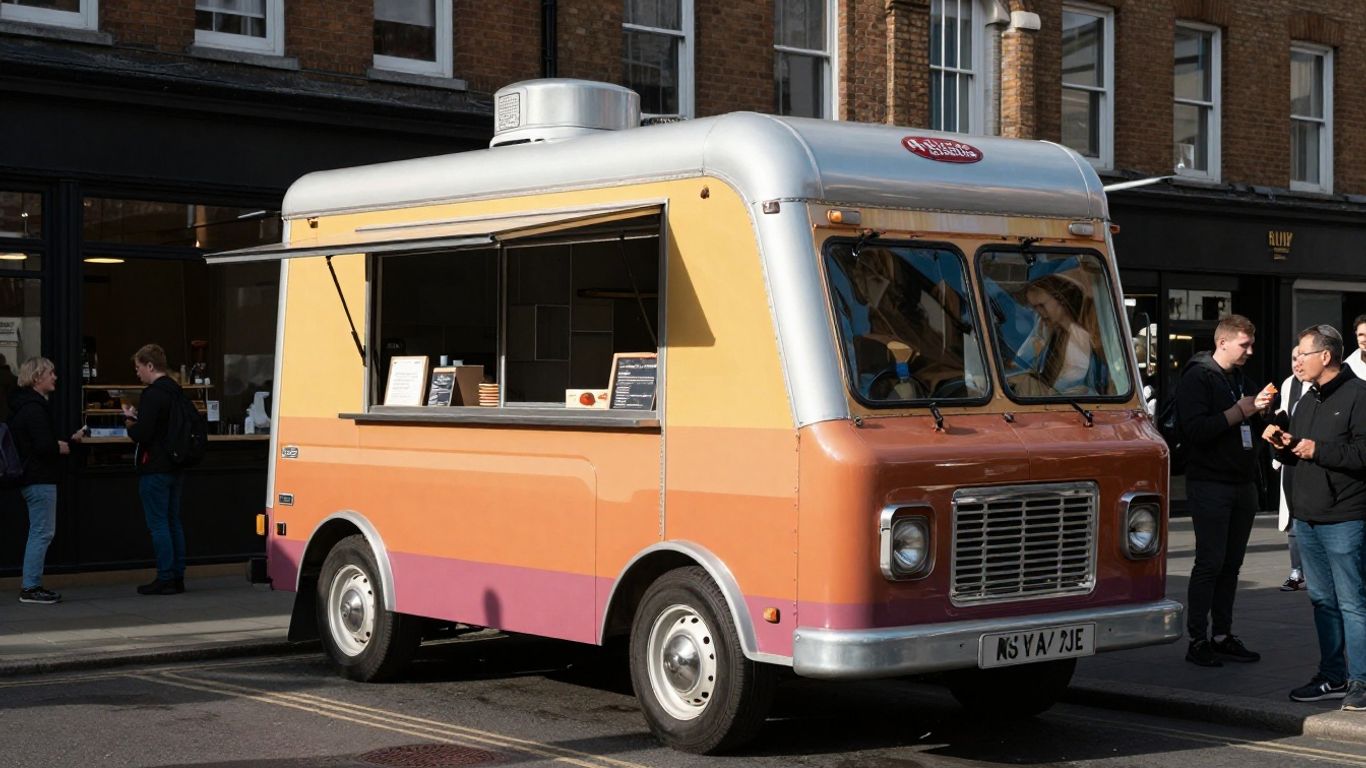
Thinking of adding a tipple to your menu or trading past bedtime? You’ll need specific licences. Selling alcohol means you need both a personal licence (for you) and a premises licence (for your truck). This allows you to legally serve drinks. If you plan to serve hot food or drinks between 11pm and 5am, you’ll also need these licences. It’s about more than just selling; it’s about responsible service. Check with your local council for the exact application process. It can take a few weeks, so don’t leave it until the last minute.
Understanding Council Inspections and Ratings
Once you’re up and running, expect a visit from the council. They’ll check your food hygiene and safety practices. This inspection covers how you handle, store, and prepare food, plus the cleanliness of your truck. You’ll get a rating from 1 to 5. A good rating builds trust with customers. Make sure your Hazard Analysis and Critical Control Point (HACCP) plan is up to date. This plan is vital for food safety. Without it, you’ll likely fail the inspection. Also, have a clear risk assessment ready, detailing potential hazards and how you’ll manage them. Keeping these documents organised makes inspections much smoother.
Marketing Your Food Truck Effectively
Getting your food truck noticed is key. With so many options out there, you need a plan to draw people in. It’s not just about great food; it’s about letting people know where to find you and why they should choose you.
Building an Online Presence
Your website and social media are your digital shopfront. Make it easy for customers to find your location and menu online. A simple, clear website with your trading times and locations is a must. Think of it as your mobile billboard.
-
Website: Keep it updated with your weekly schedule, menu, and contact details.
-
Online Listings: Register on local directories and food truck finder apps.
-
High-Quality Photos: Showcase your food and truck – make it look appealing.
Leveraging Social Media Platforms
Social media is where you connect directly with your customers. It’s free and effective for announcing your location, special offers, and engaging with your audience. Instagram, Facebook, and TikTok are popular choices for food businesses.
-
Daily Updates: Post your location and opening times every day you trade.
-
Engage: Respond to comments and messages quickly. Run polls to ask what customers want to see.
-
Behind-the-Scenes: Share photos of your food prep, your team, or a busy service. It builds connection.
-
Competitions: Run giveaways for free meals or discounts to attract followers.
Remember, consistency is vital. Regular posts keep your truck top-of-mind for potential customers. It’s about building a community around your brand.
Traditional Marketing Approaches
Don’t forget the old-school methods. Flyers, local papers, and even word-of-mouth can still bring in customers. Think about where your target customers are and how you can reach them offline.
-
Local Partnerships: Team up with local businesses for cross-promotion.
-
Loyalty Cards: Encourage repeat business with a simple stamp card.
-
Local Events: Participate in community fairs and markets to increase visibility. This is a great way to build a food truck business.
-
Signage: Ensure your truck itself is well-branded and eye-catching.
Ready to Roll?
So, you’ve looked through all the steps, from picking the right van to getting all your paperwork sorted. It might seem like a lot, but taking it one bit at a time makes it manageable. Remember, a food truck is more than just a vehicle; it’s your business on wheels. Getting the equipment right, understanding the rules, and having a solid plan are the foundations for success. We hope this guide has given you a clear path forward. Now, it’s time to get out there and make your food truck dreams a reality. Good luck!
Frequently Asked Questions
What kind of vehicle is best for a food truck in the UK?
The best vehicle for your food truck really depends on the type of food you plan to serve and the equipment you need. Many people find vans like the Mercedes Sprinter a good choice because they offer plenty of room to stand up and move around inside. It’s important to pick something reliable that won’t break down often, as repairs can be costly and disrupt your business.
Do I need a special licence to sell food from a truck?
Yes, you will likely need several licences. If you plan to sell food on public streets, you’ll need a Street Trading Licence or Street Consent from your local council. You also need to register your food business with the council at least 28 days before you start trading. If you want to sell alcohol or trade very late at night, you’ll need additional personal and premises licences.
What equipment is essential for a food truck?
The essential equipment depends on your menu. However, most food trucks need cooking appliances like griddles, fryers, or ovens, depending on what you’re cooking. You’ll also need good refrigeration to keep food fresh, prep tables for preparing ingredients, and storage for dry goods and supplies. Safety equipment is also a must.
How do I make sure my food truck is safe and legal?
You need to get several safety certificates. This includes a Commercial Gas Safety certificate if you use gas appliances, and regular Portable Appliance Testing (PAT) for your electrical equipment. It’s also highly recommended to get a Food Hygiene Certificate. You’ll also need a plan for food safety called a HACCP plan, which is checked during council inspections.
Where can I legally park and sell from my food truck?
You can’t just park anywhere. Most towns and cities have specific areas where food trucks are allowed to trade. Some streets require a specific licence, while others might need consent. There are also prohibited streets where trading is banned. If you’re on private land or at an event, you’ll need permission from the landowner or organiser, but it’s always a good idea to check with the local council too.
How can I attract customers to my food truck?
Getting the word out is key! Building a strong online presence is very helpful. Use social media platforms like Instagram and Facebook to share where you’ll be each day and what delicious food you’re serving. Having a simple website is also a good idea. Don’t forget traditional methods like local ads or handing out flyers with your social media details.