Coffee Machines for Mobile Coffee Vans in the UK


So, you’re thinking about hitting the road with a coffee van in the UK? Awesome! But before you start brewing up a storm, you need the right gear. The heart of your mobile coffee business is, of course, the mobile coffee machine. Picking the right one can feel like a big decision, with so many options out there. This guide will help you figure out what to look for, what brands are popular, and what else you need to get your coffee van rolling.
Key Takeaways
-
When choosing a mobile coffee machine, think about dual fuel options for flexibility on the go. It’s good to have choices for power.
-
Look for machines built tough, with features that make sense for a van, like compact size and easy cleaning. Durability is a big deal when you’re moving around.
-
Fracino is a well-known UK brand for mobile coffee machines, often offering dual fuel setups. They’re worth checking out.
-
Don’t forget about the practical stuff: how will you power the machine, manage water and waste, and get it installed and serviced? These are super important.
-
A good mobile coffee machine can really boost your business, but you also need to think about the upfront cost, how you’ll pay for it, and what kind of return you can expect.
Choosing Your Mobile Coffee Machine
Picking the right coffee machine for your mobile van is a big deal. It’s not just about making coffee; it’s about making it efficiently, reliably, and to a standard that keeps customers coming back. You’ve got a lot to think about, from how it runs to how much space it takes up.
Understanding Dual Fuel Capabilities
Many mobile coffee vans opt for dual-fuel machines. This means they can run on both electricity and gas (usually LPG). This flexibility is a lifesaver. You might have access to mains power at certain locations, but for those times you’re parked up somewhere remote, the gas option keeps you brewing. It’s like having a backup plan built right in.
-
Electric Power: Great for when you’re plugged in at a market or event. It’s often cleaner and can be more consistent.
-
LPG Gas Power: Your go-to for off-grid operation. It’s powerful and reliable, letting you set up shop anywhere.
-
Combined Use: Some machines let you use both simultaneously, which can be handy for pre-heating or maintaining temperature.
The ability to switch between power sources gives you unparalleled freedom in choosing your pitch.
Key Features for Mobile Operations
When you’re working from a van, space and practicality are everything. You need a machine that’s built tough and designed for life on the move.
-
Compact Design: Look for machines that don’t take up too much counter space. Every inch counts in a van.
-
Durability: Mobile units get bumped around. Stainless steel construction is a good bet for longevity.
-
Ease of Use: You’ll likely be busy, so a straightforward interface is a plus. Less fiddling, more coffee.
-
Water Tank Capacity: If you’re not always near a water hookup, a decent internal water tank is a must.
Think about how many coffees you aim to serve per hour. This will influence the size and power requirements of the machine you need. Don’t get a tiny machine if you’re expecting rush hour crowds!
Selecting the Right Size Mobile Coffee Machine
Machine size is a balancing act. You need something that can handle your expected volume without overwhelming your van’s workspace. Here’s a quick look at common sizes:
|
Machine Size |
Group Heads |
Typical Output (per hour) |
Best For |
|---|---|---|---|
|
Compact |
1-2 |
50-100 |
Small events, solo operators |
|
Medium |
2 |
100-200 |
Moderate volume, established vans |
|
Large |
2-3 |
200+ |
High-volume locations, busy markets |
Consider not just the machine’s footprint but also the space needed for milk fridges, grinders, and your own movement around the machine. It’s easy to underestimate how much room everything takes up.
Top Mobile Coffee Machine Brands
When you’re outfitting a mobile coffee van, the machine you choose is pretty much the heart of your operation. You need something reliable, efficient, and built to handle the demands of being on the move. In the UK, a few brands really stand out for their suitability for this kind of work.
Exploring Fracino’s Range
Fracino is a name that comes up a lot when you’re talking about coffee machines for mobile setups in the UK. They’re known for making their machines right here in Britain, which is a nice touch. A big plus for mobile vendors is their dual-fuel capability. This means you can often run them on LPG or standard electricity, giving you flexibility depending on where you’re parked and what power sources are available. Fracino machines are designed with the mobile catering industry in mind, helping you serve up great coffee wherever you go.
It’s worth noting that if you’re getting a Fracino installed on a mobile catering van, the installation itself usually needs to happen at their headquarters in Birmingham. Also, their warranty is typically ‘back to base’, meaning you’d need to send the machine back to them if any issues pop up.
Considering Other UK Manufacturers
While Fracino is a big player, it’s not the only option. There are other UK-based manufacturers and suppliers who cater to the mobile coffee scene. Some focus on more compact, specialized units, perhaps for smaller vans or carts. Others might offer a wider range of features or different aesthetic designs. It’s a good idea to look around and see who else is out there. You might find a manufacturer that better fits your specific needs or budget. Some companies even specialize in converting existing vehicles into fully kitted-out coffee vans, often including the machine as part of the package. This can simplify the whole process if you’re starting from scratch.
Evaluating Machine Durability
Durability is non-negotiable for a mobile coffee machine. It’s going to be shaken, rattled, and probably exposed to more dust and varied temperatures than a static cafe machine. You want something robust that won’t let you down mid-service. Look for machines with solid construction, good quality internal components, and a track record of reliability. Reading reviews from other mobile vendors can be super helpful here. Think about how easy parts are to get hold of too; if something does break, you want to be able to fix it quickly to get back to serving customers. Some vendors might even offer advice on sustainable power solutions that can complement your machine’s operation.
Here’s a quick look at what to consider:
-
Build Quality: Does it feel solid? Are the materials high-grade?
-
Component Reliability: What are the internal parts made of? Do they have a good reputation?
-
Manufacturer Support: How easy is it to get spare parts or technical help?
-
Warranty: What does it cover, and for how long?
When choosing a machine, think about the daily grind – literally. It needs to withstand constant use, vibrations from travel, and potentially fluctuating power sources. A well-built machine isn’t just about making good coffee; it’s about keeping your business running smoothly day in and day out.
Essential Considerations for Mobile Coffee Setups
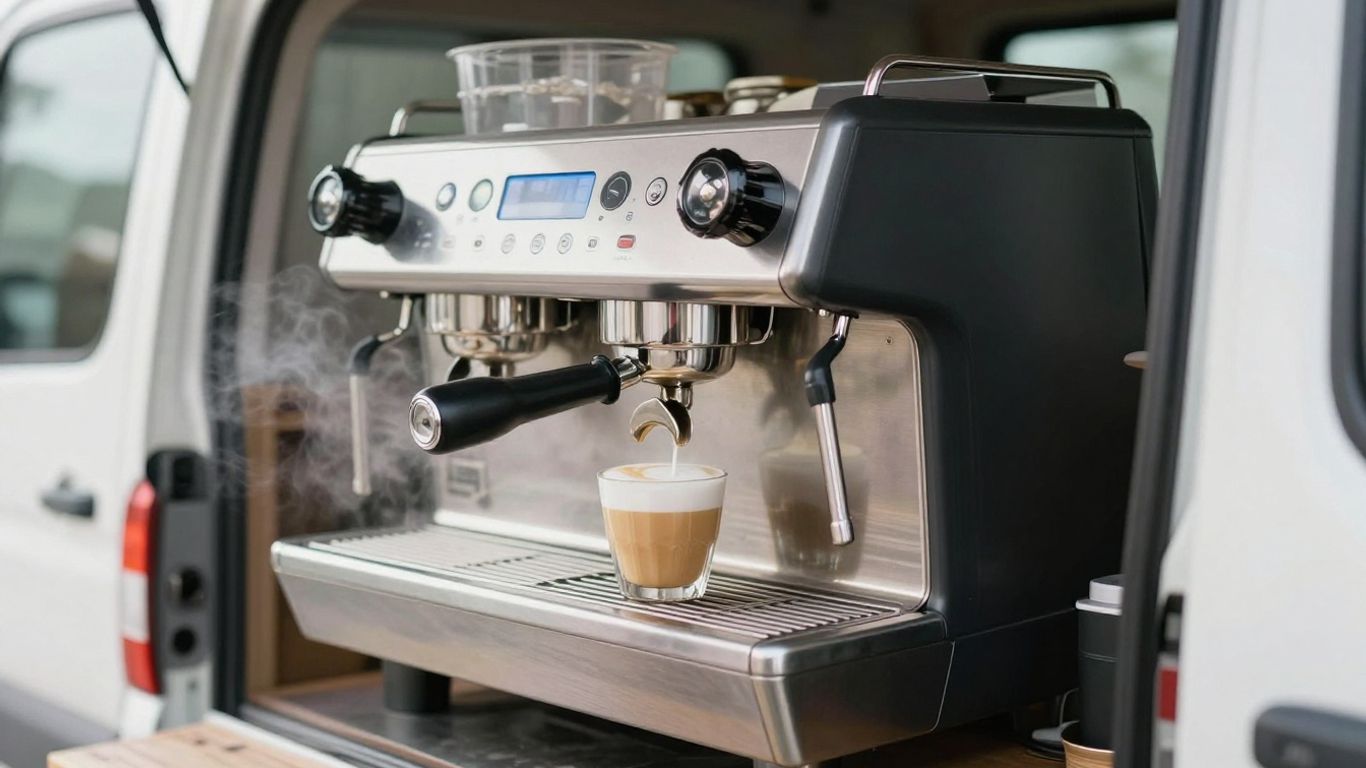
Setting up a mobile coffee van involves more than just picking out a great espresso machine. You’ve got to think about the practicalities of running a business on wheels. Powering your setup is probably the biggest hurdle. Without a reliable energy source, your fancy machine is just a very expensive paperweight.
Powering Your Mobile Coffee Machine
This is where things get interesting. Most mobile coffee vans run on a dual-fuel system, meaning they can operate on both gas (LPG) and electric. This gives you flexibility, especially if you’re parked somewhere without easy access to mains power. You’ll need to consider the power draw of your machine, grinder, fridge, and any other appliances. A common setup might involve a generator or a robust solar power system for off-grid operation, alongside a connection for when you’re at a market with hook-ups.
Here’s a quick look at power sources:
-
LPG (Propane): Great for running the espresso machine directly, often providing consistent heat. You’ll need secure storage for gas bottles and regular checks for leaks.
-
Generators: Offer flexibility but can be noisy and require fuel. Look for models designed for quiet operation if possible.
-
Leisure Batteries & Inverters: Suitable for lower-power items like lighting, POS systems, and small fridges. Can be recharged via your vehicle’s engine, a generator, or solar panels.
-
Mains Hook-up: The simplest option if available, but not always an option on the road.
The weight and space required for power solutions are significant. You need to balance your energy needs with the vehicle’s carrying capacity and layout. Don’t underestimate how much power your equipment actually uses – it’s often more than you think!
Water and Waste Management
Next up, water. You’ll need a fresh water tank and a waste water tank. Regulations dictate the size of these tanks based on the number of drinks you plan to serve. Typically, you’ll need a system that can supply hot and cold water to your sink and coffee machine. Waste water needs to be stored securely and disposed of responsibly. Check local council regulations for specific requirements regarding water and waste disposal for mobile food vendors.
Installation and Servicing Requirements
Getting your machine installed correctly is super important. If you’ve bought a dual-fuel machine, especially from a brand like Fracino, they might require installation at their Birmingham headquarters. This ensures it’s fitted safely and to regulation standards. Always check the warranty terms – some mobile installations might be ‘back to base’ only, meaning you’d have to send the machine back for repairs. Regular servicing is also key to keeping your machine running smoothly and preventing costly breakdowns when you’re out serving customers.
Optimizing Your Mobile Coffee Business
Maximizing Efficiency with Your Machine
Getting the most out of your coffee machine isn’t just about making good coffee; it’s about making it quickly and consistently, especially when you’ve got a queue forming. Think about your workflow. Where do you keep your beans, milk, cups, and lids? Having everything within easy reach means fewer steps and less time spent fumbling around. A well-organized setup is a faster setup. Consider how your machine heats up. Some take longer than others, and knowing this helps you plan your day. If you have a dual-fuel machine, practice switching between gas and electric power so it’s second nature during service.
Here are a few things to think about for speed:
-
Pre-heating: Get your machine and portafilters up to temperature before the rush.
-
Grinder Settings: Dial in your grinder perfectly beforehand. Adjustments during busy periods can be a real time-drain.
-
Milk Steaming: Practice steaming milk efficiently. Don’t overfill the jug, and learn to purge the steam wand quickly.
-
Workflow Layout: Arrange your station so you’re not constantly moving back and forth for supplies.
Customer Experience and Workflow
Your coffee machine is the heart of your operation, but how you use it directly impacts the customer. A smooth, efficient process makes customers happy. If they see you working calmly and quickly, even when busy, it builds confidence. Think about the journey from the customer ordering to them receiving their drink. Is it clear? Is it fast? Are you interacting with them, or just focused on the machine?
Consider these points for a better customer experience:
-
Clear Ordering: Have a visible menu and a simple ordering process.
-
Friendly Interaction: Greet customers warmly and make eye contact, even when you’re busy.
-
Speed and Accuracy: Aim for quick service without sacrificing the quality of the drink.
-
Cleanliness: A tidy workspace reflects professionalism and care.
The best mobile coffee businesses aren’t just about the coffee itself. They’re about the whole package: friendly service, a clean setup, and drinks made with care. People remember how you make them feel, not just how the latte tastes.
Maintenance for Longevity
Your coffee machine is a big investment, and keeping it in top shape means it’ll last longer and perform better. Regular cleaning is non-negotiable. This isn’t just about looks; it’s about taste and preventing build-up that can damage the machine. Daily cleaning should include backflushing the group heads, cleaning the steam wand, and wiping down surfaces. Weekly and monthly tasks might involve descaling and deeper cleaning of internal parts.
Here’s a basic maintenance schedule:
-
Daily: Backflush group heads with water, clean steam wand, wipe down portafilters and drip tray.
-
Weekly: Deeper clean of group heads, descale if water hardness is high, clean grinder burrs.
-
Monthly/Quarterly: Professional servicing, check seals and gaskets, deep clean of water tank and pipes.
|
Task |
Frequency |
Notes |
|---|---|---|
|
Backflushing |
Daily |
Use appropriate cleaning solution weekly |
|
Steam Wand |
Daily |
Purge and wipe after each use |
|
Drip Tray |
Daily |
Empty and clean |
|
Grinder Cleaning |
Weekly |
Brush out old grounds, clean burrs |
|
Descaling |
As needed |
Based on water hardness and usage |
|
Professional Check |
Annually |
Recommended for optimal performance |
Investing in a Mobile Coffee Machine
Budgeting for Your Equipment
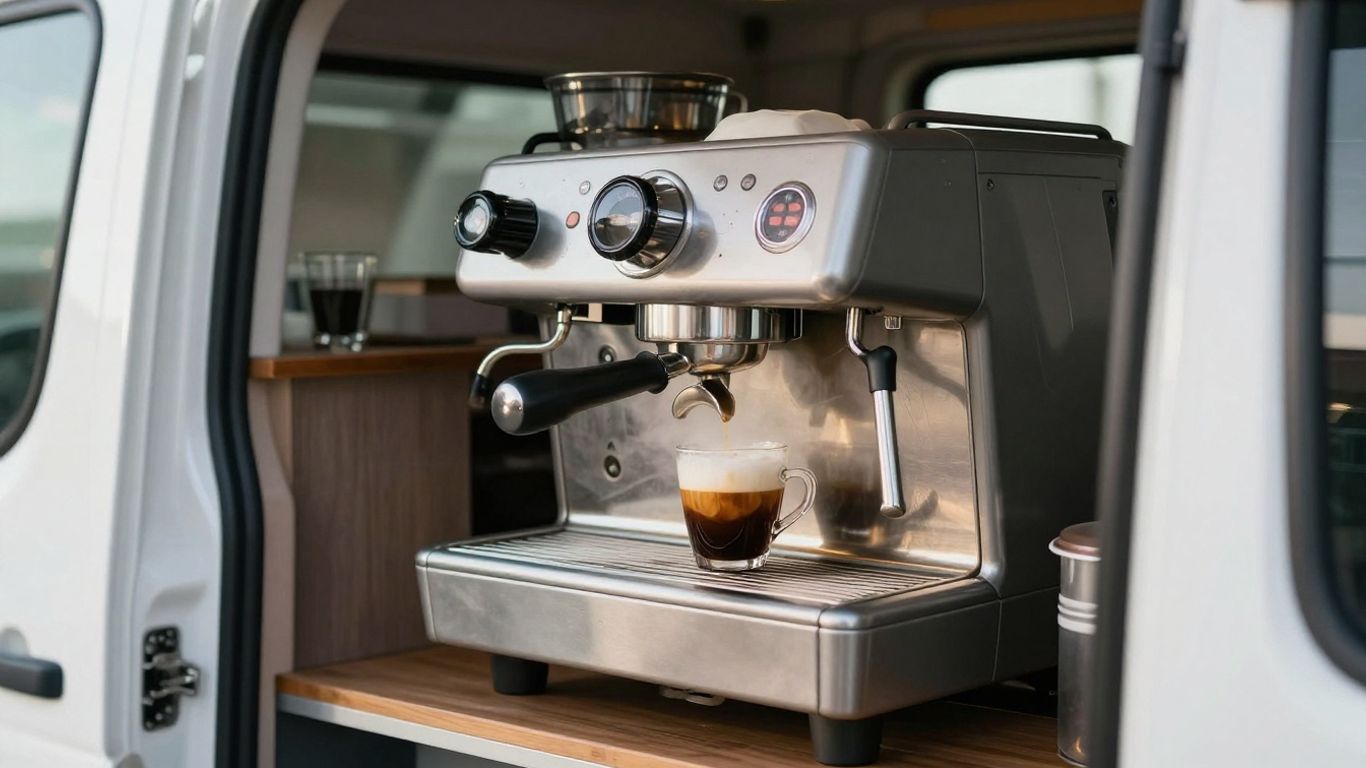
Getting a coffee machine for your mobile van isn’t like buying a toaster, is it? These are serious pieces of kit, and they cost a fair bit. You’ve got to think about the upfront price, sure, but also installation, any necessary modifications to your van, and maybe even a generator if you’re not hooking up to mains power. Don’t forget about the little things too, like grinders, water filters, and knock boxes. It all adds up, so making a detailed list of everything you’ll need is a smart first step. It’s better to overestimate your budget slightly than to run short halfway through setting up.
Financing Options for Mobile Vendors
Most folks starting out don’t have a massive pile of cash just sitting around for a coffee machine. Luckily, there are a few ways to get the funds you need. You could look into business loans from banks or credit unions. Some suppliers might even offer their own financing plans, which can be handy. Another option is leasing the equipment; you pay a monthly fee and don’t own it outright, which can lower the initial cost. It’s worth shopping around to see which option works best for your cash flow.
Return on Investment for Mobile Coffee Machines
So, you’ve bought the machine, now what? You want to see that money come back, right? The speed at which your machine pays for itself depends on a few things. How many coffees can it make per hour? How busy is your spot? What are you charging for your drinks? A good machine, paired with a great location and efficient service, can start making you money pretty quickly. Think about it like this:
-
Volume: More drinks sold means faster ROI.
-
Pricing: Setting the right price point is key.
-
Efficiency: A reliable machine that doesn’t break down saves you time and money.
The goal is to have a machine that not only makes great coffee but also helps you build a steady stream of income. It’s an investment in your business’s future, so choosing wisely really matters.
Here’s a rough idea of what you might expect, though this can change a lot:
|
Machine Type |
Estimated Cost (£) |
Potential ROI Period (Months) |
|---|---|---|
|
Entry-Level Portable |
1,500 – 3,000 |
6 – 18 |
|
Mid-Range Dual Fuel |
3,000 – 7,000 |
12 – 24 |
|
High-End Commercial |
7,000 – 15,000+ |
18 – 36+ |
Wrapping Up Your Mobile Coffee Setup
So, you’re looking to get a coffee machine for your van in the UK? It’s a big step, but totally doable. Whether you’re eyeing up a Fracino dual fuel model made right here, or you’re thinking about a full conversion from folks like The Big Coffee who really know their stuff after 20 years in the game, the key is finding what fits your needs. Don’t forget to think about installation and warranty, especially if you’re going for a UK-made machine. Getting the right gear means you can serve up great coffee wherever the road takes you. Good luck with your mobile coffee adventure!
Frequently Asked Questions
What makes a coffee machine good for a mobile van?
For a mobile coffee van, you need a machine that’s tough and can handle being moved around. It should also be able to run on different power sources, like gas or electricity, because you won’t always have a standard plug. Think about how much coffee you’ll make; a bigger machine can serve more people faster, but a smaller one might be easier to fit and power.
Can I use a regular home coffee machine in my van?
Generally, no. Home machines aren’t built for the bumpy rides and constant use a mobile van experiences. They also usually need a lot of steady power, which can be tricky to provide reliably on the go. Mobile coffee machines are specially designed to be durable and work with the power options available in a van.
What does ‘dual fuel’ mean for coffee machines?
Dual fuel means the coffee machine can run on more than one type of power. Most commonly, it means it can use both propane gas (like from a tank) and standard electricity. This is super handy for mobile vans because you can use gas when you don’t have access to electricity, or vice versa, giving you flexibility.
How important is the size of the coffee machine for my van?
Size matters a lot! You need to make sure the machine fits comfortably in your van without taking up too much space. Consider how much counter space you need for other things and how many customers you expect to serve. A larger machine can make more coffee quickly, which is great for busy times, but a smaller one might be easier to manage if your van is compact.
What about power and water for my mobile coffee setup?
You’ll need a reliable power source, like a generator or a good battery system if you’re using electricity. For water, most mobile setups use onboard tanks for fresh water and a separate tank for wastewater. You’ll need to plan how to refill the fresh water and empty the waste tank regularly.
Do I need special installation for a coffee machine in a van?
Yes, often you do. Installing a coffee machine, especially a commercial one, in a mobile van needs to be done safely. This often involves proper gas lines, electrical connections, and ventilation. Some manufacturers, like Fracino, have specific installation requirements, sometimes requiring installation at their own facility to ensure it’s done right and to keep the warranty valid.