

Choosing the Right Home Backup Generator for Your UK Property


Power cuts. They’re a bit of a drag, aren’t they? Suddenly, the telly goes off, the fridge stops humming, and your phone’s charging on 5%. In the UK, we’re not exactly immune to these little (or sometimes not so little) disruptions. That’s where a home backup generator comes in. It’s like a superhero for your house, ready to swoop in when the grid lets you down. But picking the right one can feel a bit like assembling flat-pack furniture – confusing and you’re never sure if you’ve got all the bits. We’ll try and make it a bit simpler for you.
Key Takeaways
-
Deciding if a home backup generator is right for you means looking at how often you lose power, how much electricity you actually need, and what you can afford.
-
There are a few main types of generators: standby ones that kick in automatically, portable ones you can move around, and inverter generators which are quieter and better for electronics.
-
When picking a generator, think about its power output (how much it can run), the fuel it uses (petrol, diesel, gas), whether it starts itself, and how noisy it is.
-
Fuel options vary; petrol is often cheaper to buy but needs refilling more, diesel is good for big jobs, and natural gas is convenient if you have a supply.
-
Getting a professional to install it is a good idea for safety, and regular checks will keep it running when you need it most, giving you peace of mind.
Understanding Your Home Backup Generator Needs
Right then, let’s get down to brass tacks. You’re thinking about a backup generator for your place in the UK. Smart move. Power cuts happen, and when they do, you want to be ready. This section is all about figuring out what you actually need before you start looking at shiny new machines.
Is A Home Backup Generator Worth The Investment?
Honestly, it depends. If you’re constantly worried about the lights going out, or if you rely on electricity for something vital – like medical equipment or keeping your business running – then yes, it’s probably a good idea. Think about the cost of spoiled food, lost work, or even just the hassle of being in the dark. A generator is really about peace of mind. It means you’re not at the mercy of the National Grid when things go wrong. For many, the security it provides is well worth the initial outlay and running costs.
Assessing Your Power Requirements
This is the big one. You can’t just guess how much power you need. You need to work it out. Grab a pen and paper, or use your phone. Go around your house and list the things you absolutely must have running during a power cut. Think essentials first:
-
Lights (which ones?)
-
Fridge and freezer
-
Boiler/heating controls
-
Phone chargers
-
Internet router
-
Any medical equipment
Then, think about what would be nice to have:
-
Television
-
Microwave
-
Washing machine
Now, find the wattage for each item. It’s usually on a sticker on the appliance itself. Add them all up. You’ll need a generator that can handle the total wattage, plus a bit extra for when things kick in (like a fridge motor starting up).
Here’s a rough idea:
|
Appliance |
Typical Wattage |
Notes |
|---|---|---|
|
LED Light |
5-15W |
Very little power needed. |
|
Fridge/Freezer |
150-200W |
Higher surge when motor starts. |
|
Boiler |
100-200W |
For heating controls. |
|
Laptop |
50-100W |
Sensitive electronics need clean power. |
|
Microwave |
800-1500W |
Uses a fair bit of juice. |
|
Kettle |
1500-3000W |
High surge, short use. |
Don’t forget to factor in the ‘starting wattage’ or ‘surge wattage’ for appliances with motors, like fridges or freezers. They need a big burst of power to get going, often double their running wattage.
Considering The Frequency Of Power Outages
How often do you actually lose power where you live? If it’s a rare event, maybe a smaller, portable unit is fine. If you’re in an area prone to blackouts – perhaps due to weather or local grid issues – you’ll want something more robust. Some areas in the UK are more susceptible than others. A quick chat with neighbours or checking local forums might give you a clue. If outages are frequent, you’ll want a generator that’s reliable and easy to start, maybe even one with an automatic transfer switch so you don’t have to do anything when the power goes out.
Types Of Home Backup Generators Available
Right then, let’s talk about the different kinds of backup generators you can get for your place. It’s not a one-size-fits-all situation, so knowing your options is key.
Standby Generators For Uninterrupted Power
These are the big boys, permanently fixed to your home. They kick in automatically the second the power goes out. Think of them as your home’s personal power station. They’re usually hooked up to your mains gas, propane, or diesel supply and can keep your whole house running – lights, fridge, telly, the lot – for as long as you need. They’re a bit of an investment upfront, but if you need serious, reliable power, especially for things like medical equipment, they’re the way to go. They’re generally low maintenance too, which is a bonus.
Portable Generators For Flexibility
These are your more adaptable units. You can pick them up and move them around. They’re great for smaller power needs or if you don’t want something permanently installed. You can use them for camping trips, powering tools in the garden, or just keeping a few essentials running at home during a short outage. Some of the more powerful portable models can even handle your fridge and a few lights. They’re usually powered by petrol and are a more affordable starting point.
The Benefits Of Inverter Generators
Inverter generators are a bit of a step up from standard portable ones. They’re much quieter, which is a big plus, especially if you’ve got close neighbours. They also use fuel more efficiently and, importantly, produce a cleaner, more stable power output. This means they’re safe to use with sensitive electronics like laptops, phones, and modern TVs. If you’re worried about damaging your gadgets with a power surge, an inverter is a smart choice. They’re a good middle ground between basic portables and full-on standby units, offering a reliable solar backup power solution if paired with the right setup.
Key Features To Look For In A Generator
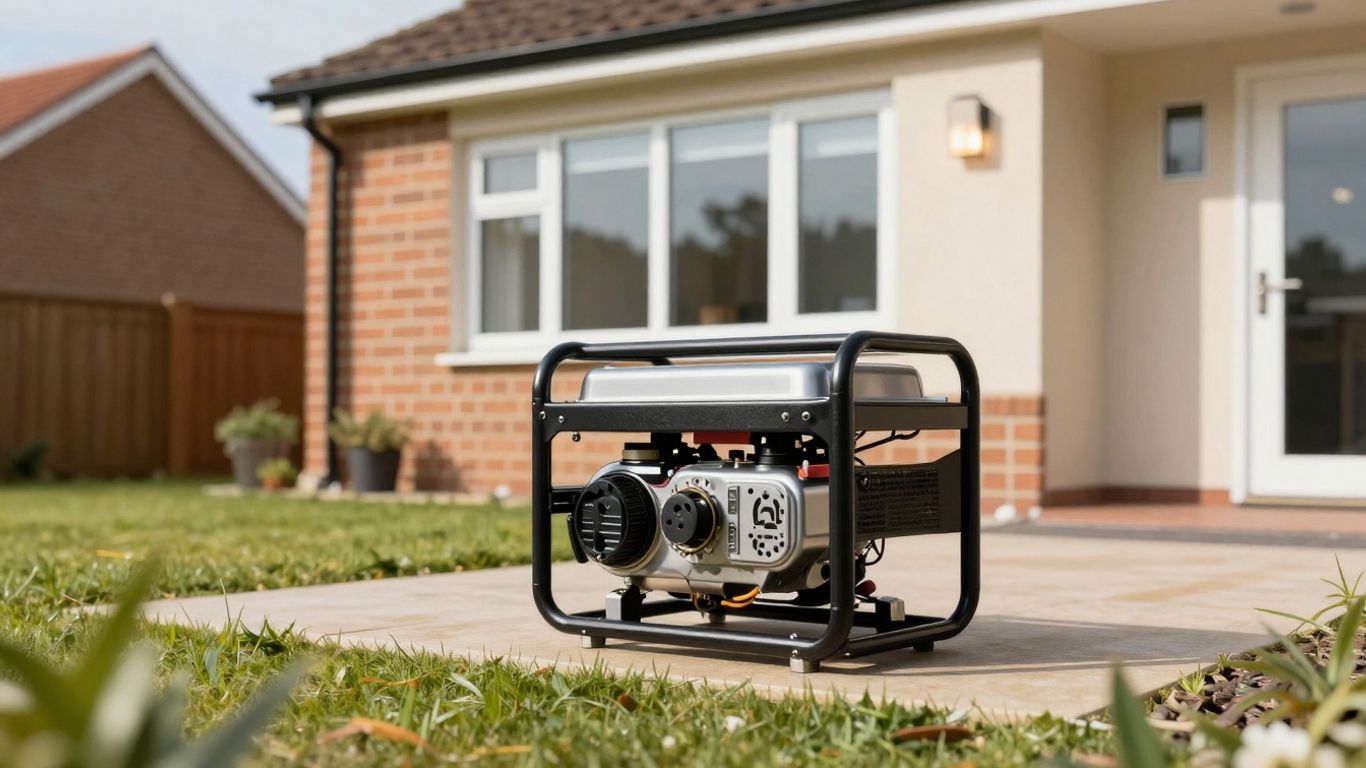
Right then, let’s talk about what actually matters when you’re picking a generator. It’s not just about getting the biggest engine; it’s about getting the right one for you.
Understanding Power Output (Wattage)
This is probably the most important bit. Wattage tells you how much power the generator can actually give out. You need to figure out what you absolutely must have running when the lights go out.
-
Essentials: Think fridge, a few lights, your phone charger, maybe the TV. For this, a smaller unit around 3000-5000 watts might do the trick.
-
More Comfort: If you want to run more, like a microwave, a small heater, or even a laptop, you’ll need to step up.
-
Whole House: For a big job, powering everything, you’re looking at 10,000 watts or more.
Always check both the ‘running’ (continuous) watts and the ‘starting’ (surge) watts. Some appliances, like fridges or power tools, need a big kick to get going.
Choosing The Right Fuel Type
This ties into how much you’ll use it and what’s easy to get hold of.
-
Petrol: Usually cheaper to buy the generator itself, but petrol can be a bit more expensive and you’ll need to store it safely. Good for occasional use.
-
Diesel: Generally more fuel-efficient, especially for bigger jobs or if you expect to run it for longer periods. Diesel can be easier to find in bulk.
-
Natural Gas/LPG: If you’ve already got a gas line, this is super convenient. No need to store fuel or refill tanks. It’s also often a cleaner burn.
Automatic Start And Transfer Switches
This is where you get proper peace of mind.
-
Automatic Transfer Switch (ATS): This is the clever bit. When the power goes off, the ATS detects it and tells the generator to start up. When the mains power comes back, it switches everything back over and shuts the generator down. You don’t have to do a thing.
-
Automatic Start: Even without a full ATS, some generators will just start themselves when they sense a power cut. You’d then need to manually switch your home’s power over, but at least you’ve got power.
Having an ATS means you won’t even notice a power cut, or at least, your important appliances won’t. It’s a game-changer for keeping things running smoothly.
Minimising Noise Levels
Generators can be loud. Really loud. If you live in a built-up area or have close neighbours, this is a big one.
-
Look for ‘silent’ or ‘quiet’ models: These often have soundproof casings.
-
Check the decibel (dB) rating: Lower is better. A normal conversation is around 60 dB, so anything much over 70 dB can be quite intrusive, especially if it’s running for hours.
-
Consider placement: Even a noisy generator can be made less bothersome by positioning it as far away from your house and neighbours as possible, perhaps behind a shed or a sturdy fence (but make sure there’s still good ventilation!).
Fuel Options For Your Generator
Choosing the right fuel for your generator is a big decision. It affects how much it costs to run, how often you need to refuel, and even how clean it is. Let’s break down the common choices.
Petrol Generators: An Affordable Start
Petrol is often the cheapest option upfront. These generators are usually lighter and easier to start, making them good for smaller jobs or occasional use. Think powering a few lights and a fridge during a short outage.
-
Pros: Low initial cost, easy to find fuel, generally quieter than diesel.
-
Cons: Fuel doesn’t store well for long periods (can go stale), less efficient than diesel, so you’ll be refuelling more often.
-
Safety Tip: Always store petrol in approved containers, away from living areas and any ignition sources. Never refuel a hot generator.
Diesel Generators: Efficiency For Larger Needs
Diesel generators tend to be more fuel-efficient, especially for longer run times or powering bigger loads. If you need to keep essential appliances running for extended periods, diesel is a solid choice. They’re often more robust too.
-
Pros: Better fuel economy, longer lifespan, diesel stores better than petrol.
-
Cons: Higher initial cost, can be noisier, requires careful fuel storage, and produces more emissions.
-
Example: A small business needing reliable power for a few days during a grid failure might opt for a diesel unit.
Natural Gas Generators: A Convenient Choice
If you’re already connected to the mains gas supply, a natural gas generator offers ultimate convenience. It’s a clean-burning fuel, and you won’t have to worry about storing or refilling tanks – the gas just keeps coming.
-
Pros: Very convenient (no refuelling), cleaner emissions, generally lower running costs if gas prices are stable.
-
Cons: Not available everywhere, requires a gas line connection, and your generator is only as reliable as the gas supply itself.
-
Consider This: If you have a permanent standby generator installation, natural gas is a very popular and practical option for homeowners.
The best fuel for you depends on your budget, how often you expect to use the generator, and what you need to power.
Always check the generator’s manual for specific fuel recommendations and storage guidelines. Using the wrong fuel can damage the unit and void your warranty. Safety first is key when dealing with any fuel.
Installation And Maintenance Considerations
Professional Installation For Safety
Getting a generator set up right is pretty important. Don’t try to wing it yourself unless you really know your stuff. A qualified electrician is your best bet. They’ll make sure it’s wired in correctly to your home’s system and that all the safety bits are in place. This means no dodgy connections that could cause a fire or shock. They’ll also know where the best spot is to put it, away from windows and doors so the fumes don’t come inside. Think about where it’s going – needs to be on a solid base, with good airflow, and easy enough to get to for checks.
Regular Maintenance For Reliability
Generators are like cars; they need a bit of TLC to keep running smoothly. If you don’t look after it, it might let you down when you need it most. Regular checks are key. This usually means:
-
Checking oil and coolant levels: Just like your car, these need to be topped up.
-
Testing it regularly: Run it for a bit every month or so, even if the power’s on. This keeps everything ticking over.
-
Cleaning: Keep the air filter clean and the generator itself free of dirt and debris.
-
Inspecting fuel lines: Make sure there are no leaks or cracks.
It’s not a massive job, but doing it consistently makes a big difference. A bit of effort now saves a lot of hassle later.
Understanding Aftercare And Support
When you buy a generator, it’s not just about the machine itself. What happens if something goes wrong? Check the warranty details carefully. Who do you call if it breaks down? Does the manufacturer offer support or have a network of engineers? Some companies offer maintenance packages, which can be a good idea if you’re not confident doing it yourself. Knowing you’ve got backup support means you can relax a bit more, knowing your generator is looked after.
Think of it like this: you wouldn’t buy a fancy new cooker and then never clean it or check the gas, would you? Your generator needs similar attention to be ready when the lights go out.
Budgeting For Your Home Backup Generator
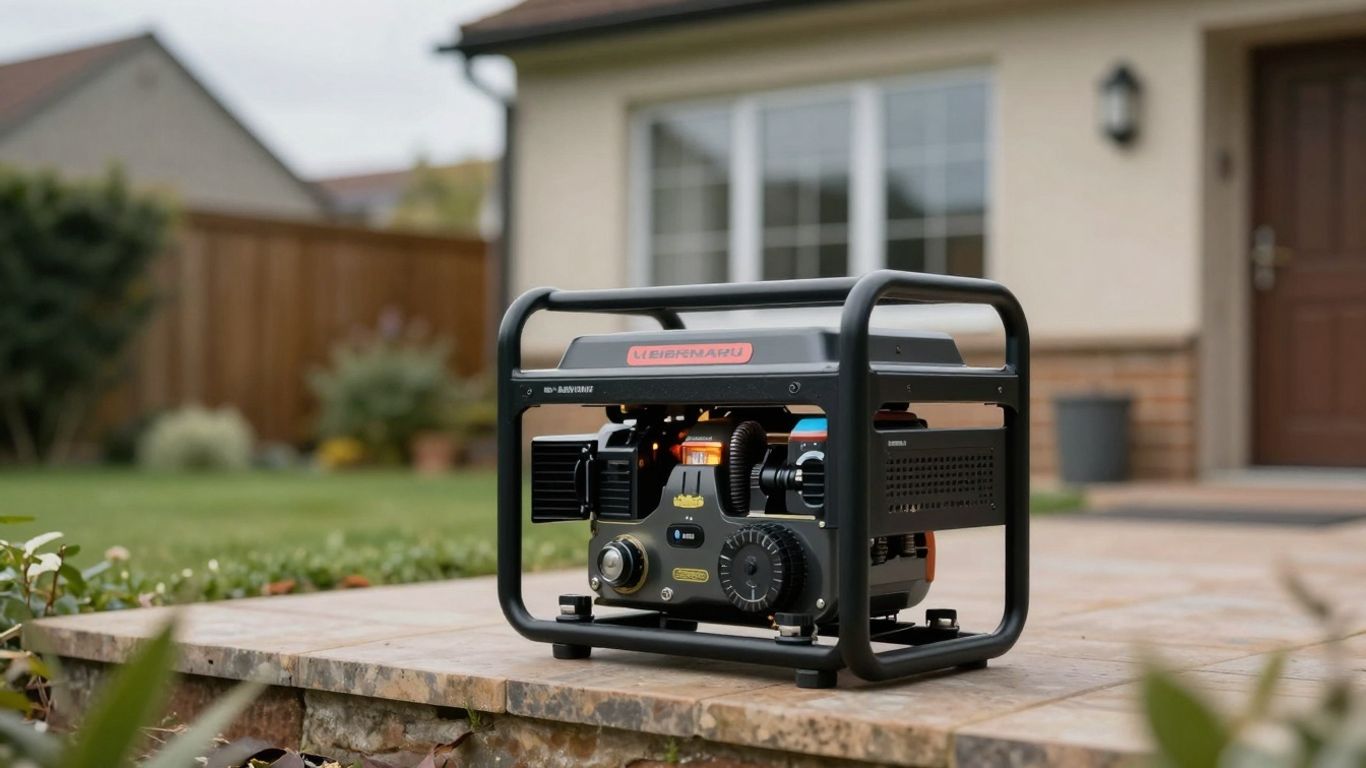
Right then, let’s talk about the pennies. Getting a backup generator isn’t just about the sticker price; there’s more to consider. Think of it like buying a car – you’ve got the initial cost, but then there’s the fuel, the servicing, and all that jazz.
Initial Purchase Costs
Generators can range from a few hundred quid for a small portable one to several thousand for a big standby unit. The size and type you need will really dictate the upfront cost. A basic petrol portable might set you back £300-£700, while a whole-house standby generator could easily be £2,000-£5,000 or more, before installation.
Ongoing Fuel and Running Expenses
This is where the costs can creep up, especially during a long power cut. Petrol generators are generally cheaper to buy but cost more to run per hour than diesel or natural gas. Natural gas is often the cheapest fuel if you’re already connected, but the generator itself might cost more initially. Diesel is efficient for bigger jobs. Expect running costs to vary wildly, but for a whole-house generator, it could be anywhere from £35 to over £100 a day, depending on what you’re powering and fuel prices.
Here’s a rough idea:
|
Generator Type |
Fuel Type |
Approx. Running Cost (per hour) |
Notes |
|---|---|---|---|
|
Portable |
Petrol |
£1.00 – £3.00 |
Varies with engine size and load |
|
Standby |
Diesel |
£2.00 – £5.00 |
More efficient for larger loads |
|
Standby |
Natural Gas |
£0.50 – £2.00 |
Cheapest fuel, depends on gas prices |
|
Standby |
LPG (Propane) |
£1.50 – £4.00 |
Good for areas without natural gas supply |
Remember, these are just estimates. Prices change, and how much you use the generator makes a big difference.
Long-Term Value of Peace of Mind
Okay, so it’s an investment. But think about what you get. No more spoiled food in the fridge. Keeping your heating or essential medical equipment running. Being able to work from home without interruption. That’s pretty valuable, right? For many, the peace of mind knowing you’re covered when the lights go out is well worth the cost. Plus, a well-maintained generator can last for years, so spread that cost over its lifespan.
Don’t forget installation and maintenance costs. Professional installation is key for safety and often required for warranties. Regular servicing, even if it’s just checking oil and filters yourself, keeps it ready to go and prevents bigger bills down the line. Factor in maybe £50-£150 a year for basic maintenance, more if you need a professional service.
So, what’s the takeaway?
Right then, choosing a home backup generator might seem a bit much at first, but hopefully, this has made it clearer. It’s all about figuring out what you actually need – how often do you lose power, and what bits of your home absolutely have to keep running? Whether you go for a big standby unit that kicks in automatically or a more portable option, getting the right one means you won’t be left in the dark when the grid decides to take a break. Have a good think about your budget and what fuel makes sense for you. It’s an investment, sure, but the peace of mind knowing you’re prepared for anything is well worth it. Plus, you can keep the kettle on, and that’s always a win, isn’t it?
Frequently Asked Questions
So, is getting a backup generator actually worth the money in the UK?
Whether it’s a good idea really depends on your situation! If you’re in an area that gets a lot of power cuts, then yes, it could be a lifesaver to keep your essentials running. Think about how often your power goes out and what you absolutely need to keep powered up. It’s a bit of an investment, so weigh up the cost against the hassle of being in the dark.
What exactly does a backup generator do?
Basically, it’s a machine that steps in to provide electricity when your main power supply from the grid cuts out. It’s like a backup plan for your electricity, making sure you don’t get left in the dark during a power outage. Some are permanently installed, while others are portable.
How do I figure out what size generator I need for my house?
To work out the right size, you need to list all the things you’d want to power during an outage. Simple things like your fridge, lights, and TV might only need a smaller generator, maybe around 3000-5000 watts. But if you want to run bigger stuff like your oven, washing machine, or even your heating, you’ll need a much bigger and more powerful unit, potentially 7000 watts or more. For your whole house, you’re looking at 10,000 watts plus.
Can I just leave a generator running all the time?
While some generators can technically run for ages if they’re looked after and refuelled, they’re really designed as a temporary fix for when the main power is off. They aren’t meant to be your permanent electricity source. Think of them as your emergency backup, not your everyday power provider.
What are the running costs like for a generator?
The cost to run a generator can really vary. It depends on the type of generator, what fuel it uses, and how much electricity you’re actually using. In the UK, running a whole-house generator for a day could cost anywhere from £35 to £115, mainly due to fuel costs. And guess what? Fuel prices can change, making it pricey if you need it for a long time. That’s why some folks are looking at solar options to avoid those daily fuel bills.
Are portable generators any good for keeping essential things running?
Yep, a portable generator can definitely keep your essential appliances going during a blackout. What it can handle really depends on its power. A smaller one, say 2000-3000 watts, is usually great for lights, your Wi-Fi router, and maybe a small appliance or two. Just make sure you know what you want to power and pick a generator that can handle that load.