

Launching Your Culinary Dream: A Guide to Selling Food from Home in the UK

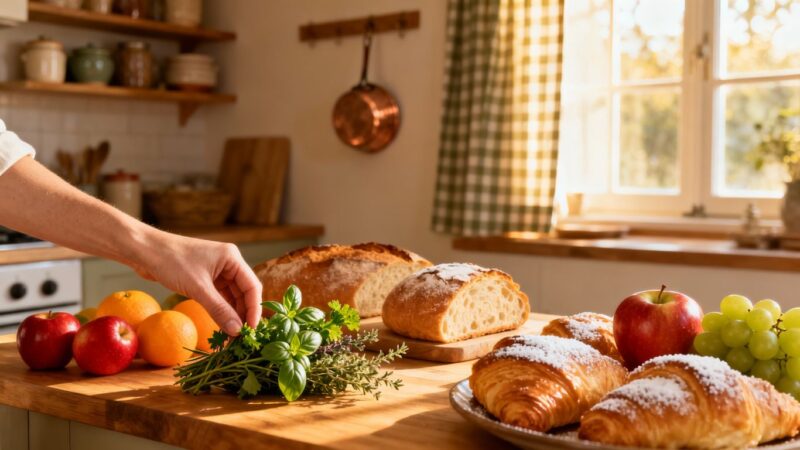
So, you’re thinking about turning your kitchen into a place where you can start selling food from home in the UK? That’s a fantastic idea! Loads of people are doing it, and it’s a brilliant way to share your cooking skills and maybe even make a bit of extra cash. It might seem a bit much to get your head around at first, but don’t worry, we’ll break down the main things you need to sort out to get your food business off the ground. It’s all about getting the basics right so you can focus on making delicious food.
Key Takeaways
- Before you even think about selling food from home, you need to tell your local council you’re starting a business. Do this at least 28 days before you plan to open for business.
- Getting a food hygiene certificate, usually Level 2, is pretty much a must. You also have to be super clear about any allergens in your food.
- Your kitchen needs to be a clean and safe place to cook. Think about how you’ll store food properly and what you’ll do with all the rubbish.
- You need a plan for your business, even a simple one. It helps you figure out what you’re selling, who you’re selling to, and how people will find out about you.
- Don’t forget about insurance! Things can go wrong, and having the right cover, like public liability, can save you a lot of hassle later on.
Getting Your Home Food Business Off The Ground
So, you fancy turning your kitchen into a money-making machine? Brilliant! Starting a food business from home in the UK is a fantastic way to share your cooking skills. It might seem a bit much at first, but with a clear plan, you’ll be serving up success.
Understanding Your Unique Culinary Niche
What makes your food special? Are you the go-to for amazing vegan cakes, a whizz with traditional pies, or do you have a secret family recipe everyone loves? Finding your niche helps you stand out from the crowd. Think about what you genuinely enjoy cooking and what people actually want to buy. It could be anything from fancy cupcakes to hearty stews, or even special dietary treats like gluten-free goodies.
Crafting A Focused And Profitable Menu
When you’re planning your menu, keep it tight, especially at the start. A smaller menu with dishes you do brilliantly is way better than a huge one with a few duds. Ask yourself:
- Signature Dishes: What are you known for? What can you make perfectly, every single time?
- Ingredient Sourcing: Can you get good quality ingredients easily and without breaking the bank?
- Profitability: Have you worked out the cost of making each dish and how much you need to charge to make a decent profit?
- Scalability: Can you make more of your popular items if suddenly loads of people want them?
Developing Your Essential Business Plan
Don’t let the term ‘business plan’ put you off. It’s just a roadmap to help you think through all the important bits and make sure you’re heading the right way. A good plan will cover:
- Your Business Idea: What you’re selling and why it’s special.
- Your Target Market: Who are you selling to?
- Your Finances: How much money you need to start and how you’ll make a profit.
- Your Marketing: How you’ll tell people about your amazing food.
A simple plan helps you spot potential problems before they happen and keeps you focused on your goals. It doesn’t need to be a massive document, just clear and practical.
Navigating The Legal Landscape For Home Food Sellers
Registering Your Business With Your Local Council
Right then, let’s get down to the nitty-gritty of making sure your home food business is on the right side of the law. It might sound a bit dry, but getting this sorted from the start means you can focus on cooking up a storm without any worries.
First things first, you need to tell your local council you’re setting up shop. This is a free process and it’s really important. You should do this at least 28 days before you plan to start selling food. The council needs to know where your business is based, so if you’re operating from home, it’s the council for your home address. If you’re using a mobile setup like a food trailer, it’s usually where you store it overnight.
- Visit the Food Standards Agency (FSA) website to find out more and get started.
- This registration allows them to schedule an inspection to give you a food hygiene rating.
- Think of it as a friendly check-up to make sure you’re good to go.
Achieving Essential Food Hygiene Certification
Food safety is non-negotiable. You need to show you know your stuff when it comes to keeping food safe to eat. This protects your customers and your business.
- Complete a Level 2 Food Hygiene course. This is often required, especially if you’re handling certain types of food. It covers the basics of food safety.
- Understand allergen information. Know the 14 major allergens and how to prevent cross-contamination.
- Keep records. Track cleaning schedules, temperature logs, and supplier information. This shows due diligence.
Getting your food hygiene sorted isn’t just about ticking boxes; it’s about building trust with your customers. They want to know the food they’re eating is prepared safely and with care.
Understanding Allergen Labelling Requirements
This is a big one. If your food contains any of the 14 major allergens, you must clearly state this on your packaging or menu. Getting this wrong can have serious consequences for customers with allergies.
- List all ingredients. Be precise about what goes into your food.
- Highlight allergens. Use bold text or a separate list for allergens like nuts, dairy, gluten, etc.
- Provide clear storage and preparation advice. This helps customers handle your products safely at home.
Accurate allergen labelling is a legal requirement and a matter of customer safety.
Ensuring Top-Notch Food Hygiene Standards At Home
Right then, let’s talk about keeping your food safe and top-notch. This is super important, not just for ticking boxes with the council, but because your customers trust you with their bellies! Making sure your home kitchen is a safe place to cook is the first step.
Maintaining A Spotless And Safe Kitchen Environment
Your kitchen needs to be spotless. Think about it – if your workspace isn’t clean, how can the food be? This isn’t just about wiping down surfaces after you’ve finished; it’s a daily, even hourly, commitment.
- Regular Cleaning Schedules: Have a plan for cleaning everything, from your worktops and chopping boards to your utensils and equipment. Don’t forget the fridge and oven too!
- Hand Washing: This is non-negotiable. You need a proper hand-washing station with hot and cold running water, soap, and paper towels. Alcohol gels are okay as a backup, but they don’t replace a good scrub.
- Pest Control: Keep your kitchen sealed up tight to stop any unwanted visitors. Crumbs and spills are like an open invitation.
- Equipment Checks: Make sure your cooking equipment, like your fryers or griddles, is clean and in good working order. For example, a clean fryer basket means better tasting food and less chance of old bits burning onto new batches.
Implementing Proper Food Storage Techniques
How you store your ingredients and get rid of your waste makes a big difference to food safety.
- Separate Raw and Cooked: Keep raw and cooked foods separate to avoid cross-contamination. Use different chopping boards and utensils, or wash them thoroughly between uses.
- Temperature Control: Store food at the correct temperatures. Your fridge should be at 5°C or below, and your freezer at -18°C or below. Use a fridge thermometer to check.
- Label and Date: Label and date everything you store, especially leftovers or prepped ingredients. This helps you keep track of what’s what and when it needs to be used.
Keeping your food safe and top-notch is super important. It’s not just about following rules; it’s about building trust with your customers. A clean kitchen and proper storage mean fewer worries for you and happier, healthier customers.
Establishing An Effective Waste Management Plan
Getting rid of your waste properly is just as vital as keeping your kitchen clean.
- Prompt Disposal: Dispose of food waste promptly and securely. Use bins with tight-fitting lids.
- Local Rules: Make sure your waste disposal methods comply with local council rules. You don’t want pests attracted to your home.
- Regular Collection: Arrange for regular collection of your waste to prevent build-up.
Having a clear system for all of this, often called a Food Safety Management System or HACCP plan, is your best defence. It sounds formal, but it’s just your own set of rules for keeping food safe. This could include tracking cleaning schedules, temperature logs, and supplier details.
Building Your Brand And Reaching Customers
Defining Your Unique Selling Proposition
What makes your food special? Think about what sets you apart. Is it a secret family recipe? Locally sourced ingredients? A specific dietary focus like vegan or gluten-free? Your unique selling point (USP) is what customers will remember.
- Your Story: People love a good story. Share why you started cooking from home. Was it a passion passed down? A desire to share a taste of home?
- Your Ingredients: Highlight if you use local, organic, or special ingredients. This can be a big draw.
- Your Speciality: Are you the go-to for amazing cakes? The best Sunday roasts in town? Be known for something specific.
Your brand is more than just a logo; it’s the feeling people get when they think of your food. Make it a good one.
Developing A Smart Marketing Strategy
Getting your delicious food in front of the right people is key. You don’t need a massive budget to make an impact.
- Social Media: This is your shop window. Use platforms like Instagram and Facebook to show off your food. Post clear, tasty-looking photos and short videos. Share your daily specials, behind-the-scenes prep, and happy customer photos (with permission!). Use local hashtags like #YourTownFood or #HomeCooked[YourTown].
- Local Buzz: Tell everyone you know! Friends, family, neighbours – ask them to spread the word. Offer a small discount for referrals.
- Local Markets & Events: Get a stall at your local farmers’ market or community fair. It’s a great way to let people taste your food and chat with them directly.
Example: Sarah makes amazing sourdough bread. She posts pictures of her loaves on Instagram every morning, showing the crusty exterior and airy inside. She also partners with a local deli to supply them with her bread twice a week, and she has a stall at the Saturday market.
Leveraging Local Opportunities And Partnerships
Working with others can really boost your reach.
- Local Cafes/Shops: See if a local cafe or independent shop would be interested in stocking your pre-packaged goods, like biscuits or jams. Make sure your packaging is professional and includes all the legal labelling.
- Complementary Businesses: Team up with a local florist for a ‘dinner party package’ or a local brewery for a ‘beer and bites’ event. You provide the food, they provide the drinks or setting.
- Community Groups: Offer special deals for local clubs or organisations. This builds goodwill and gets your name out there.
Safety Note: Always ensure any partner you work with understands and adheres to food safety standards. If you’re supplying another business, make sure they store and handle your food correctly.
Protecting Your Venture With Insurance
Right, let’s talk about keeping your food business safe. Things can go wrong, and you need to be ready. Insurance isn’t just a ‘nice to have’; it’s a proper safety net.
Exploring Public Liability Coverage
This is a big one. If someone gets ill or injured because of your food, or even slips on something you’ve left out, public liability insurance can sort out the costs. Think about it: a customer gets food poisoning from your amazing curry, or trips over a delivery box left on their doorstep. This insurance is your shield against those nasty claims. Many markets and online platforms will demand you have it before they let you trade.
Understanding Product Liability Insurance
This is slightly different. It covers you if there’s a problem with the food itself. Maybe you forgot to list an allergen, or a customer has a severe reaction. Product liability steps in to cover the costs if your product causes harm. It’s about protecting you from claims related to the food you’ve made and sold.
Considering Equipment and Stock Protection
What if your oven breaks down right before a big order? Or a freezer full of stock fails? This type of insurance can help cover the cost of replacing or repairing your kit, or the value of lost stock. It means a hiccup doesn’t have to be a disaster for your finances. It’s worth looking into, especially if you’ve invested a lot in your kitchen gear.
Essential Record Keeping For Your Food Business
Tracking Cleaning Schedules And Checks
Keeping your kitchen clean is a big deal. You need to show you’re on top of it. A simple cleaning schedule helps. List what needs cleaning, how often, and who did it. This covers everything from your worktops to your oven.
- Daily: Wipe down surfaces, clean utensils.
- Weekly: Deep clean the fridge, descale the kettle.
- Monthly: Check and clean drains, inspect equipment.
Why bother? It proves you’re serious about hygiene and helps prevent nasty germs from building up. Plus, it keeps your workspace nice to be in!
Maintaining Temperature Logs For Storage
Food needs to be kept at the right temperature to stay safe. Your fridge should be 5°C or below, and your freezer at -18°C or below. You need to keep a record of these temperatures.
How to do it:
- Get a fridge/freezer thermometer. Don’t just rely on the dial.
- Check the temperature at least once a day.
- Write down the reading in a logbook or spreadsheet.
This is super important. If there’s ever a problem, these logs show you’ve done your best to keep food safe. It’s also handy for spotting if your fridge is on the blink before it causes a disaster.
Keeping Records Of Suppliers And Allergen Information
Knowing where your food comes from is key. Keep a list of your suppliers. This helps if there’s ever an issue with an ingredient. You also need to know what’s in your food, especially allergens.
Supplier Records:
- Supplier name
- Contact details
- What you buy from them
- Delivery dates
Allergen Records:
- List all ingredients for each dish.
- Note any of the 14 major allergens present (e.g., nuts, milk, gluten).
- Keep this information updated as your menu changes.
Being organised with your records isn’t just about rules. It’s about protecting your customers and your business. If someone has a bad reaction, you need to know exactly what went into their food and where it came from. It gives you peace of mind and shows you’re a pro.
These records are your safety net. They help you manage your stock, track your costs, and most importantly, keep your customers safe and happy. It might seem like a bit of extra work, but it’s well worth it for a thriving food business.
Ready to Get Cooking?
So, there you have it! Starting a food business from your own kitchen in the UK might seem like a lot, but honestly, it’s totally doable. We’ve covered the main bits, from getting your paperwork sorted with the council and making sure your kitchen is up to scratch, to thinking about what tasty treats you’ll actually sell. Remember, it’s not just about making great food, but also about being smart with the rules and letting people know you exist. Take it one step at a time, keep things clean, and don’t be afraid to ask for help if you need it. Your delicious creations could soon be bringing smiles to plenty of faces!
Frequently Asked Questions
Do I really need to tell the council I’m selling food from my kitchen?
Yep, you absolutely do! It’s a legal requirement to register your home food business with your local council at least 28 days before you start selling anything. It’s free to do, and they’ll want to make sure your kitchen is safe for preparing food. Think of it as a friendly check to make sure you’re good to go!
What’s this ‘food hygiene certificate’ I keep hearing about?
It’s basically proof that you know how to handle food safely. Most people need at least a Level 2 Food Hygiene Certificate. It shows you understand things like keeping food at the right temperatures, preventing contamination, and generally keeping things clean. It’s a must-have for selling food.
I’m a bit worried about allergens. What do I need to do?
Allergens are a big deal! You have to be super clear about what ingredients are in your food, especially the common ones like nuts, dairy, gluten, and so on. You need to make sure customers know exactly what they’re eating to avoid any nasty reactions. Proper labelling is key here.
How clean does my kitchen really need to be?
Spotless is the goal! Your kitchen needs to be super clean and safe for food prep. This means regular cleaning of surfaces and equipment, storing food properly to avoid spoilage, and having a good plan for getting rid of your rubbish. It’s all about stopping germs and making sure your food is safe to eat.
Do I need special insurance for my home food business?
It’s a really good idea to look into insurance. Things like public liability insurance can protect you if a customer has an accident or gets ill from your food. Product liability insurance is also worth considering. It gives you peace of mind, especially as your business grows.
What kind of records do I need to keep?
You’ll need to keep track of a few things. This includes cleaning schedules to show you’re keeping things tidy, temperature logs for your fridge and freezer to ensure food is stored correctly, and details about where you get your ingredients from. It’s all part of showing you’re running a safe and organised business.